
An audacious truth or an embellished fiction? 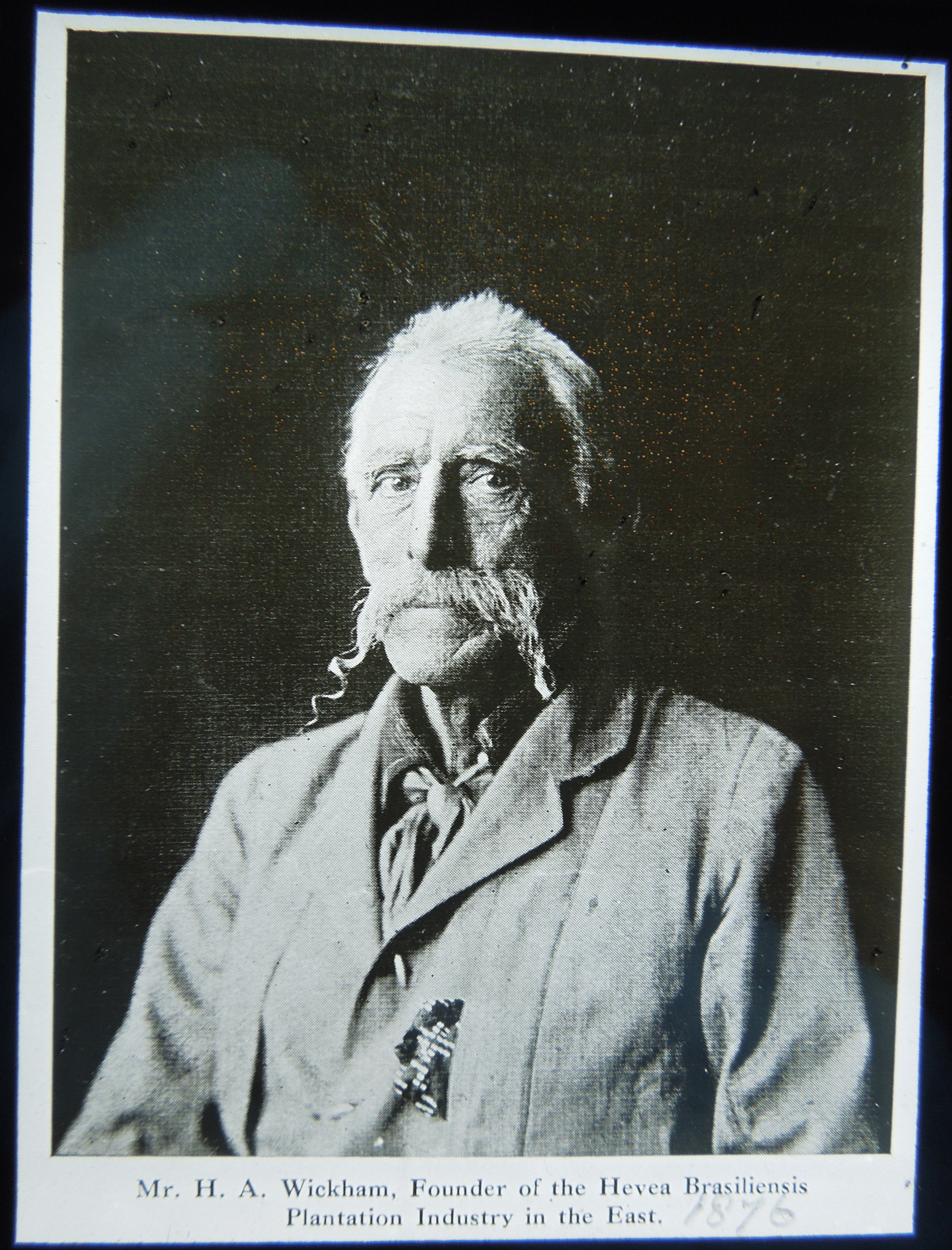 History credits Sir Henry Alexander Wickham (b.1846, d.1928), a British explorer, with bringing 70,000 rubber seeds from the plant, Hevea brasiliensis, in the Santarem area of Brazil to the Royal Botanical Gardens, Kew, London in 1876. These seeds would go on to be shipped to the Far East to establish rubber plantations expanding the rubber industry and breaking Brazil’s monopoly. The export laws in Brazil at this time did not prevent Wickham’s seed gathering and removal, but there is evidence that he may have misrepresented his cargo as ‘exceedingly delicate botanical specimens specially designated for delivery to Her Britannic Majesty’s own Royal Gardens at Kew’ in order to convince the Brazilian customs officials to grant him an export license. He had hoped to be sent to the Far East to help establish the new rubber plantations; however, Dr. Joseph Hooker, the director of the Royal Botanical Gardens at Kew refused to let him go. Evidently Wickham had been promised £10 per 1,000 viable seeds delivered to Kew, but unfortunately he was only rewarded with £700 for his efforts.
 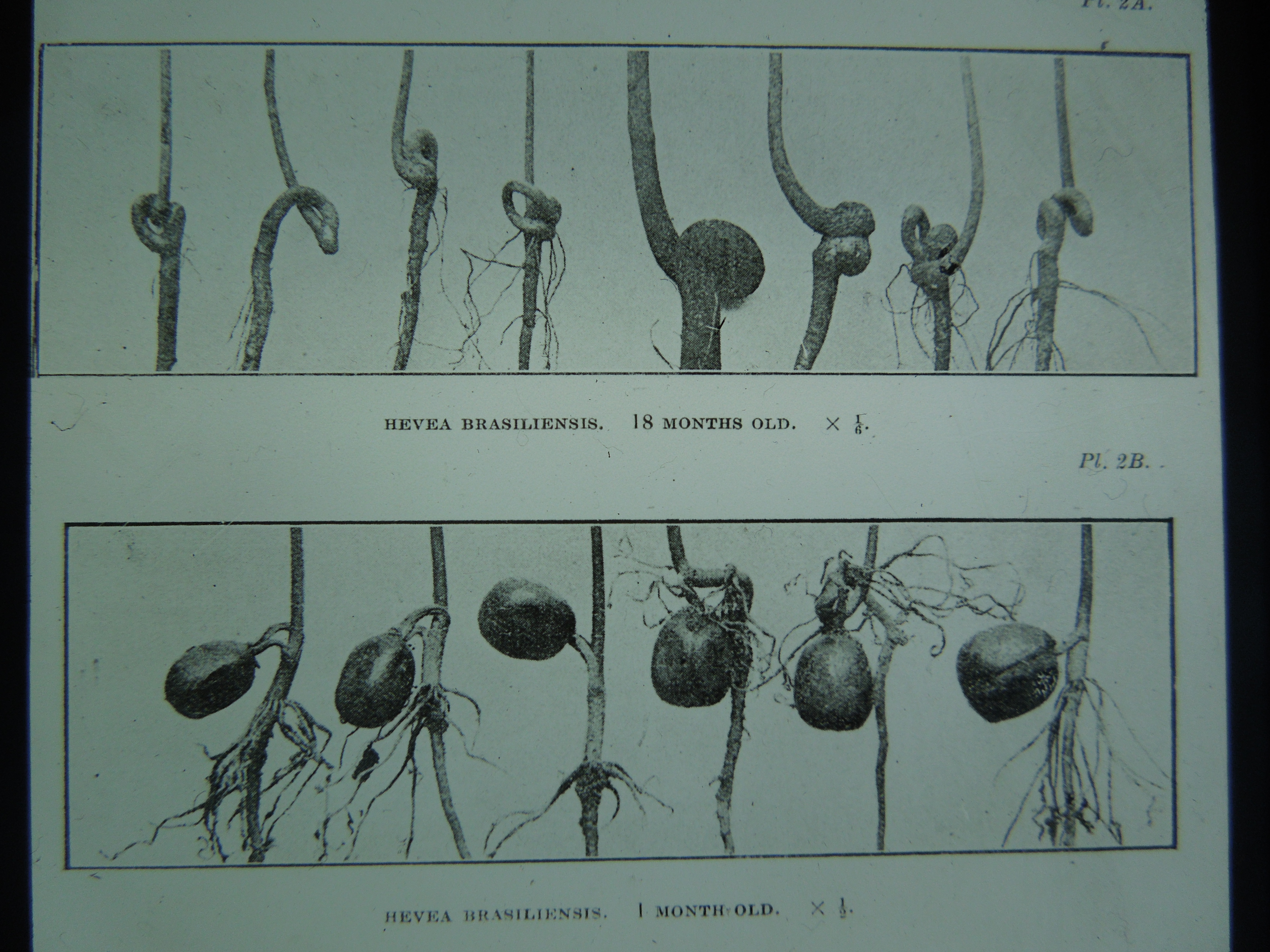 According to the website, Bouncing Balls, there are doubts to the veracity of his story and thoughts that he may have embellished his role. While it is known that he was in the Amazon at that time, there are questions to the collection and the shipping of the seeds. Regardless of what may have actually happened he is known throughout history as committing the world’s first act of bio-piracy by removing Brazilian rubber plan seeds, shipping them off to England and starting the rubber industry in South-East Asia.
A Sense of Place
Last week the Dolly team enjoyed a trip out to King’s Buildings, the main campus for the University of Edinburgh’s College of Science and Engineering. Bustling with students – not to mention architectural styles – the site is a chessboard of history, not least where animal genetics is concerned. King’s Buildings was home to, for instance, the Institute of Animal Genetics, the MRC Epigenetics Unit and the Poultry Research Centre. We were fortunate enough to have for our guide Professor Grahame Bulfield (former Director of the Roslin Institute and a University genetics student during the 1960s), who is also a valued adviser on the Dolly project board. Grahame’s encyclopaedic knowledge of the roll-call of each building’s previous occupants meant that we were able to visit the habitats of many of the individuals that Kristy and I have been ‘getting to know’ through our cataloguing. It was fascinating to be able to put, if you like, ‘places to names’, and gave us a sense of the social geography of animal genetics at Edinburgh. Here are a couple of our highlights:

This building, now called the Crew building and used by the School of Geosciences, was formerly known as the Institute of Animal Genetics. Frances A.E Crew, Director of the Department in Animal Breeding since 1920, had worked to raise funds partly to pay for a designated building for the Department. Designed by John Matthew, the building was opened in 1930.
This oak panel contains the names of those who obtained higher degrees from the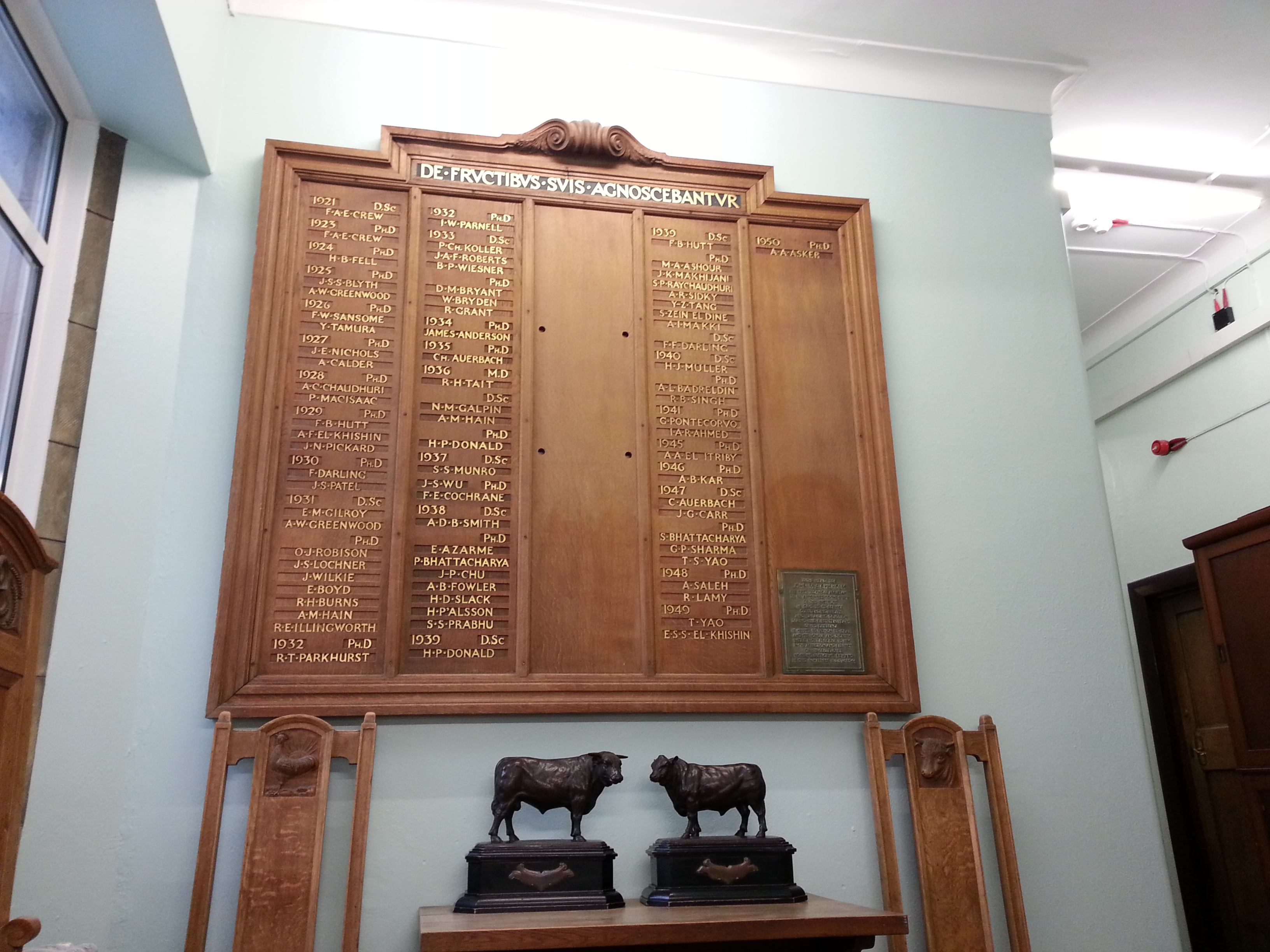 Department up to the year 1950. It used to hang in the entrance hall of the Institute building (above) but has now been moved to the Ashworth Laboratories (also built in 1929), now used by the School of Biological Sciences. Note also the wonderful chairs carved with various farm animals!
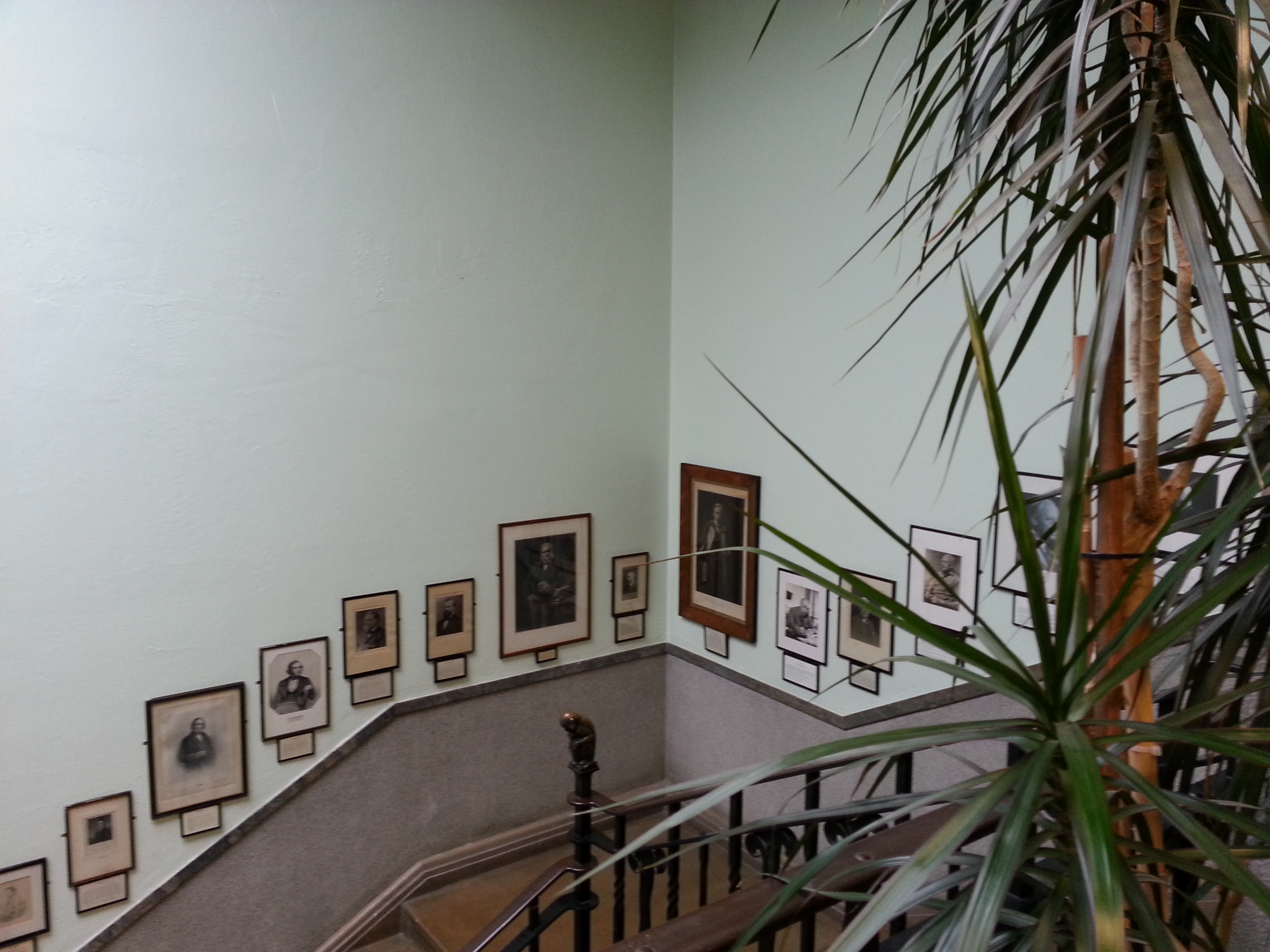
The majestic staircase in the Ashworth building displays portraits of many key scientific figures within the University. F.A.E Crew can be seen on the right next to the wooden-framed picture, with his successor as Director, C.H Waddington, two pictures up.
Not quite so visually grand as the two preceding buildings, this used to house C.H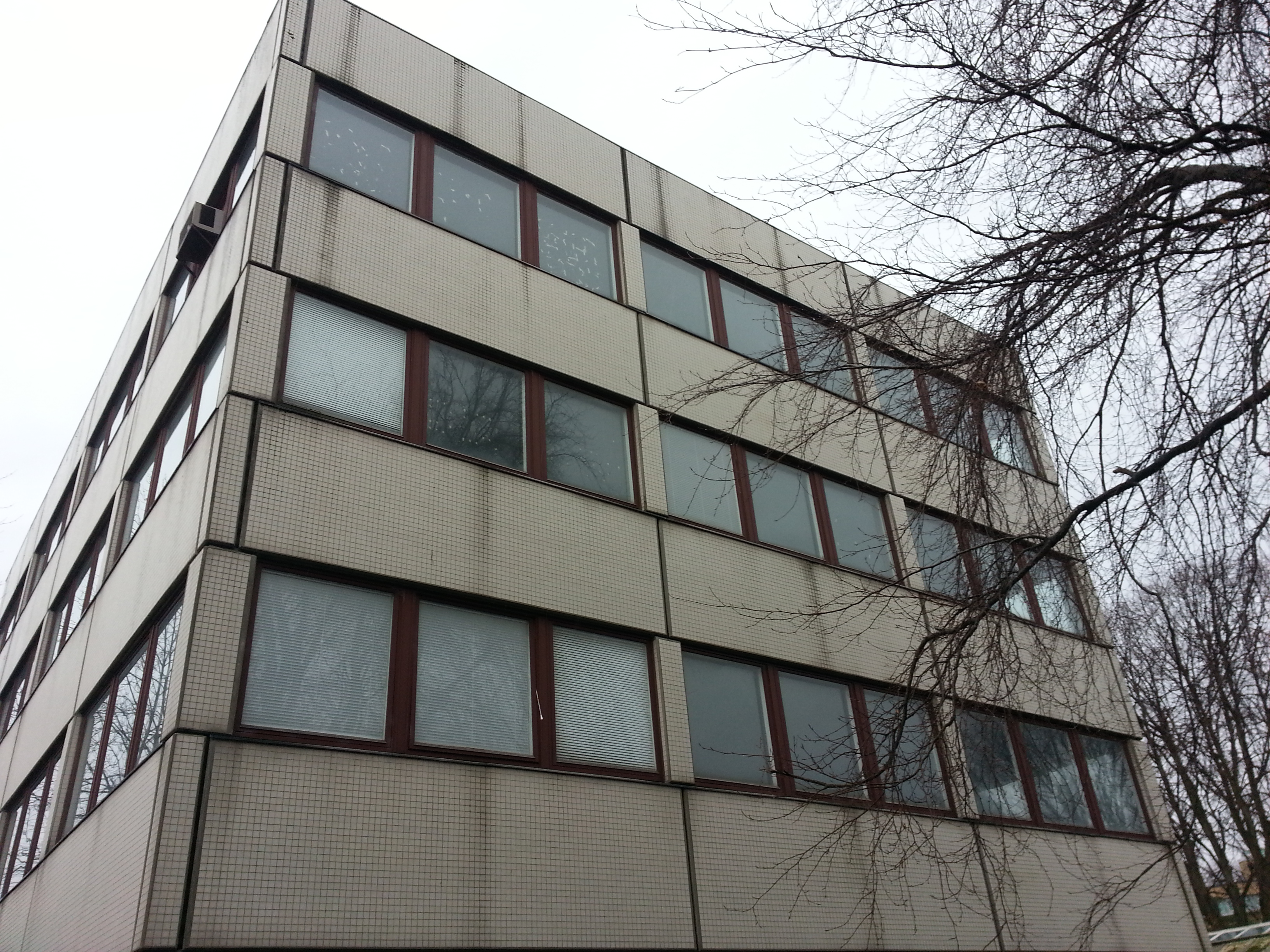 Waddington’s Epigenetics Laboratory. Funded by the Medical Research Council, the Wellcome Foundation and the Distillers Company, the building was opened in 1965, with Waddington moving his office from the Institute of Animal Genetics building into the top floor here. Aesthetically perhaps a far cry from John Matthew’s creation, but also a bold statement of the continuing expansion of genetics at the University.
With thanks to Professor Grahame Bulfield.
The Glass Plate Slides Collection – A View into Early 20th Century Documentation of Animals, Plants and Farming
While I’ve been busy cataloguing the scientific off-prints from the various institutes that have comprised the animal genetics programme in Edinburgh; with the start of the New Year I am moving on to catalogue the glass plate negative slide collection that makes up another aspect of the Towards Dolly project. There are c4000 glass slides, which we think were used as teaching materials, covering images of animals, plants, farming techniques and machinery from places like Australia, New Zealand, Canada and South East Asia among other places.

Instructing students, Wagga Farm, New South Wales, Australia, early 20th century
First, though, I’d like to tell you a bit about what a glass plate slide is and a bit of its history in regards to photography. The first collodion wet plate negative was made by the British photographer, Frederick Scott Archer in 1851 and Richard Leach Maddox, a British physician and photographer, made the first dry glass plate negative twenty years later in 1871. What is meant by these types of negatives? ‘Glass plate negatives comprise two formats collodion wet plate negatives and gelatin dry plate negatives. Both types have a light sensitive emulsion with a binder thinly layered on one side of a glass plate.’ The article, Handle with Care: Glass Plate Negative and Lantern Slide Collections at the Syracuse University Archives, is particularly useful in describing the history and technique.
Since I’m just beginning to catalogue the glass slides collection and have already found many interesting and diverse images – from a photograph of men loading horses in the Chicago Stockyards:

to an illustration of man-eating lions from Tsavo (Kenya) :
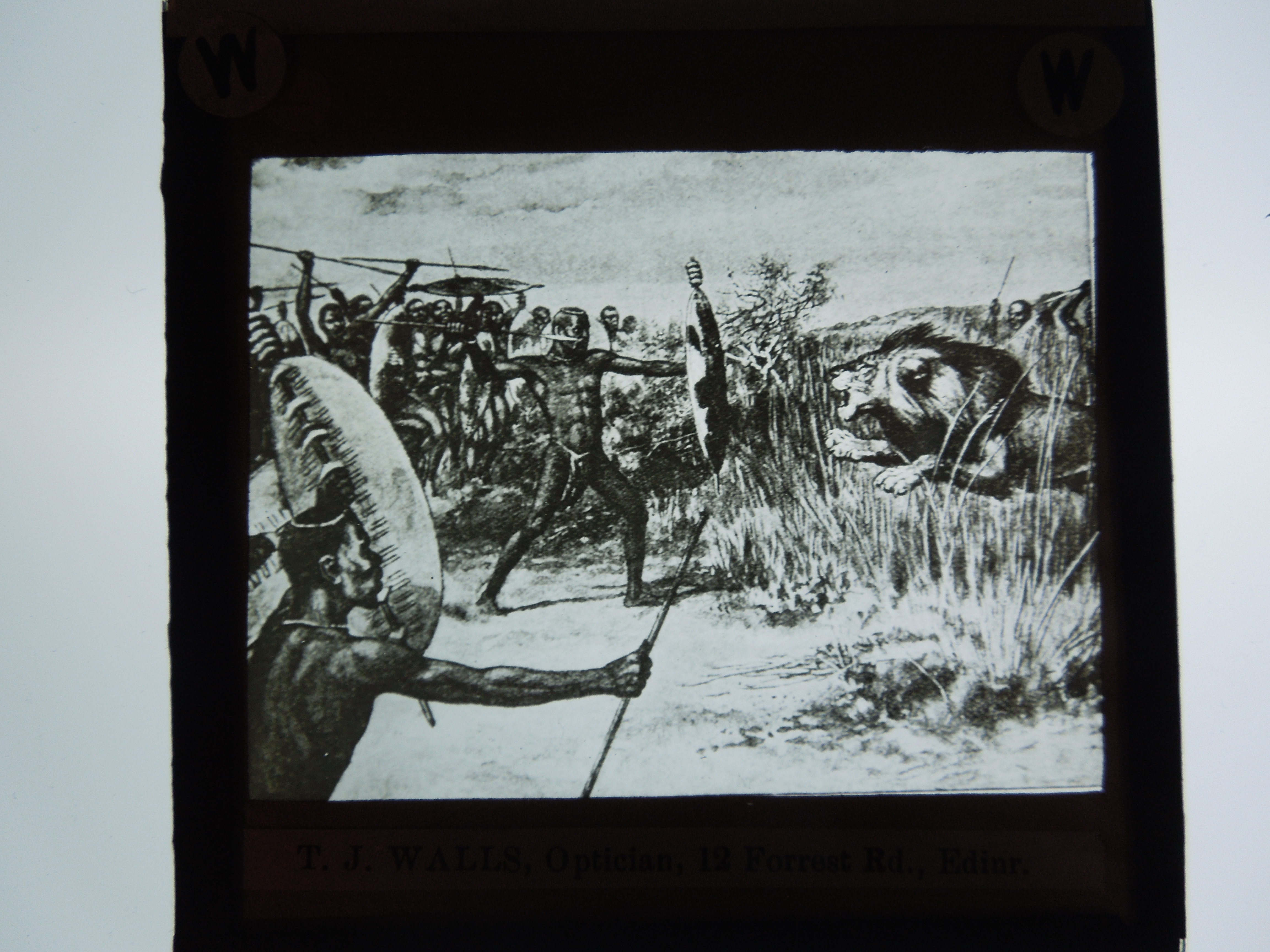
– I’m looking forward to discovering more fascinating things as time goes on. I’ll keep you posted!
Star of the Stripes
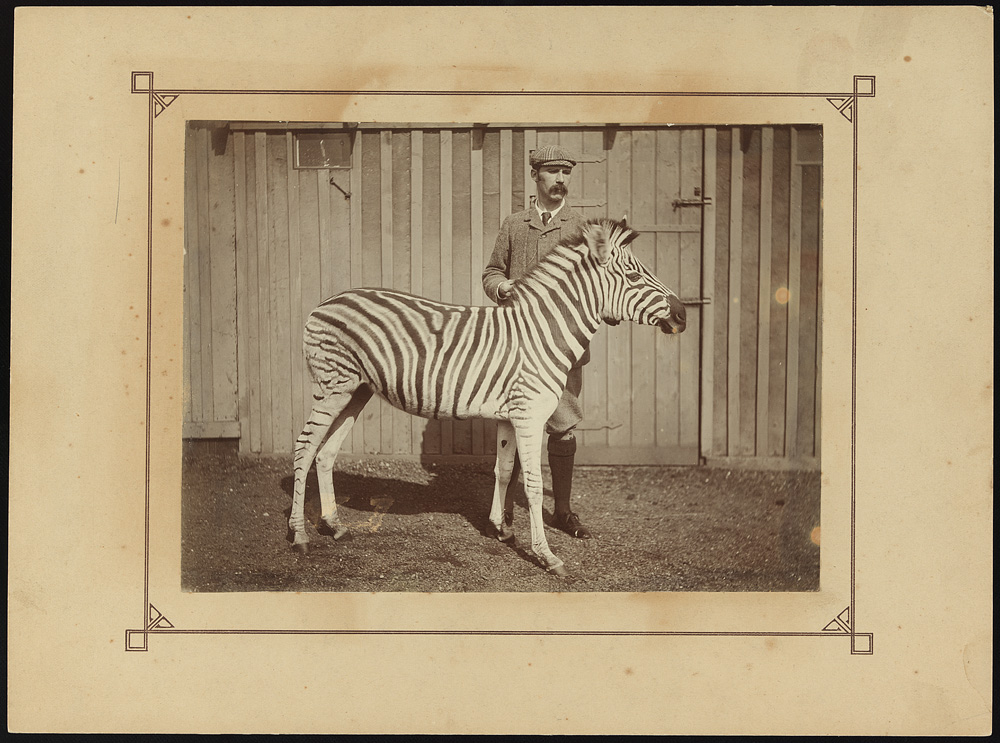 I have recently begun cataloguing the papers of James Cossar Ewart (1851-1933), who was Professor of Natural History at the University of Edinburgh from 1882 to 1927. Cossar Ewart was a pioneering zoologist and animal breeder who is probably best remembered for his work on cross-breeding zebras and horses. This work, written up as The Penycuik Experiments (1899), was instrumental in disproving the long-held theory of telegony, which held that the a sire could ‘infect’ the dam he serves by influencing the genetic inheritance of the offspring of subsequent sires.
To disprove this, Ewart cross-bred a zebra stallion with various mares of different breeds, which produced foals with zebra-like stripes. The mares were afterwards mated with horses of their own breeds, but these offspring never showed any evidence of having been affected by the previous zebra sire.
Cossar Ewart was also the driving force behind the establishment of a lectureship in genetics (1911) at the University, the first in the UK. He is pictured above with one of his prized zebras – an image which has already proved to be one of our most popular, as seen here!
More about Cossar Ewart and his zebras to follow…
Avian Hieroglyphs in Ancient Egypt
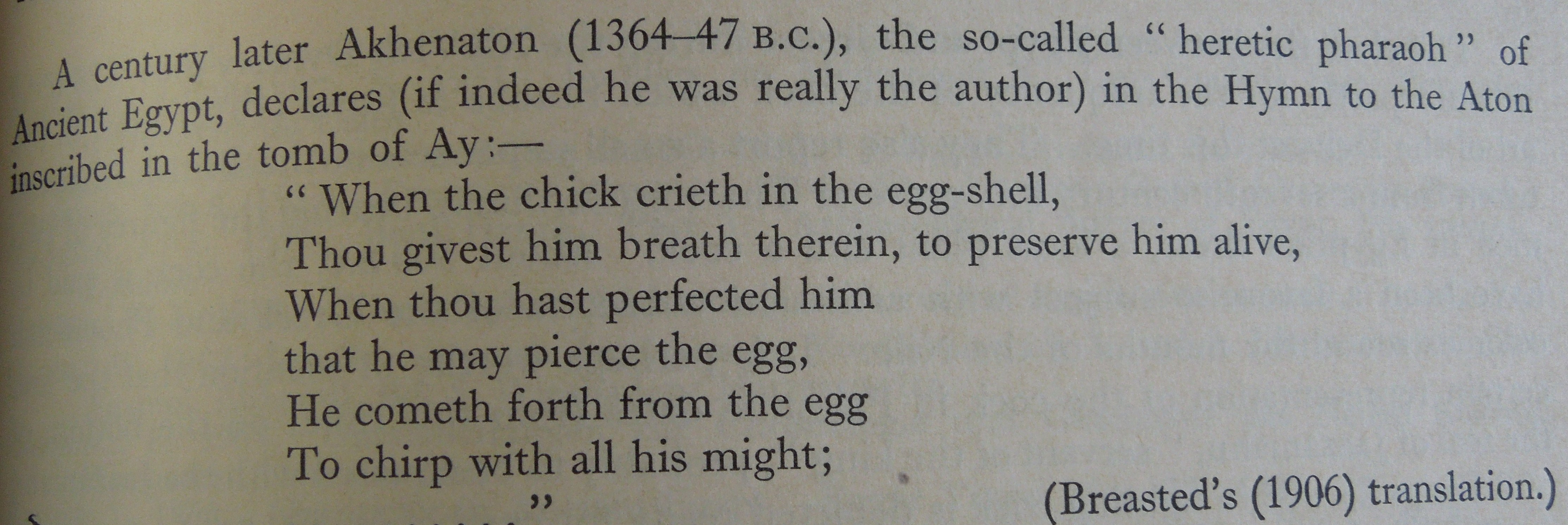
In this first post of the New Year, I thought I’d start off with something fun, and while it’s not scientists performing interpretive dance in the 1950’s, it takes us in another direction combining archaeology and animals – back to the first mention of domestic birds in Ancient Egypt!
I came across J B Coltherd, a scientist at Edinburgh’s Poultry Research Centre’s article, “The Domestic Fowl in Ancient Egypt”, in Ibis, 108 (1966): 217-223 in the off-print series and discovered some interesting ideas on origin of chickens and geese in Egypt and that it could be reference by hieroglyphs depicting the different kinds of birds. In this article, he traces the birds’ history through trade routes and appearances of references in hieroglyphs from different time periods.
According to Coltherd, in 1966, ‘there is no recorded mention of the domestic fowl in Ancient Egypt before the Middle Kingdom (2134-1786 BC). Evidence for its existence there before this time is completely negative. The hieroglyph 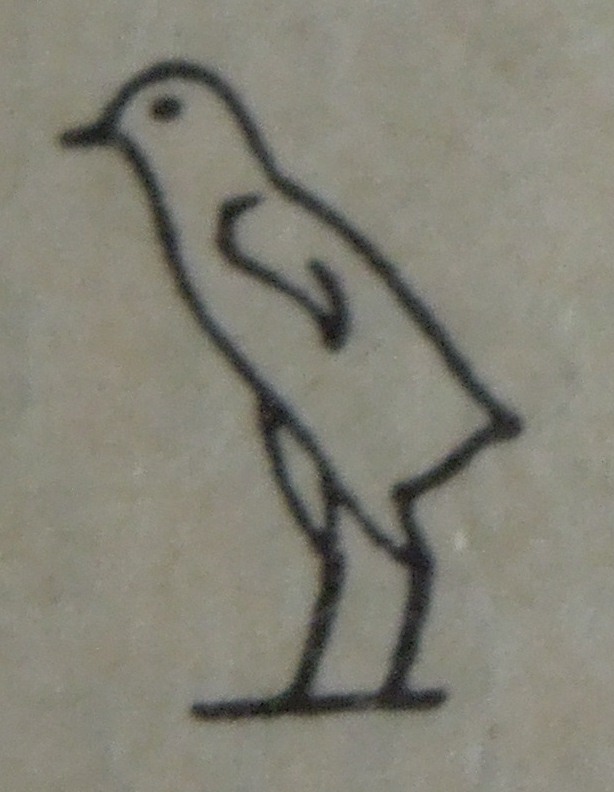 which is found in the earliest inscriptions, and certain peculiarities in the mention of the indeterminate birds, led some early writers to believe that the fowl had already been introduced into Ancient Egypt at the dawn of history, by invaders from Mesopotamia.’
He illustrates the article with several examples:
A goose: 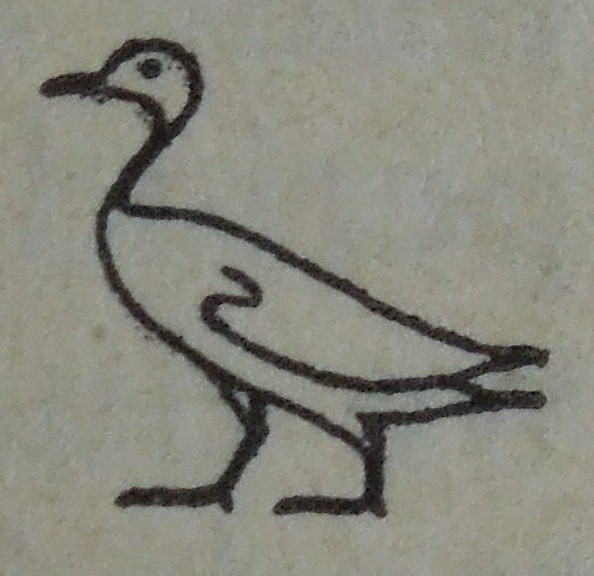 A sentence on how four birds lay eggs every day:
 and a general symbol for birds:
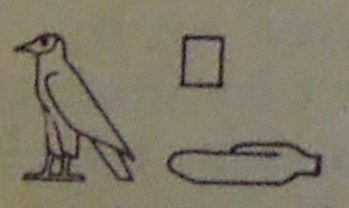 This article would certainly be fascinating to anyone interested in archaeology, Egyptology, as well as biology and animal migration. It would be interesting to know if anyone – scientist or archaeologist – has found any more specific and current information on when domestic fowls were introduced to Egypt. Any ideas – please post!
Dancing Drosophila!
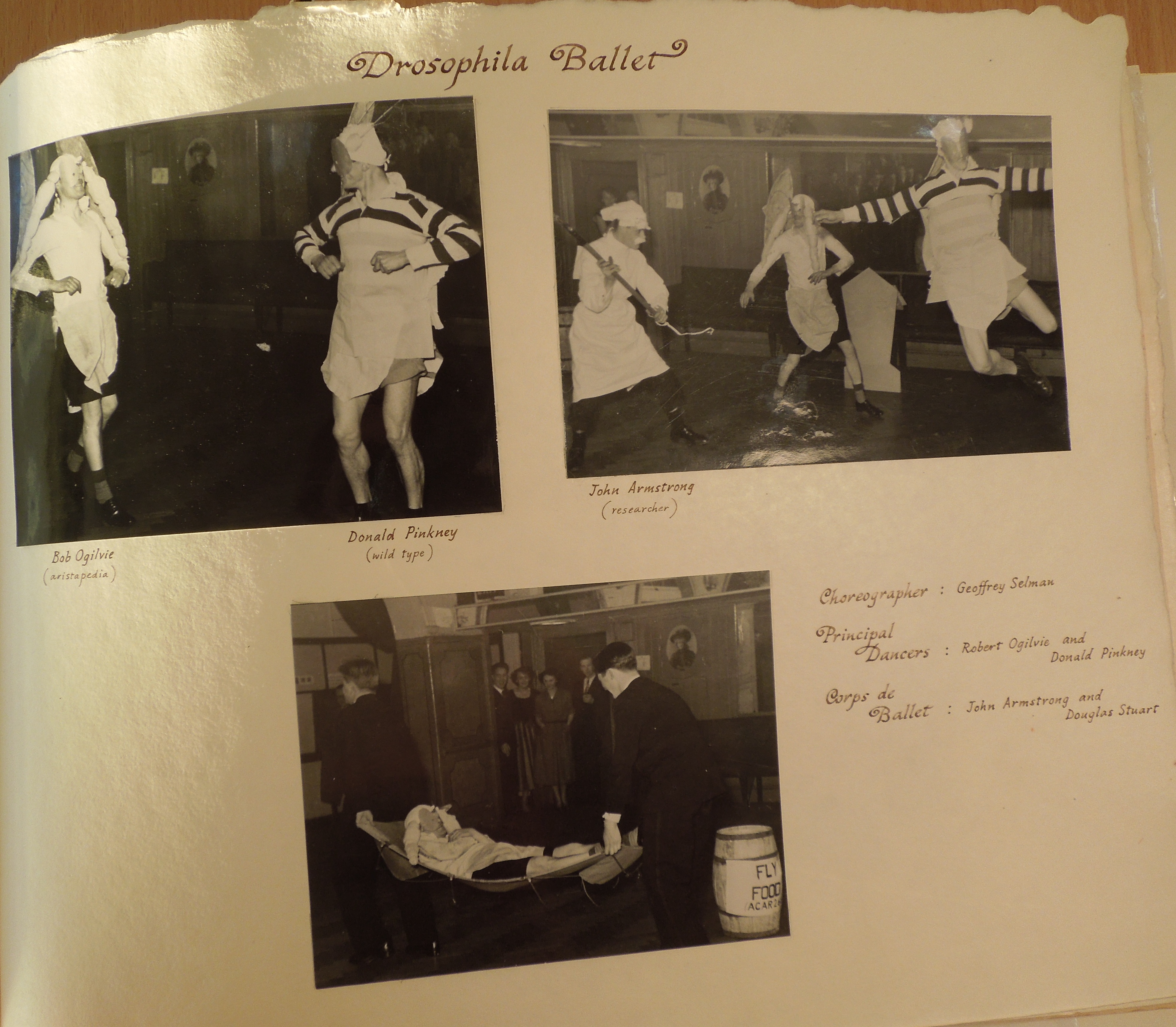
Waddington photograph album: EUA IN1/ACU/A1/5/7
As this will be our last blog post of the year, we thought we’d post something suitably silly to get you in the Christmas spirit! These photographs of a ‘Drosophila ballet’ involving staff at the Institute of Animal Genetics were included in a photograph album presented to C.H Waddington at his 50th birthday celebrations in 1955.
As someone who worked closely with the fruit fly Drosophila (used frequently in genetics experiments), Waddington would no doubt have appeciated the ‘ballet’, which appears to involve various strains of the fly being pursued by a ‘researcher’. It obviously wasn’t all serious lab work at the Institute…
 Festive greetings to everyone, and we’ll see you in 2013!
Mendel: ‘the father of modern genetics’

Institute of Animal Genetics collection (EUA IN1/ACU/A1/4/4)
Before this year draws to a close, it’s worth noting that 2012 marks the 190th anniversary of the birth of Gregor Johann Mendel (1822-1884). Born in what is now Hynčice, Czech Republic, he studied philosophy and physics before entering the Augustinian Abbey of St Thomas in Brno, where he taught physics. At the abbey, he studied meteorology and astrology, but also bred bees and plants.
The experiment for which he is most famed began with the testing of thirty-four varieties of the edible pea plant, followed by eight years of hybridization (1856–1863). Taking seven traits, Mendel followed the hereditary transmission of each, finding that clear statistical regularities emerged. His experiments led him to make two generalizations, the Law of Segregation and the Law of Independent Assortment, which later became known as Mendel’s Laws of Inheritance.
Mendel’s theories of inheritance were not widely accepted at the time, as it was commonly held that characteristics were passed on to the next generation by the traits of each parent blending together. It was not until the early 1900s, when scientists were seeking a successful theory of discontinuous (rather than blended) inheritance, that biologists began replicating- and rediscovering – Mendel’s work. He is now commonly credited as the ‘father of modern genetics’.
This photograph, depicting Mendel (back second left) with his fellow Augustinian friars, is in our Institute of Animal Genetics collection. It was gifted to C.H Waddington in 1965 by a colleague, Raimund Koci, when Waddington visited Brno. As a connection, Arthur D. Darbishire (1879-1915), who was one of the early scientists to attempt to combine Mendelian and biometrical theories in the study of heredity (and who repeated one of Mendel’s pea-crossing experiments), was the first incumbent of the Lectureship in Genetics at Edinburgh University before his early death in World War One. But more of that to follow!
IGAP – Institute of Grassland and Animal Production (1987-1989/90)
 When the new AFRC Institute of Grassland and Animal Production was created on 1 April 1987 it had five research stations: Aberystwyth, including the Bronydd Mawr Research Centre (Trecastle); Hurley, including the Bernard Weitz Research Centre (Arborfield); North Wyke’s Grassland Production and Utilisation Department; Shinfield’s Pig Department and Roslin’s Poultry Department. From, information found in the IGAP Report, 1987, the Institute was designed to:
undertake an integrated programme of strategic and applied research concerned with grassland use and the environmental consequences of farming practices, the production and utilisation of grass and other forage crops and with the nutrition, physiology, welfare and production of ruminants, pigs and poultry and other animals. The objectives of the research are to improve the efficiency of the production and utilisation of feed, and other resources; to improve the predictability of animal performance; to reduce the costs of production of animal products, especially milk, meat and eggs; and to improve the consistency and quality of these products, having due regard for environmental and animal welfare consideration.
At the station in Roslin; however, IGAP shared the site with IAPGR (AFRC Institute for Animal Physiology and Genetics Research) which required a certain amount of restructuring of the laboratories, staff and offices.
One of the major research topics investigated by the Poultry Department at the Roslin station was in improving the efficiency in poultry nutrition and production:
Within the remit for poultry nutrition research, work on the broiler breeder hen and the turkey hen receives a unique emphasis. Nutritional biochemistry is a strong feature of the programme with work on amino acid metabolism in muscle and in lipoprotein and adipose tissue metabolism. Computer simulation techniques are widely used in both biochemical and nutritional studies. The Metabolic Pathology Group brings a range of skills in morphology, histology, histochemistry and ultrastructural studies to the poultry research programme and carries out research into skeletal and other metabolic diseases of poultry.
According to the Roslin Institute’s Library and Information Manager, Mike McKeen in his paper, ‘Roslin Institute Online: A brief history of Roslin Institute,’ (November 1994; Rev. April 2008):
In the original reorganisation at Roslin the nutrition, biochemistry and pathology programmes of PRC were incorporated into the Institute of Grassland and Animal Production. The IGAP Poultry Department remained on the former PRC site and was subsequently incorporated into IAPGR in 1990 on the creation of the present Institute of Grassland and Environmental Research (which was itself transferred to Aberystwyth University in April 2008).
It’s been fascinating to follow the history and development of the various institutes over the course of time and seeing how they overlap and merge!
C.H Waddington: inspiring new creations
 Guest bloggers Mhairi Towler and Paul Harrison write how using the Waddington archive inspired their artwork
Clare Button, project archivist for ‘Towards Dolly’ has invited myself, Dr Mhairi Towler, and Dr. Paul Harrison (http://www.paulliamharrison.co.uk) to contribute a guest blog in relation to the work we have been carrying out on C.H Waddington. I have just completed a Masters in Animation and Visualisation at Duncan of Jordanstone College of Art and Design in Dundee (http://mhairimastersproject.wordpress.com/) and as part of this course studied under Dr. Harrison on placement at the Visual Research Centre, University of Dundee (http://www.dundee.ac.uk/djcad/vrc).
Dr. Harrison was invited to be involved as artist in residence with a newly funded FP7 European community-funded network of excellence entitled ‘EpiGeneSys’, which includes 22 partners across Europe (http://www.epigenesys.eu). EpiGeneSys combines interdisciplinary research into epigenetics and systems biology, and work is required to visualise this ground-breaking interaction in both a specialist and public context. Dr. Harrison’s project, ‘Epigenetic Landscapes’, fits into a work package on ‘Science and Society’, with the aim of developing a series of collaborative initiatives at network centres throughout Europe. Outputs, over a period of five years, will include several associated events and productions, such as exhibitions, workshops and publications – one of which will include a retrospective/reappraisal of the work of Conrad Hal Waddington, who first established the term ‘epigenetics’.
During our exploration of Waddington’s work we visited Special Collections at Edinburgh University Library to gain inspiration from the Waddington archive held there, in order to develop animations. When writing about his concepts, Waddington regularly described them in three dimensions; therefore it wasn’t too difficult to get into his way of thinking and visualise illustrations in 3D form. From the archive, two images were chosen to produce visual outcomes.
The first was the famous, “Epigenetic Landscape”, described by Clare in a previous post. This was developed into an animation with help from one of my classmates, Link Li. A still from the animation is shown below along with a photograph of the original:

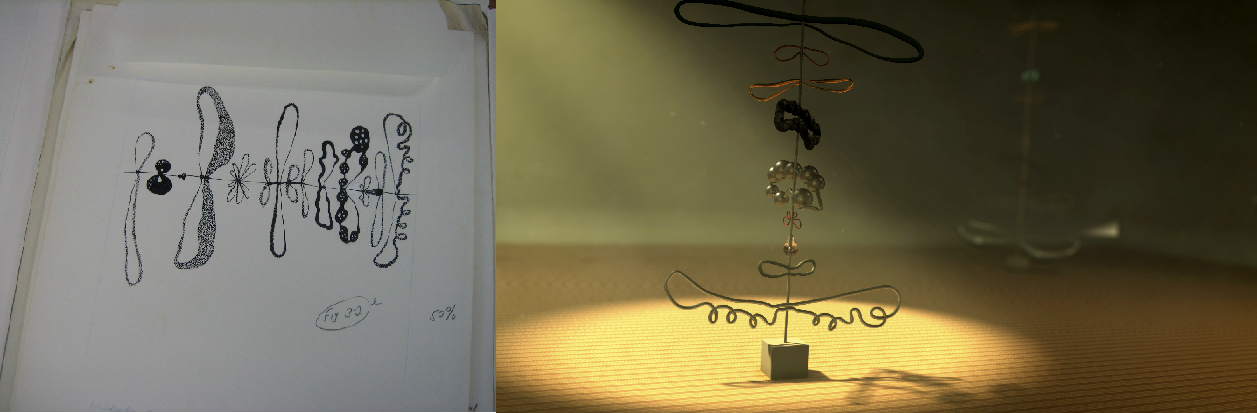
Secondly, an illustration of a lampbrush chromosome (a structure that forms inside a developing egg) from Waddington’s 1956 book, Principles of Embryology, was used as the basis for a short animated film, Chromonema, made for my Masters project. Again, the original illustration from the archive and a still from the film are shown below:
Being able to access the Waddington archive for this project was highly beneficial and gaining further insight into the life and work of Waddington was extremely interesting.
Please see the following blog for further documentation of the project. http://placementmodule.wordpress.com
– Dr Mhairi Towler, with thanks to Dr Paul Harrison
Expression of Exogenous DNA and Chick Embryos
Margaret Perry, David Morrice and Helen Sang’s article, ‘Expression of exogenous DNA during the early development of the chick embryo’ in Roux’s Archive of Developmental Biology, Vol. 2, 1991, p. 302-319, discusses how they created a ‘plasmid construct containing the reporter gene, lacZ, under the control of the cytomegalovirus immediate early promoter, [which] was injected into the germinal disc of fertilised chick ova.’ The image, Fig. 2a, b, shows a ‘whole mount of a chick embryo at mid-cleavage (Stage IV) following injection of a lacZ gene construct (pHFBGCM) into the fertilised ovum, in vitro  culture and 5-bromo-4chloro-3-indolyl-beta-D-Galactoside (X-gal) staining for beta-galactosidase. Stained blastomeres are present in the centre of the blastodisc (a). They vary in size and intensity of staining, and some are stained in the perinuclear zone (b). According to the article, the ‘results provide supportive evidence for transcriptional activity during the cleavage stages of avian development. They also confirm previous findings on the loss of exogenous DNA during the early development of the chick.’
As you may be aware, cell staining is a technique used by scientists in order to better visualise cells and their components under the microscope, and this example demonstrates both aspects admirably. While scientifically it allows for a clearer understanding the stages of avian development, it also seems to have an artistic component as well!