Transgenic sheep – genetic engineering at ABRO

Since this is called the ‘Towards Dolly’ project after Dolly, the cloned sheep, created by scientists at the Roslin Institute, I was excited to find this article ‘Germline Manipulation of Livestock’ by ‘research workers’:  J. O. Bishop, A. L. Archibald, A. J. Clark, R. F. Lathe, J. P. Simons, and I. Wilmut on creating transgenic sheep in the 1986 Annual Report from the Animal Breeding Research Organisation. The article discusses the various new methods of changing animal genotypes that were recently developed. Also, how ‘a gene can be isolated from an animal or from man, altered in the laboratory, and introduced into individuals of the same or a different species of animal (usually a mouse) where it becomes incorporated into the genome and usually breeds true. Animals which have received genes in this way are said to be ‘transgenic’.’ Amongst the topics mentioned are: gene expression, cloned genes, focusing on mammary glands, the choice of sheep breed, proteins of commercial value, altering the composition of milk and ideas for the future.
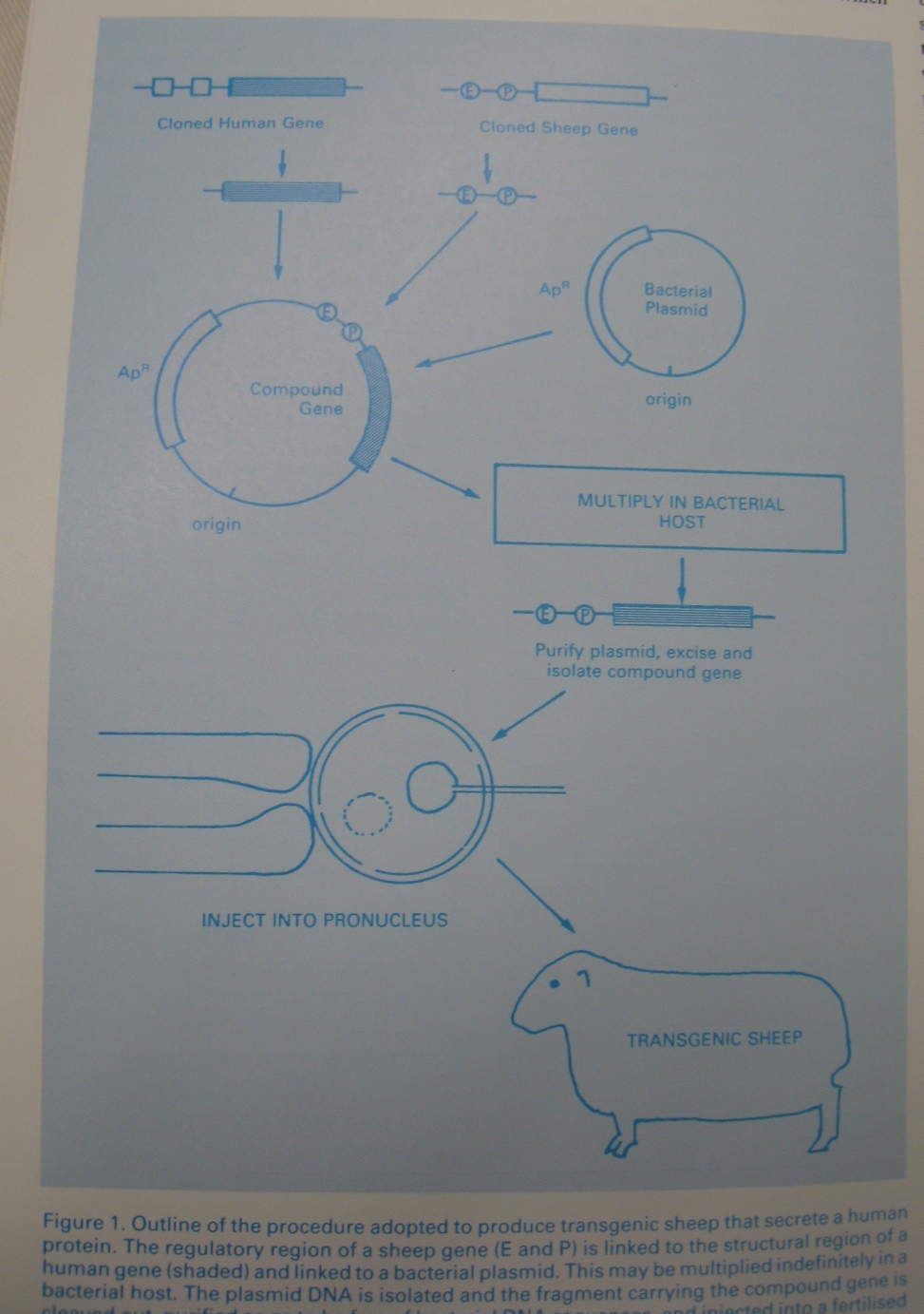
I love the simplicity of the diagram showing the procedure to produce transgenic sheep!
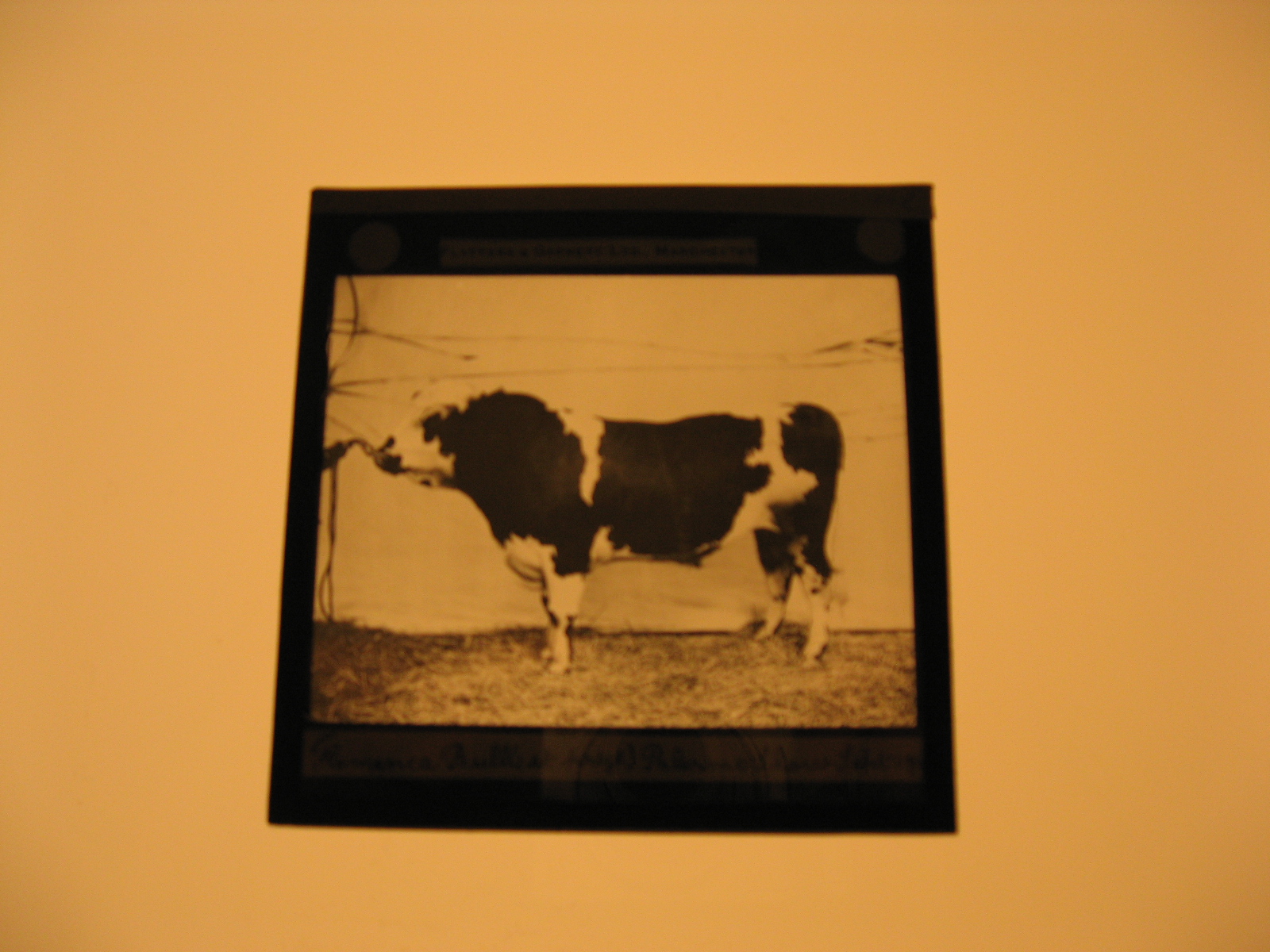
A unique visual collection

This slideshow requires JavaScript.

Back in a previous post I mentioned the work our wonderful conservators do to repair, rehouse and preserve archival materials to ensure that they survive for future generations to enjoy.

Possibly the most unique and unusual part of the material that will be catalogued and made available as part of the ‘Towards Dolly’ project is the collection of nearly 4,000 glass positive slides, dating from around 1900. These slides had previously been stored in large poultry sheds on the site of the Roslin Institute, and depict various plant and animal specimens (pictured), some perhaps from breeding competitions, as well as agricultural, scientific and industrial scenes from around the world. Quite a find!

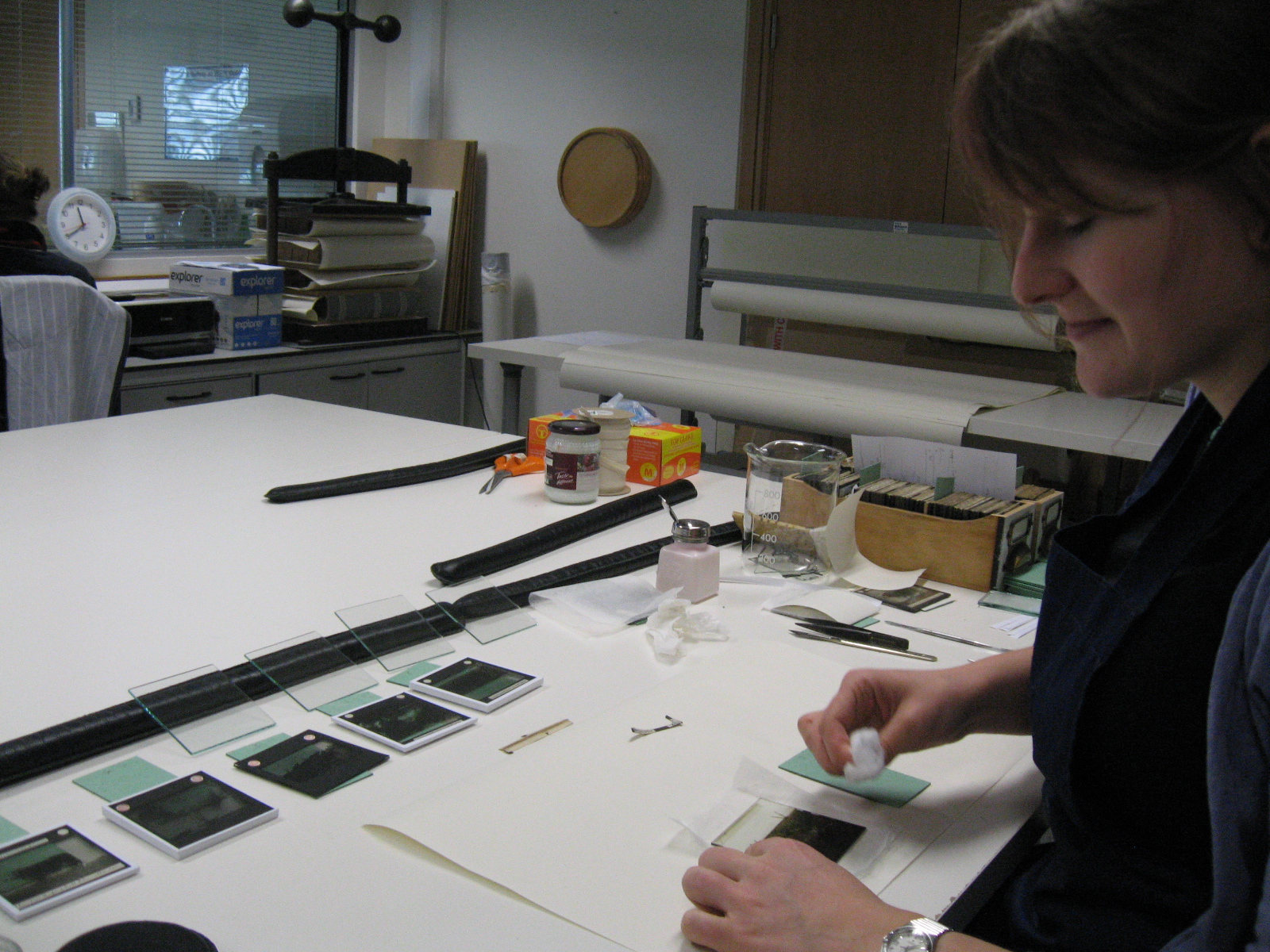
Considering their age and their conditions of storage, the slides were in remarkably good condition, apart from around 200 which were badly damaged and cracked. This is where our conservators come in: Caroline and her assistant Anna (pictured) have been working hard over the past month or so to repair and rehouse these damaged slides, replacing the cracked glass, providing a robust frame for each slide to sit in and housing the slides in new boxes.

At present we have little idea what this slide collection may have been used for, or to whom they belonged. Later on in the project, Rare Books Cataloguer Kristy will be cataloguing these slides and we hope to eventually make them available digitally as a valuable resource not just for scientific research but also for historical, sociological and visual and artistic studies.

If anyone has any idea about these slides, or would like to know more about them, do get in touch!

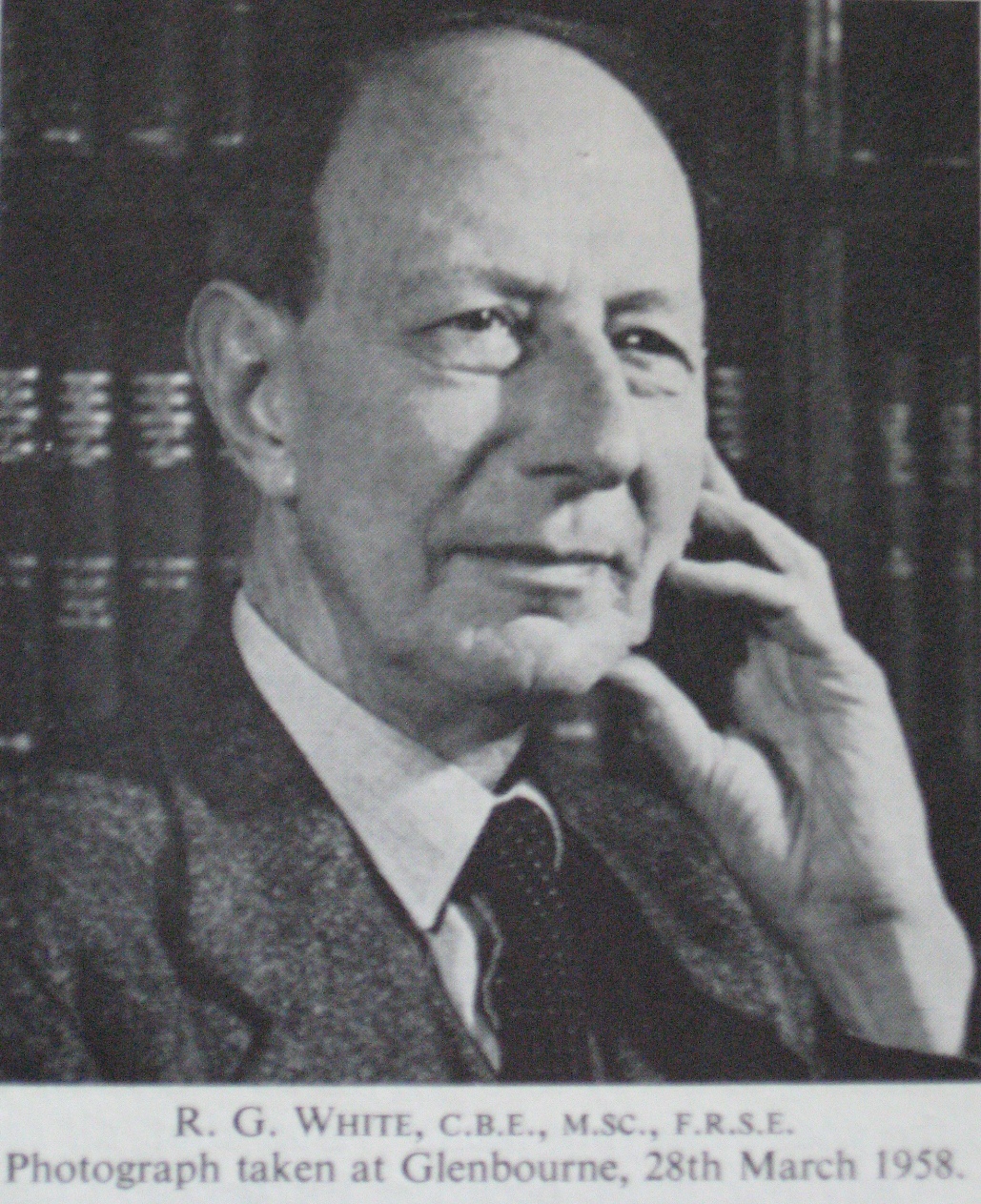
Professor Robert George White, C.B.E. (1885-1976)

The first Director of ABRO was Professor R. G. White who held the post from 1945 to 1950 and afterwards held a consultancy post there until 1958. He had a special interest in farms and their management.  In 1943, when the Agricultural Research Council was considering the future of animal breeding research, Professor White, with his background in farm management and animal breeding, was asked to be the first director of NABGRO (later ABRO)in 1945. The organisation’s first project was the establishment of the Pig Station at Mountmarle and the Field Laboratory at Dryden.  Another project that Professor White was involved in at ABRO was to develop the farm at Aber which had both arable and ‘mountain’ land conditions. With his interest in animal breeding, Professor White used the Aber farm to breed a highly improved version of Welsh Mountain sheep that produced better wool and carcass traits. Additionally, this farm was used to improve the quality of ‘hill land’. According to his obituary written by H. P. Donald in the ABRO Annual Report from 1977, Professor White was interested in ‘the basic principle of matching the genotype to the environment…’.

Art Imitating…Science?


Conrad Hal Waddington, whose papers I am currently cataloguing, had interests which went far beyond science and genetics, as can be seen from an essay he wrote in 1923 while still at school. Titled ‘Alchemy’, it contains a history of the subject as well as some hand drawn occult illustrations (as depicted).

In fact, Waddington had a wide variety of interests throughout his life, including art – so much so that he published a book on the subject in 1969, Behind Appearance – as well as architecture (he married the architect Justin Blanco White). As well as appreciating art for its own sake, Waddington liked to see the scientific in art and the art in the scientific. In a lecture called ‘Form and Pattern In the Biological World’ (which Waddington delivered to the Architectural Association on 29 May 1958), Waddington commented:

Many recent writers on biological form have emphasised the fact that living things often produce shapes which are rather precisely geometrical, and which in fact come  near to belonging to the realm of intellectual abstract configurations.

And as you can see from the pictures, Waddington was not short of some artistic talent himself!

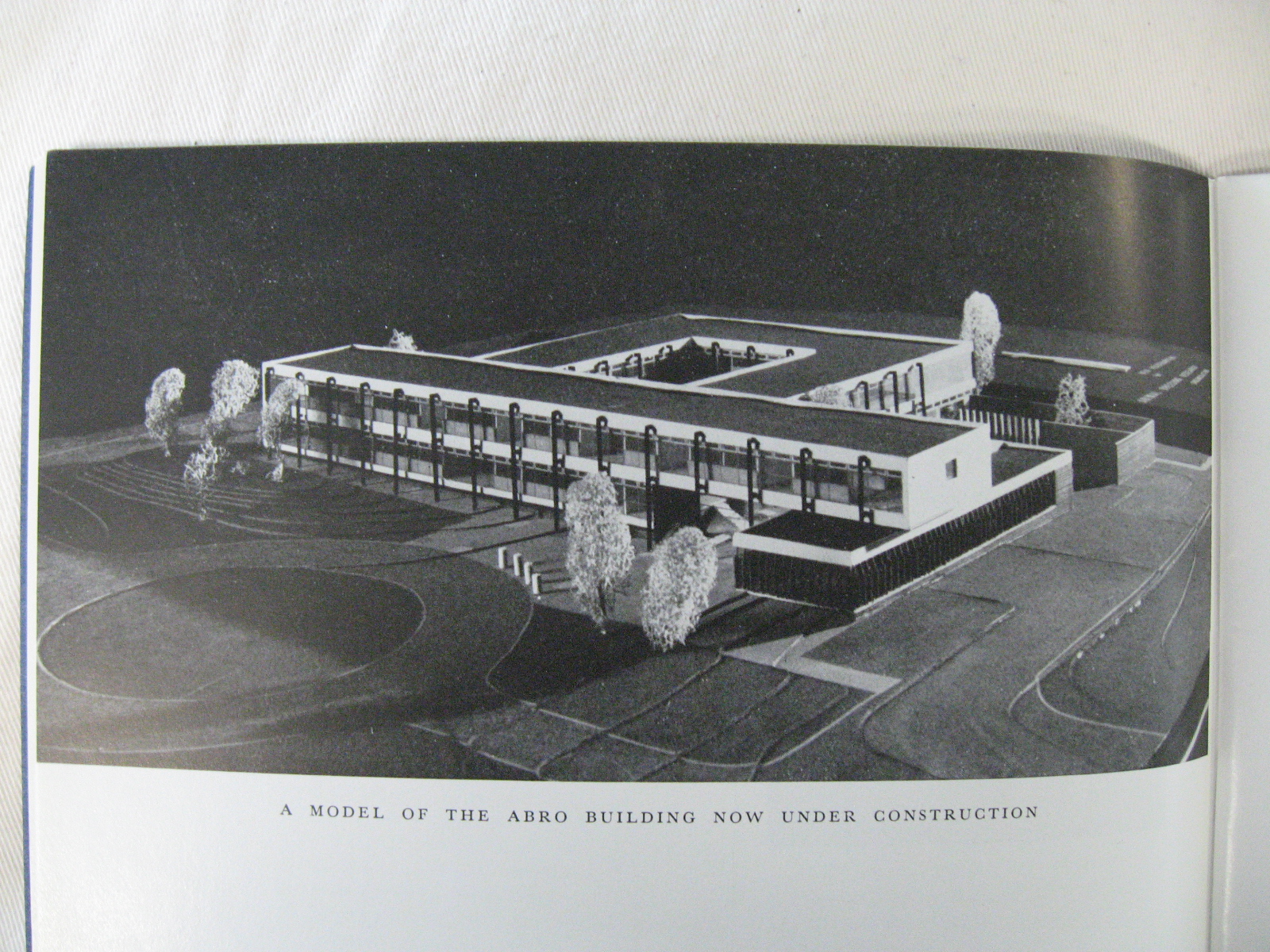
ABRO – The Animal Breeding Research Organisation

While the Institute of Animal Genetics originated in the early 1900s, the Agricultural Research Council formed the National Animal Breeding and Genetics Research Organisation (NABGRO) in 1945 which housed the Institute directed by Conrad Hal Waddington. In 1946, it was renamed the Animal Breeding and Genetics Research Organisation (ABGRO) and was co-directed by Waddington (animal genetics) and Hugh P. Donald (animal breeding).  Then, in 1951, Donald was appointed Director of the renamed Animal Breeding Research Organisation (ABRO). This happened when the Agricultural Research Council decided that there was a need to fund research in the area of genetic livestock improvement and so two organisations were established at the University of Edinburgh both undertaking theoretical and experimental research in quantitative genetics relevant to livestock improvement.

ABRO’s research activities involved a combination of laboratory and field work and covered various areas from ‘breeding mice for milk production, learning by immunological and biochemical methods what “blood will tell”, and climatological studies on sheep.’ It was also very involved in researching female reproduction since that is one of the main focuses for exploitation by the livestock industry. So, a great deal of research was conducted on the ‘behaviour of mammalian eggs, on the transfer of antibodies between dam and foetus, or on birth weights and survival ‘, other aspects of maternal performance; twinning in cattle, sheep and humans, in the structure of breeding populations and in the relations between individual and progeny performance shown by a range of different animals.  In addition to their research in animal genetics and livestock improvement, the scientists at ABRO were extremely knowledgeable in various aspects of practical farming and animal breeding.

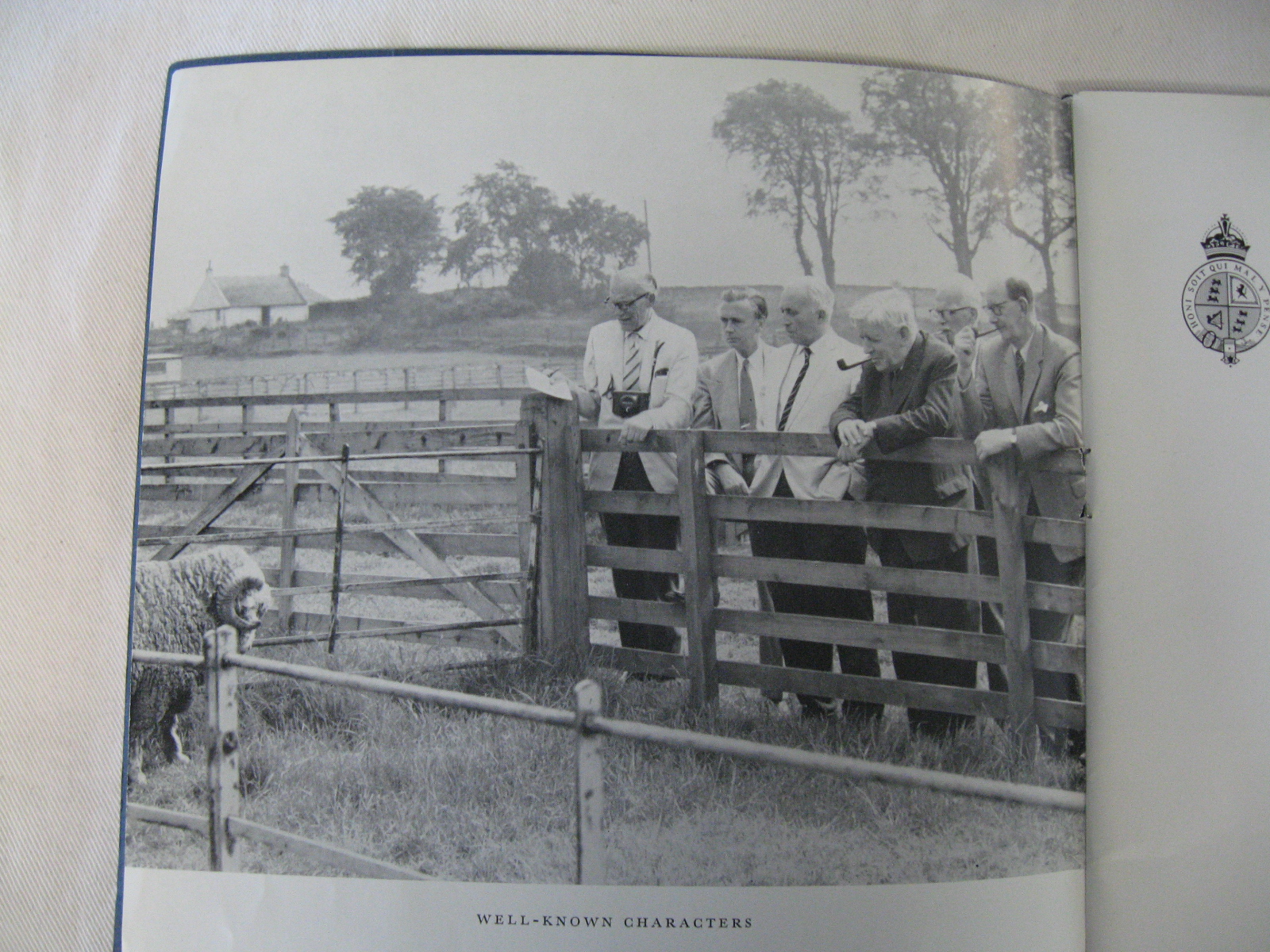
Here’s a lovely photograph from 1968 of some of the ABRO scientists with one of their sheep!  Unfortunately no one in the photograph was identified, so if anyone knows who any of them are (even the sheep), please post a reply!

Preserving the Past

When you consider archives and printed collections, you might immediately think of the information they contain, but you may not necessarily consider what surrounds this information, such as the pages or book covers. If both aspects are not cared for, all can be lost. This is why a crucial part of our job on the ‘Towards Dolly’ project is not just to catalogue the collections, but to preserve them. Some of the material we encounter is fragile, damaged and in need of careful handling, cleaning and repackaging to ensure that it is preserved in the best condition possible, for as long as possible. Many of the items are nineteenth or early twentieth century, so they are not only old but may also have previously been treated roughly or stored in unsuitable conditions.

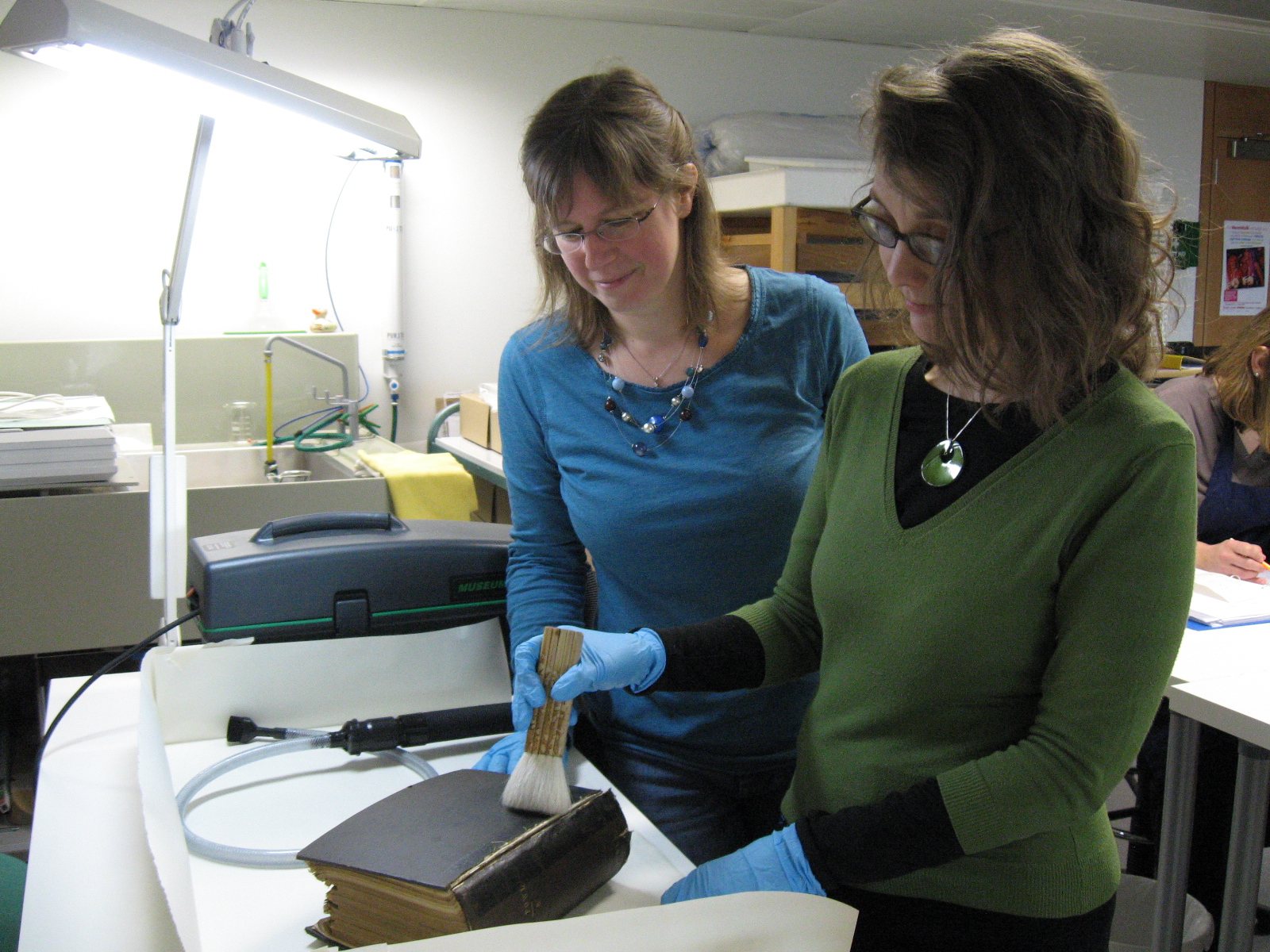
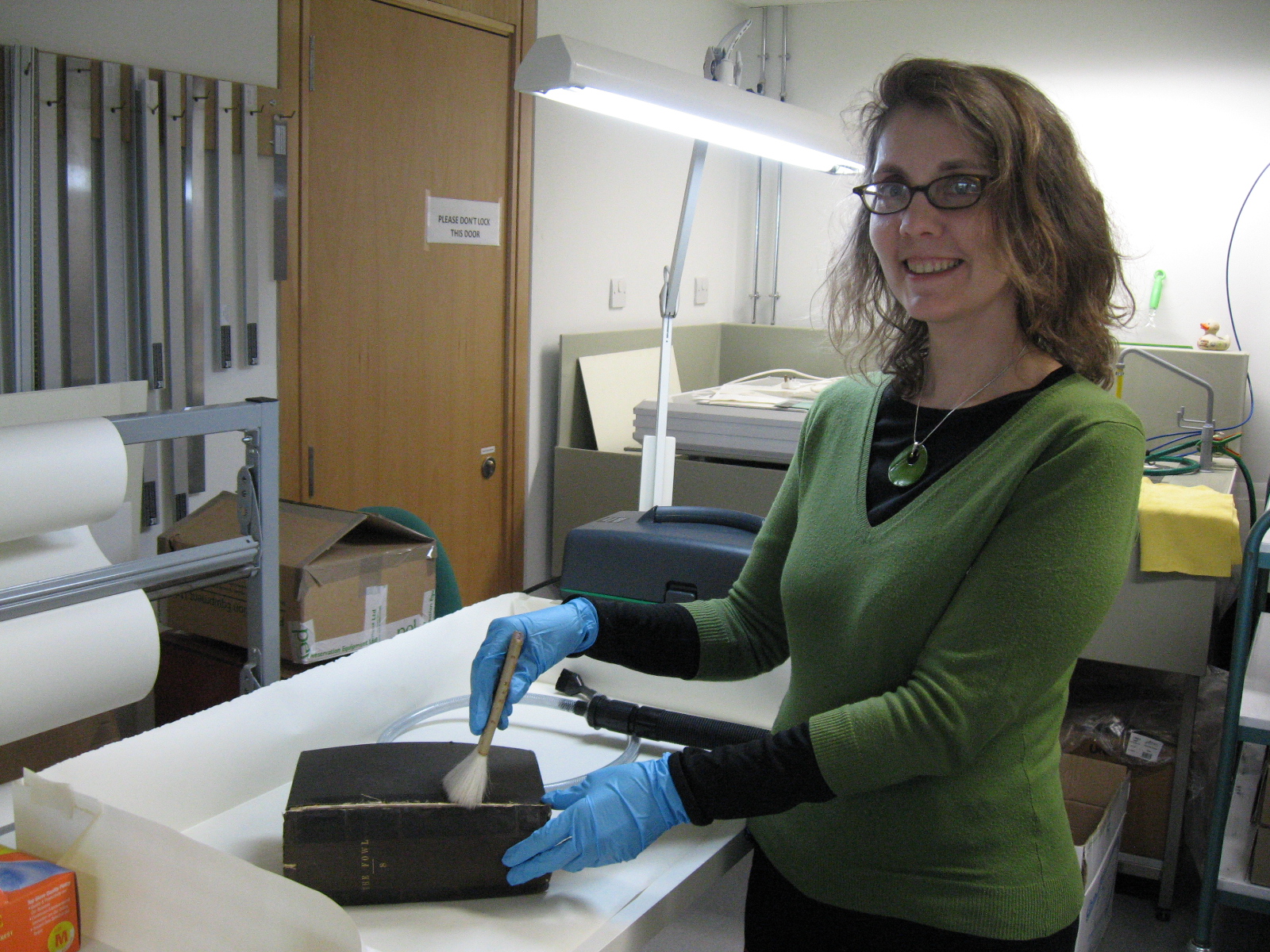
A few weeks ago, Kristy Davis (the project’s Rare Books Cataloguer) and I received some preservation training, provided by professional conservator Caroline Scharfenberg of Books and Archive Conservation Services Ltd, who also conducts work for Edinburgh University Library. Caroline trained us on the correct procedures to handle and clean items without causing further damage to them, such as using specialist brushes to clean the covers and pages of volumes. In the picture you can see Kristy using the brushes to clean a fragile volume of offprints from the collection of early geneticist Francis Albert Eley Crew (1886-1973).

These preservation techniques seem basic, but the impact they can have is huge! Whether cataloguing these collections or performing some simple ‘TLC’, it is all part of the same thing – that is, ensuring that these important collections are made available for future generations to learn from and enjoy.


Animal Genetics and the Textile Industry

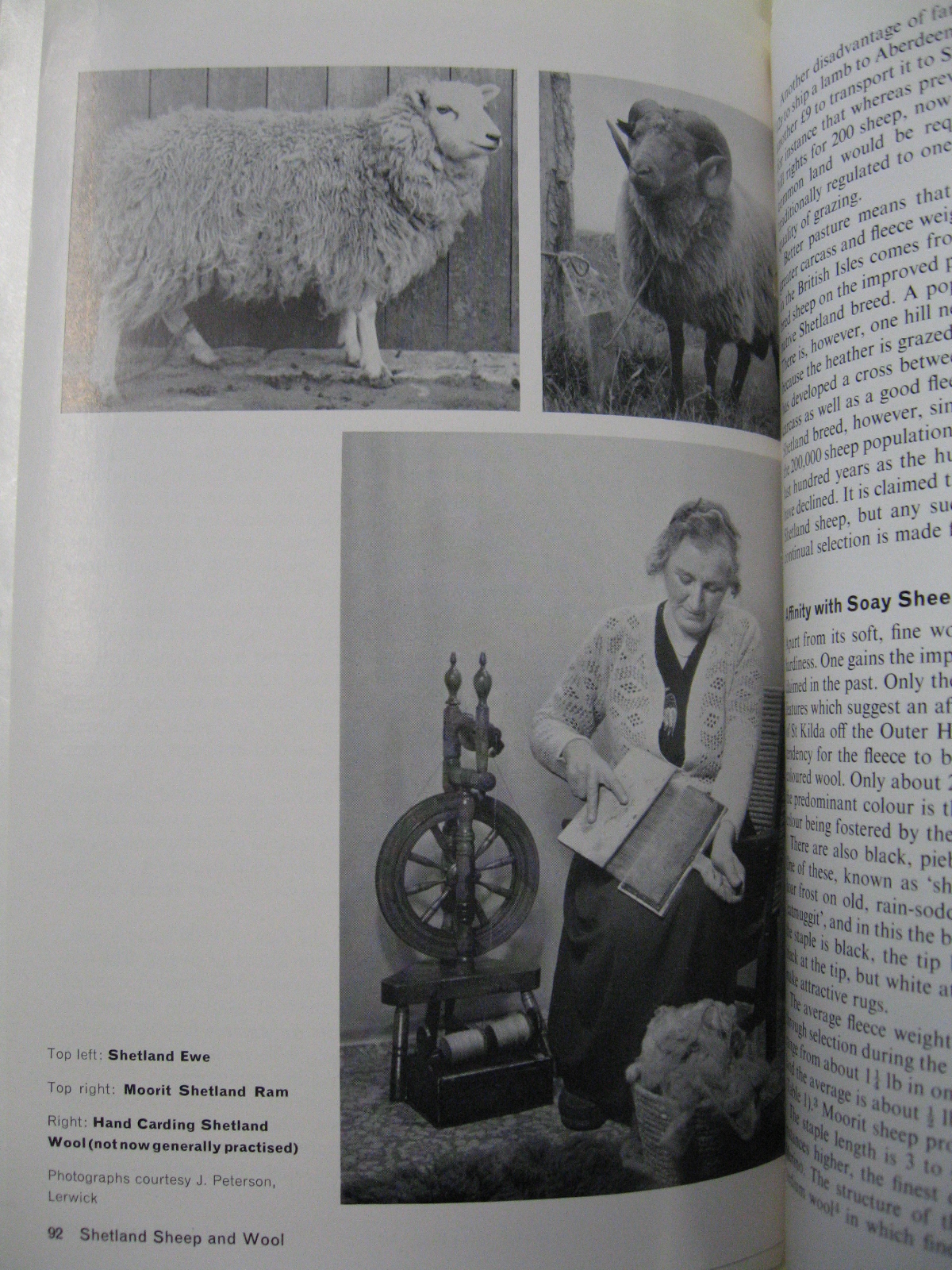
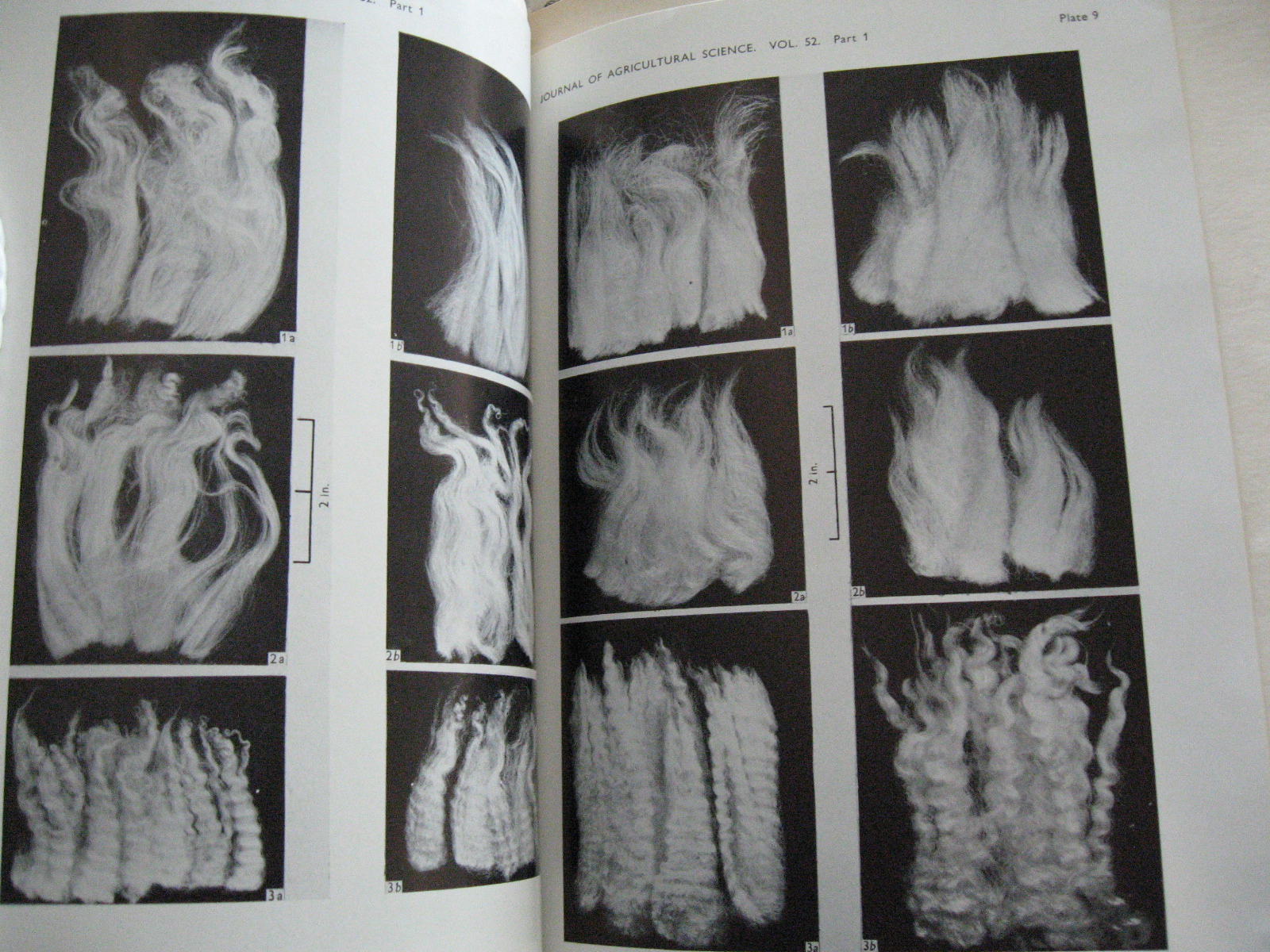
One of the most interesting things I’ve found in cataloguing the off-print articles collected by the scientists at the Roslin Institute is the variety of areas in which animal genetics can be applied. It can range from animal breeding to cloning and from food production to the textile industry among other many other things. For example, Dr. Michael L. Ryder, a biologist and textile fibre consultant who worked at Animal Breeding Research Organization, Edinburgh in the 1960s and 1970s, wrote many interesting papers on sheep and the wool and textile industry from prehistoric times up to the late 20th century. His articles, in journals ranging from Animal Production to The Journal of the Bradford Textile Society discuss findings from historical records and biological data such as techniques for identifying the animal fibres in pre-historic cloth to studies on environmental conditions on wool fleece structures. Shetland Sheep and Wool

Some particular articles of interest by Dr. Ryder are:

  •  “Sheep and wool in history”, Journal of the Bradford Textile Society, 1962-1963, p. 29-43 (GB 237 Coll-1362/1/159);
  • “A late Bronze Age find from Pyotdykes, Angus, Scotland, with associated gold, cloth, leather and wool remains”, Proceedings of the Prehistoric Society Vol. XXX, 1964, p. 186-198. (GB 237 Coll-1362/1/169)
  • “Sheep and the Clearances in the Scottish Highlands : a biologist’s view” Agricultural History Review, British Agricultural History Society, Vol. 16, Part 2, 1968, p. 155-158. (GB 237 Coll-1362/1/284)

Once they’re made available to researchers, these articles will provide a fascinating insight on the history of woollen textiles!

Cover star!

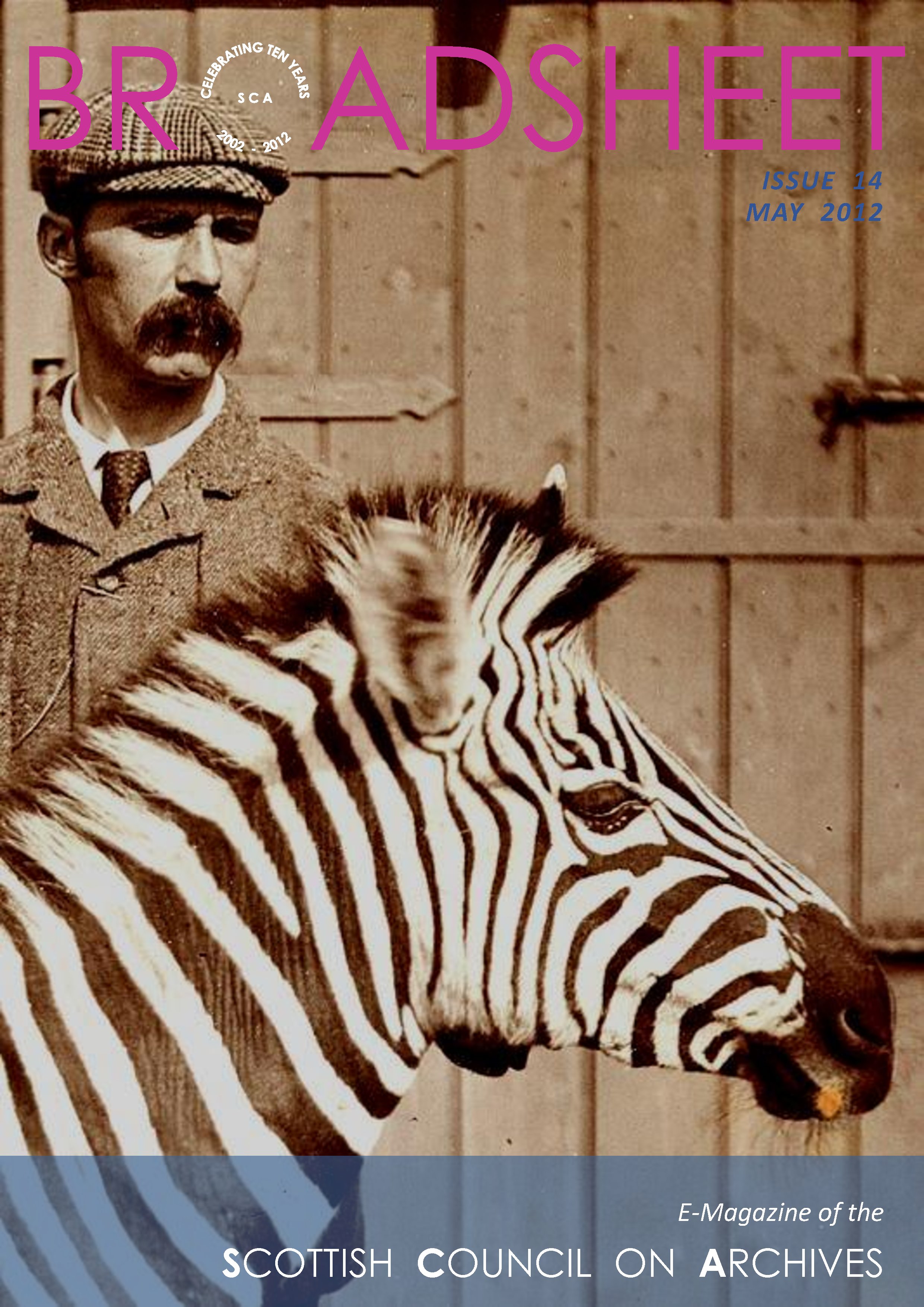
We are delighted to be the cover feature of this month’s issue of the Scottish Council on Archives‘ Broadsheet newsletter! The rather serious looking gentleman in the picture is zoologist James Cossar Ewart (1851-1933), and his striped companion was one of the animals Ewart used for cross-breeding around the time of his famous Penycuik Experiments (1899). Ewart’s papers will be catalogued later on in the project – in the meantime, keep your eyes peeled for more of our project in print…

‘Towards Dolly’ also features on page 2 of the newsletter – download and read it!

Do Androids Dream of Electric Sheep?

Well, while that may be a question open to debate in another forum, science fiction became fact when Roslin Institute geneticists ‘dreamt’ of cloned sheep and created ‘Dolly’ in 1996. As the Rare Books Cataloguer for the Towards Dolly project, I’m  currently cataloguing and enhancing records of ‘off-prints’, or articles, that the scientists wrote and collected in bound volumes (and some loose!) from the Animal Breeding Research Organisation (ABRO) beginning in 1947 up to the Roslin Institute in 2007 before continuing on to the book collection and glass plate slides. It’s evident from the variety of research articles in these volumes that these scientists were interested in more than just sheep! Many of these off-print article discuss ideas from breeding issues and genetic abnormalities to ways to improve the meat quality of bacon and wool growth for the textile industry. This material provides a fascinating insight into the development of genetics research over the years and I look forward to finding out how it all progresses!Image