Roslin Glass Slides on Display in Masterpieces III Exhibition

An exciting exhibition has just opened here in the Main Library at the University of Edinburgh –  Masterpieces III – highlighting items from the University’s collection from the perspective of science and medicine. I??????????t’s open from April 5th to July 6th, 2013 at University of Edinburgh’s Main Library on George Square on the lower ground floor with hours from 10am to 5pm Monday through Saturday. See the blog for even more information and images.

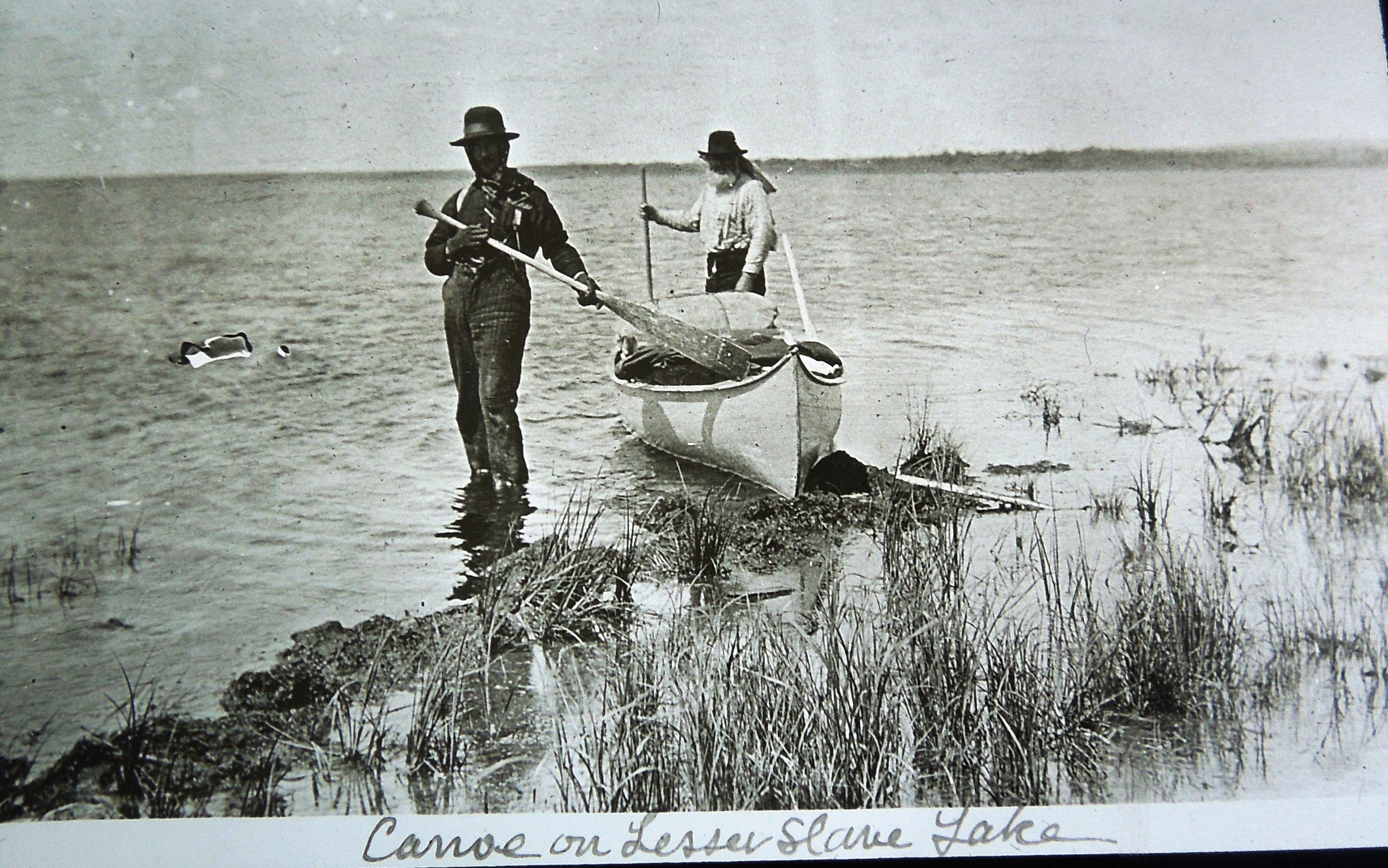
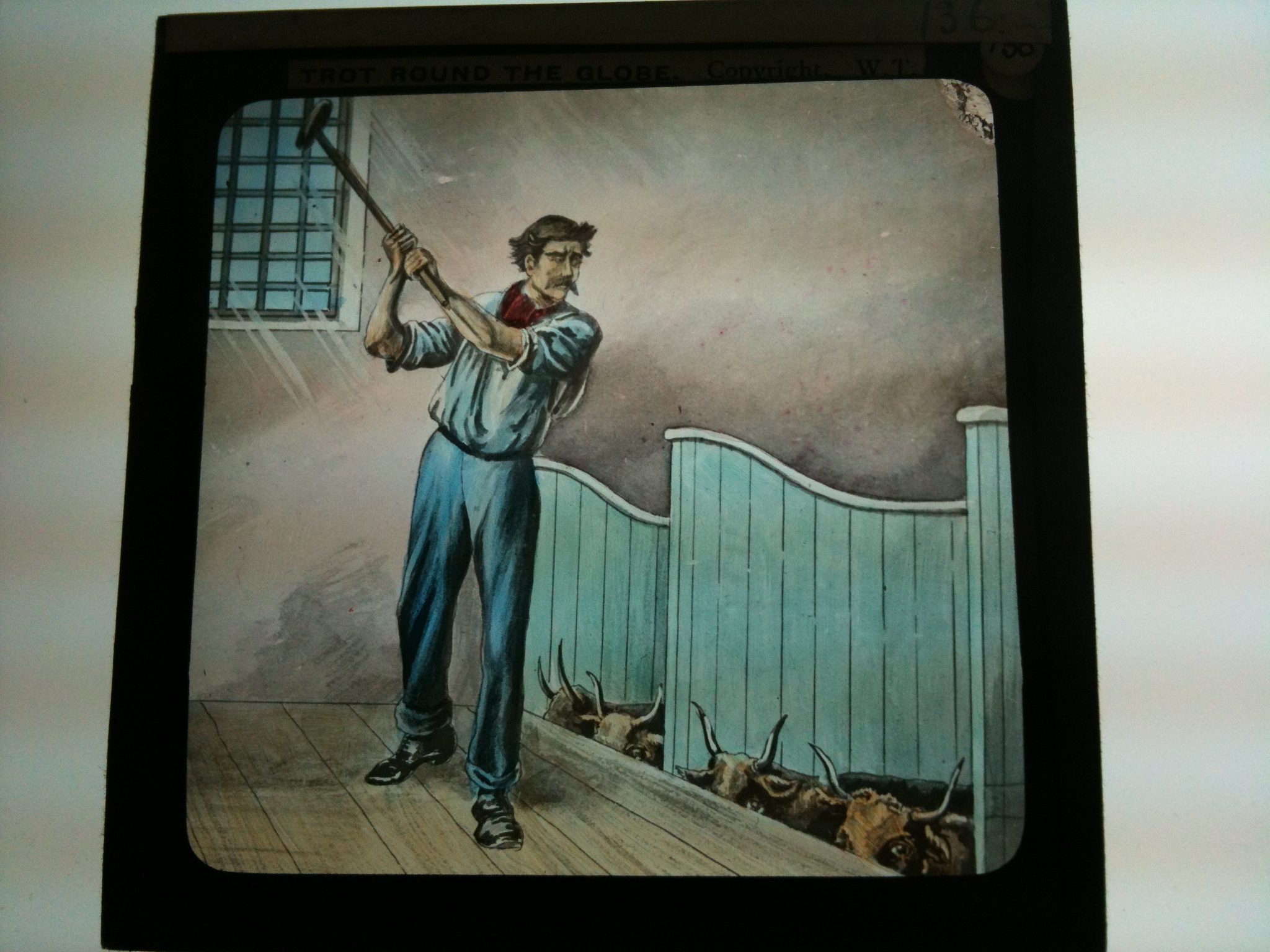
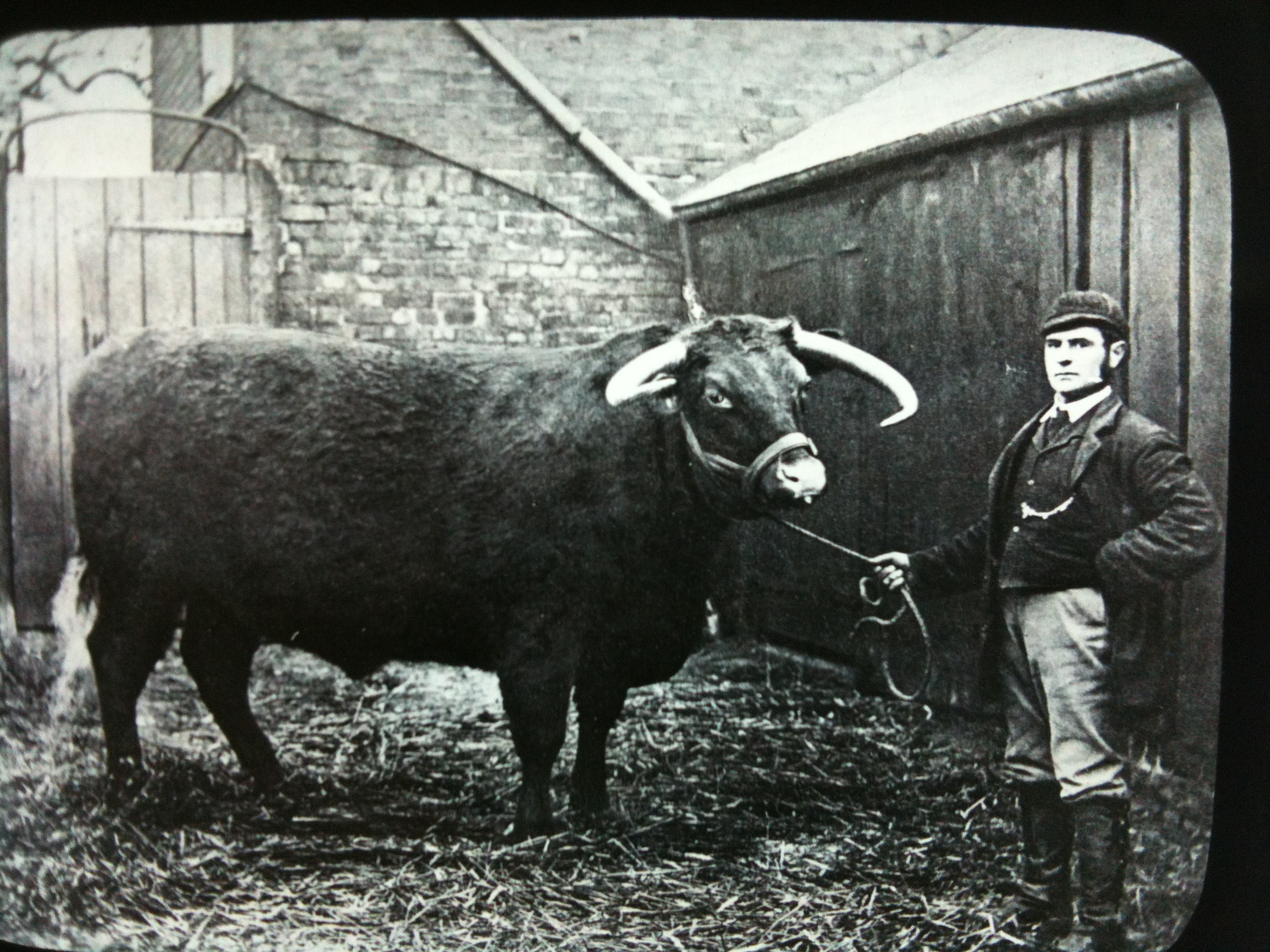
Since the themes of the exhibition are ‘Science as Art’, ‘Science as Innovation’ and ‘Science as Statement’, it was a perfect opportunity to showcase some of the Roslin Glass Slide collection. So, in the exhibition you can see 26 of the glass slides on display illustrating the diversity of the collection and highlighting the scientific and research interests of James Cossar Ewart and Professor Robert Wallace.

Hopefully you can visit the exhibition and see the slides and other items on display for yourselves. Enjoy!

Letters in the Limelight: stolen birds’ eggs and ‘the curse of ornithology’

Cataloguing the correspondence of zoologist/animal breeder James Cossar Ewart (1851-1933), I have been intrigued by the various ‘life stories’ which emerge from the letters. Periodically I will be including some highlights in a series of posts entitled ‘letters in the limelight’ .
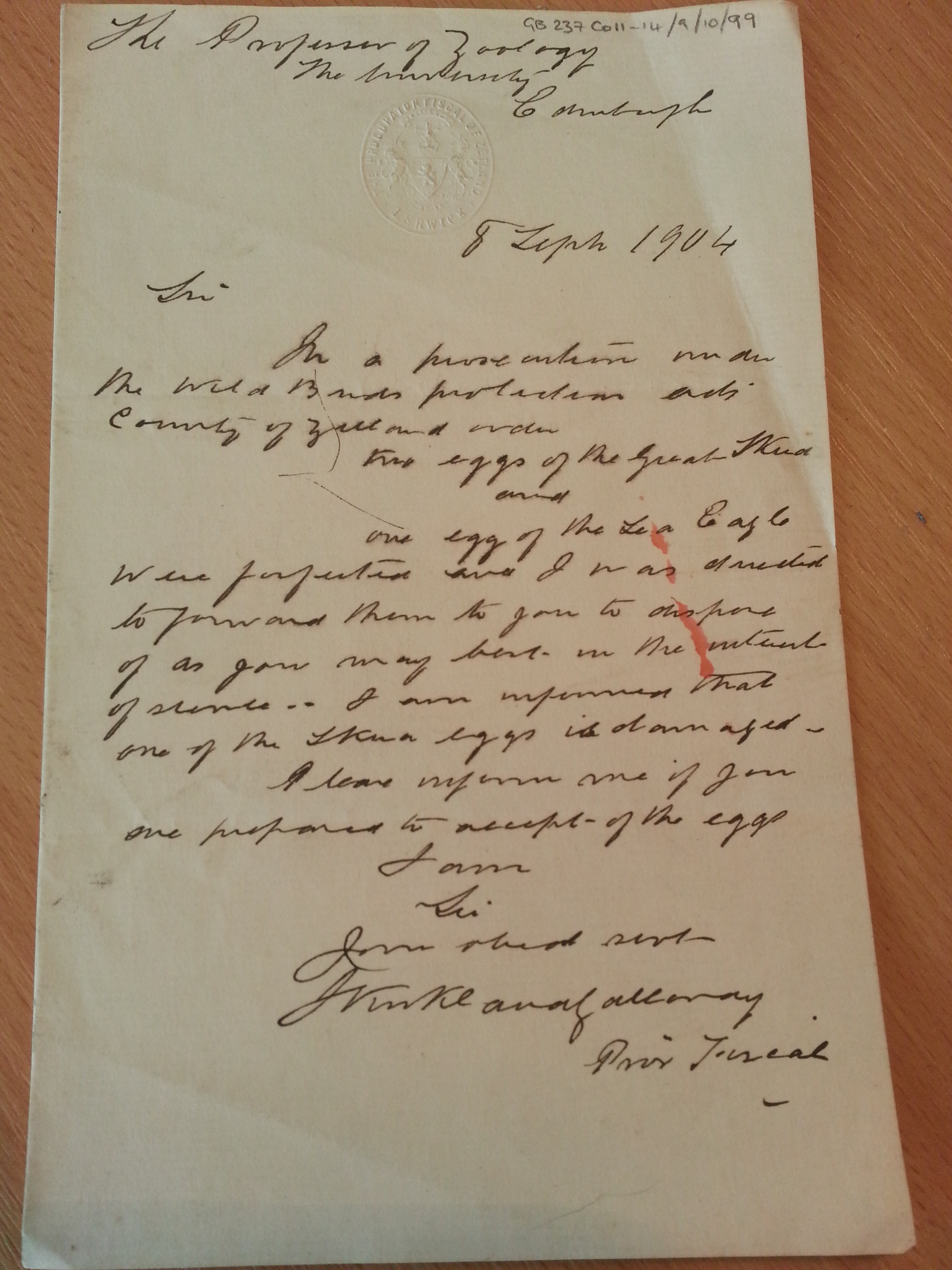
Coll.14.9.10.99 Zetland eggsAs the Easter weekend approaches, we have eggs on the mind (albeit mostly of the chocolate variety) so this week’s ‘Letters in the Limelight’ follows this theme (eggs that is, not chocolate). A letter sent to James Cossar Ewart on 8th September 1904 from J. Kirkland Galloway, Procurator-Fiscal of Zetland (Shetland), concerns the prosecution taking place in Shetland under the Wild Birds Protection Act. Kirkland-Galloway describes the taking of two eggs of the Great Skua and one egg of the Sea Eagle and writes that he has been instructed to send the eggs to Ewart ‘to dispose of as you may best in the interest of science’.  The ornithologist William Eagle Clarke wrote earlier to Ewart (28th July 1904) to suggest that the Edinburgh Museum of Science and Art, where he worked, might be the best place for the eggs. He angrily comments that egg-lifting ‘is a senseless business and is the curse of ornithology.’

Historically, the effective protection of birds and their eggs was a gradual process.  The Wild Bird Protection Act (1880) was a start but it fell short in many areas: it failed, for example, to stop the collection of eggs. This was an activity which became highly organised during the Victorian era, where specimen collecting in various forms was all the rage. The 1896 Wild Birds Protection Act which Kirkland-Galloway mentions gave county councils the right to apply for orders to protect particular areas or species of birds, while an Act of 1902 allowed birds or eggs taken illegally to be confiscated. The Society for the Protection of Birds (which got its Royal Charter in 1904) was obviously a driving force in this legislation, culminating in the Protection of Birds Act of 1925. However, the legislation didn’t stop everyone:  in 1916 a vicar stole the last native White-tailed Sea Eagle eggs on Skye and the last adult bird was shot on Shetland two years later (although the species was successfully reintroduced to Scotland in 1975).

The details of the prosecution mentioned in Kirkland-Galloway’s letter are not known and neither is the ultimate fate of the eggs, but it is sobering to see a snapshot in time where the eggs of wild birds did not enjoy the same protection as they do today.

Art of the Animal

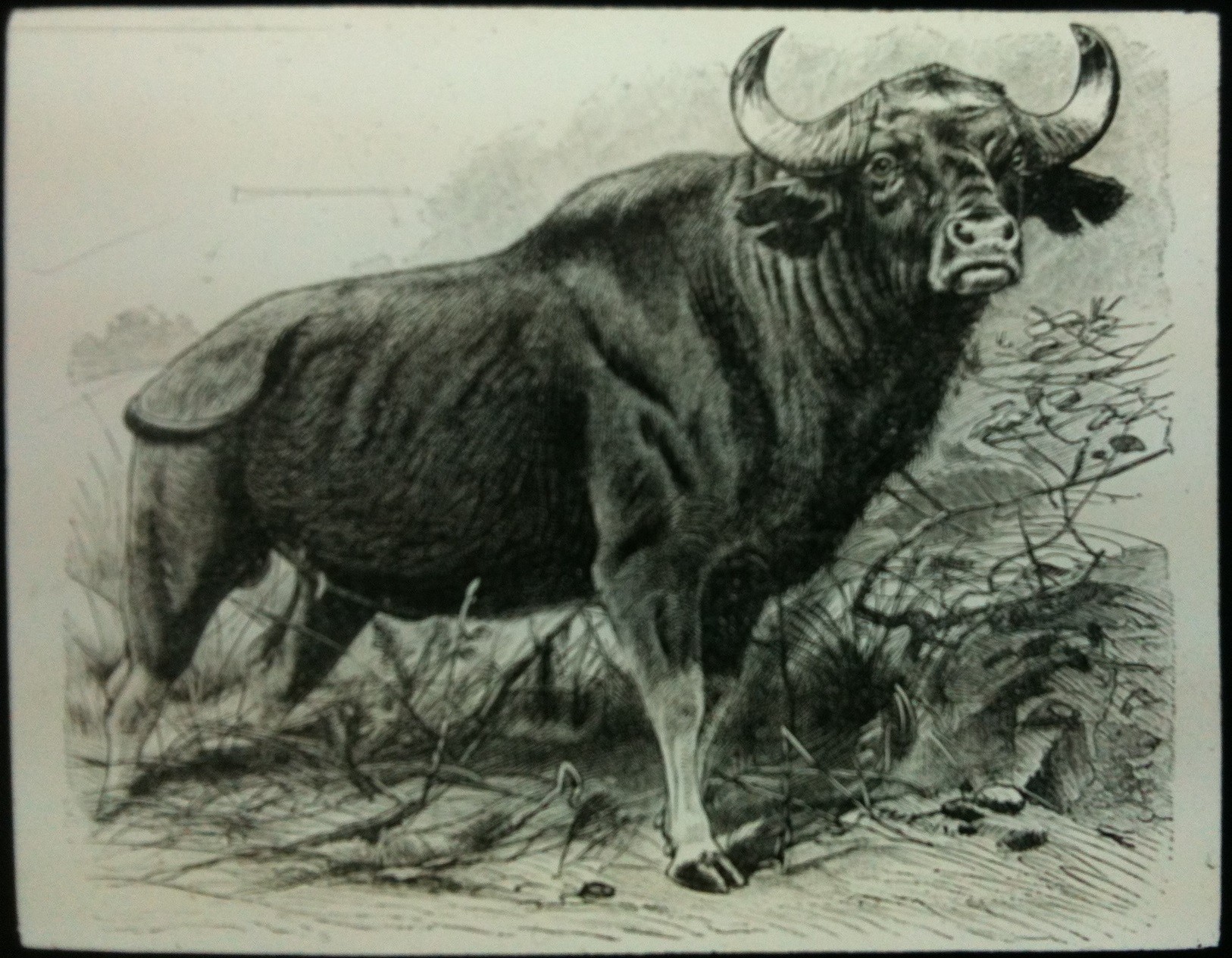
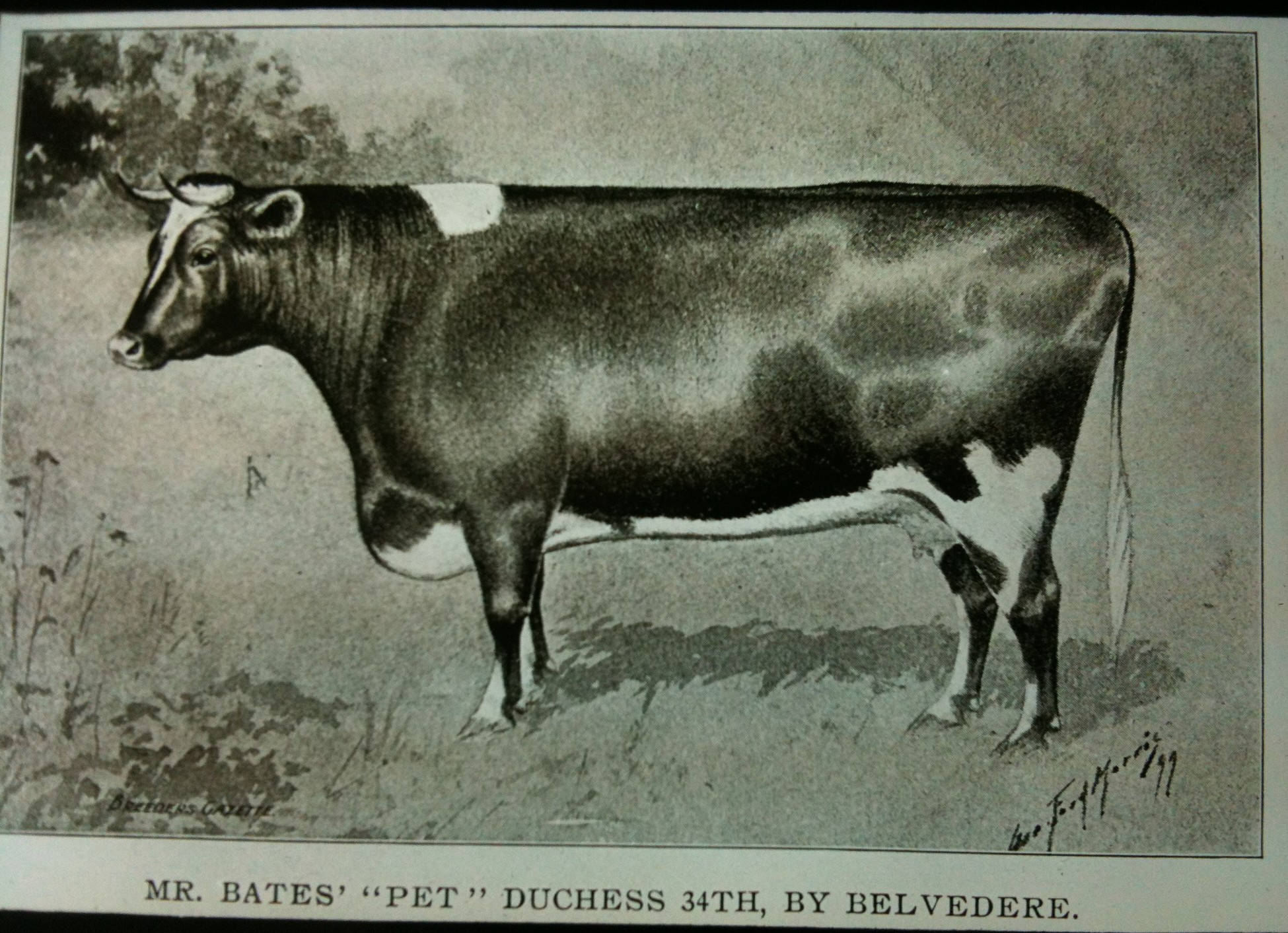
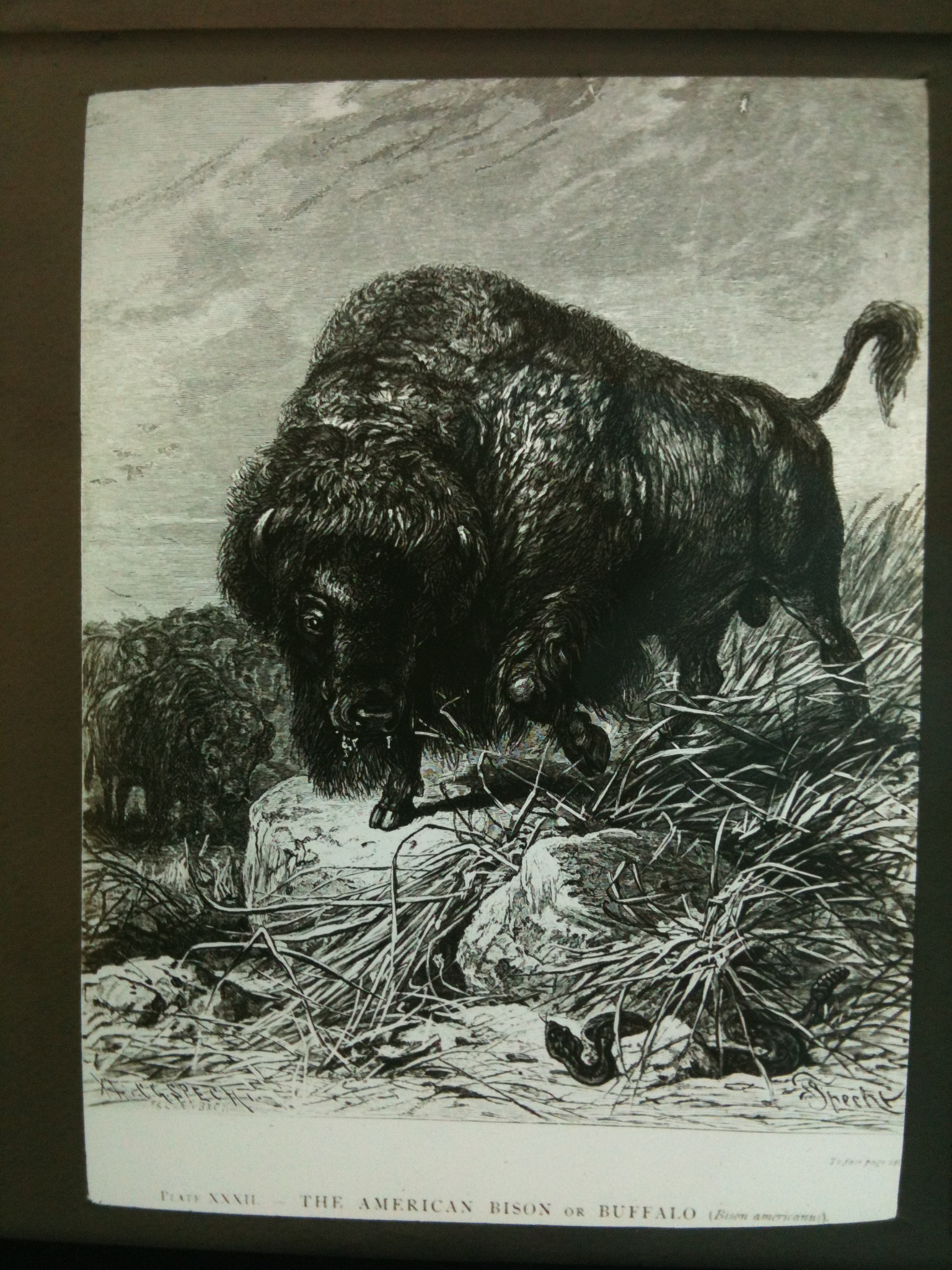
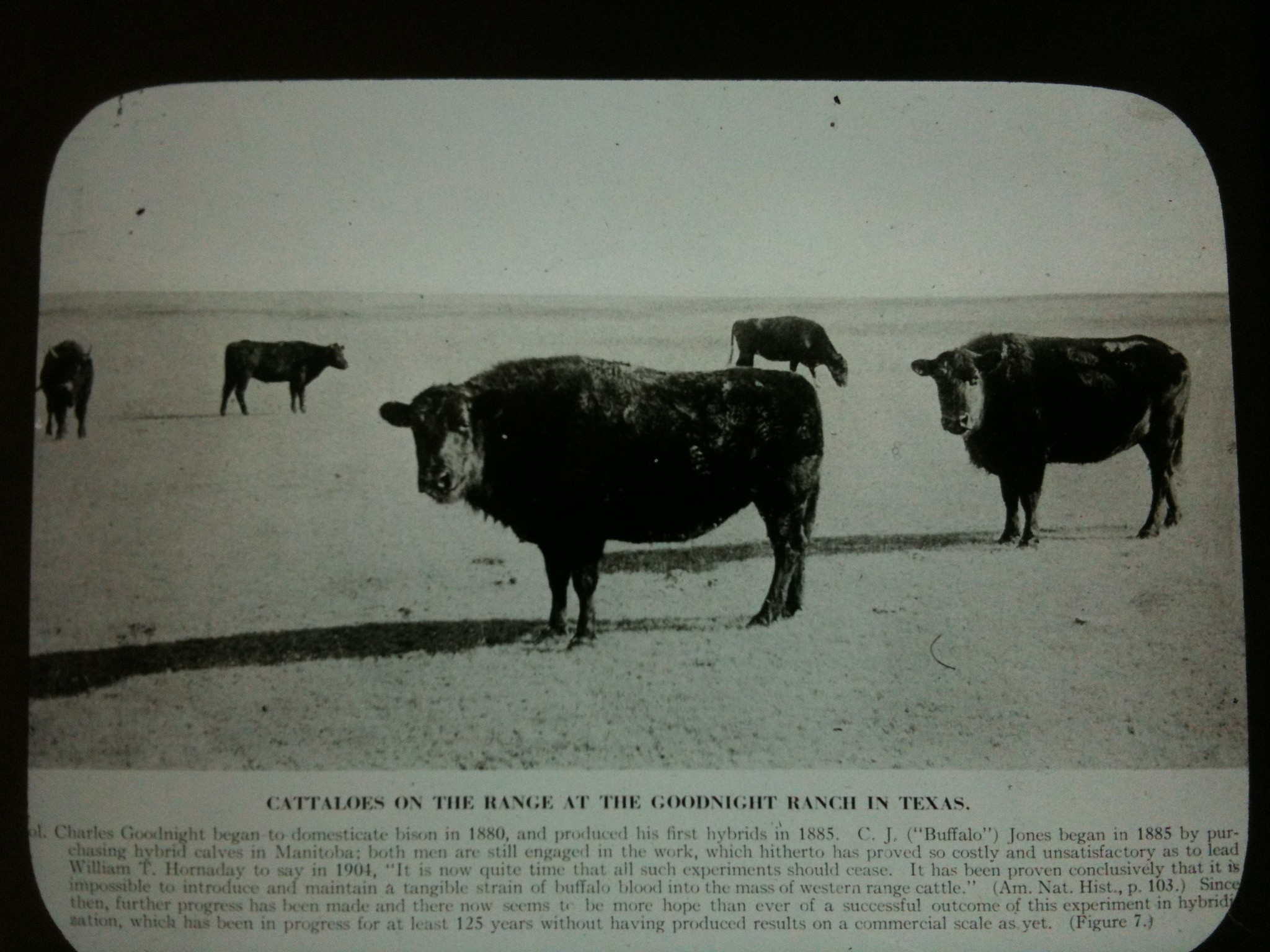
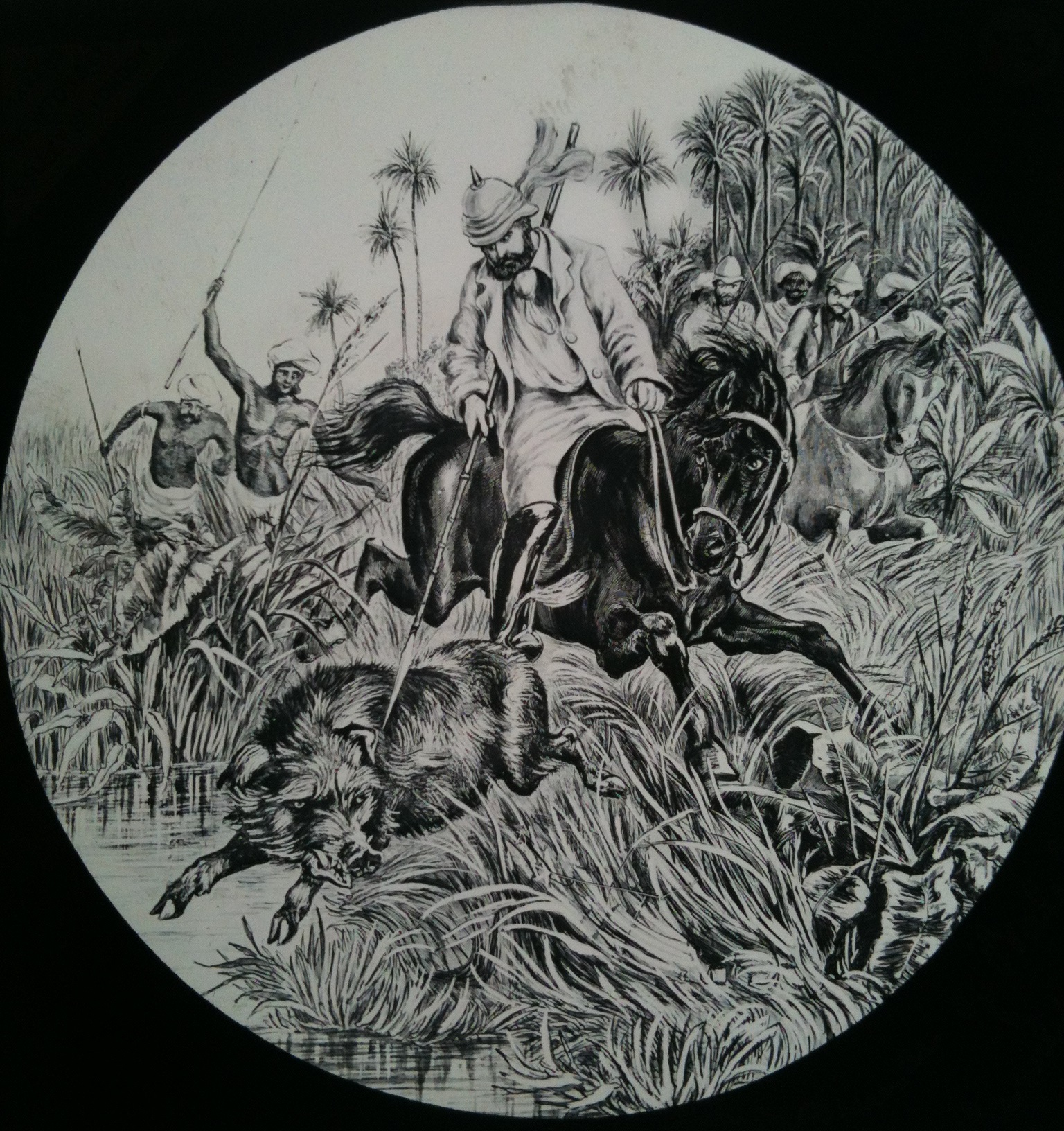
The illustrated artistic representations of animals in the slides that I’ve been cataloguing have shown both an artistic romanticization and an attempted realistic depiction. Additionally, in pre-photography days it was important for breeders and scientists to have artists depict the high quality animals to show the traits of the best of the breed. It’s been interesting to see how the physicality of the animal compares between an illustration from the 19th century and a photograph from the 20th century. http://www.societyofanimalartists.com/

 
From bulls:

Man with BullBull


To cows:

Mr Bates' Pet, Duchess 34th cowMan with Cow


Buffaloes…:

American BisonCatteloes


And boars!:

Boar HuntBoar Captured by French in WWI


Letters in the Limelight: Susanna Carson Rijnhart

Cataloguing the correspondence of zoologist/animal breeder James Cossar Ewart (1851-1933), I have been intrigued by the various ‘life stories’ which emerge from the letters. Periodically I will be including some highlights in a series of posts entitled ‘letters in the limelight’ .

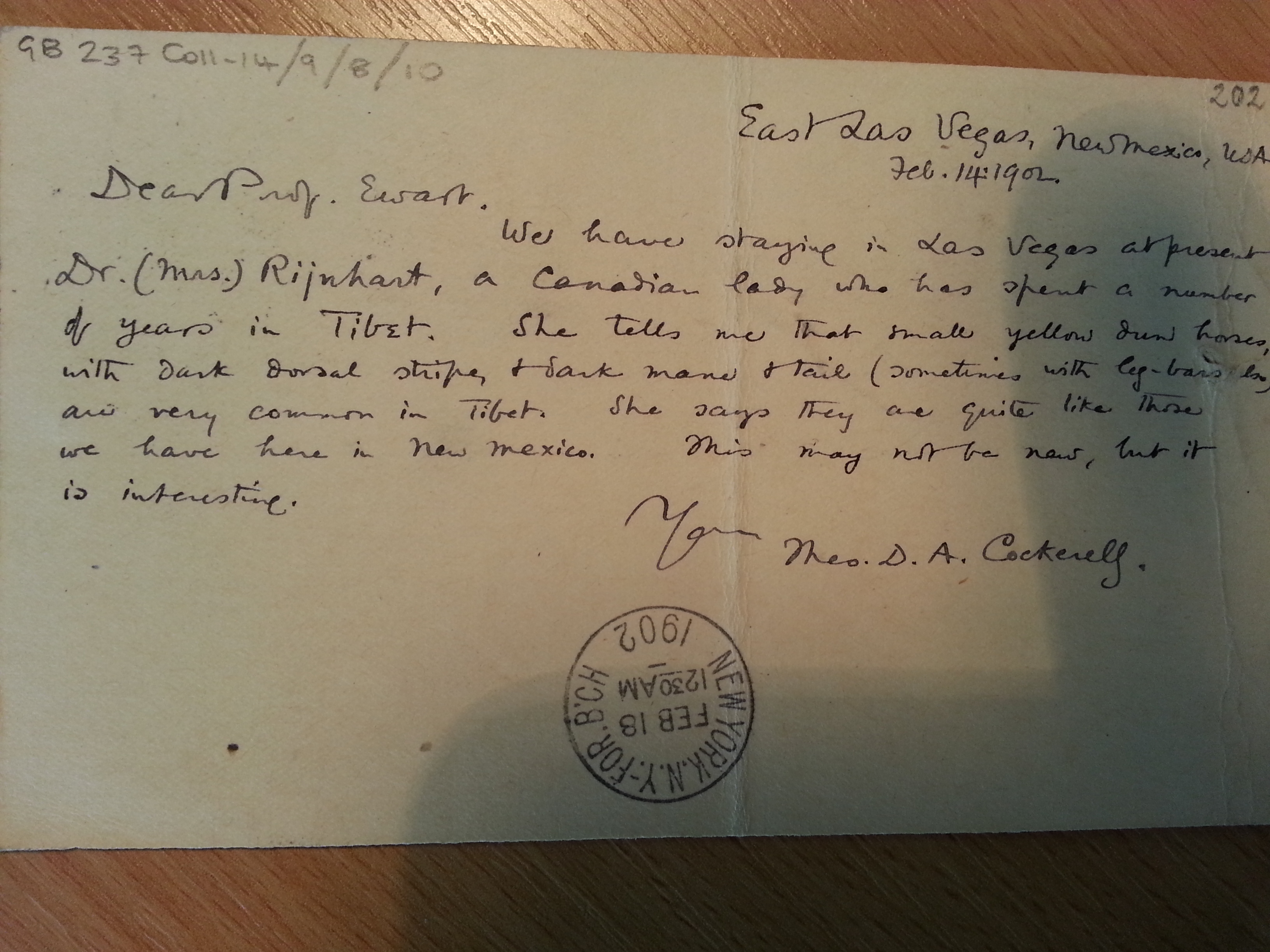
Coll.14.9.8.10 Cockerell Rijnhart mentionThis week’s ‘Letters in the Limelight’ focuses on a postcard dated 14 February 1902 which was sent to Ewart from the American naturalist Theodore Dru Alison Cockerell (1866-1948). Cockerell is worthy of a blog post in himself, but here we will focus on the name of a woman who Cockerell mentions quite casually: Susanna Carson Rijnhart. Cockerell writes:

We have been staying in Las Vegas at present [with] Dr (Mrs) Rijnhart, a Canadian lady who has spent a number of years in Tibet. She tells me that male yellow dun horses, with dark dorsal stripe and dark mane and tail…are very common in Tibet. She says they are quite like those we have here in New Mexico. This may not be new, but it is interesting.

Ewart’s abiding research interest at this time was studying those breeds of horses which bear the marks of being of more ancient stock than the popular Arabian horse, which emerged at a later date. Dr Rijnhart was obviously able to provide some information on possible examples of this ‘ancient breed’ from her experiences in Tibet, but there is no indication here of exactly how harrowing that experience was…

Born in Ontario in 1868, Rijnhart graduated as a medical doctor from Toronto at the age of 20 and practised for 6 years. But it was her meeting and marriage to the controversial Petrus Rijnhart, a Dutch-born missionary, that really sent her life on its turbulent course. Before they had been married more than a few months, the couple set out to work as independent missionaries in Tibet. Life was hard, particularly considering the Muslim revolt which broke out in 1896 in Kumbum, where the couple worked. They tended to the wounded and sick and opened a medical dispensary nearby, but their ultimate aim was to reach Lhasa, the Tibetan capital unvisited by Westerners since 1846 and which lay 800 miles away across a series of mountain ranges. In May 1898, Susanna and Petrus left for Lhasa on horseback with their baby Charles and three local hired men, but things swiftly went wrong for them. After two months, two of their hired men deserted, their pack animals were stolen and the baby Charles died suddenly. Determined, the couple pressed on, but it wasn’t long before their caravan was attacked by bandits, leaving them helpless and completely alone. Petrus left Susanna behind to seek help and was never seen or heard of again. A revolver and a little money was all Susanna had left. Still she pressed on across the mountains, bribing a series of local guides, until she reached Kangding (then the most remote outpost of Chinese missionaries) in rags and with frost-bitten feet. There she made her way to the China Inland Mission, where she met James Moyes, who would become her second husband. In 1900 Susanna returned to Canada with failing health and wrote a book about her experiences With the Tibetans in Tent and Temple (Edinburgh, 1901). She bore a son to James in January 1908 but died a month later.

From small names on postcards do big stories come…
A Trick of the Eye…

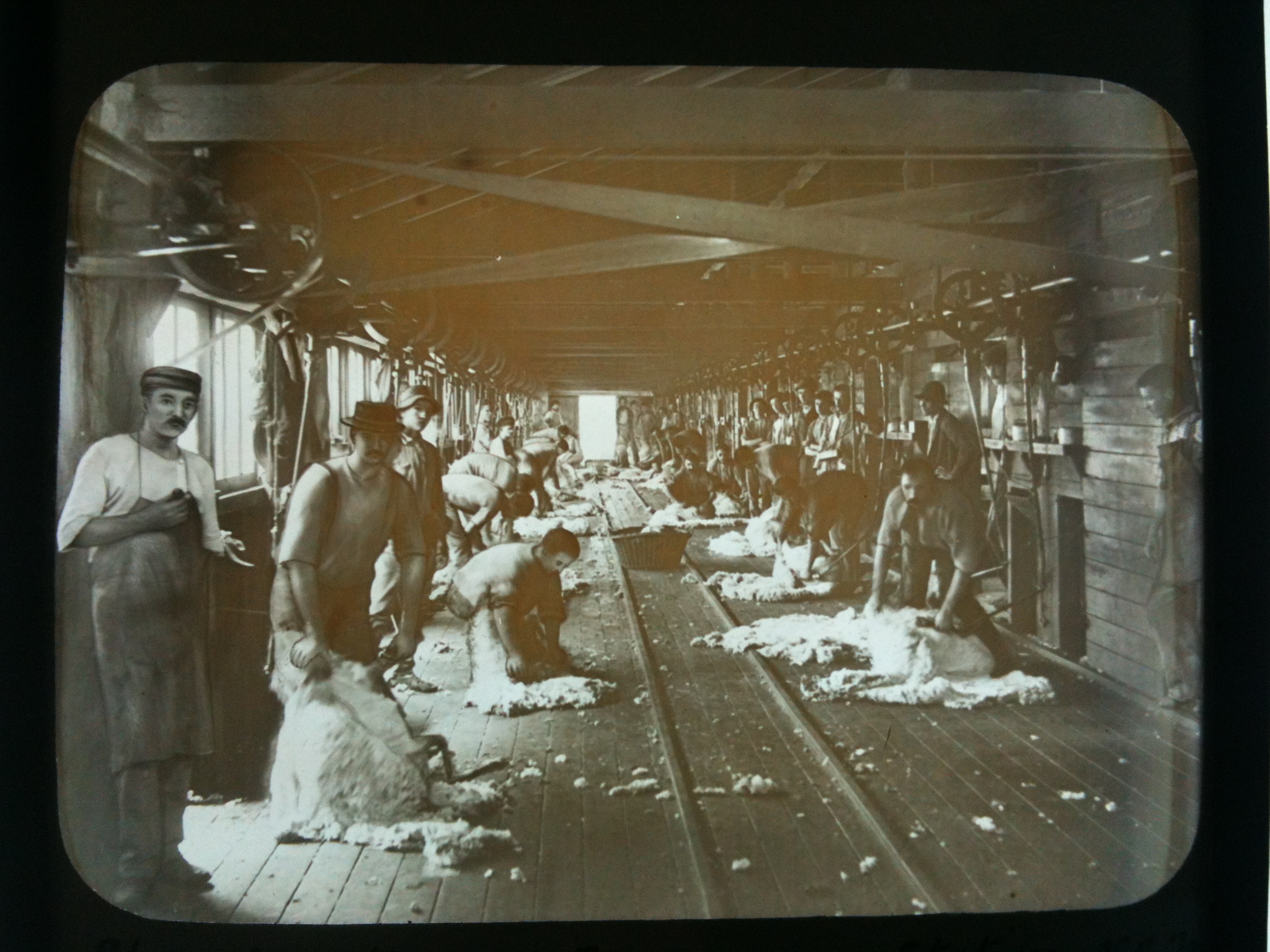
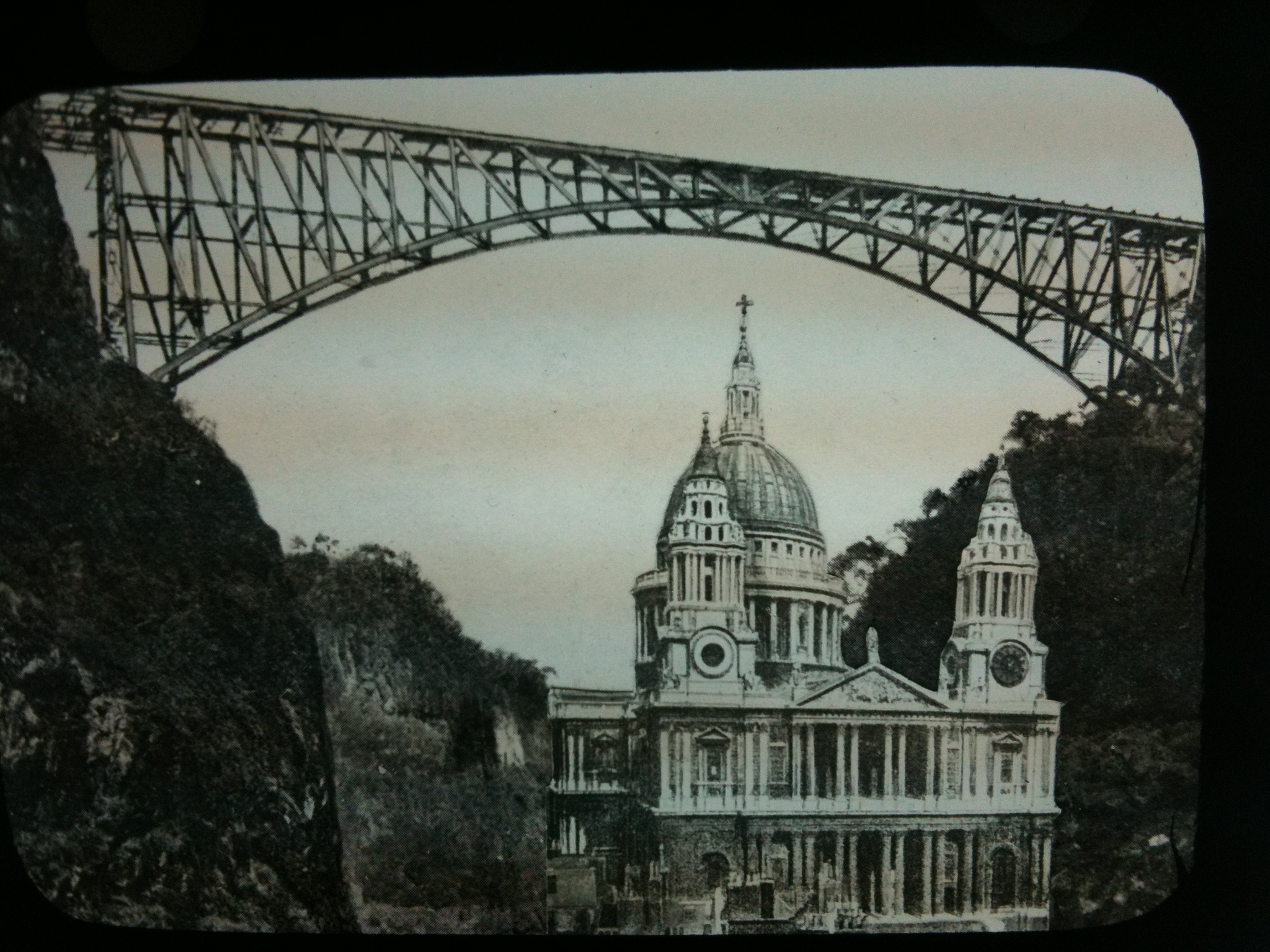
One of the joys of working with older forms of visual resources is stumbling across a wide array of images from the banal to the fantastic. Two images in particular have caught my eye – the first depicts men shearing sheep in a shed at Burrawang Station in New South Wales, Australia in the late 19th or early 20th century: Sheep Shearers, NSWThe second depicts a bridge and a cathedral and simply labelled: ‘Zambesi Bridge and Cathedral’: Victoria Falls Bridge St Pauls

Can you spot what makes both of them unusual?

The first image – while it is a photograph several of the men shearing sheep some of those standing in the front have been painted in–possibly to cover up or make clearer a blurred image. The second image is slightly trickier – hint – it’s an early form of Photoshop! The photographer has placed a cut-out of St. Paul’s Cathedral in London underneath the Victoria Falls Bridge in the gorge at Victoria Falls, Zimbabwe in the early 20th century.

While one might also wonder how these fit into ‘animal genetics’, as I’ve written before in a post, the slides images cover a wide range of natural and anthropological sciences, besides it’s great to see scientists have a bit of fun!


Happy Birthday to Crew!

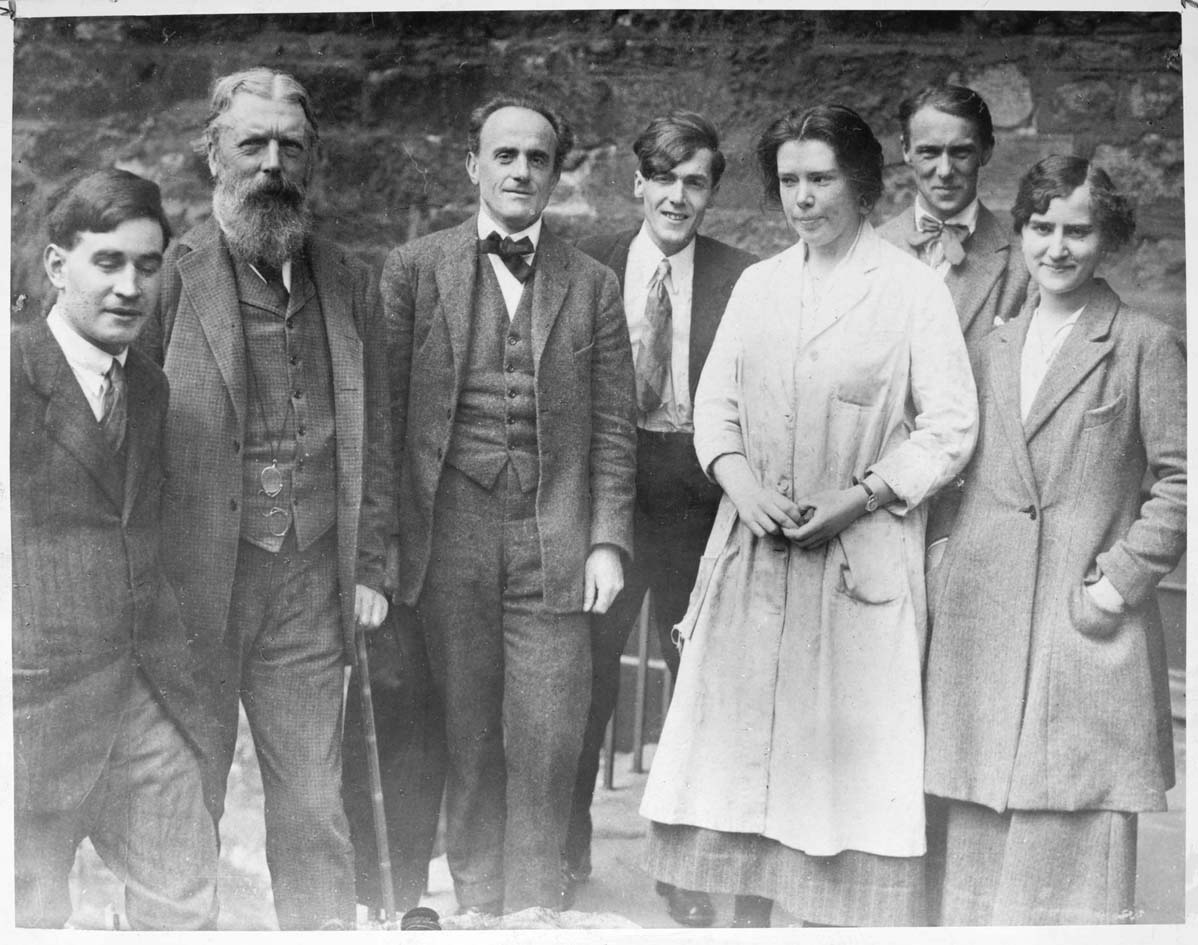
Walton, Thompson, Kammerer, Hogben, Fell, Crew, Cytovich 1924Tomorrow (2nd March) marks the birthday of Professor F.A.E Crew (1886-1973), who was the first Director of what became known as the Institute of Animal Genetics in Edinburgh from 1921 until 1944. It would be a long blog post indeed to try and do justice to this remarkable man. Crew, medically qualified but with a lifelong interest in breeding fowl, steered the Institute from its penniless early days into its heyday as a world renowned research centre, attracting such individuals as Nobel winner H.J Muller. The image above shows Crew (second from the right in the natty cravat) with a group of similarly renowned visitors to the Institute including Dame Honor Fell (Director of Strangeways Laboratory, Cambridge) and zoologist/medical statistician Lancelot Hogben. However, Crew’s influence was by no means confined to the sphere of genetics. He fought in both world wars, attaining the rank of Major in the First War, then Brigadier in the Second. By the time the Second War was at a close, Crew gave up the Directorship of the Institute in order to take up the Chair of Public Health and Social Medicine at Edinburgh University. He also established the Polish School of Medicine in Edinburgh (which awarded medical degrees recognised by the Polish government in exile until its closure in 1949), wrote the impressive six-volume official Army Medical History of the War, was World Health Organisation Visiting professor at Rangoon and Bombay (he also set up the first medical genetics clinic in India) and was happily driving around Turkey in a caravan well into his seventies.

Charismatic, handsome, a beautiful writer and renowned as a public speaker (his friend Hogben remarked that ‘he had a histrionic talent worthy of a Shakespearean actor’) Crew nevertheless remained self effacing all his life, always claiming that his career moves were down to ‘pure luck’ and that ‘mine has not been a very distinguished career’. Crew left no traceable personal archive, but treasures such as a photocopied draft of an autobiography and an endlessly colourful 8 hour interview recording with Margaret Deacon of the Science Studies Unit helps to fill out the picture. The latter recording captures Crew’s wry humour, compassion and humility perfectly whilst also providing such memorable anecdotes as his keeping of tame goats in his office at the Institute (whose constant grazing apparently saved him from having to be bothered by any official correspondence) and the experimental cocks which Crew trained to walk down to the cellar each night so as not to disturb the neighbours!

He remained eloquent and witty right up until his death aged 87.  As he was also a committed humanist, his conclusion to his essay ‘On the Meaning of Death’ published in A.J Ayers’ The Humanist Outlook (1968), is a fitting epithet: ‘In a world so organized that everyone equipped to do so would be able to enjoy life at least as much as I have done, there would be very few who would hanker after an existence beyond the grave for the life lived on this earth would be complete in itself.’

Zebra Crossing – James Cossar Ewart, Romulus and the Penicuik Experiments

“Zebroid, zedonk, zorse, zebra mule, zonkey, and zebrule” –  these are the names of the offspring of any cross between a zebra, usually the stallion, and any other equine; however, the offspring of a donkey sire and zebra dam is called a “zebra hinny” or “donkra”, but are rare.

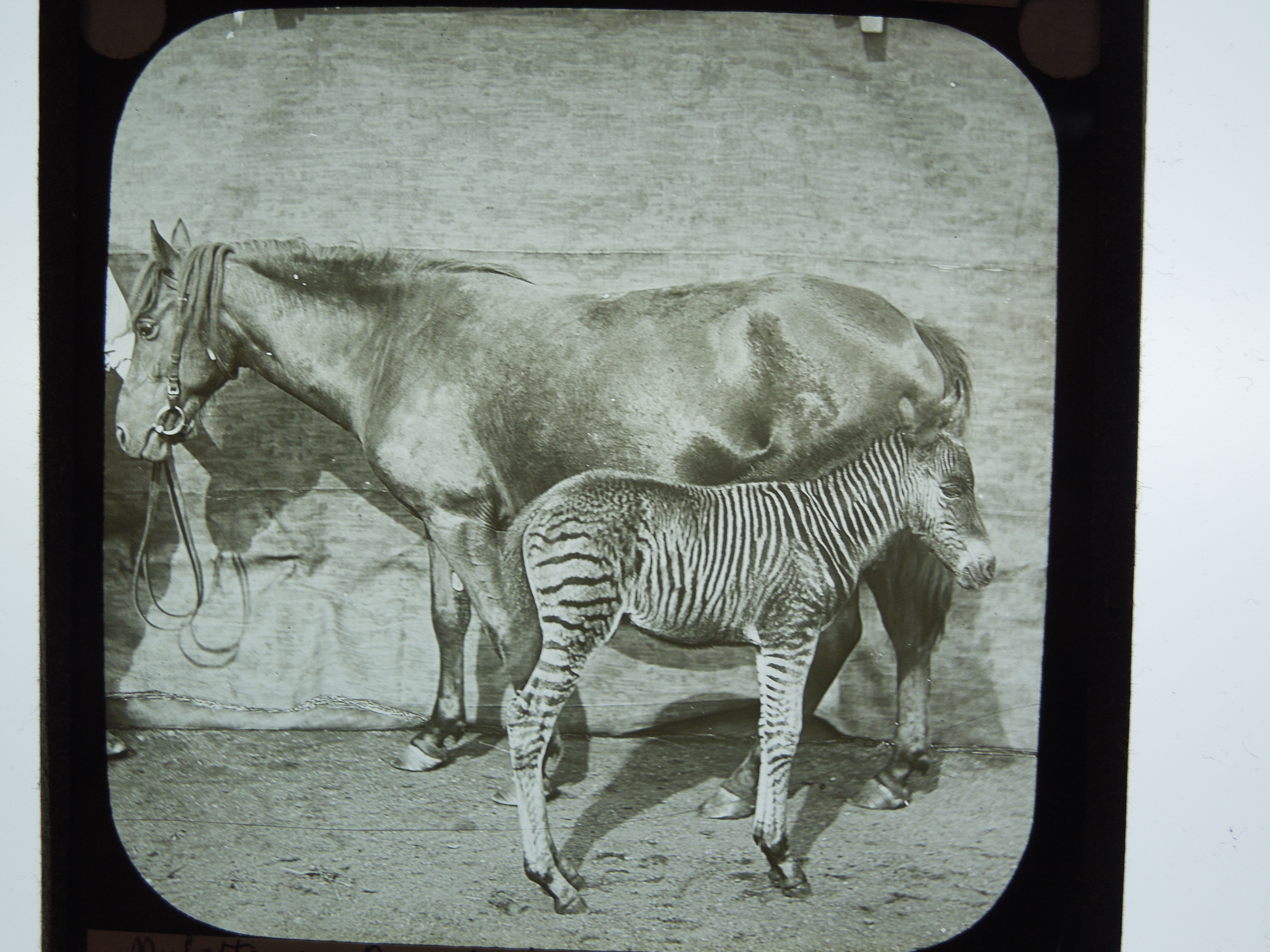
Ewart and RomulusIt was around the years 1894-95, when Scottish zoologist, James Cossar Ewart began his Penicuick Experiments in animal breeding on his private experimental farm where he conducted many pioneering investigations in genetics. His most famous experiments were related to telegony, which is the theory, accepted at the time by most scientists and breeders, that ‘a previous sire may so “infect” the dam served by him as to impress certain of his characters upon her subsequent offspring by other sires.’ Ewart’s experiments with a variety of species; however, were uniformly negative. One of the most famous experiments with telegony was Darwin’s lengthy citation of ‘Lord Morton’s Arab mare which first being served by a quagga produced a striped hybrid foal, and subsequently gave birth to an Arab foal as a result of mating with Sir Gore Ouseley’s Arab stallion. This foal, which is figured by Darwin, had striped markings that were said to resemble those of the quagga with which the mare had first mated.’ Ewart attempted to repeat this experiment; however, the quagga species had become extinct by that time, so he decided to use a Burchell’s zebra stallion which served several different breeds of mares which proRomulus and damduced striped hybrid foals, called “Tartan Cuddies” by the people in the Midlothian area. One particularly fine hybrid of this pairing was “Romulus”. The mares were then bred to horses of their own breeds, but the resulting ‘subsequent foals’ never showed any evidence of The mares were then bred to horses of their own breeds, but the resulting ‘subsequent foals’ never showed markings or traits of the previous zebra sire. Ewart collected these findings into a book entitled The Penycuick Experiments (1899).

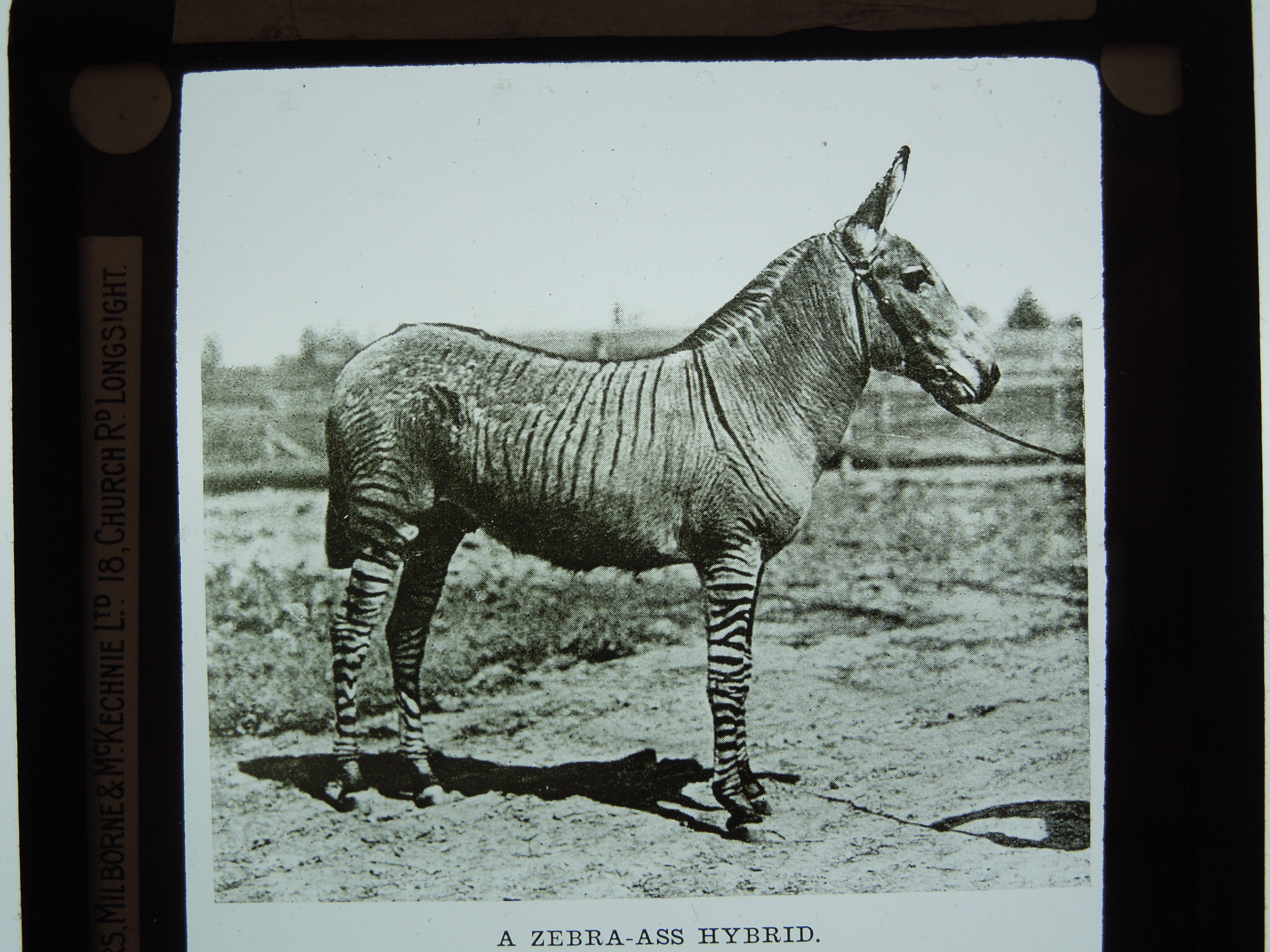
In addition to these lovely images of Ewart and Romulus, I found a couple of images of a zorse and a zonkey!

Zonkey Hybrid

Juno, Zorse

Letters in the Limelight: E.A. Clemens

Cataloguing the correspondence of zoologist/animal breeder James Cossar Ewart (1851-1933), I have been intrigued by the various ‘life stories’ which emerge from the letters. Periodically I will be including some highlights in a series of posts entitled ‘letters in the limelight’ .

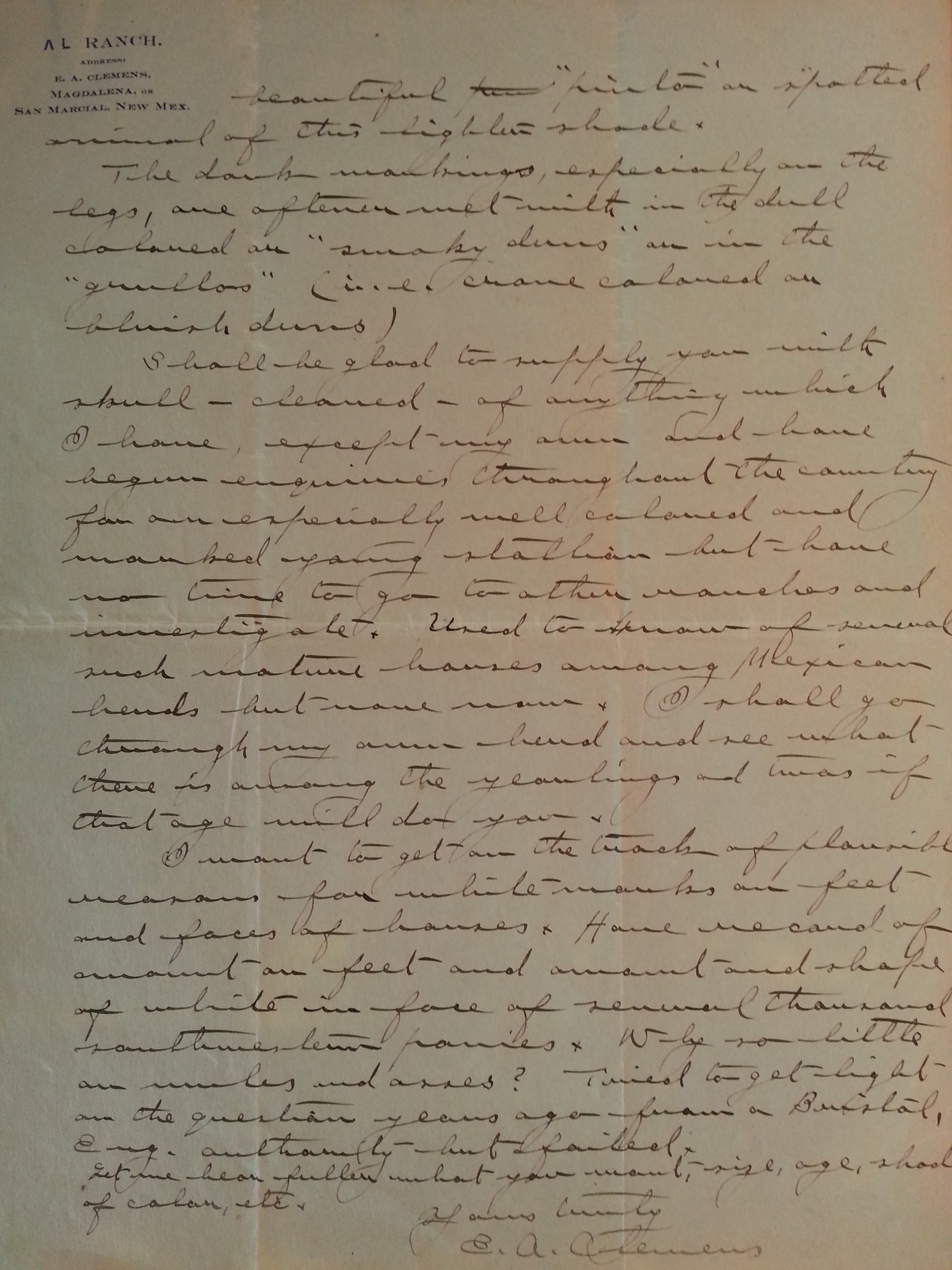
E.A Clemens letter Coll14.9.8.3E.A.  Clemens (d. 1924) is perhaps one of Ewart’s more ‘exotic’ correspondents – not least due to his being the nephew of Samuel Clemens (aka Mark Twain). Earnest Allen (‘Al’) Clemens owned a ranch in Magdalena, New Mexico, and so owned a fair number of horses, which were Ewart’s primary focus of study at this time. In a letter dated 21 June 1902, Clemens tells Ewart that he would happily supply him with any horses from his own herd for experimental purposes, as well as any required skulls and other anatomical parts for analysis. One important motive behind breeding and cross-breeding at this time was the production of animals hardy enough to cope with heavy work or difficult conditions. In a letter to a mutual friend, American naturalist Theo Cockerell, Clemens reports that he was aiming to set up an experimental breeding station on his ranch to breed hardy ponies adapted for life in the prairie or desert. Whether or not he achieved this is as yet unknown (maybe this will emerge in later correspondence), but he was clearly a man with ambition.

Fascinated by this exchange of letters between a ranch in New Mexico and a rural bungalow south of Edinburgh, I did a bit of rooting around for any more information on Clemens. And what a story! His home, now named Clemens Ranch House, is now a registered cultural property and the current owners have created this informative website:

http://clemensranchhouse.com/briefhistory.html

It is interesting to read about how Clemens’ personality manifested itself in the building of his ranch house. He was obviously a perfectionist: he reputedly ordered stonemasons from Italy to cut the locally quarried stone for the ranch house and ordered his back porch to be ripped out and remade three times before he was happy with the height. He was also cautious: after apparently being held hostage for three days by desperados, Clemens designed numerous trap doors, tunnels and escape routes from each room of the house!

 Join us again for more ‘letters in the limelight’…

Bio-Pirate! Henry Wickham’s Audacious Brazilian Rubber Removal

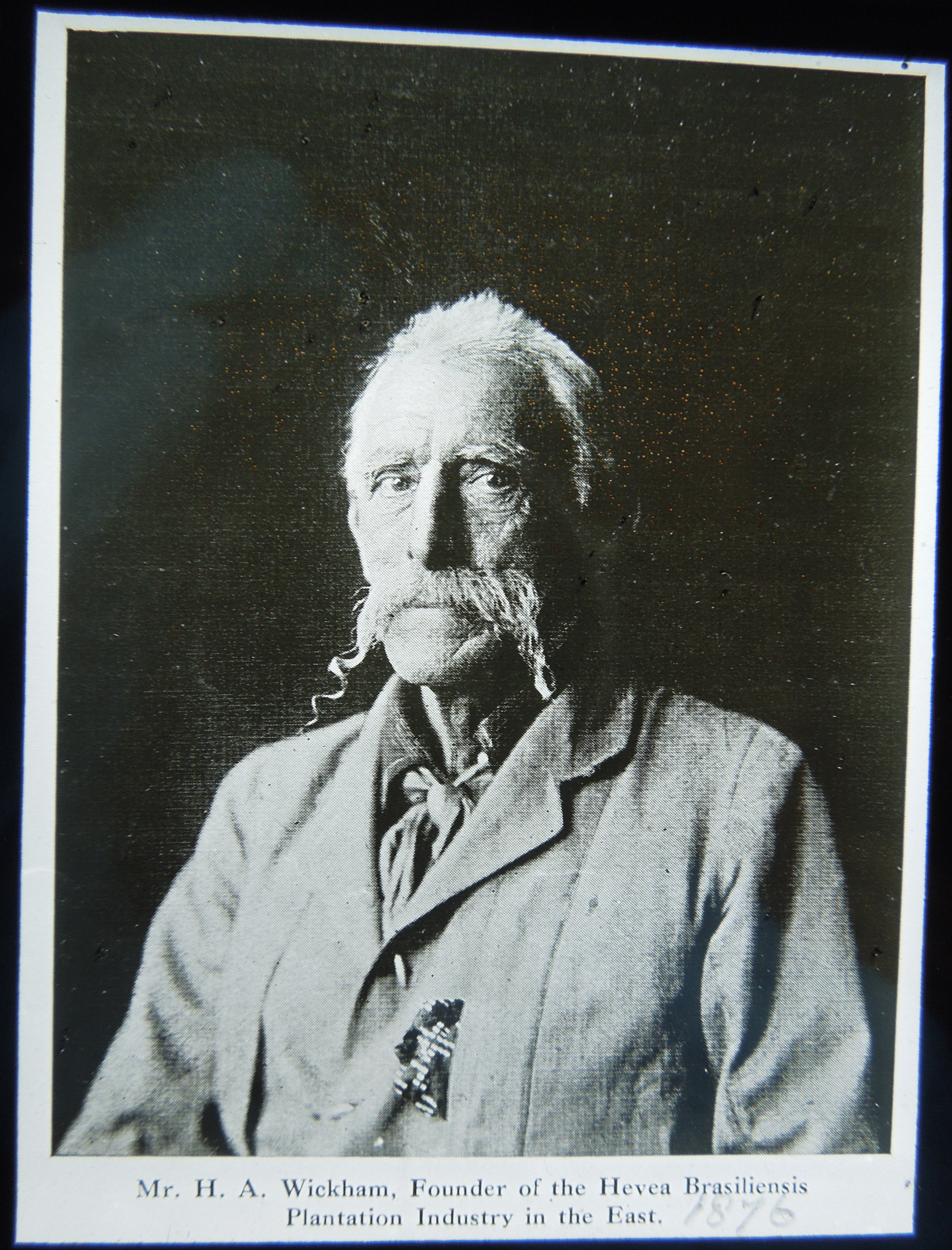
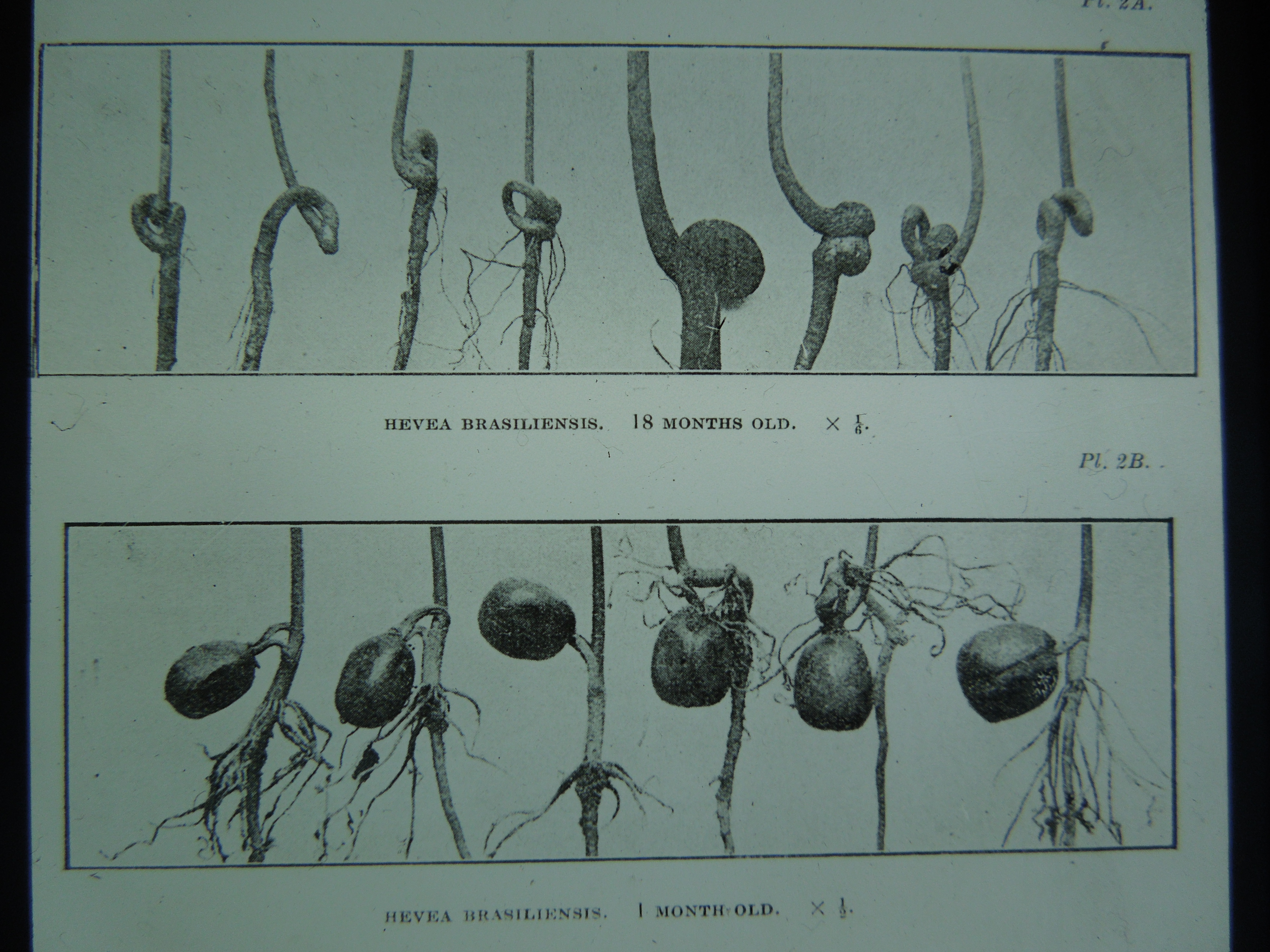
An audacious truth or an embellished fiction? Sir Henry WickhamHistory credits Sir Henry Alexander Wickham (b.1846, d.1928),  a British explorer, with bringing 70,000 rubber seeds from the plant, Hevea brasiliensis, in the Santarem area of Brazil to the Royal Botanical Gardens, Kew, London in 1876. These seeds would go on to be shipped to the Far East to establish rubber plantations expanding the rubber industry and breaking Brazil’s monopoly. The export laws in Brazil at this time did not prevent Wickham’s seed gathering and removal, but there is evidence that he may have misrepresented his cargo as ‘exceedingly delicate botanical specimens specially designated for delivery to Her Britannic Majesty’s own Royal Gardens at Kew’ in order to convince the Brazilian customs officials to grant him an export license. He had hoped to be sent to the Far East to help establish the new rubber plantations; however, Dr. Joseph Hooker, the director of the Royal Botanical Gardens at Kew refused to let him go.  Evidently Wickham had been promised £10 per 1,000 viable seeds delivered to Kew, but unfortunately he was only rewarded with £700 for his efforts. Hevea brasilienisAccording to the website, Bouncing Balls, there are doubts to the veracity of his story and thoughts that he may have embellished his role. While it is known that he was in the Amazon at that time, there are questions to the collection and the shipping of the seeds. Regardless of what may have actually happened he is known throughout history as committing the world’s first act of bio-piracy by removing Brazilian rubber plan seeds, shipping them off to England and starting the rubber industry in South-East Asia.

A Sense of Place

Last week the Dolly team enjoyed a trip out to King’s Buildings, the main campus for the University of Edinburgh’s College of Science and Engineering. Bustling with students – not to mention architectural styles – the site is a chessboard of history, not least where animal genetics is concerned. King’s Buildings was home to, for instance, the Institute of Animal Genetics, the MRC Epigenetics Unit and the Poultry Research Centre. We were fortunate enough to have for our guide Professor Grahame Bulfield (former Director of the Roslin Institute and a University genetics student during the 1960s), who is also a valued adviser on the Dolly project board. Grahame’s encyclopaedic knowledge of the roll-call of each building’s previous occupants meant that we were able to visit the habitats of many of the individuals that Kristy and I have been ‘getting to know’ through our cataloguing. It was fascinating to be able to put, if you like, ‘places to names’, and gave us a sense of the social geography of animal genetics at Edinburgh. Here are a couple of our highlights:

Crew building

This building, now called the Crew building and used by the School of Geosciences, was formerly known as the Institute of Animal Genetics. Frances A.E Crew, Director of the Department in Animal Breeding since 1920, had worked to raise funds partly to pay for a designated building for the Department. Designed by John Matthew, the building was opened in 1930.

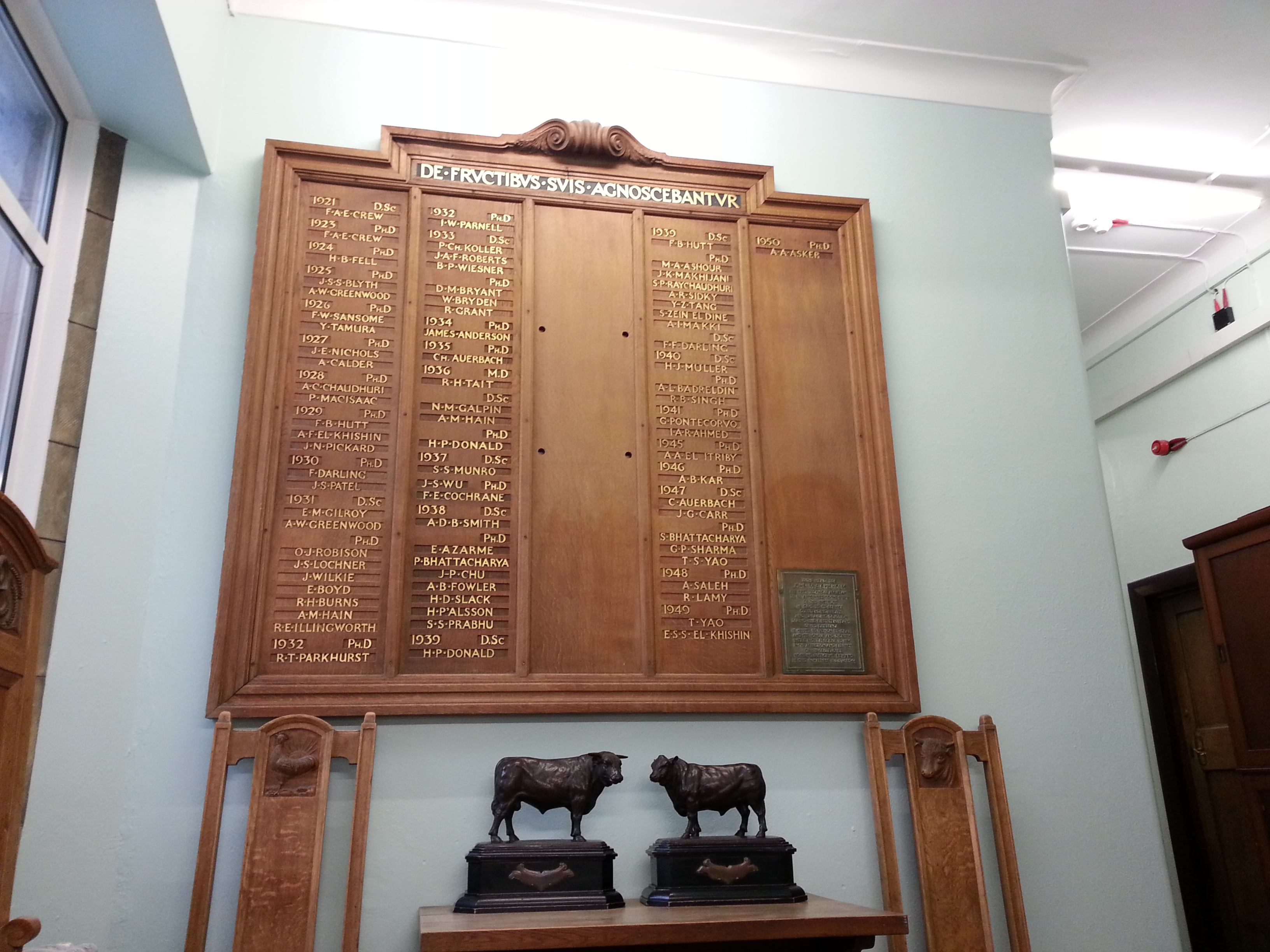
This oak panel contains the names of those who obtained higher degrees from theOld Genetics plaque and memorabilia now in Ashworth Department up to the year 1950. It used to hang in the entrance hall of the Institute building (above) but has now been moved to the Ashworth Laboratories (also built in 1929), now used by the School of Biological Sciences. Note also the wonderful chairs carved with various farm animals!


Ashworth staircase and palms right

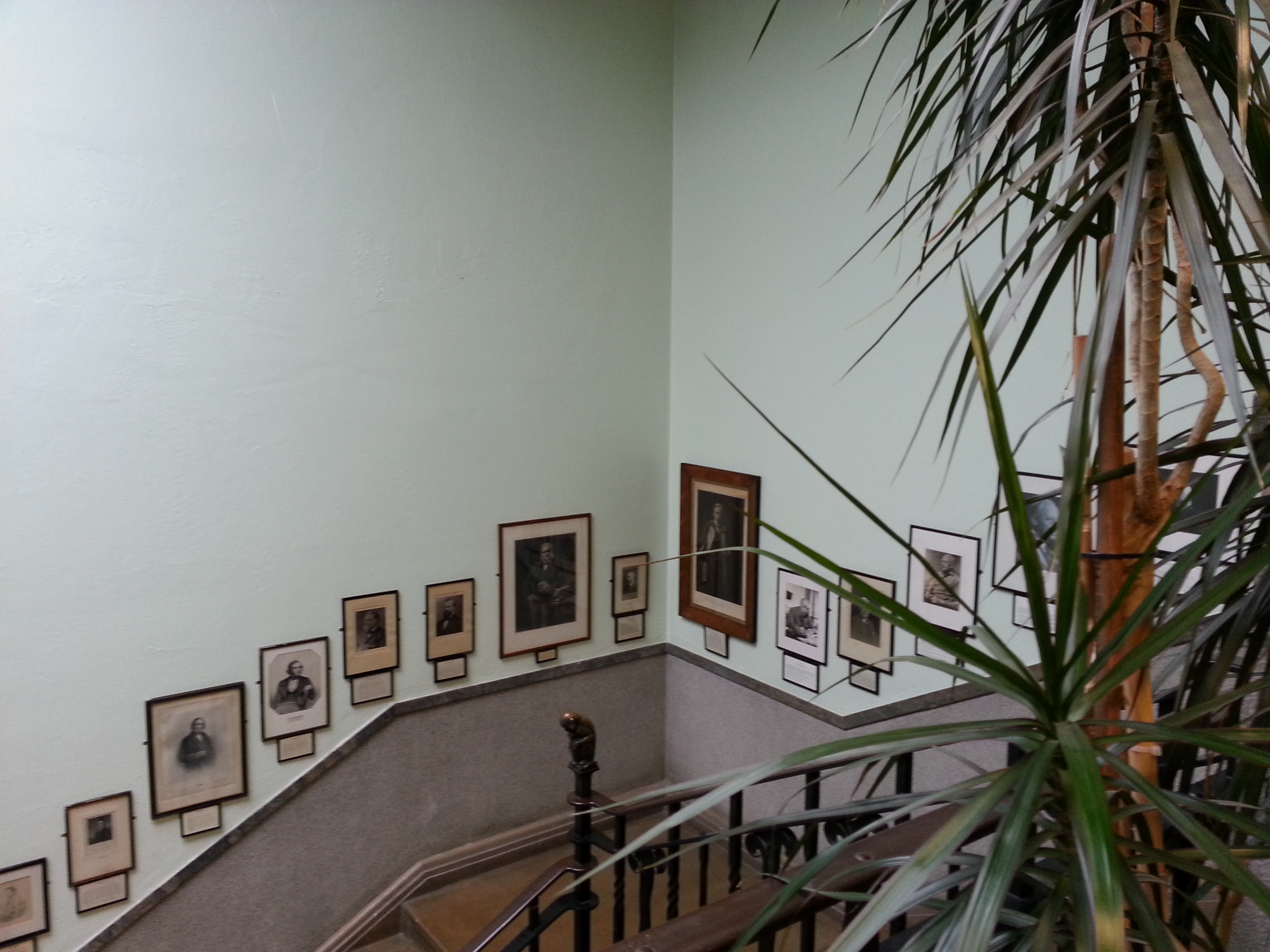
The majestic staircase in the Ashworth building displays portraits of many key scientific figures within the University. F.A.E Crew can be seen on the right next to the wooden-framed picture, with his successor as Director, C.H Waddington, two pictures up.


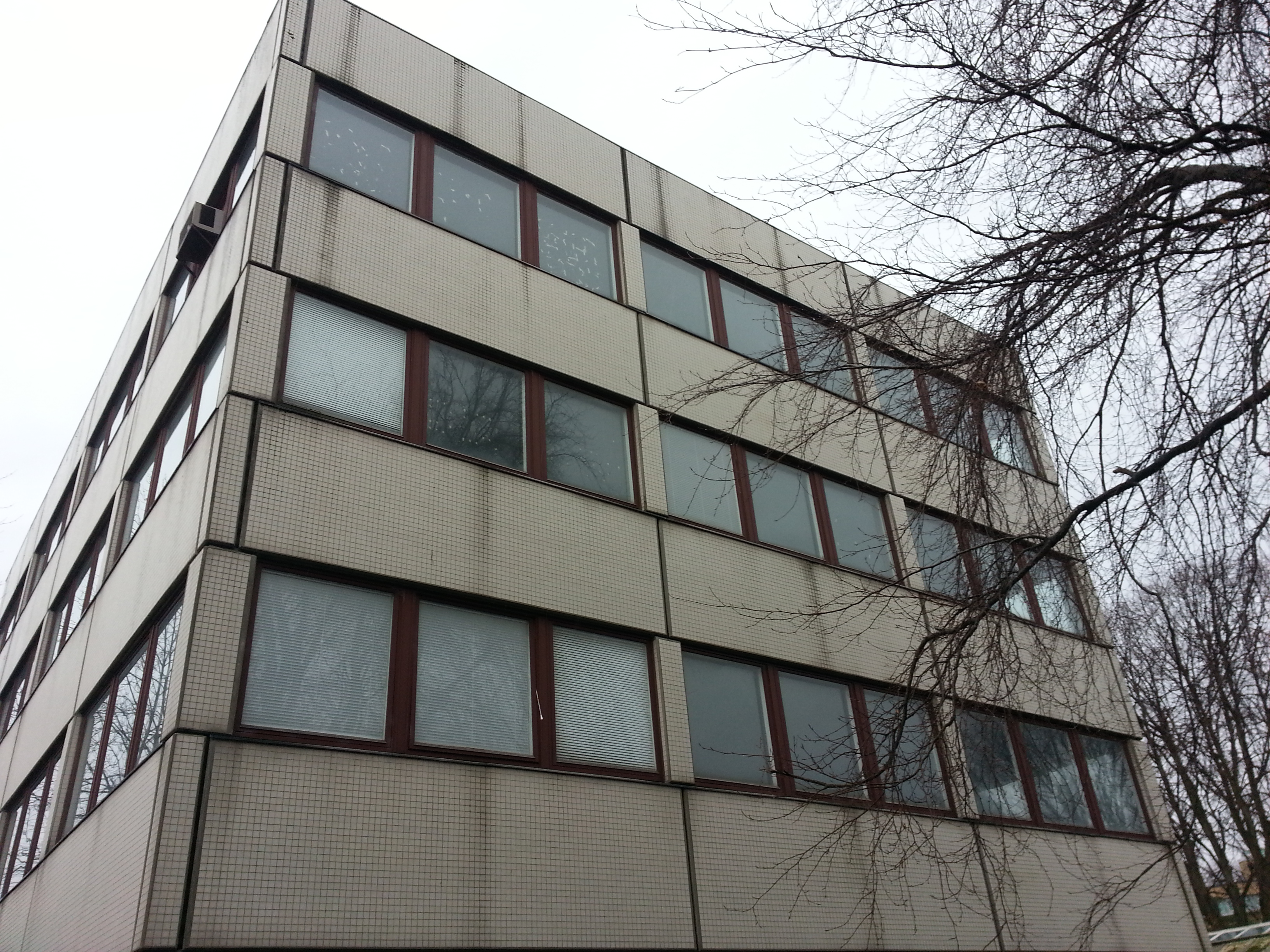
Not quite so visually grand as the two preceding buildings, this used to house C.HOld Waddington MRC Epigenetics Building Waddington’s Epigenetics Laboratory. Funded by the Medical Research Council, the Wellcome Foundation and the Distillers Company, the building was opened in 1965, with Waddington moving his office from the Institute of Animal Genetics building into the top floor here. Aesthetically perhaps a far cry from John Matthew’s creation, but also a bold statement of the continuing expansion of genetics at the University.

With thanks to Professor Grahame Bulfield.