Home University of Edinburgh Library Essentials
October 9, 2026
New journal for World Christianity
 Recently added to the collections for Divinity at New College Library is the Journal of African Christian thought : journal of the Akrofi-Christaller Memorial Centre for Mission Research and Applied Theology. This journal was requested for World Christianity at the School of Divinity. The University of Edinburgh is the only location in Scotland for this journal.
Display of new purchases today
Today at 2pm there’s an opportunity to see new purchases in rare books and manuscripts, made with support from the College of Humanities and Social Science in 2012-13. Everyone is welcome – please just turn up at the Centre for Research Collections front desk.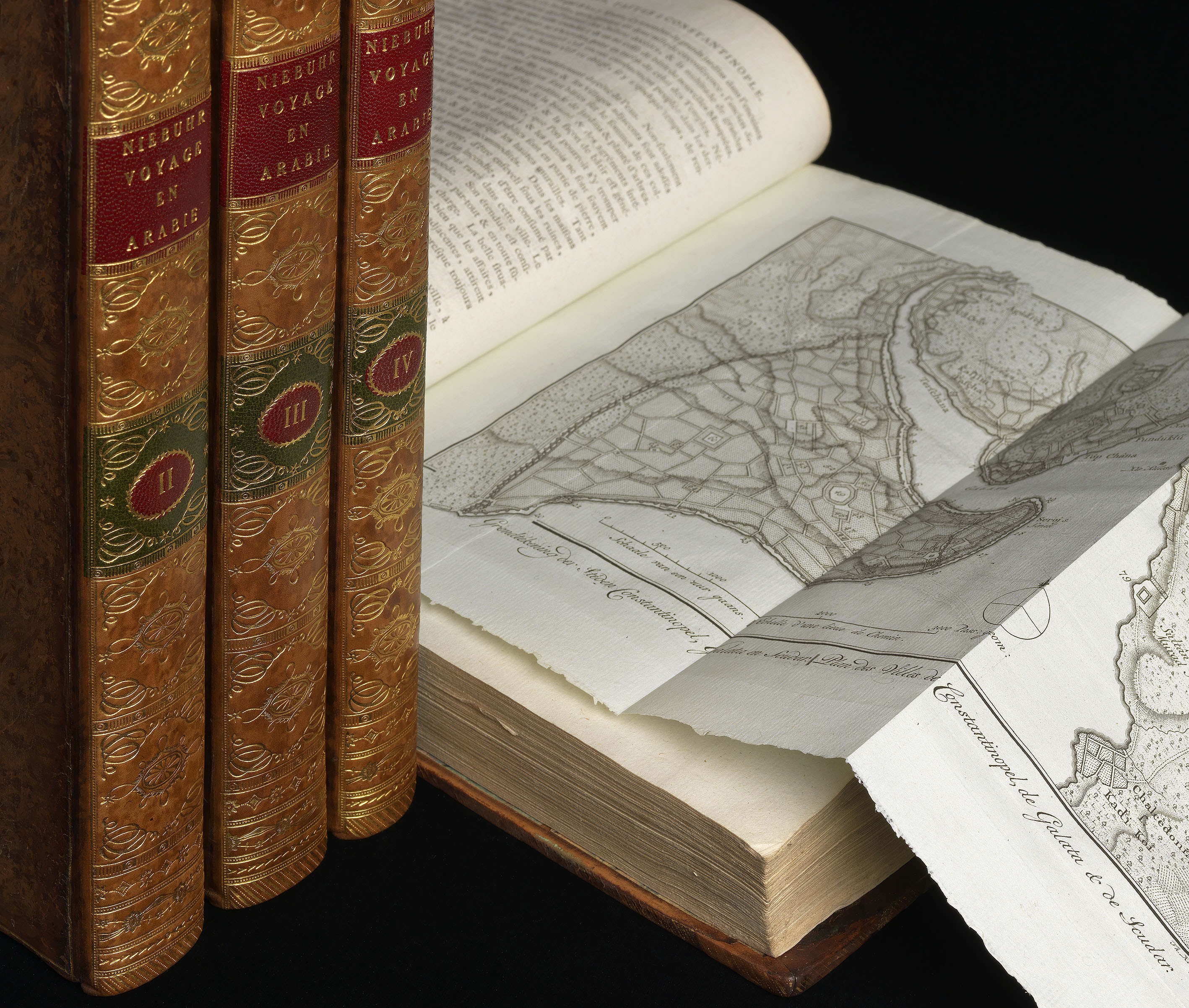
Ben Nicholson and Barbara Hepworth: Collections Connections
We’ve mentioned before how we work across the collections to tell the stories about the life, times and doings at ECA. So we thought we’d show you some of the evidence for how we researched works coming into the College Art Collection in the 1950s. These included those by Ben Nicholson and Barbara Hepworth. Research we did for these works is best illustrated by this letter from Ben Nicholson in 1954. Both works were purchased through the Carnegie Fund.

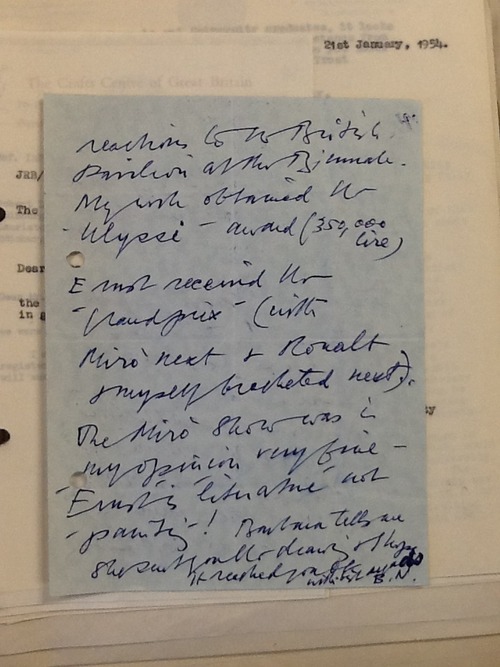
‘Dear Robert Lyon,
Thanks for your letter – New address for the cheque as above please.
Venice was enjoyable but hard work (of a kind). The London press criticisms which I’ve seen give no idea at all of continental reactions to the British Pavilion at the Bienniale. My work obtained Hr Ulyssi – award (350,000 lire)
Ernst received Hr Grand prix – (wih Miro next and Ronault & myself bracketed next).
The Miro show was in my opinion very fine – Ernst’s ‘literature’ not ‘painting’!
Barbara tells me she sent you her drawing and I hope it reached you OK.
With best regards B.N.’
RDM reflection – finishing the data life cycle
Research Data Management and I were a chance acquaintance. I was asked to stand in for one of the steering group despite having some very tenuous qualifications for the role. That said, I quickly realised that it was an important and complex initiative and our University is leading with this initiative.
Progressing with RDM in the University is not straightforward but it is essential.
This reflection could go off on many tracks but it will concentrate on one – finishing the data life cycle.
If we consider in a very simplistic way the funding of a researcher, it might look like this:
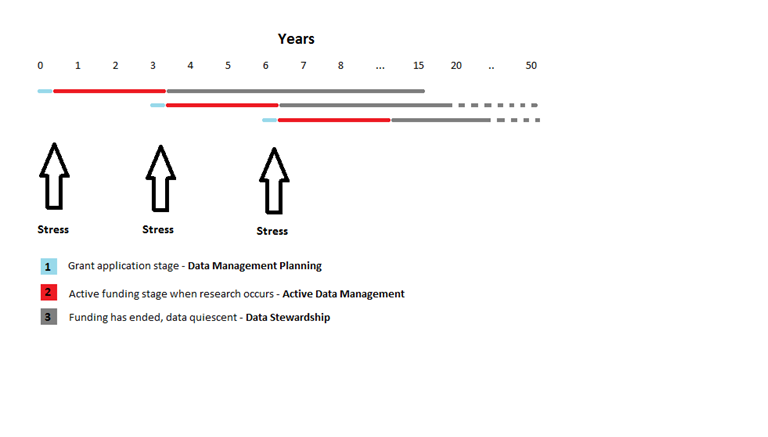
The point at which data should transfer to Data Stewardship may coincide with higher priorities for the researcher.
A big hurdle that RDM has to cross is the final point of data transition. The data manager wants to see data moved into Data Stewardship. The researcher’s priorities are publication and next grant application. The result:
Data will not flow easily from stage 2. Active Data Management to 3. Data Stewardship.
Of course, a researcher and a data manager may look at the above diagram and say it is wrong. They will see solutions. And when they do, this reflection will have succeeded in communicating what it needed to say.
James Jarvis, Senior Computing Officer
IS User Services Division
New Photography for Main Library Exhibition – Collect.ed
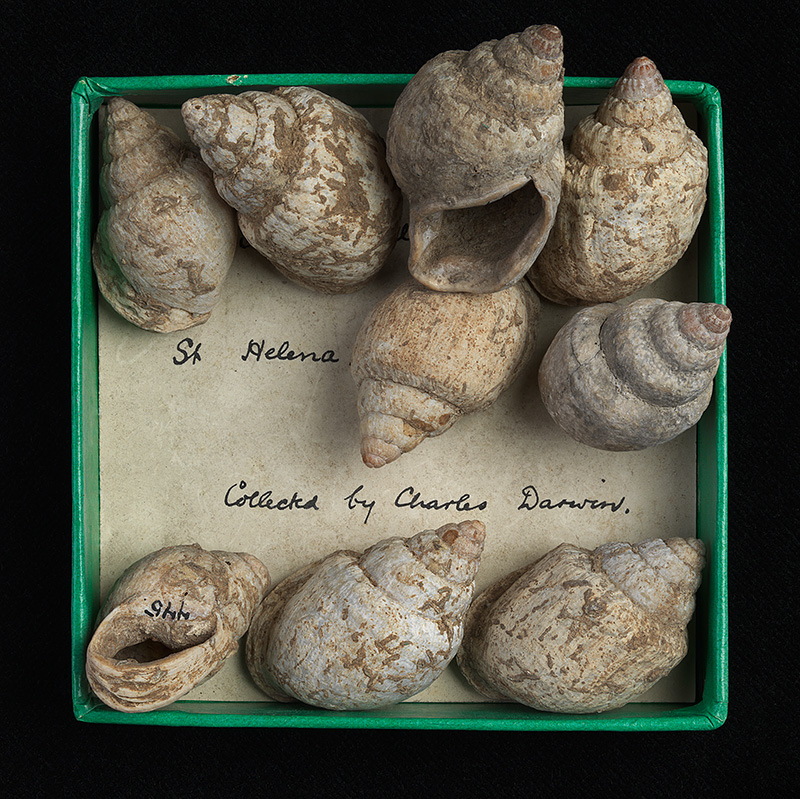
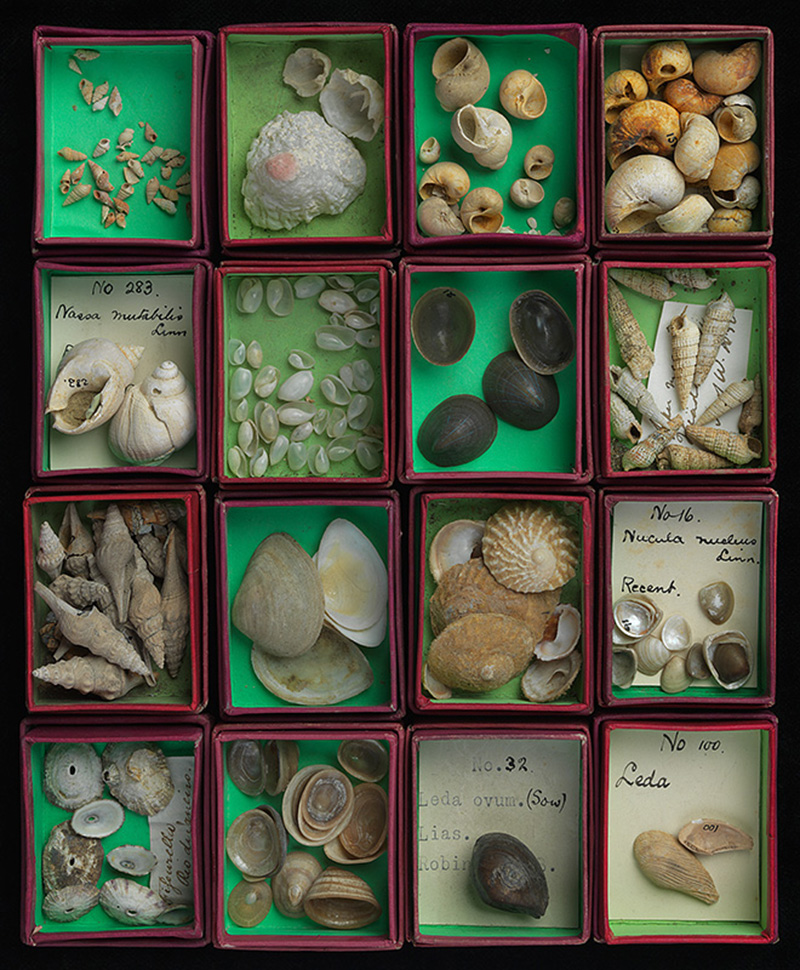
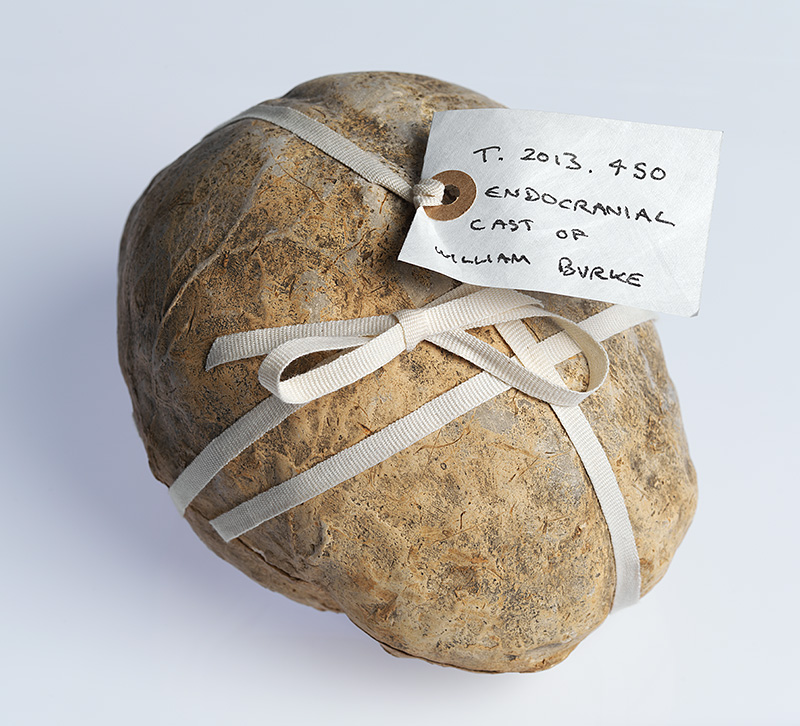
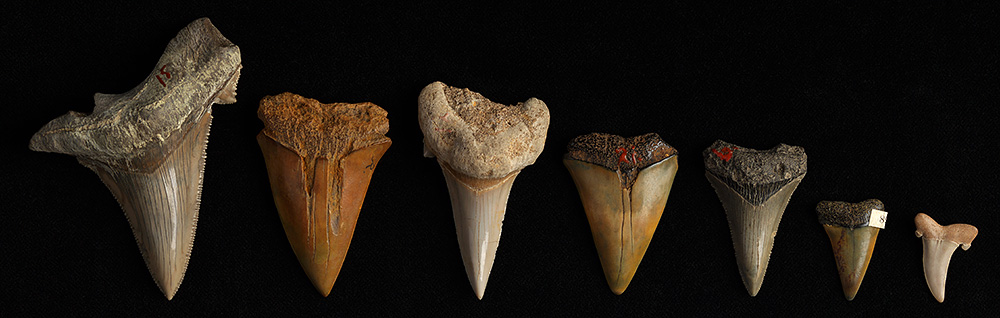
The Digital Imaging Unit have been working on an amazingly diverse range of material recently thanks to a new exhibition being prepared for the Main Library by exhibitions intern Emma Smith. Collect.ed is the title of the exhibition described as “Curiosities from the University’s collections”. This work has presented the challenge of photographing a cast of the serial killer Burke’s brain, seven prehistoric shark’s teeth and a fabulous box of shells collected by Charles Darwin himself. Collect.ed will open on 5th December 2013 and run until 1 st March 2014, Monday to Friday 10.00am – 5.00pm, Saturday 10.00am – 1.00pm, Free Admission!
Malcolm Brown
New Book Display: Black History Month
During October, the Main Library have been displaying books which have been donated to the Library by the University’s African Caribbean Society (in association with EUSA Global). There are approximately 40 books being displayed as part of Black History Writers Month, these are part of the New Books Display in the 4 bays near the door to the 1st Floor landing.
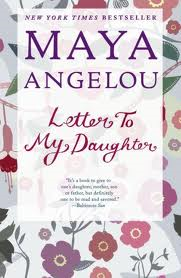
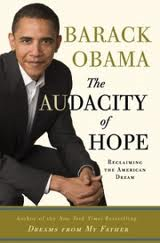
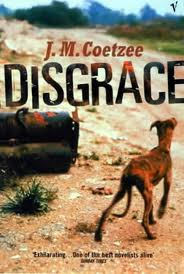
Each October, Black History Month aims to raise awareness and facilitate conversation among the University community to mark the achievements of Black people through history and today, and we are delighted to support this initiative. There is a great assortment of books, which we’re sure you’ll find interesting.
If there are any queries about the display, please contact Nicola Moncur: (nicola.moncur@ed.ac.uk)
Many thanks to Shenxiao Tong, Maria & Agnieszka from Collections Management and Melissa Moncrieffe from EUSA for making this possible.
For more information on Black History Month, please check out the following link:
http://www.eusa.ed.ac.uk/getinvolved/eusaglobal/globalevents/blackhistorymonth/events/
The Edinburgh Research Archive is 10 years old!
 It may seem strange but back in 2003 Open Access was a relatively new ‘thing’. Prior to 2003 many people still used the term Free Online Scholarship interchangeably with Open Access.
The launch of the Budapest OA Initiative in late 2001/early 2002 helped crystallise the international movement that we see today and cemented the term Open Access in our vocabulary.
In the UK, one of the early supporters of the Open Access movement was JISC who funded the ground breaking Focus on Access to Institutional Resources (FAIR) programme.
The FAIR programme supported a number of projects in UK institutions that investigated and developed services based on the (at the time) brand new Open Archive Initiative. Edinburgh was involved in two of these projects – Theses Alive! and SHERPA.
The Theses Alive! project (2002-2004) showed, by building a proof-of-concept service, that an electronic theses programme is a viable proposition for most UK HE institutions. The findings of this project were carried forwards by the EThOS project, in which Edinburgh University Library was a developmental partner.
The original SHERPA project (2002-2006) originally consisted of 7 development partners and successfully developed a vanguard network of institutional repositories in the UK. The SHERPA partnership now consists of 34 partners and affiliates overall, comprising 32 HE institutions, the STFC and the British Library.
The lasting legacy of these two projects is the Edinburgh Research Archive. Over time the scope and focus of ERA has changed from being a blended open access repository containing all research outputs. Some of this functionality has now been taken over by our Current Research Information System PURE. Now the remit of ERA is to look after documents written by academic authors based or affiliated with Edinburgh that have sufficient quality to be collected and preserved by the Library, but which are not controlled by commercial publishers. Holdings include full-text digital doctoral theses, masters dissertations, project reports, briefing papers and out-of-print materials.
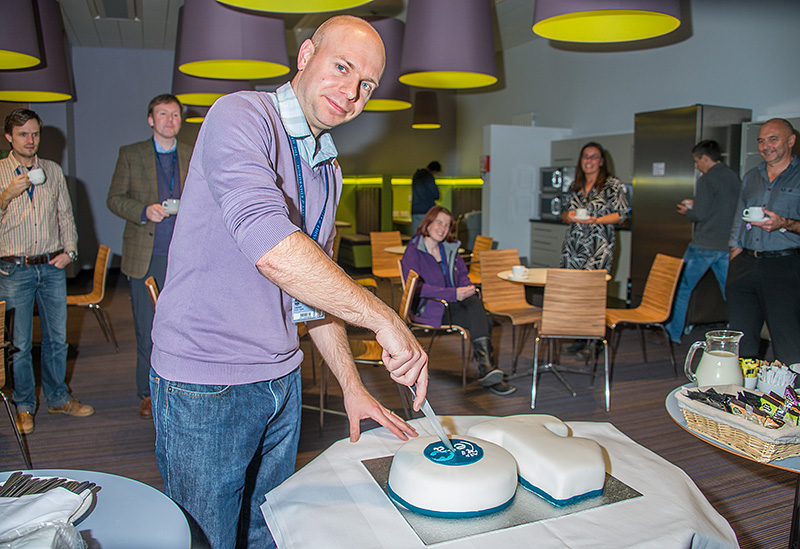
Currently there are over 7000 full text items archived in ERA, and over 100,000 visitors a month. Over a decade of service we calculate that’s well over 10 million people served.
Here’s to another 10 (years and million downloads!).
Edinburgh College of Art Collections

Please forgive the takeover of the Library & Collections blog by ECA Collections! We thought you might like to see a few highlights from our posts over on the ECA blog.
We can also be found on Twitter @ECAcollections.
Mystery Children’s Book Illustrations
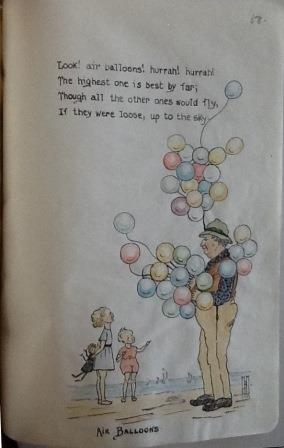
We can’t find anything about the author/ illustrator M. B. Matheson from Lockharton Crescent, Edinburgh so far in staff and student lists. So we’re asking for your help.
Do any of you know who this illustrator is? There is one clue in the volume entitled Quaint Tales in Line and Rhyme. Written at the front is ‘These children’s books were written in order to try and recall Donald’s back memory which was blank after the accident’.
Whether we find out who Matheson is or not, we thought we’d share an image of the ballons on this blustery day! Enjoy!
First published 16.4.2013
From the Art Collection #75

Mastaba by James McGlade
First published 3.10.2013
Collections
 Love, Loss, and Literature: Cataloguing the Papers of Irene Jessie Young
My name is Nancy Britten, and I’m in my fourth year of studying History at...
Hill and Adamson Collection: an insight into Edinburgh’s past
My name is Phoebe Kirkland, I am an MSc East Asian Studies student, and for...
Love, Loss, and Literature: Cataloguing the Papers of Irene Jessie Young
My name is Nancy Britten, and I’m in my fourth year of studying History at...
Hill and Adamson Collection: an insight into Edinburgh’s past
My name is Phoebe Kirkland, I am an MSc East Asian Studies student, and for...
Projects
Cataloguing the private papers of Archibald Hunter Campbell: A Journey Through Correspondence
My name is Pauline Vincent, I am a student in my last year of a...
Archival Provenance Research Project: Lishan’s Experience
Presentation My name is Lishan Zou, I am a fourth year History and Politics student....