Home University of Edinburgh Library Essentials
September 24, 2026
My journey in Edinburgh
Guest blog post by Dr Raj Kumar Bhardwaj, Chief Librarian at St. Stephen’s College – University of Delhi, New Delhi, India.
About myself
I am Dr Raj Kumar Bhardwaj, Chief Librarian at St. Stephen’s College, University of Delhi and Assistant Professor at the Central University of Punjab. I am the author of 65 research papers and have delivered over 100 talks. Throughout my career, I have received a number of awards, such as the Commonwealth Professional Fellowship (UK).
I got an opportunity to avail myself of the two-week fellowship on Research Data Management hosted by the University of Edinburgh. My local mentor was Robin Rice, Data Librarian and Head of Research Data Support of the Information Services.
My experience in Edinburgh
Day #1
In the morning, I met Robin. She provided me with a comprehensive overview of the Research Data Services and introduced me to other team members: Simon, Kerry, Maeve, and Stefano.
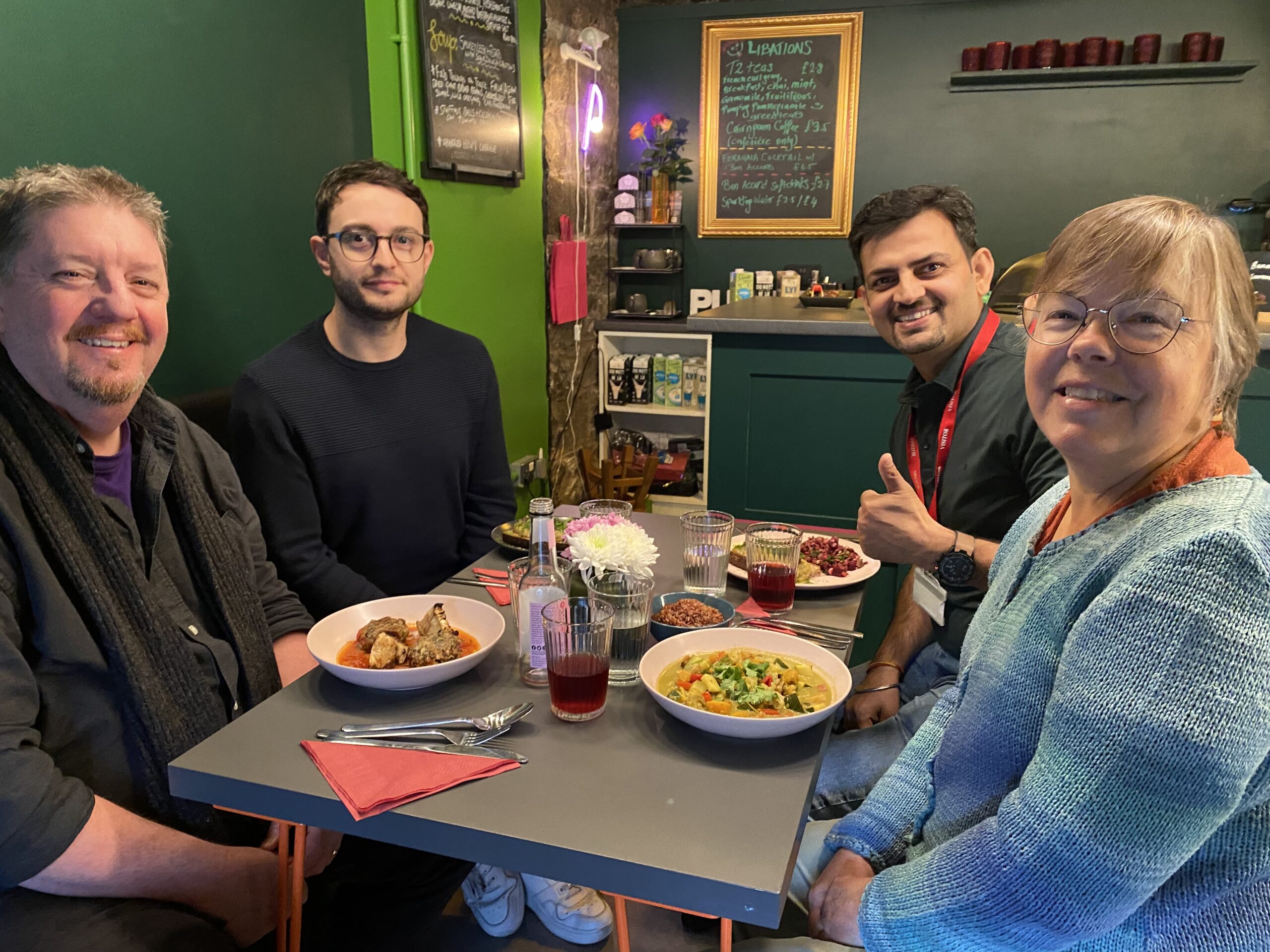
From left: Simon Smith, Stefano Bordoni, Raj Bhardwaj, Robin Rice at Pulse vegan cafe.
On the same day, I had the pleasure of meeting Dr Elizabeth Williams, Head of Library Academic Support, which is a primary link between Colleges and Schools, and the Library.
Later, I met Jeremy Upton, the Director of Library and University Collections. Jeremy shared his insights on the potential use of AI in the library to enhance results. To conclude the meeting, Jeremy took me on a library tour, where I had the opportunity to view the Makerspace section.
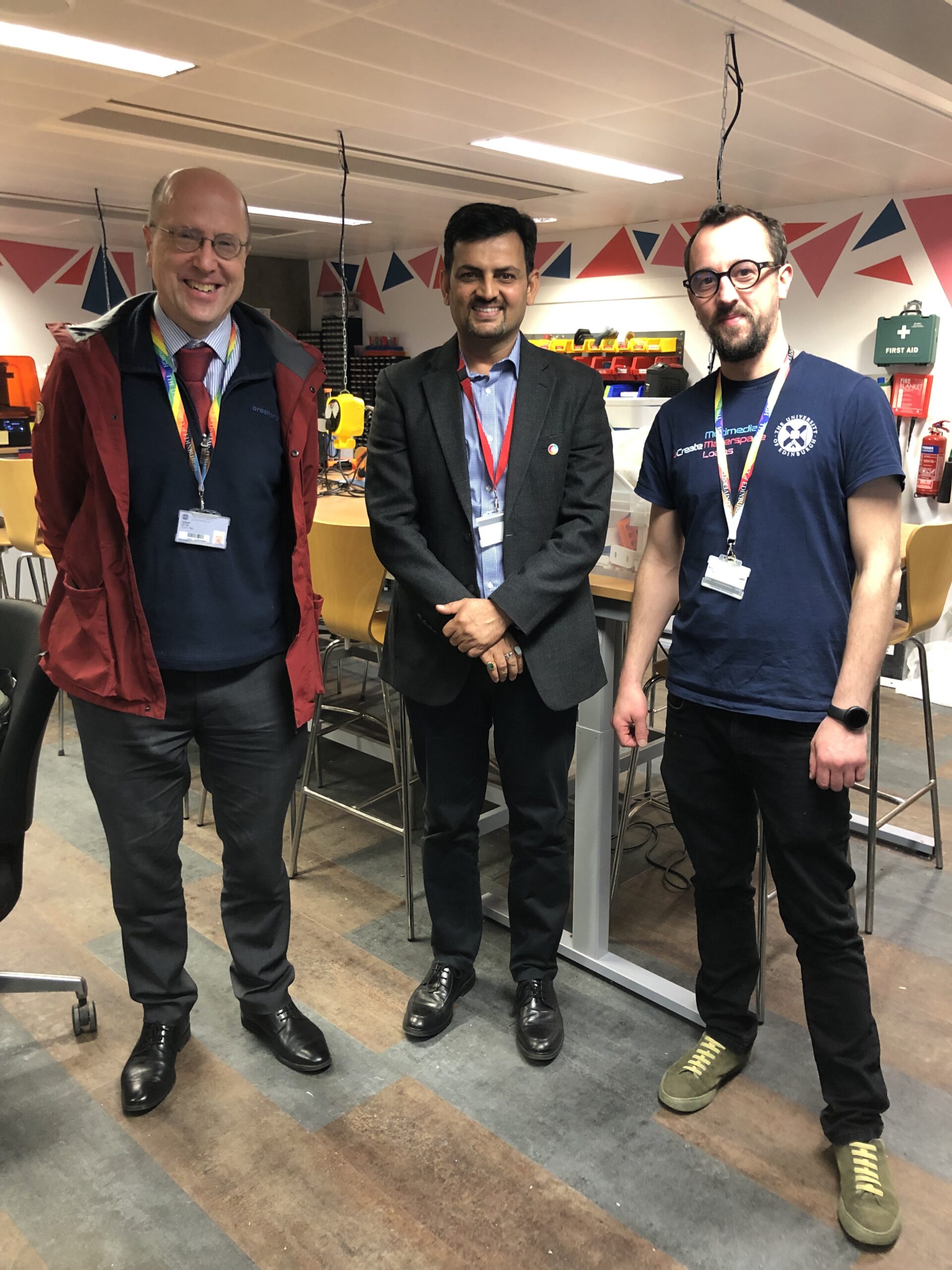
Jeremy Upton, Raj Bhardwaj, Simeon Newbatt (Makerspace Manager).
Day #2
On the 7th of November, I met Dominic Tate, Head of Library Research Support. Dominic explained the structure of the Converged Services in the university, where the library plays a vital role along with IT. We also discussed the roles and responsibilities of his team members in providing research support services.
The same day, I met Maeve McCann, who operates the DataVault facility. She thoroughly explained DataVault’s structure, and the fees applied for data over 100GB.
Later, I attended the workshop on open access publishing organized by Dr Theo Andrew. Theo emphasized the UoE strategies on this topic and showcased systems available to researchers, such as library-supported open access journals.
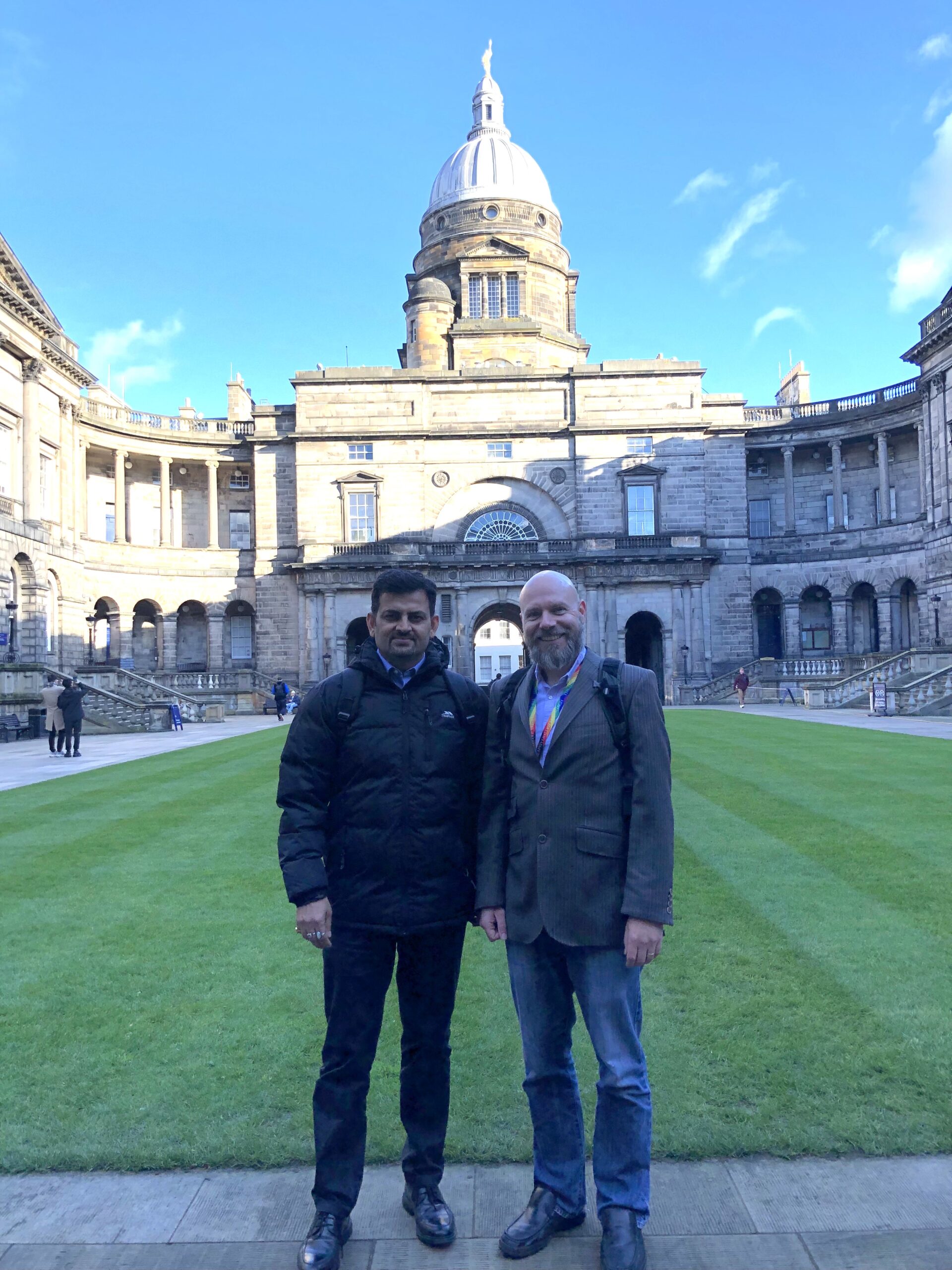
Raj and Theo at Old College
Day #3
The first meeting of the day was organized with Stefano Bordoni, who curates DataShare: the open access data repository of the university. He emphasized the popularity of DataShare among researchers. Stefano demonstrated the overall structure of DataShare.
Later, I met Simon Smith, another member of the RDS team. He explained the Data Management Plan tool, DMPOnline, which help users with their data management. He also delivers training.
Then, I met Sara Thomson, Digital Archivist of the University. Sara explained the significance of digital archiving within the university, especially non-published works. The University of Edinburgh made substantial investments on this.
Later, I met Mary Paulson-Ellis, Royal Literary Fellow who assists researchers 12 slots per week for researchers, including master’s students, on various aspects of academic writing.
The fifth meeting was with Kerry Miller. She promotes several initiatives on the topic of ethics and research integrity, cultural change and citizen science; among them, the Edinburgh Open Research Conference. She also delivers training on those subjects.
The last meeting of the day was with Kevin Ashley, Director of the Digital Curation Centre, who developed the DMPonline tool. He discussed a variety of aspects relating to the start of the National Data Service and discussed data produced under different national legislations.
Day #4
I first met Neil, the Citizen Science Engagement Officer at the University of Edinburgh (UoE). Neil delivers Participatory Science initiatives. They encourage researchers to integrate citizen science into their projects.
The last meeting of the day was with James Reid, the Geospatial Service Manager. Digimap, as a national service, covers multiple datasets, including ordinance data, environmental data, economic data, etc.
Day #5
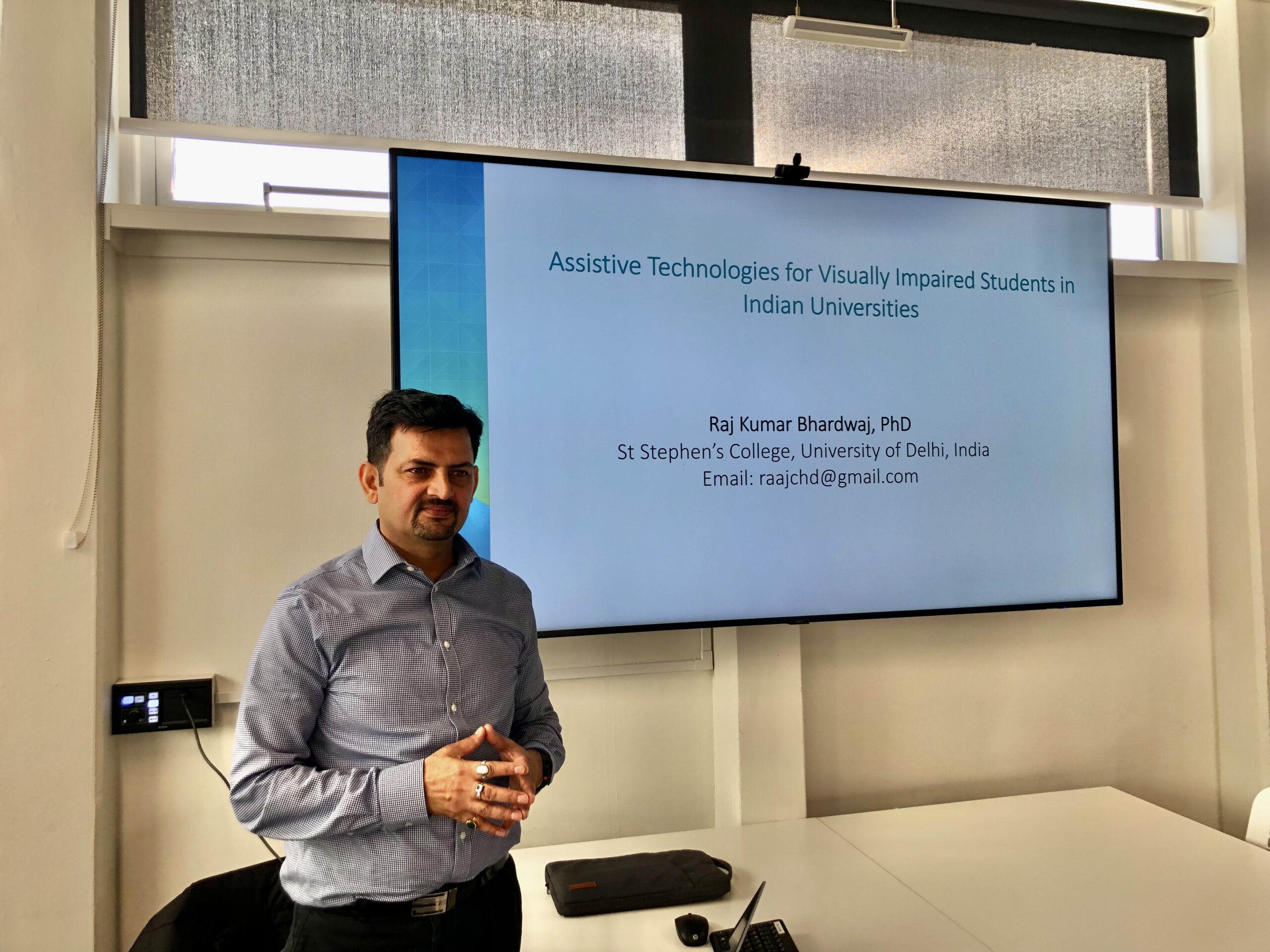
Raj giving his presentation at Napier University.
I delivered a talk at Edinburgh Napier University on “Assistive Technologies for the Visually Impaired in Indian Universities”, where I shared the work I conducted over the last three years. The response was positive, with several attendees and many questions asked.
In the afternoon, I met with Nik Tahirah Nik Hussin, who introduced me to Pure and Worktribe: two services storing research outputs and grant applications records.
I am highly grateful to Robin for this opportunity. I wish to work more with her wonderful team, which she leads graciously. My visit to the University of Edinburgh was full of joy and learning.
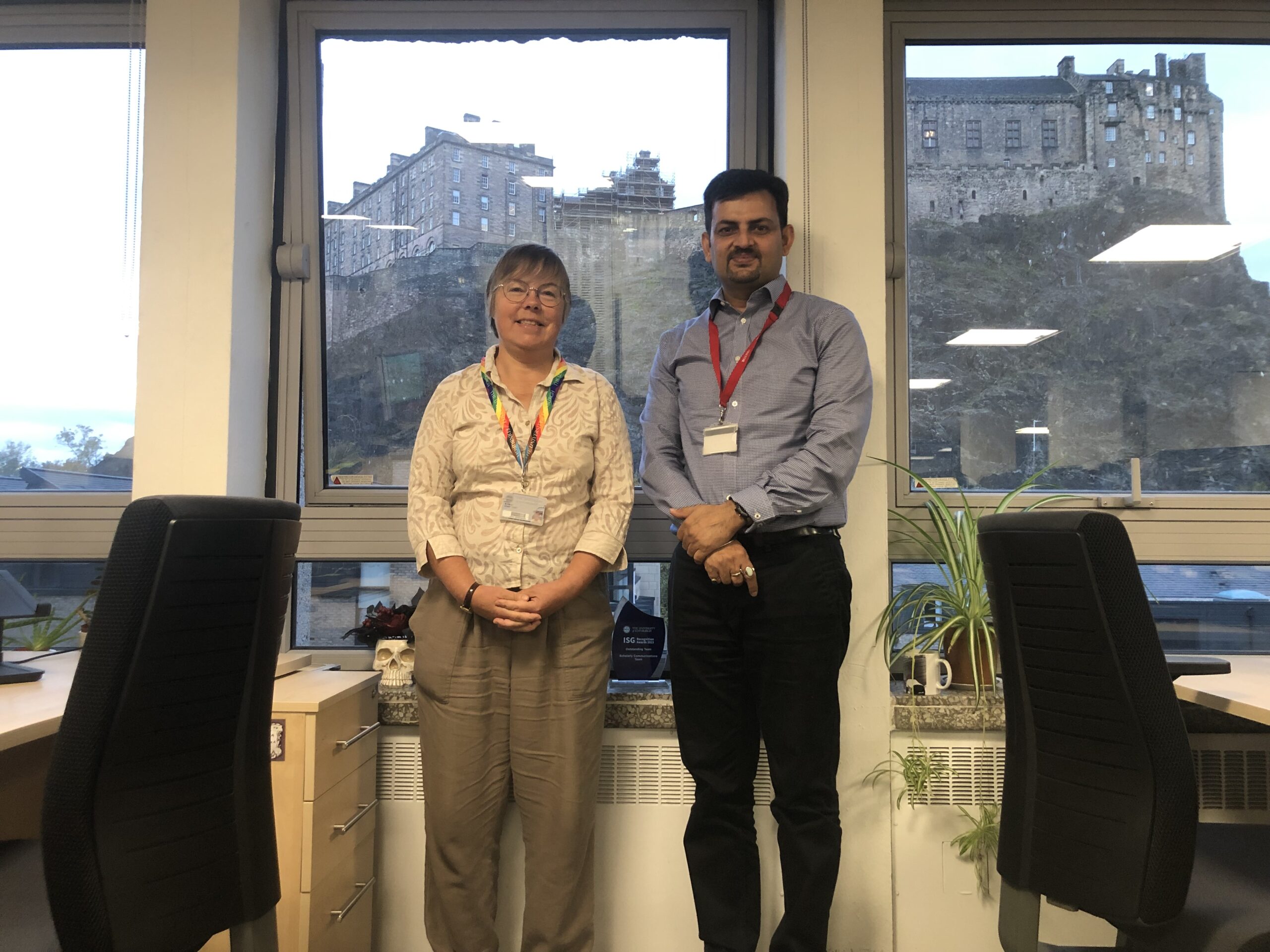
Robin and Raj at the team’s office in Argyle House.
Five reasons you should use LibSmart to prep for your assignments
Here we are midway through the first semester, and you may start to feel like you should be looking ahead to your end of semester assessments. Often students feel a bit overwhelmed before their first hand in, but here at the library we’re keen to help you feel confident from the start. Read on to find out why LibSmart is one of the best ways to prepare for your research and writing….
1. LibSmart shows you the basics of finding information in easy-to-follow lessons
Split into five simple sections, LibSmart I takes you through everything you need to find good material to base your assignments on. You’ll learn about how to search the library catalogue, how to double check your course reading, and suggestions of where to go for follow up resources.
2. You can dip in and out of it any time that suits you
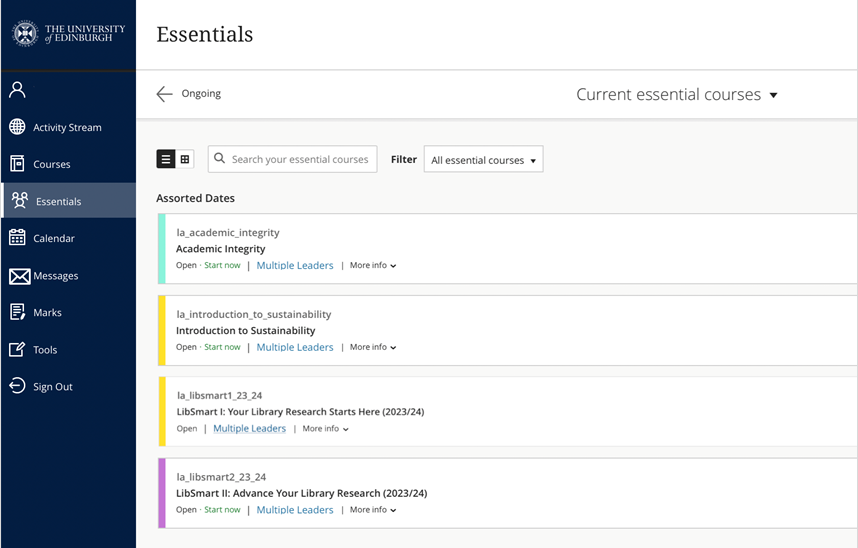
One of the great things about LibSmart is all new students are already enrolled! You just need to log in to learn and click on the ‘Essentials’ tab on the left to find it. It’s there whenever you need it all year long, so if you’re feeling like you need to be productive at 11pm one evening then log on and complete a module. We’re sure you’ll either learn something new or you’ll feel more confident that you’re on the right track.
3. The whole of LibSmart I can take less than one afternoon to work through
We designed LibSmart I so that it’s not a huge effort for you to complete. We know your time is precious and that you may have classes to get to, work shifts to make or social activities that are a huge and important part of your student experience. We wanted to make the information in LibSmart as accessible as possible, and while you can take it at whatever pace you like, we know that some students like to rattle through it in just one day. Whichever route you chose, we appreciate the time you spend there.
4. You’ll learn valuable skills on how to get started with referencing
Referencing is one of the top enquiries we Academic Support Librarians receive – people are confused by it or don’t understand what, where and how to do it properly. LibSmart I has a really useful introductory module that can help you get to grips with the foundations of referencing, and offers top advice on how to find the right style and systems for you. If you’re feeling stuck with where to start then this is the place to go.
5. It’s so much more than just library stuff!
We know it’s a lot to ask students to spend a few hours on looking specifically at library catalogues and databases especially when this isn’t prescribed reading on any particular course. However, students who’ve spent time on LibSmart believe it’s really made a difference to their experience as a student.
When I signed up, I assumed the course was just an introduction to the library but it has really been a guide to how academic research works. I wonder if more people would have signed up for this if they had realised it was not just a tour of the library to see where the books were kept. Along with the one hour “Study Skills” course I did, which was also surprisingly useful in its content, I feel I got as much learning from these free courses as the main one I paid for.
If you’re interested in giving LibSmart a go, you can find out more on our website.
Alternatively if you’re keen to get started straight away, just visit Learn and click on the Essentials tab on the left hand navigation. It’s all there ready for whenever you need it!
Did you know…? Study Space Traffic Lights
We’ve recently heard from students and staff that they would love for some kind of indicator of how busy the Law Library is when it comes to finding a study space. But did you know we’ve already got this information on our website?
If you visit the Law Library Location & Contact page you will find a traffic light panel that will tell you exactly how busy the library is at any time, and this information refreshes every 5 minutes! This is based on anonymised data taken from the swipe entry gates to the library, so while it doesn’t give us a seat-by-seat count of which spaces are available it’s a pretty good indicator of busy periods.
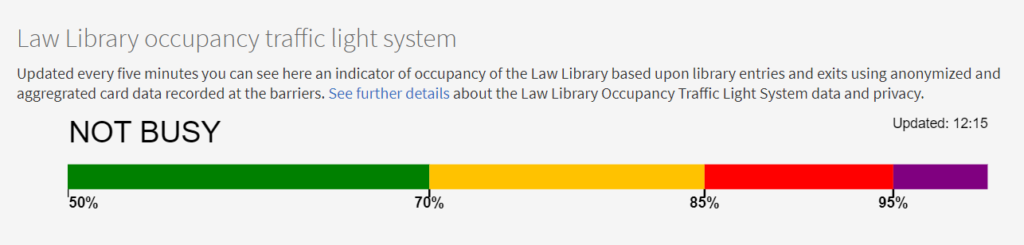
You’ll see above the colour coded lights that the bold text tells us that at 12.15 today the library is NOT BUSY. If you use your cursor to hover over the bar on the website a pop up text box will appear, which currently says “Library is at 20% of occupancy. You will find a choice of spaces in the library.”
If the library is full when you’re trying to visit you can check out the Study Spaces website for suggestions of where else you can go on central campus. You should also be aware that during the lead up to exams we make the MacLaren Stuart and Quad Teaching Rooms open for study. When these are available there will be large signs posted at the entrance to the library directing students to the available rooms.
NOTE: The traffic light sign is usually also displayed on the plasma screens next to the Helpdesk when you visit the Law Library, near the entrance to the Reserve section. At present this is not working properly but we are in the midst of getting it fixed, and will update when it is available again.
Women’s best friend: Histories of Animal Rights, Veterinary Science and Early Suffrage
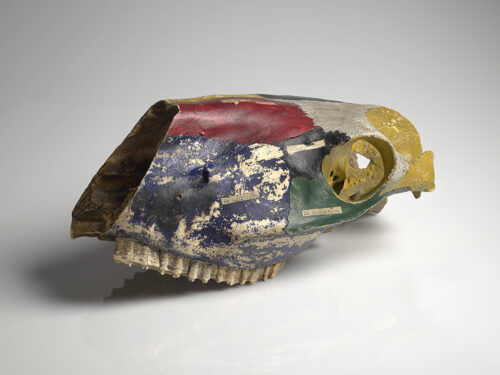
I am a recent addition to the Cultural Heritage Digitisation Service team. I was previously a studio photographer, with an additional specialism in biological and microscopic photography. My scientific artwork has been exhibited in Edinburgh and was recently shortlisted for the Royal Photographic Society’s International Open Call. My previous digitisation and archival experience stems from my master’s degree in biological photography, where we had an extensive selection of taxidermy animals, skeletons and pinned insects. Some moths were over 200 years old!
Graveyards and ghosts in web archiving
October 1969 was a busy month. Monty Python’s Flying Circus aired for the first time; Steve McQueen, Trey Parker and PJ Harvey were born; and on a dark, dark night (or about 10.30pm on the 29th), a 21-year-old UCLA student called Charley Kline started to transmit a message to the Stanford Research Institute using the Advanced Research Projects Agency Network. He meant to send the word ‘LOGIN’ – but the receiving system crashed at ‘LO’. And thus, the internet was born.
On trial: East India Company
Thanks to a request from a member of staff in HCA the Library currently has trial access to East India Company: India Office Records from the British Library, 1599-1947 from AM Digital. This digital resource allows students and researchers to access the vast and remarkable collection of primary source documents from the India Office Records, the single most important archive for the study of the East India Company.
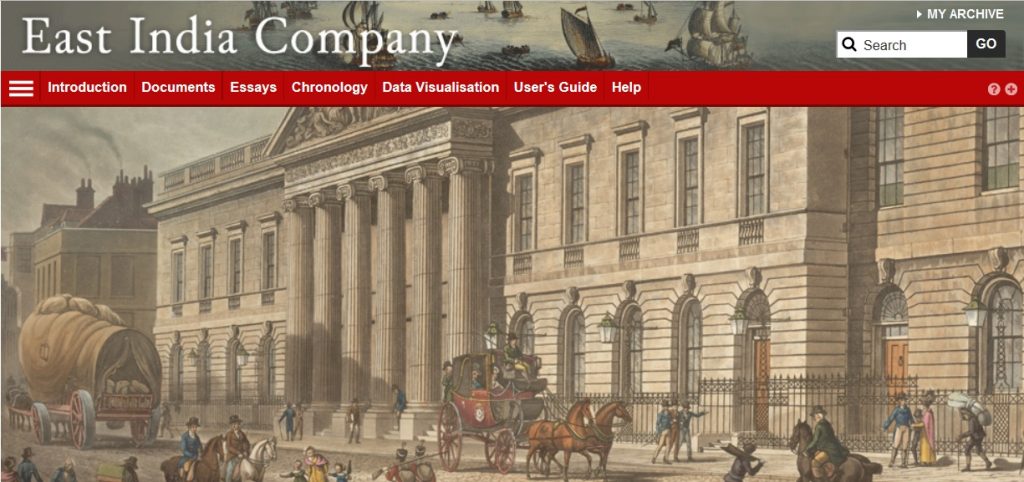
You can access East India Company via the E-resources trials page.
Trial access ends 1st December 2023. Read More
Witches and Animals in the School of Scottish Studies Sound Archives
Nicole Deacon is a volunteer in the Civic Engagement Team. As someone who has always been interested in all things witches, witch trials and witchcraft since she was very young, this was a topic that she was drawn to when she was first started volunteering with us and researching stories in the university’s archives at the age of sixteen. Nicole wanted to educate people about the role witches and folklore played in our history. We thought today being Hallowe’en would be a good day to share some of the results of that research with you.
When I first started looking into ideas about witches in the archives, I found that there are two main sources with a lot of information: the Tobar an Dualchais website which contains many sound recordings from the School of Scottish Studies Archives (as well as The Canna Collection and BBC Radio Gàidheal) and the Carmicheal Watson Collection. Both of these sources give us a great insight into Scotland’s rich history of folklore.
One thing that I noticed about many of the stories I came across was the connection between witches or witchcraft and animals. In this blog post, I’d like to share some examples of stories which feature this this connection by telling us about witches who change shape into animals or beings who can shapeshift between animal and human such as Selkies and Kelpies.

Story about a witch transforming herself into a hare, Nan Marshall (Contributor), Dr Emily Lyle (Fieldworker), ref. SA1974.171.B9, School of Scottish Studies Archives, University of Edinburgh
An Eighteenth Century Witch Trial Following a Plague of Cats, Donald Grant (Contributor), Prof. Tadaaki Miyake (Fieldworker), ref. SA1972.240.B5 , School of Scottish Studies Archives, University of Edinburgh
A Shape Shifting Witch Met her End, Donald Grant (Contributor), Prof. Tadaaki Miyake (Fieldworker), ref. SA1972.241.B6, School of Scottish Studies Archive, University of Edinburgh
Selkies

Image taken from: Baby Harbor Seal | Openverse
In Northern Scotland, you may hear stories about a water creature called the selkie. Selkies are often, although not exclusively, women reflected in the fact that in Gaelic stories, the word for mermaids and for selkies is the same: maighdeannn-mhara or ‘the maiden of the sea’.[3]
When they are in the sea, selkies live as a seals but on land they transform into women by taking their seal skin off. To go back to their true form, they must put their seal skin back on. Often selkies are trapped by men who steal their seal skins, forcing them to live on land as a human women. Selkies are said to be good wives but very sad. Sometimes in the stories, they give birth to children but if they recovers their skin, they will leave them to return to the ocean. According to the tales, male selkies are very handsome in human form and women find them very seductive. Male selkies will seek out unhappy wives of fishermen who wait for their husband to return.
There are several stories about selkies in the School of Scottish Studies sound archives. One story that takes place on Hallowe’en features a young man who travels to an island where he had heard there were many selkies congregating in a cave. He watches them as they strip off their skins and turn into men and women. They hid their skins while they dance and sing and the young man takes the opportunity to steal the skin of a seal girl he is attracted to. As a result, she is left behind after the dance and marries the man who stole her skin. Many years later her son finds the skin and gives it back to her. She returns to the sea and after that her children would often spot a particularly pretty seal in the waves who would wave to them.
A young man watched the selkies dance, Brucie Henderson (Contributor), Alan Bruford (Fieldworker), ref. SA1970.243, School of Scottish Studies Archive, University of Edinburgh

A Traveller who was pearl-fishing was nearly caught by a kelpie., Stanley Robertson (Contributor), Barbara McDermitt (Fieldworker), ref. SA1981.23.3, School of Scottish Studies Archive, University of Edinburgh.
These are only some of the examples that I came across. Listening to, and reading, these stories gives us an insight into these women and creature’s lives. Was their shapeshifting a way for them to escape blame, to avoid danger or was it for others to cast them as scapegoats?Although many people may not believe in witches or the kelpies, I believe there’s got to be some truth in the stories and legends that are all over the world.
If you want to read more about the different Hallowe’en customs recorded in the School of Scottish Studies Archives, you can read this blog post here which talks about many different customs from burning hazelnuts to reading eggs.
[4] Scottish Mythical Creatures – Kelpies, Selkies, and More (twinkl.co.uk)
[5] Why Are Kelpies So Feared and Distrusted in Scottish Folklore? (icysedgwick.com)
2023 ISG Staff Recognition Awards : Scholarly Communications Team announced as the Outstanding Team of the Year
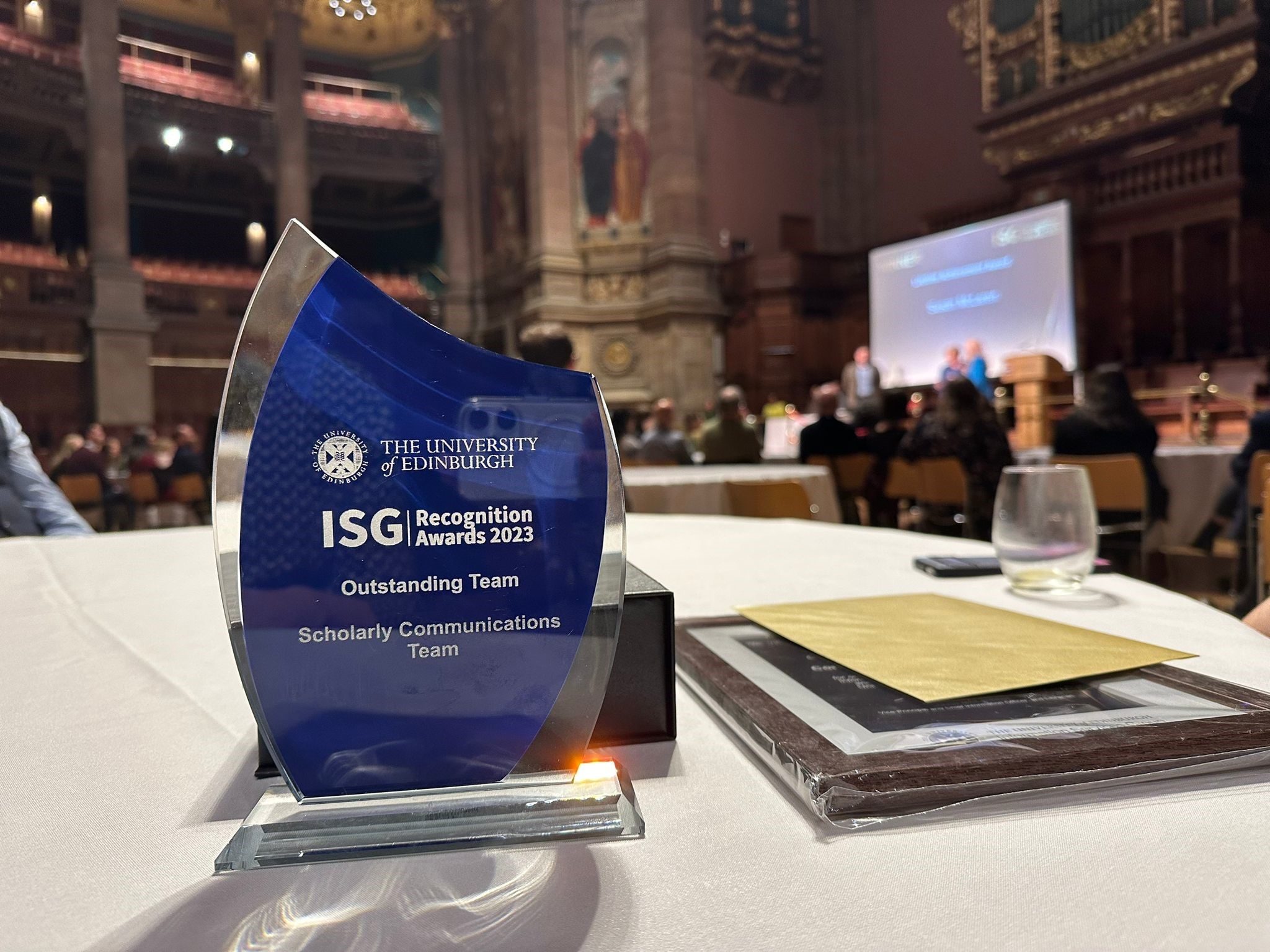
On Tuesday 24th October the second annual ISG Recognition Awards ceremony was held at the spectacular McEwan Hall. The ISG Recognition Awards are intended to celebrate the achievements of the 800 staff that work in the Information Services Group. The awards are peer–led with staff volunteering their time to be judges.
With over 200 nominations received the Library’s Scholarly Communications Team were lucky enough to be selected for the shortlist. At the in person event attended by over 100 staff we were humbled to find out that we actually won the Outstanding Team prize.
Catalyst for change
The nomination was submitted in recognition of the team’s internationally recognised leading work in championing rights retention for the University’s academic staff. The Scholarly Communications Team were the architects behind the ground-breaking Copyright and Research Publications policy, which was formally accepted by the University Executive and introduced on 1 January 2022. The University of Edinburgh was the first UK university to adopt an institutional rights retention policy, and since then over 30 other institutions have followed suit, including the University of Cambridge and the University of Oxford, and in Scotland the Universities of St. Andrews and Glasgow, with lots more actively planning a similar approach.
A positive and immediate impact
Traditionally the copyright to research outputs, like journal articles, is signed away to commercial publishers by authors. This copyright assignation is normally a requirement to publication, and often goes against the authors (and research funders) wishes. Where publishers do not offer open access options the authors research is then locked away behind journal subscription paywalls. The Copyright and Research Publications policy allows the author and institutions to retain and assert the rights to their own work. Authors are able to use and re-use their work as they choose, granting them the freedom to share their research as they wish. This is increasingly important as major research funders – like UKRI and Wellcome Trust – now require immediate open access to research publications that acknowledge their support.
Our policy is an affirmation that the University of Edinburgh fully supports authors in their open access practices.
New trial: Jus Mundi Academic Research
Recently we have arranged access to the Jus Mundi Academic Research database, which we have until 17th November.
Jus Mundi Academic Research is a comprehensive, multilingual, user-friendly and intelligent search engine for international law and arbitration. It covers over 72,000 international law and arbitration documents, including investment arbitration, commercial arbitration, public international law, law of the sea, and international trade-law. Jus Mundi has international cases from more than 100 institutions globally, namely, WTO, ICSID, ICC, ICJ, CAS, PCA, ICDR, IUSCT, ITLOS, SCC, LCIA, ICAC, RAC, SIAC, HKIAC, Mixed Claims Commissions, and ad hoc arbitration tribunals established under the UNCITRAL rules. Commercial arbitration documents including arbitral awards are made available through Jus Mundi thanks to their partnerships with the IBA, ICC, RAC, VIAC, CEA, UAA, ICDR, CBMA, HKIAC, SHIAC, SCCA, THAC and more.
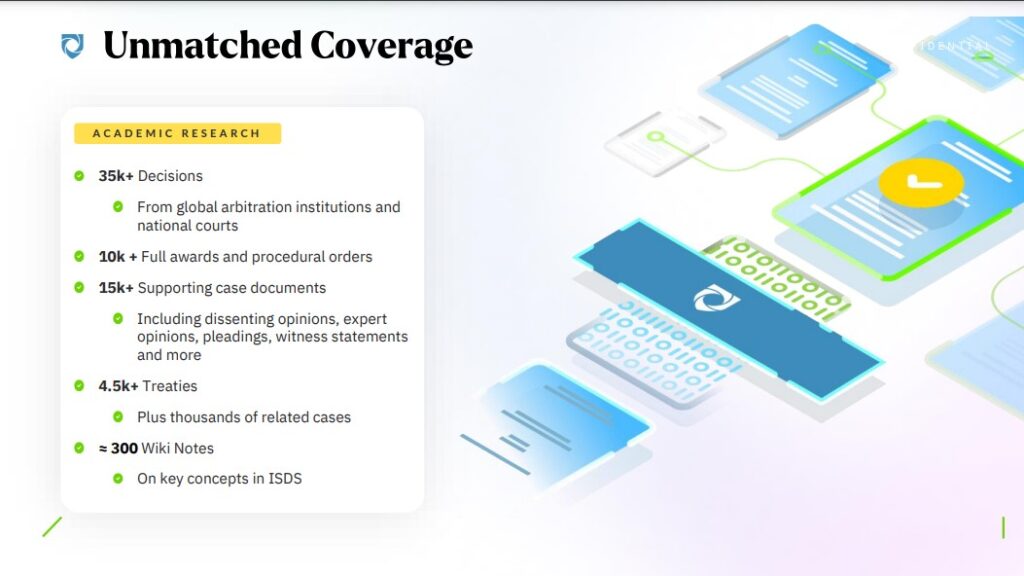
Jus Mundi is a provider who also hosts the ICC Dispute Resolution Channel, so you may already be familiar with their platform. This means we now have access not only to ICC DRL but also to Jus Mundi’s search engine + Documents on Treaties, Cases and Rules of Arbitration, and Wiki notes.
Students and staff may be interested to know there is a dedicated help center for useful information:
- FAQ on the search engine and tools
- FAQ on Wikinotes
- Tutorial videos on all products included in Academic Research Subscription.
To access Jus Mundi please visit the EResources trials page for links and usernames. Don’t forget to complete the feedback form so we know what you think!
Westlaw update: unused accounts removed
Westlaw have recently let us know that they are engaging in some housekeeping activities to ensure the University’s records are being kept up-to-date. What this means is that any University of Edinburgh users who have not accessed their accounts for more than 15 months will have their account closed. The benefits to this are that we can keep an accurate log of how many users are actively using the database and that we do not exceed the student numbers we’ve quoted to the provider.
If this happens to your account and you are still a current student or staff member who needs access, you can simply re-register your university email address on Westlaw and continue to use the platform as before. However, your preferences and saved documents or favourites will no longer be stored, so you will need to add them back into your bookmarks when you log in. To avoid losing this data simply ensure you log in to Westlaw using your account at least once per semester.
We don’t anticipate this causing any major issues for our staff or students but if you do encounter problems with Westlaw or any of our other databases, please do let us know by email.
Collections
 Love, Loss, and Literature: Cataloguing the Papers of Irene Jessie Young
My name is Nancy Britten, and I’m in my fourth year of studying History at...
Hill and Adamson Collection: an insight into Edinburgh’s past
My name is Phoebe Kirkland, I am an MSc East Asian Studies student, and for...
Love, Loss, and Literature: Cataloguing the Papers of Irene Jessie Young
My name is Nancy Britten, and I’m in my fourth year of studying History at...
Hill and Adamson Collection: an insight into Edinburgh’s past
My name is Phoebe Kirkland, I am an MSc East Asian Studies student, and for...

Projects
Cataloguing the private papers of Archibald Hunter Campbell: A Journey Through Correspondence
My name is Pauline Vincent, I am a student in my last year of a...
Archival Provenance Research Project: Lishan’s Experience
Presentation My name is Lishan Zou, I am a fourth year History and Politics student....