
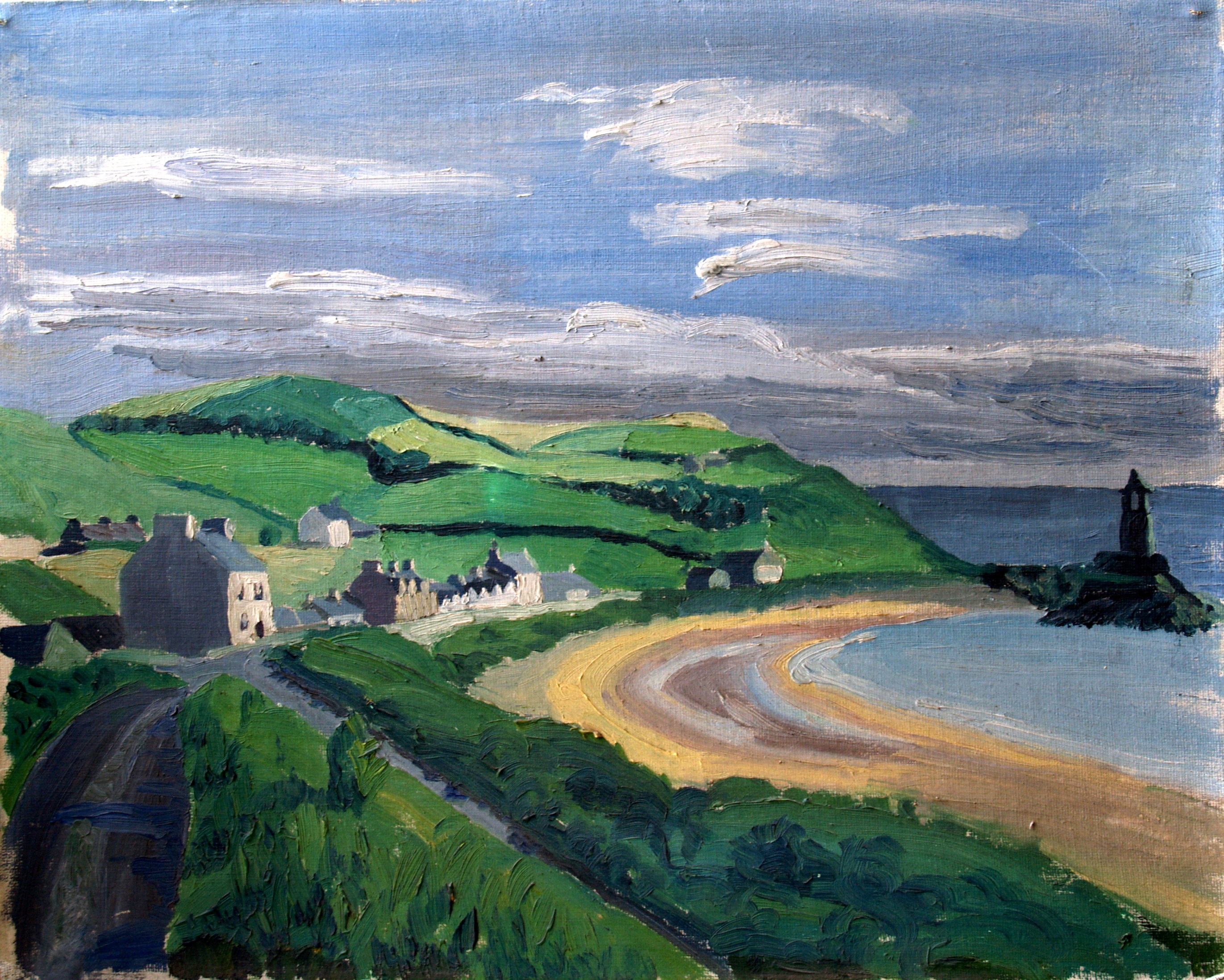
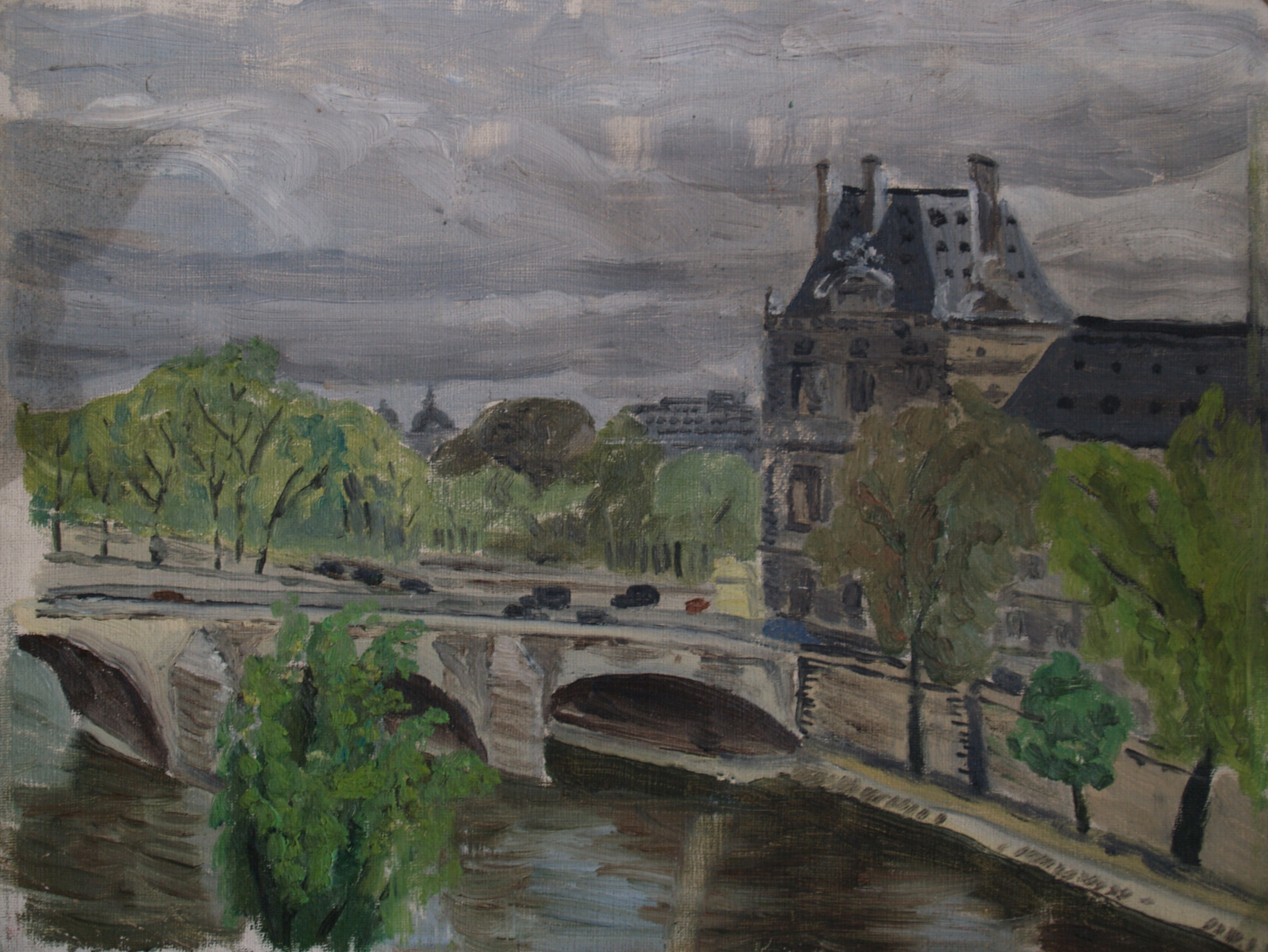
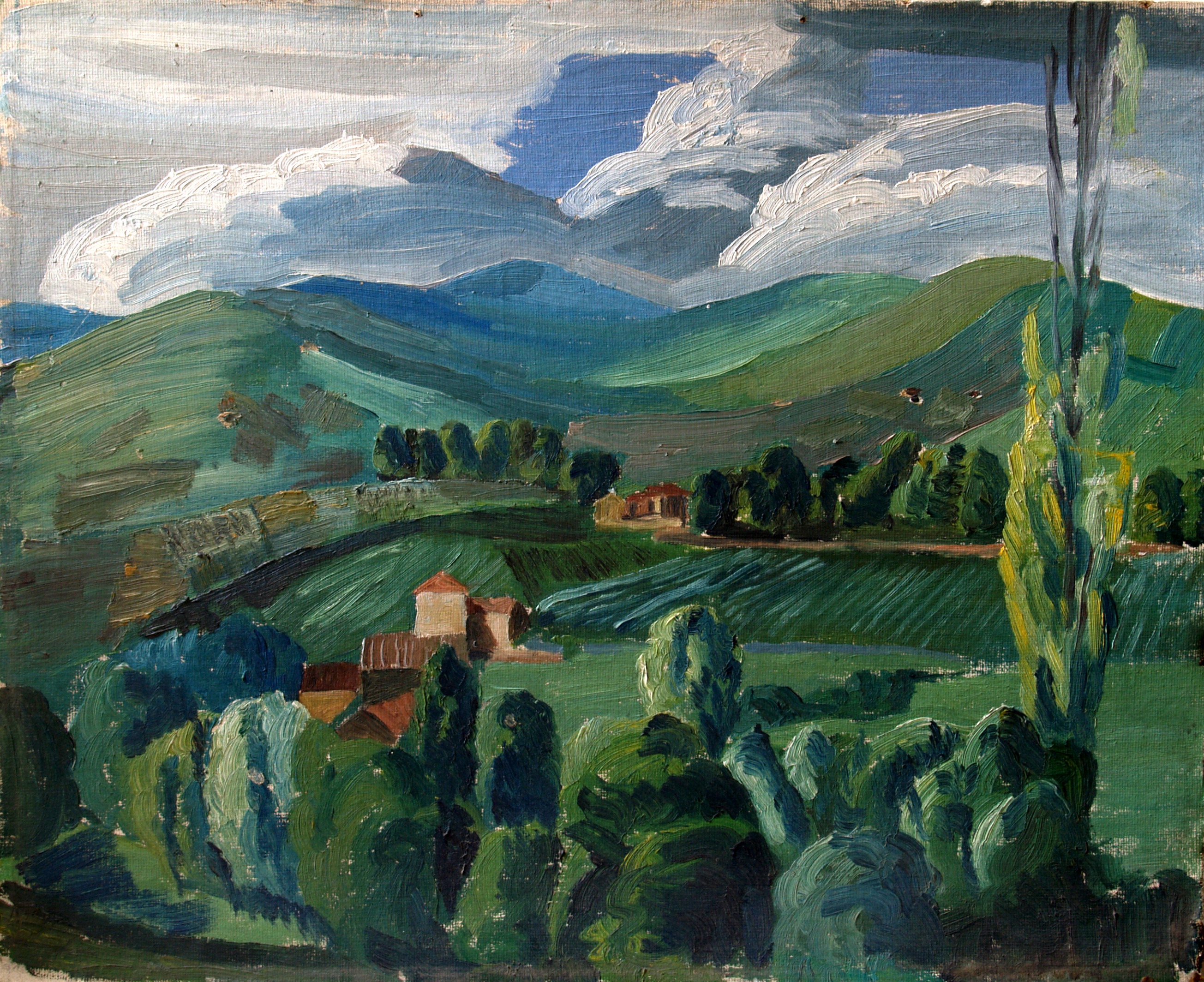
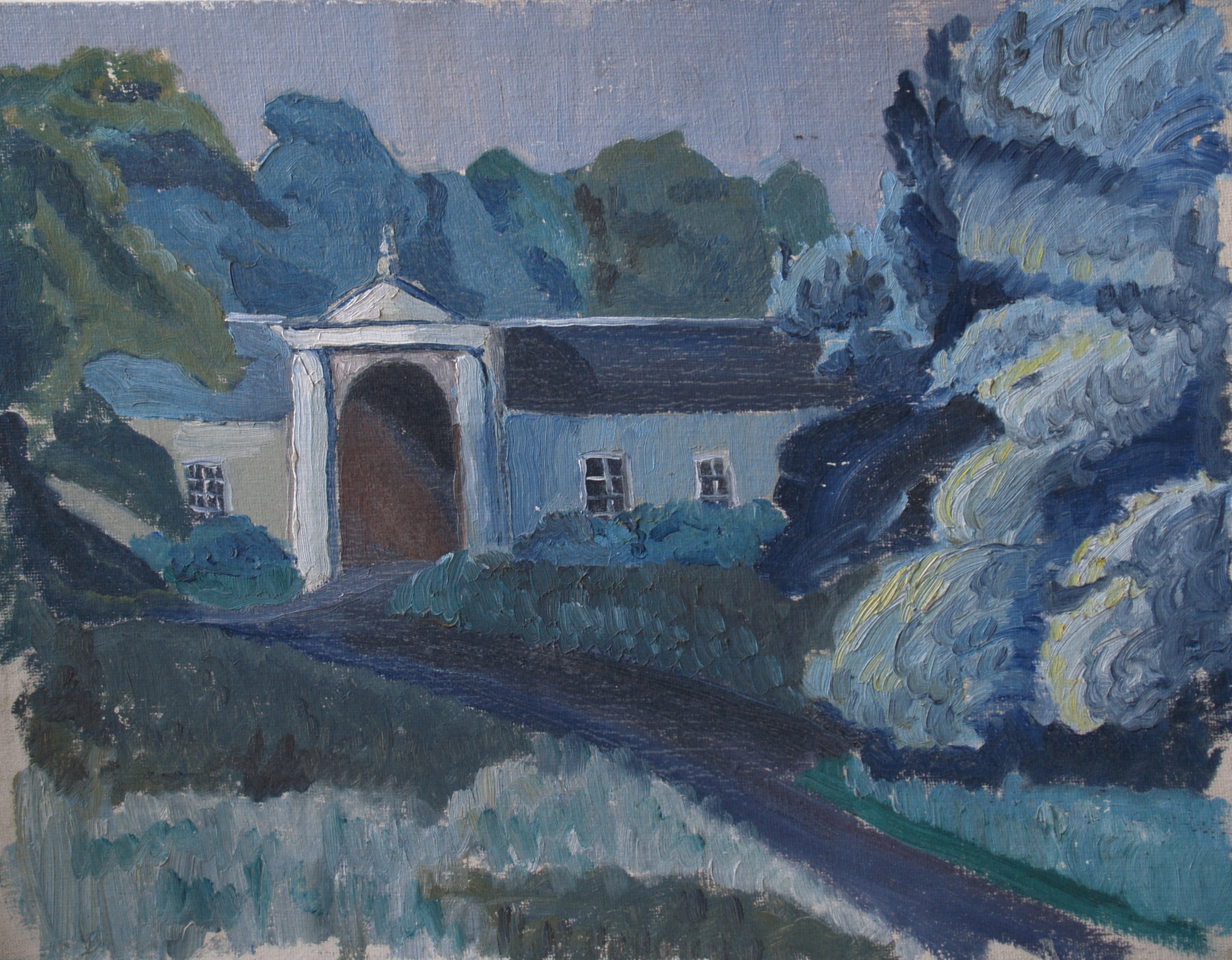
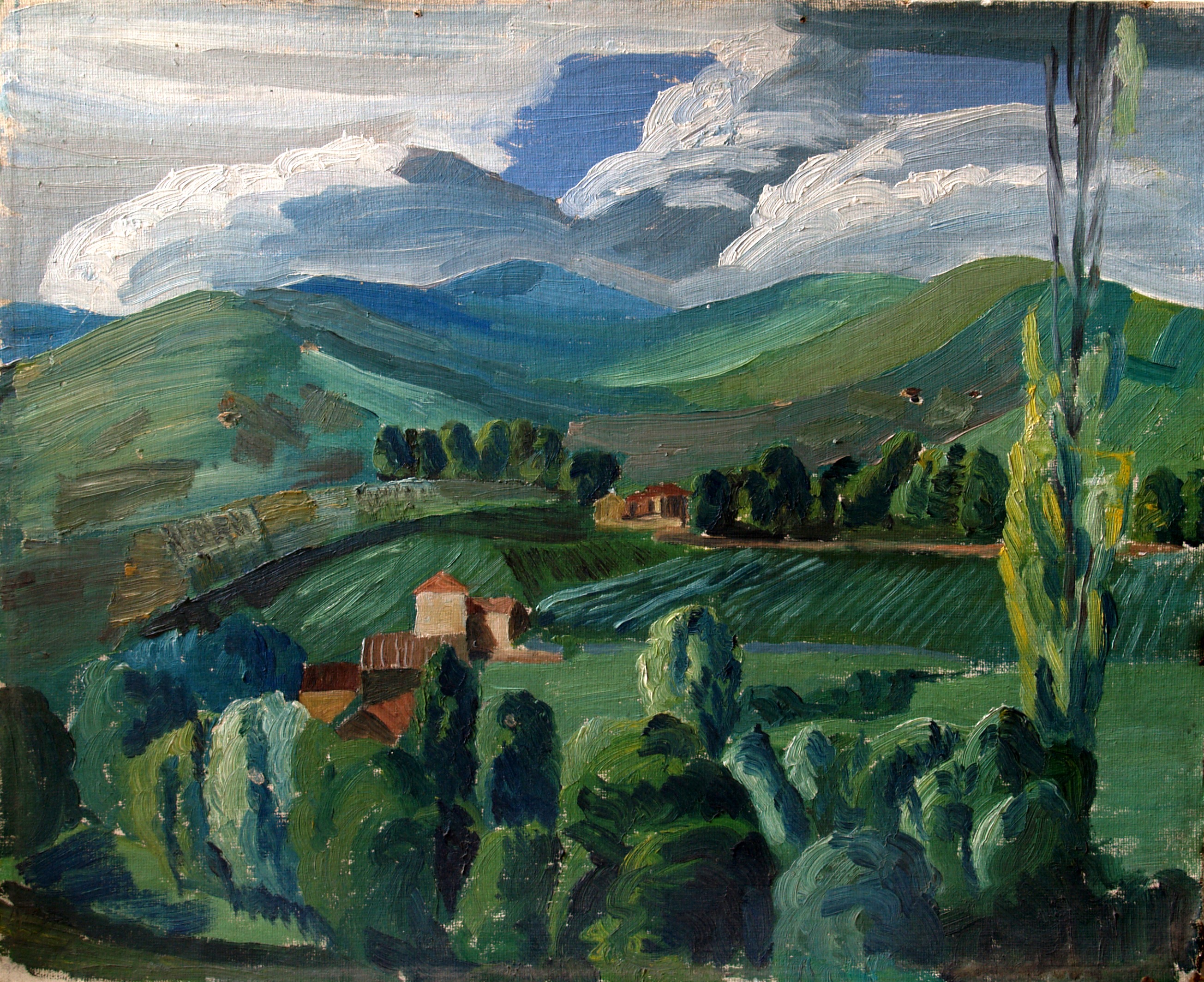
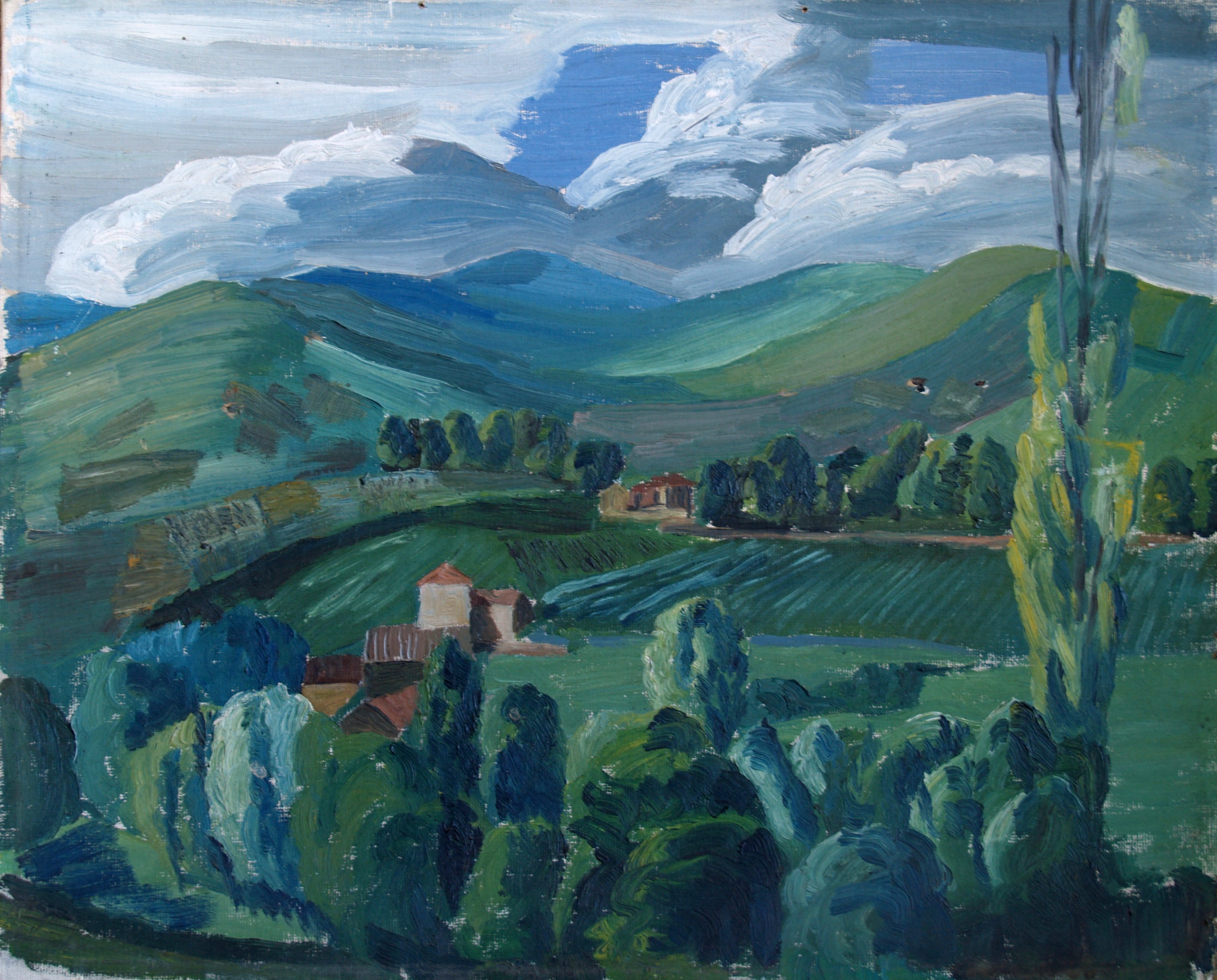
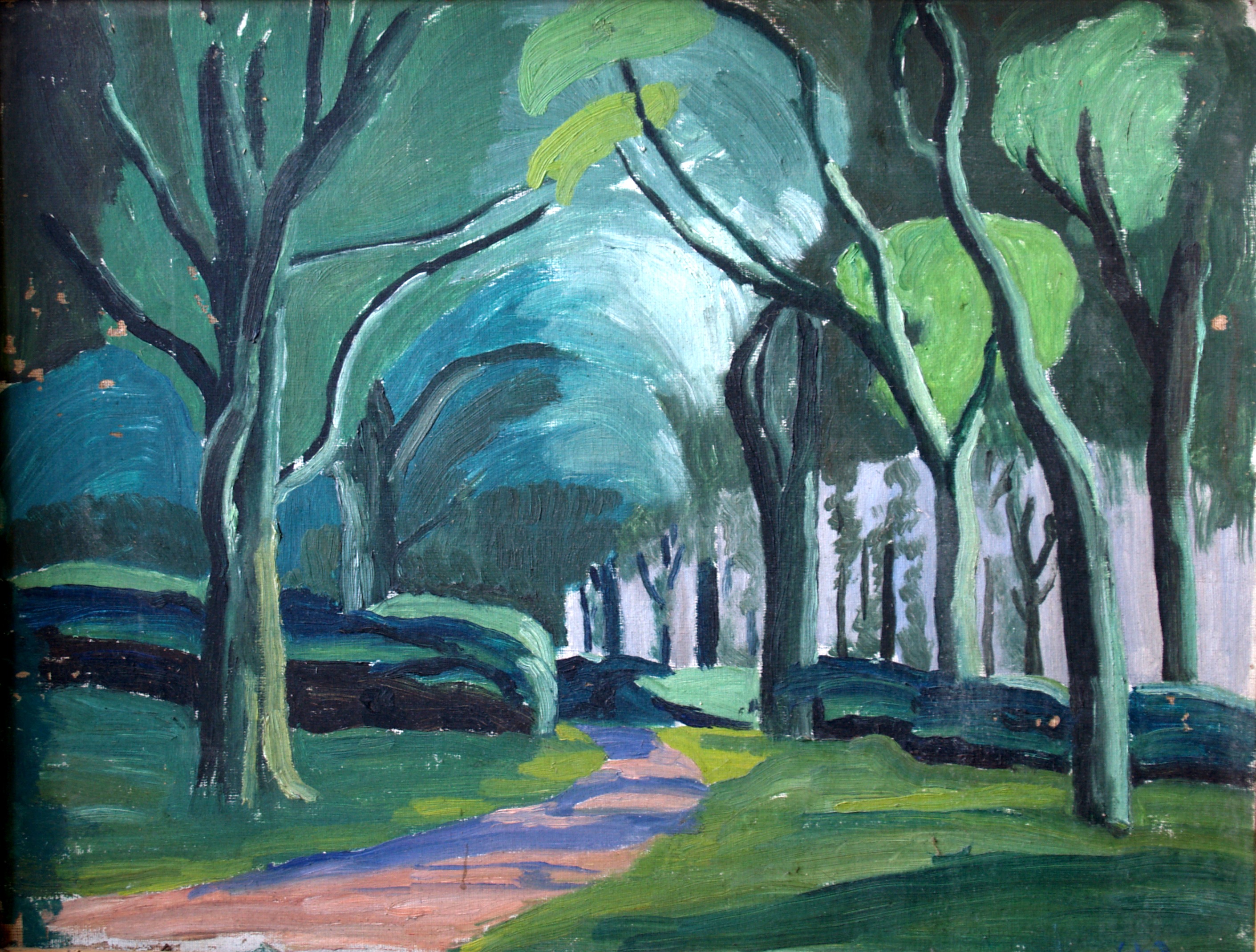

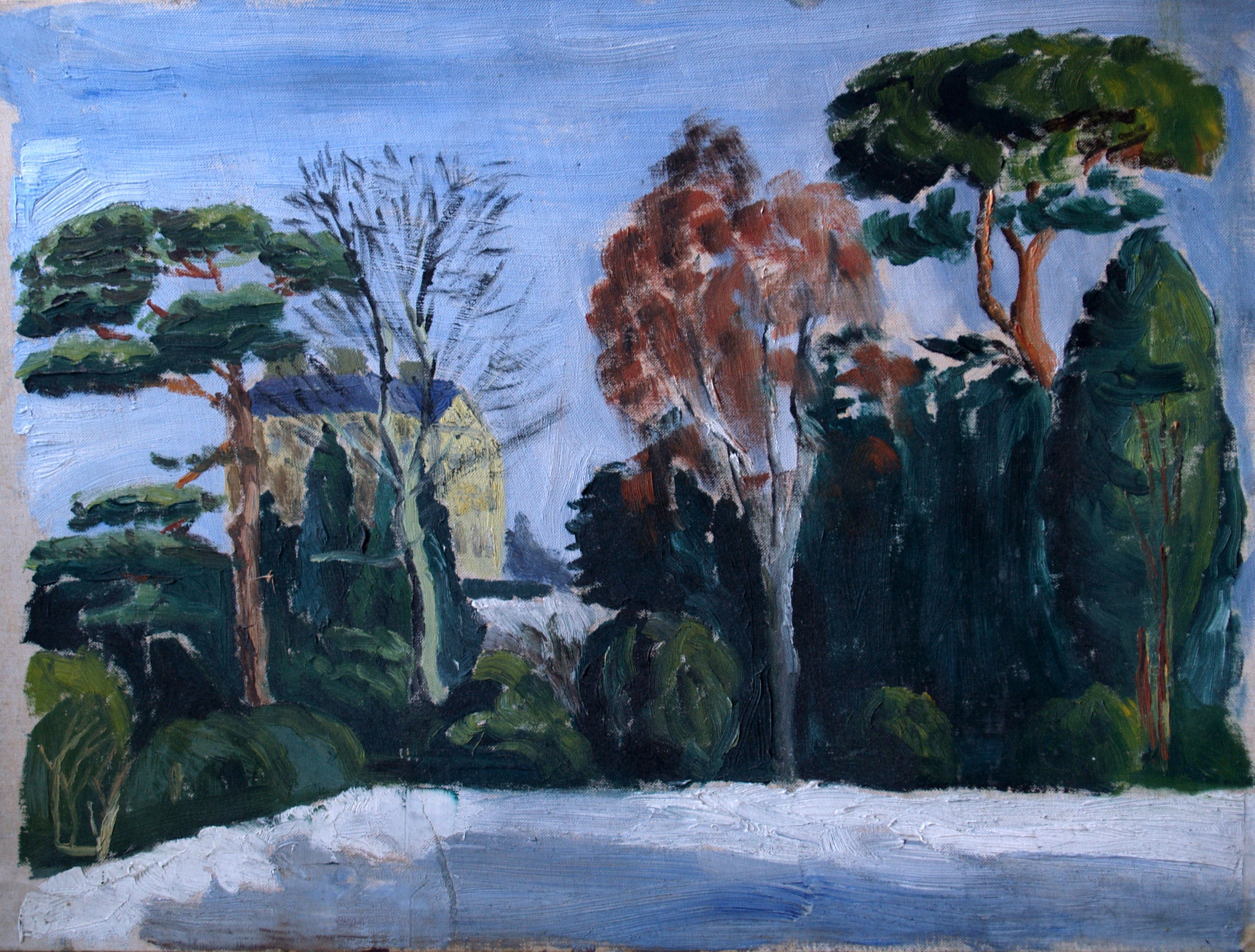
As has been mentioned before on this blog, C.H Waddington’s wide-ranging interests also encompassed art, architecture and visual design. In 1969 he published Behind Appearance, a detailed study of the relationship between art and the natural sciences. But I for one was unaware that Waddington was a painter himself, so we were delighted recently when Dr Robert Root-Bernstein (Professor of Physiology at Michigan University who is researching scientists that are also artists) sent us images of some of Waddington’s artwork. They are mounted here with the kind permission of Waddington’s daughters, Professor Dame Caroline Humphrey and Professor Dusa McDuff. We hope you enjoy them!
Chicken IGF-I cDNA – Molecular Cloning and Gene Sequence Analysis
Some of the most interesting papers I’ve found so far in my cataloguing of the Institute of Animal Physiology and Genetics Research (IAPGR) have been the ones on gene sequencing, molecular cloning and analysis. This is the first paper I’ve come across so far that shows an animal gene sequence next to a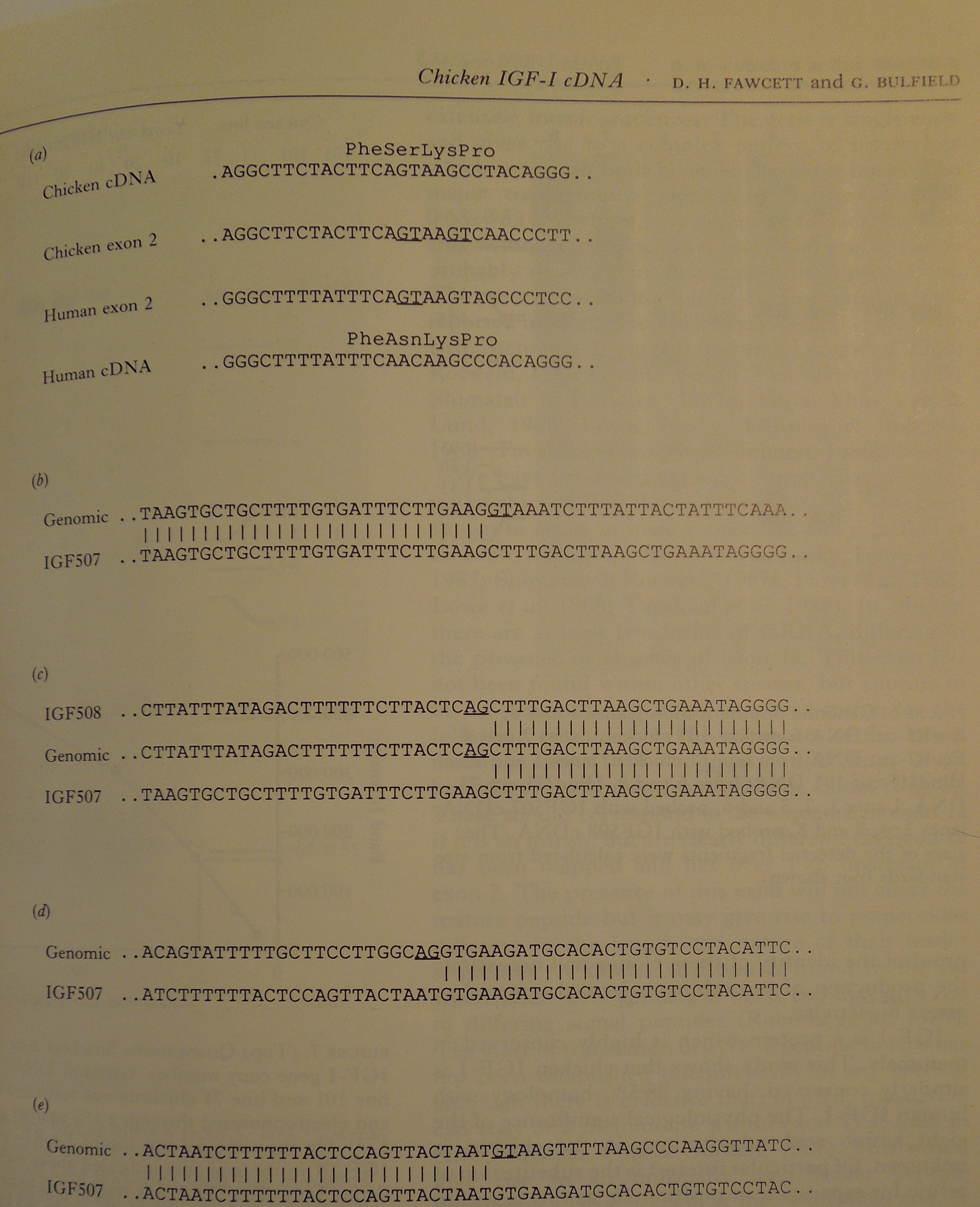 human one.
This image of a genomic sequence (Figure 3) in D. H. Fawcett and G. Bulfield’s article, ‘Molecular cloning, sequence analysis and expression of putative chicken insulin-like growth factor-I cDNAs’ in the Journal of Endocrinology (1990), 4, 201-211 shows the ‘potential splice donor sites at the excon 2 (5’) intron boundary in the chicken compared with the corresponding human sequence and the chicken and human cDNAs.’
A Loose Canon….
 Although the cataloguing of Waddington’s papers is complete, there is still some refoldering and reboxing to be done, to ensure that the material is stored in an archival-quality environment. During this process, one can often come across things one missed the first time around – such as this amusing ‘canon’, with words by Waddington and music by Ralph Alan Dale (an American doctor and Oriental acupuncture expert). (A canon, also sometimes called a ‘round’, is a contrapuntal composition technique which has a melody that is repeated after a certain duration.)
It appears that this highly alliterative piece was composed for a dinner party while Waddington was Einstein Professor at the State University of New York at Buffalo in the early 1970s. I think you would be hard pressed to find a more ‘wordy’ set of lyrics:
It appears impossible to prevent the philoprogenitive propensities of persons peopling the planet with two times its present population of two timers.
The pressure to provide provender and prevent pestilence will be portentous.
People Science perceptive enough to empathize the problems and proposals will profit from a propitious posture to promote their personality potentials.
The querulous who merely question the qualifications of the scientific enquiry after quantity and quality will find that their eternal quest is querying whether their quasi quietude qualifies them for equality quashiokor quod’or the quietus unless these quandum Quixotes quite quit their queasy quibbling and take as quarry their quota of quotidian quiddities.
They will earn their quittance when they can qualify as equating ZBG with a quorum of the quick rather than an unquiet queue of the untimely quenched.
The instructions for performing this piece are almost as complex as the lyrics themselves:
The canon has two parts: the ‘p’ part and the ‘q’ part. The entire piece should first be performed in unison. Then part 1 begins alone. On reaching part II (the ‘q’ part), the second part enters at the beginning (the ‘p’ part). Both parts finish together on ending on the word ‘potentials’, the other ending on the word ‘quenched’. Repeat as many times as desired before ending.
For the more musical among you, it would be interesting to see how this piece sounds when performed – and not least how many times the performers were physically able to ‘repeat…before ending’!
Cover Art and Science
The Proceedings of the 4thWorld Congress on Genetics Applied to Livestock Production. XV: Beef Cattle, Sheep and Pig Genetics and Breeding Fibre and Fur, Meat Quality. Edinburgh 23-27 July 1990 has the best cover art I’ve seen so far out of all the off-prints I’ve catalogued. It blends prehistoric art images with modern day formulas into a harmonious whole.

The Institute of Animal Genetics
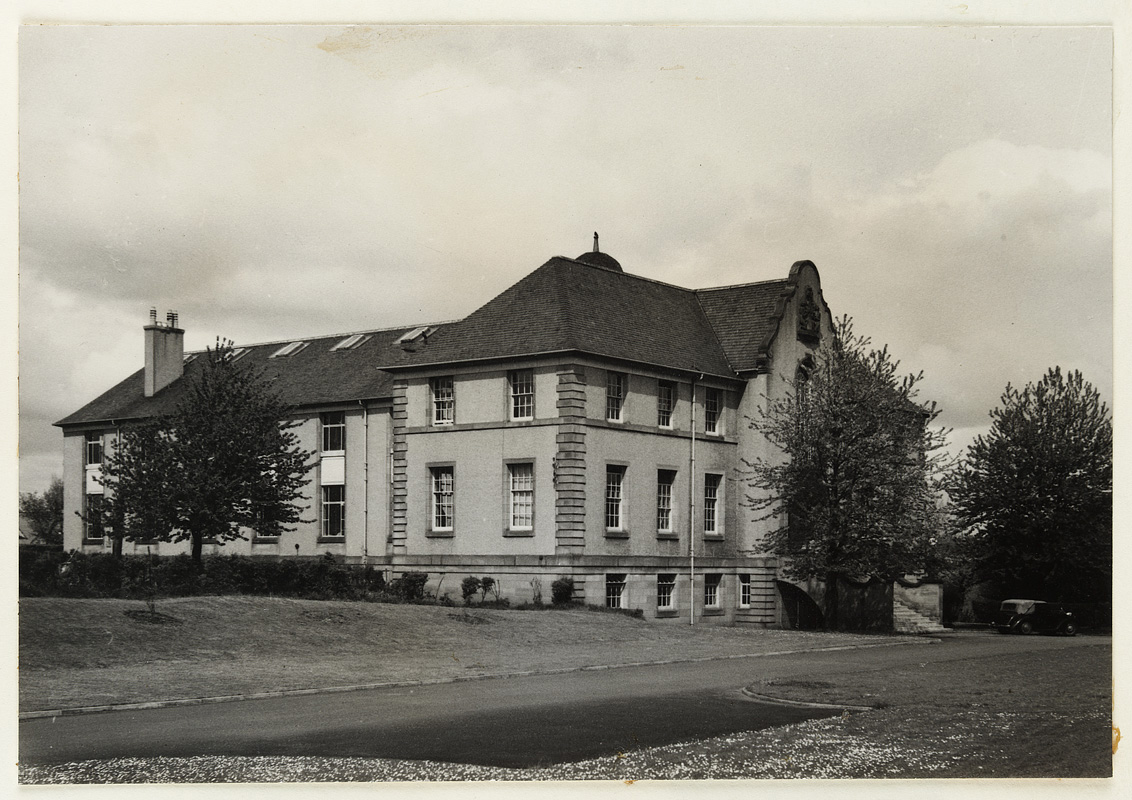 With the cataloguing of C.H. Waddington’s papers now completed, my next task is to move on to the cataloguing of the papers of the Institute of Animal Genetics, which was housed in the handsome building pictured above.
The building’s architect was John Matthew of the firm Lorimer & Matthew, and construction took place 1929-1930. With its symmetrical design, Dutch gable, balcony and arched windows, the building is somewhat reminiscent of a country house.
In many ways, the ‘Institute’ was as much a concept as it was a building. As an organisation, its predecessor was the Department of Research in Animal Breeding, under the Directorship of Professor Crew. Originally housed in central Edinburgh, in 1924 the Department moved to the King’s Buildings site to the south of Edinburgh, before transferring to the newly opened Genetics Building nearby in 1930. At this point the Department itself became known as the Institute of Animal Genetics. As time went by however, this name became more attached to the building, which was to house numerous bodies and factions over the years, such as the Animal Breeding and Research Organisation (ABRO) and Waddington’s ARC Unit of Animal Genetics. The building, which still stands, has been renamed the Crew Building, and is now home to the School of Geosciences.
This picture was taken from a photograph album presented to Waddington in 1955 by his colleagues on the occasion of his 50th birthday celebrations at the Institute. The original photo album will be catalogued shortly, along with the rest of the Institute’s records.
Mapping the Porcine Genome
On 1 October, 1989 Chris S. Haley and Alan L. Archibald, scientists at the Institute of Animal Production and Genetic Research, circulated a report entitled: Annex 1 – A Genetic and Physical Map of the Pig. In the report they note that the ‘concept of using a complete genetic map as a tool for understanding and exploiting genetic variation is not new. However, it is only with the advent of molecular genetic techniques, which provide the prospect of large numbers of genetic markers based on restriction fragment length polymorphisms (RFLPs), that the concept has become realisable.’ The summary of their report explains:
Many of the future development in animal science and in animal improvement will depend upon the presence of species specific genome maps largely based upon RFLP markers. It is likely that such maps will be developed in all major domestic species, but the pig has several advantages for such a project. We propose here that a project is initiated to produce a genetic and physical map of the porcine genome based upon a cross between the genetically distinct Chinese Meishan and Large White breeds. Such a map would provide a basis upon which a generally applicable map could be built and would provide the first opportunity to detect and map genes controlling economically important phenotypic traits.
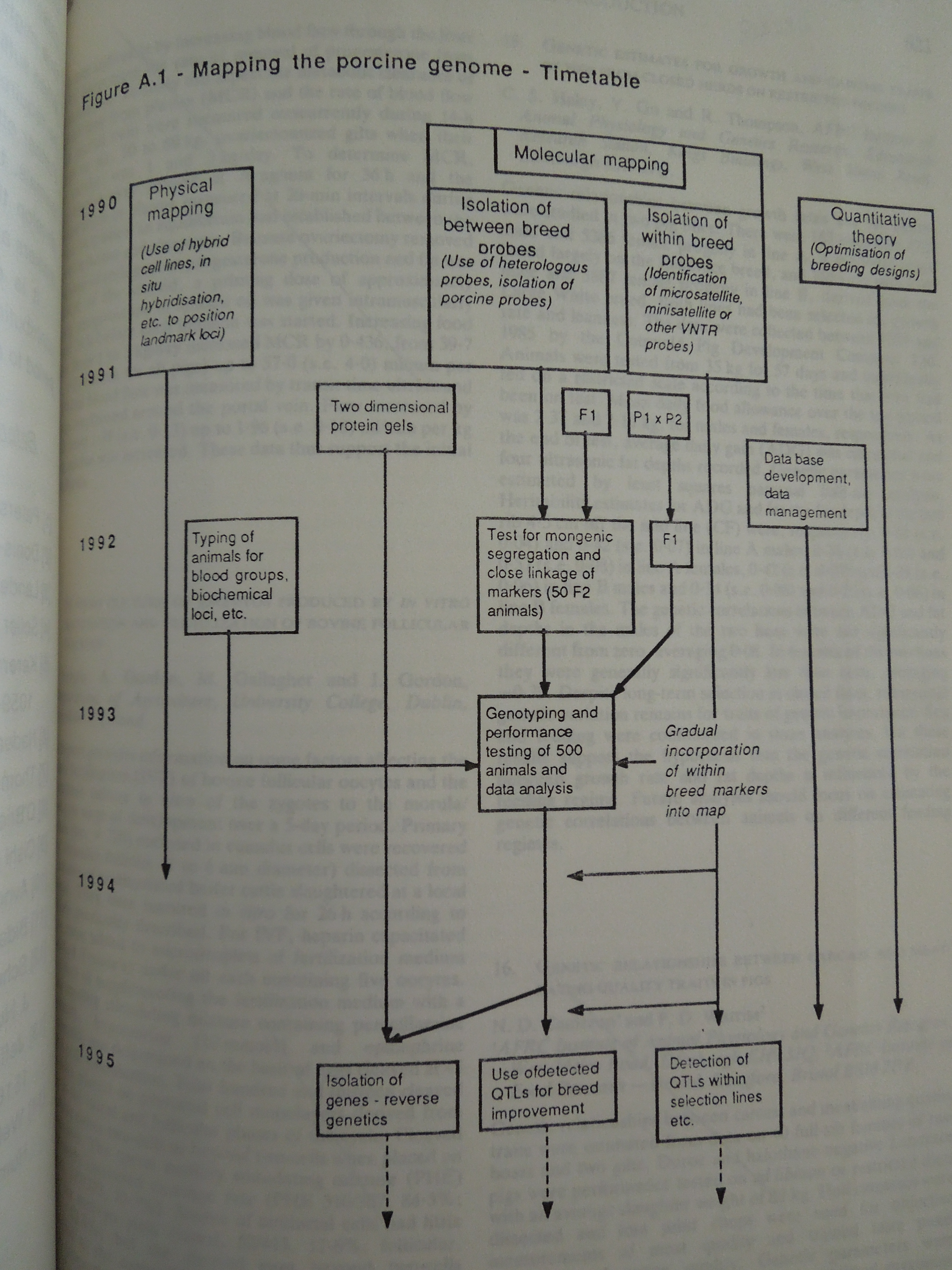 Image: Timetable for mapping the porcine genome
Gene or genome mapping is the creation of a genetic map assigning DNA fragments to chromosomes. For those interested in learning more about genomics, gene mapping and current research and trends in this area, here are a few websites of interest:
ERSC Genomics Network (Edinburgh): http://www.genomicsnetwork.ac.uk/
Dr. DJ De Koning, Roslin Institute’s research summary: http://www.roslin.ed.ac.uk/dj-de_koning/summary-of-research/
National Human Genome Research Institute, National Institutes of Health, Bethesda, MD, USA, Gene Mapping Fact Sheet: http://www.genome.gov/10000715
‘Wad’: Conrad Hal Waddington, 1905-1975
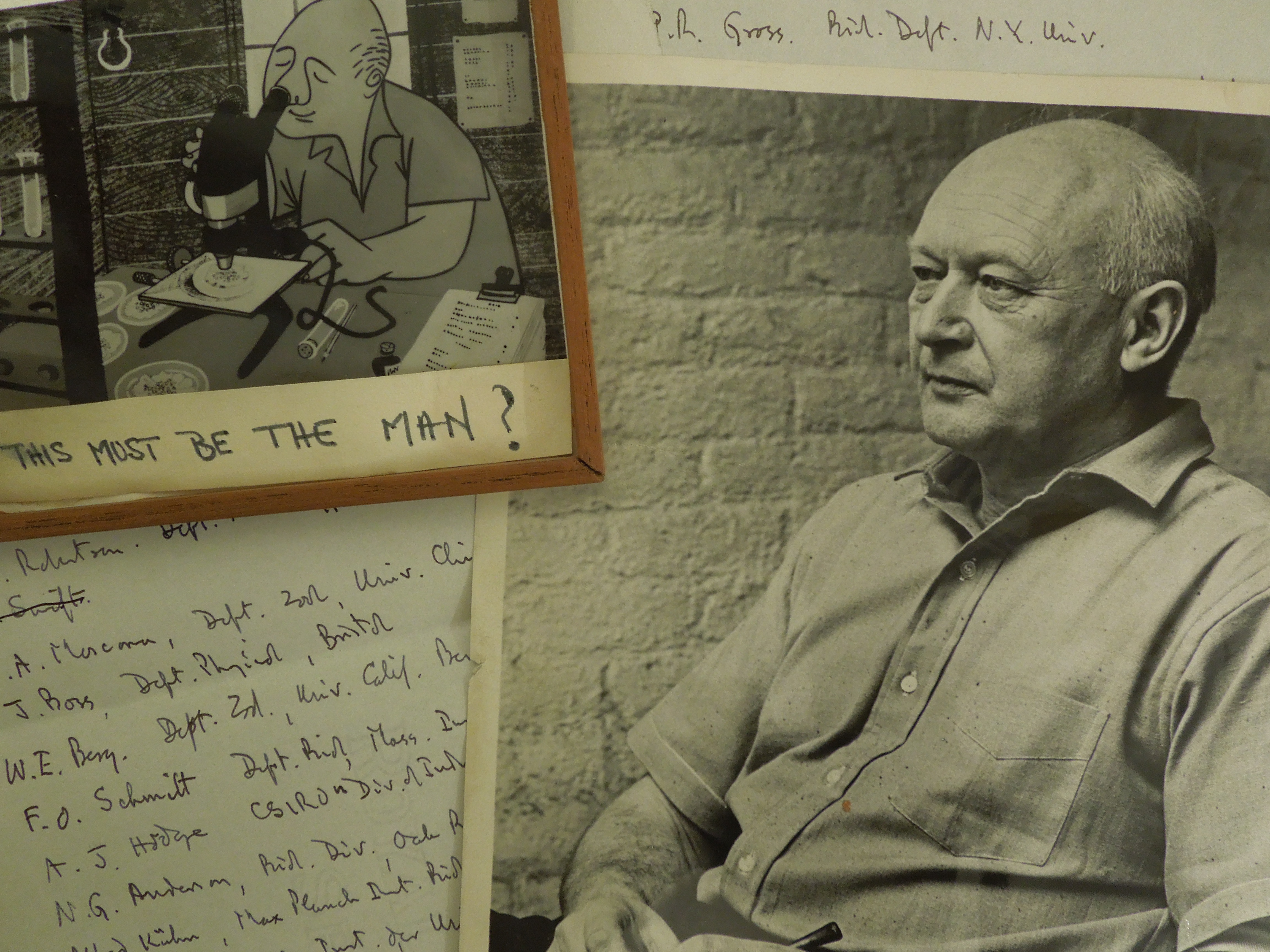 Today’s picture marks the 37th anniversary of Waddington’s death this week. As I am nearing the completion of the catalogue of his papers, it seems a doubly fitting time to reflect a little on the man he was.
Born in Evesham on 8 November 1905 and developing a love of fossils from an early age, Waddington (known to all his friends as ‘Wad’) went on to study Natural Sciences at Cambridge. After working in Operational Research during the Second World War, Waddington was appointed to two positions in Edinburgh: that of chief geneticist at National Animal and Breeding Research Organisation (NABGRO, eventually named ABRO), housed in the Institute of Animal Genetics, and the Chair of Animal Genetics at Edinburgh University. Waddington was to remain at the Institute of Animal Genetics for the rest of his life, barring a few years at the State University of New York at Buffalo, where he held the Albert Einstein Chair of Science in the early 1970s.
Waddington is renowned for his developmental biology work and his proposal of such concepts as canalisation and epigenetics . However, his papers reveal the vastly full and varied life he lived outside of his research and publishing work, not least the number of societies and organisations with which he was involved. Wad was a great believer in the power of science to educate, inform and help prepare a better future, and he utilised biological and evolutionary reference models as a way of analysing issues concerning human population and health, as well as the environment. Wad also had a major role in the expansion of the biological faculty of the University of Edinburgh.
The items in the photograph above are part of the collection of material, letters, ephemera and pictures that were collected from Waddington’s desk after his death and have remained more or less in their original order to this day.
A lot more information about Waddington and our collection of his papers will be available via the online catalogue, hopefully appearing in early 2013. Watch this space!
Transgenesis and Livestock Improvement in 1989
In the AFRC News, July 1989 article, ‘Transgenesis – a new way to better livestock’, scientists Alan L. Archibald, J. Paul Simons, Ian Wilmut and A. John Clark discuss various ways that gene transformation can improve livestock. They note that transgenesis combines recombinant DNA and embryo manipulation technologies and is a new way to approach genetic improvement. According to this article, the transgenic programme at the Institute of Animal Physiology and Genetics Research (IAPGR) in Edinburgh is ‘not directed at producing agriculturally improved livestock’; instead ‘dairy animals (sheep) are being used as vehicles for the production of important human proteins such as clotting Factor IX (FIX) and alpha-1-antitrypsin (AAT)’. The authors write that the short term benefits of transgenic animals are mainly to ‘increase the understanding of the genetic control of performance than they are to make a contribution to agricultural production’. Since this was written in 1989, it would be interesting to know if any of these short term benefits developed into anything long term!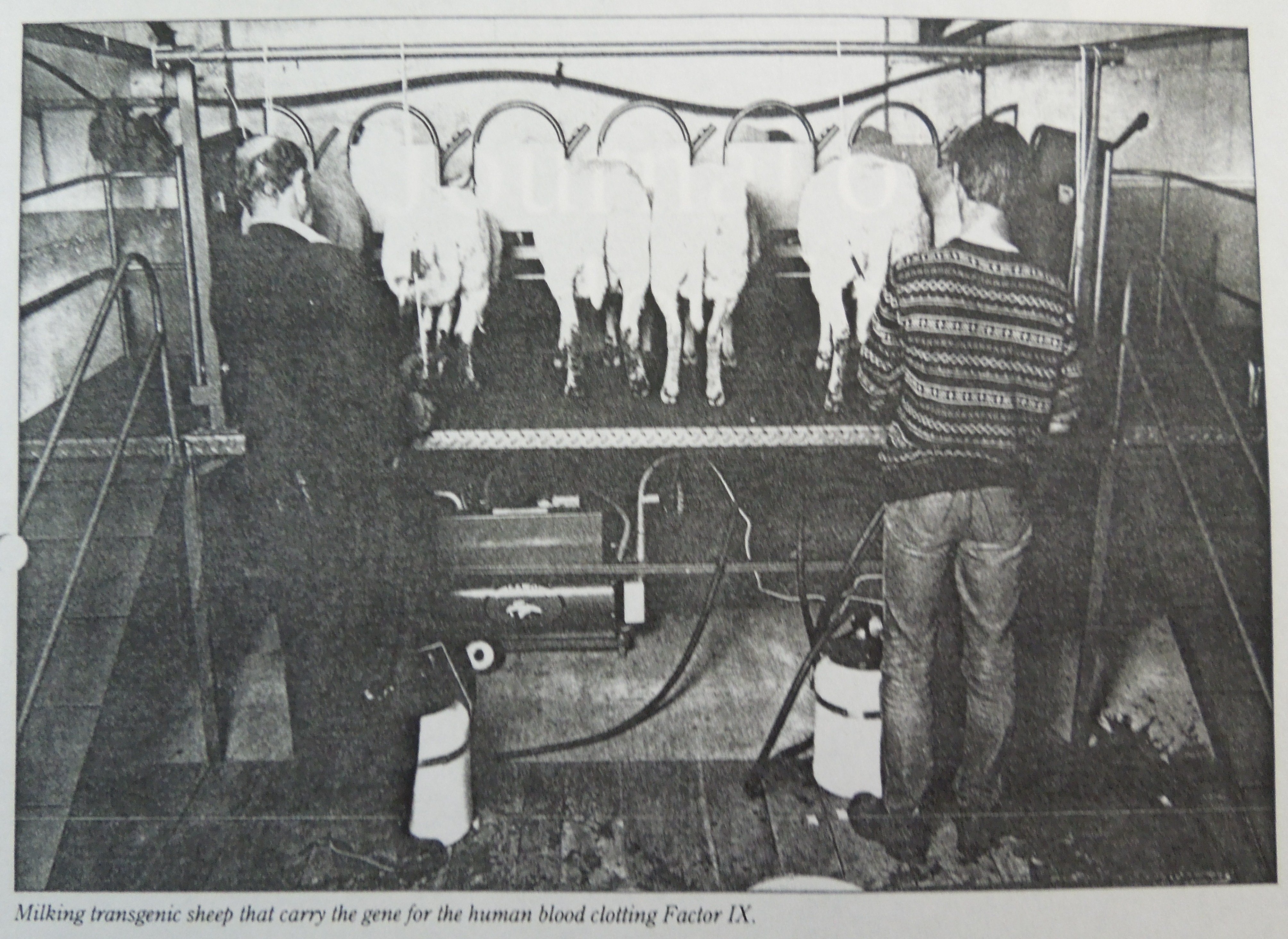 This image shows some scientists milking transgenic sheep carrying the gene for human blood clotting Factor IX.
Prize Pigs
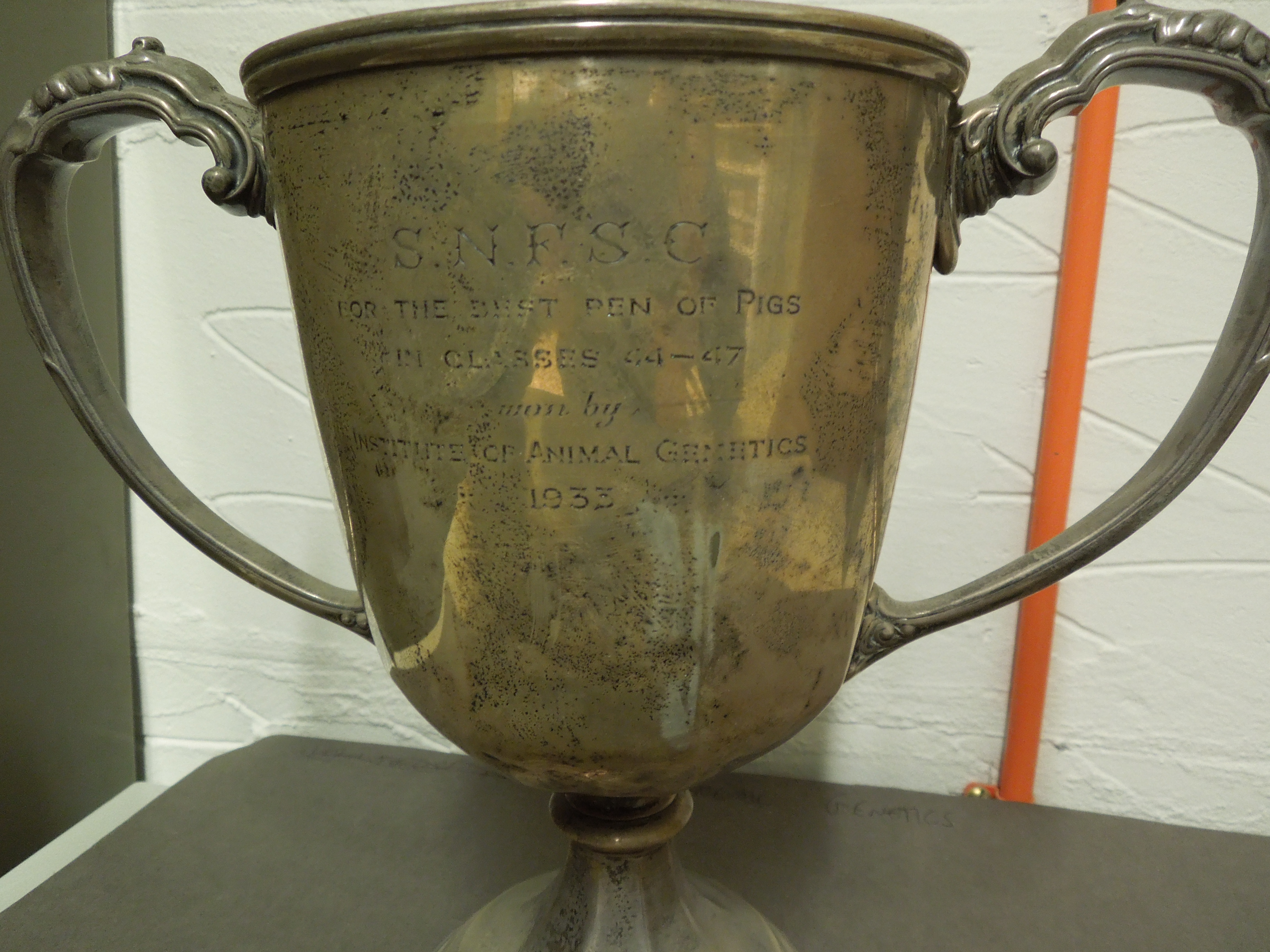 Today’s item of interest is not from the Waddington collection, which is still being catalogued, although it is indirectly related to him. This trophy, now rather affectionately called by us “the Pigs’ Cup”, was awarded to the Institute of Animal Genetics in 1933 by the Scottish National Fat Stock Club (SNFSC) for “the best pen of pigs in classes 44-47”. This item came to us recently, along with several boxes of papers, from the King’s Building site located to the south of Edinburgh, where the Institute of Animal Genetics, established in 1919, was housed from 1924 onwards. Waddington himself did not come to the Institute until 1946, but the place was obviously active enough before his time to have gained this trophy!
Although this item is not currently part of the scope for ‘Towards Dolly’ (being a very recent acquisition), we hope to catalogue it and our many other genetics collections at a future stage. The ‘Pigs’ Cup’ demonstrates the continuous evolution of collections such as these. Considering the relatively recent history of genetics and the complex interrelationships between different genetics bodies and organisations in Edinburgh, new related collections are frequently coming to our attention – although they do not usually take quite this form!
Sneak a Peek Inside a Chicken’s Beak
In the 1987 series of off-prints from the Edinburgh Research Station (ERS) – Institute of Animal Production and Genetic Research (IAPGR), I found the interesting article – “Facial nerve sensory responses recorded from the geniculate ganglion of Gallus gallus var. domesticus” by Michael J. Gentle which appeared in the Journal of Comprehensive Physiology, Volume 160, (1987), p. 683-691. In this article he discusses an experiment in which a chicken’s facial nerve response is recorded ‘from the geniculate ganglion … following chemical, mechanical and thermal stimulation of the oral cavity using glass coated tungsten microelectrodes.’ According to Gentle, ‘ [T]he results show that the facial nerve plays the major role in gustatory physiology of the chicken and these results are discussed in relation to the mammalian gustatory system.’

The photograph shows the inside of a chicken’s beak – the anterior palate (AP), the posterior palate (PP), and the anterior mandibular area (AMA).