Dollymania – Seven Days that Shook the World

Dolly the sheep

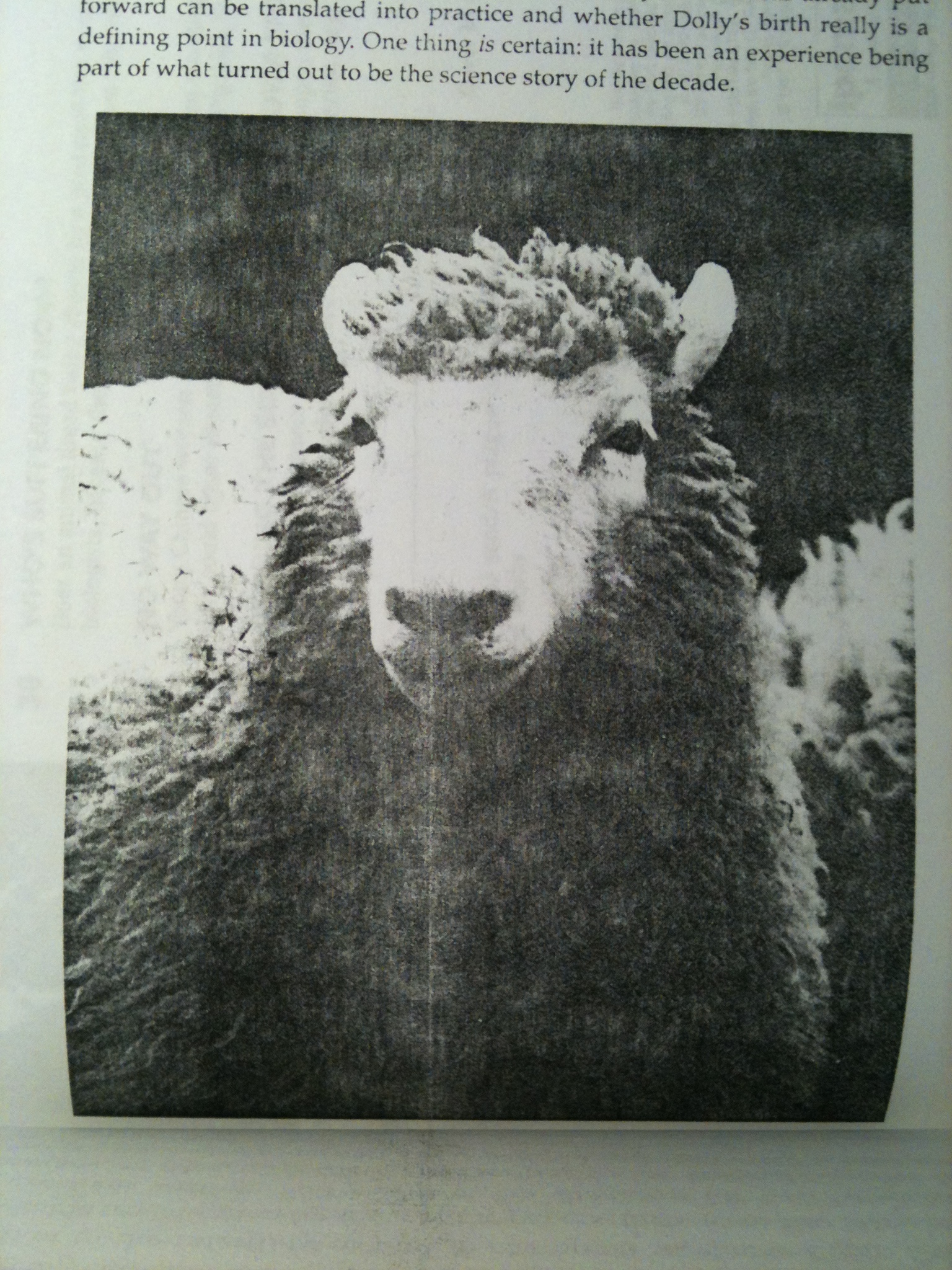
1997 was quite a significant year for the Roslin Institute with “’Dolly, the sheep, ‘…the first mammal cloned from a cell from an adult animal…generated an amazing amount of interest from the world’s media.” (Griffin, Harry. ‘Dollymania’, University of Edinburgh Journal, XXXVIII: 2, December 1997, GB237 Coll-1362/4/1476). And so, it’s been exciting to find articles in the offprints discussing her and the issues of cloning, biotechnology, ethics – Dr. Grahame Bulfield even wrote a report to Parliament on what this breakthrough means for science!

Harry Griffin, former Assistant Director (Science) at the Roslin Institute in 1997’s article, ‘Dollymania’ (cited above) provides an insider’s point of view of how Dolly was produced and the science and research involved. He writes,

Dolly was produced from cells that had been taken from the udder of a 6-year old Finn Dorset ewe and cultured for several weeks in the laboratory. Individual cells were then fused with unfertilised eggs from which the genetic material had been removed and 29 of these ‘reconstructed’ eggs – each now with a diploid nucleus from the adult animal – were implanted in surrogate Blackface ewes. One gave rise to a live lamb, Dolly, some 148 days later. Other cloned lambs were derived in the same way by nuclear transfer from cells taken from embryonic and foetal tissue.

On Monday, Dolly provided the lead story in most of the papers and Roslin Institute was besieged by reporters and TV crews from all over the world…. Dolly rapidly became the most photographed sheep of all time and was invited to appear on a chat show in the US. Astrologers asked for her date of birth and PPL’s share price rose sharply. President Bill Clinton called on his bioethics’ commission to report on the ethical implications within 90 days and Ian Wilmut was invited to testify to both the UK House of Commons and the US Congress…. Dolly Parton sad she was ‘honoured’ that we have named our progeny after her and that there is no such thing as ‘baaaaaed publicity’. Sadly, we also received a handful of requests to resurrect relatives and loved pets.

IMG_4284In the article, ‘Seven days that shook the world’ by Harry Griffin and Ian Wilmut in New Scientist, 22 March 1997 also describe the reality of the science of cloning in the face of intense media speculation and reportage.

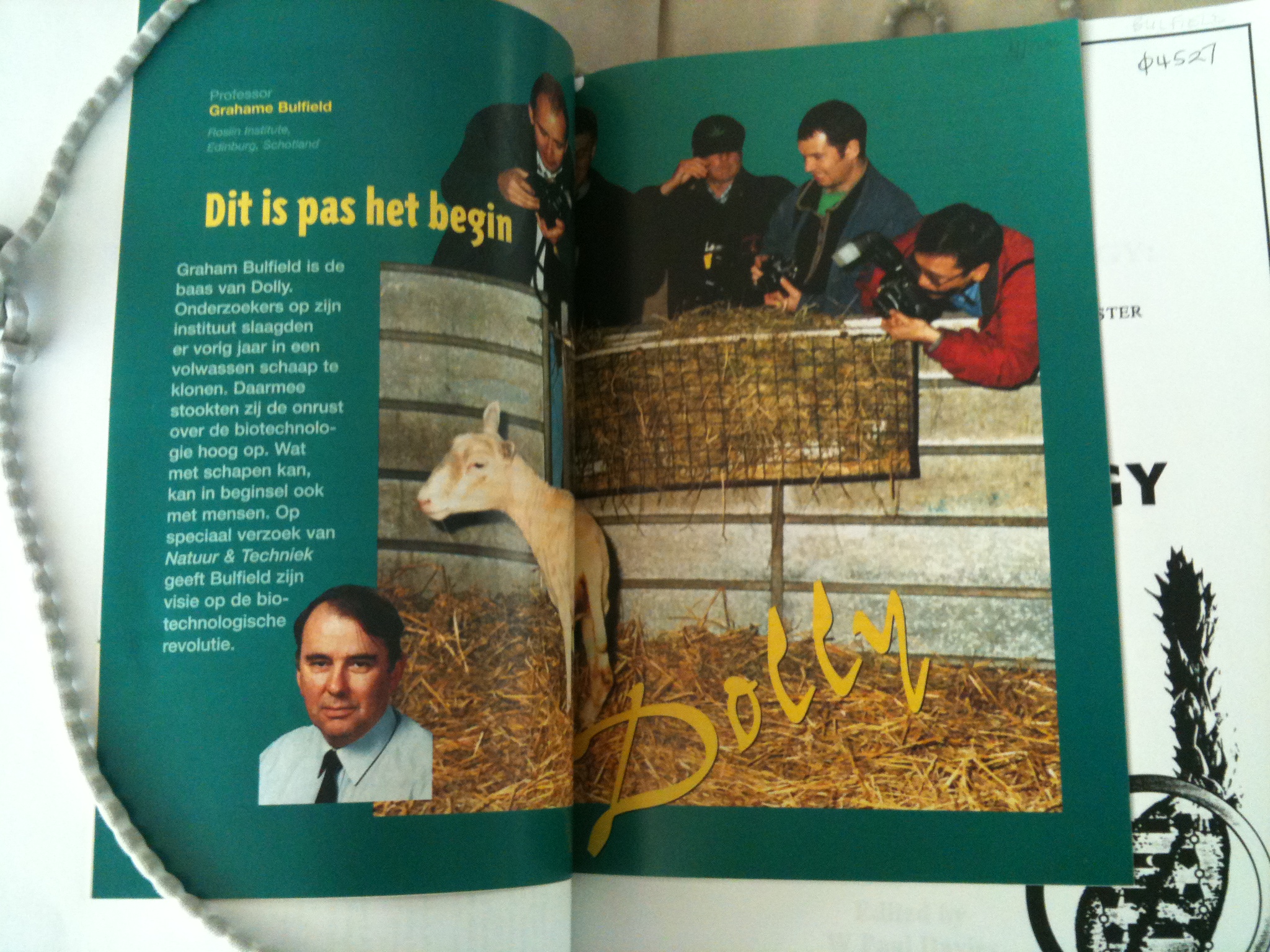
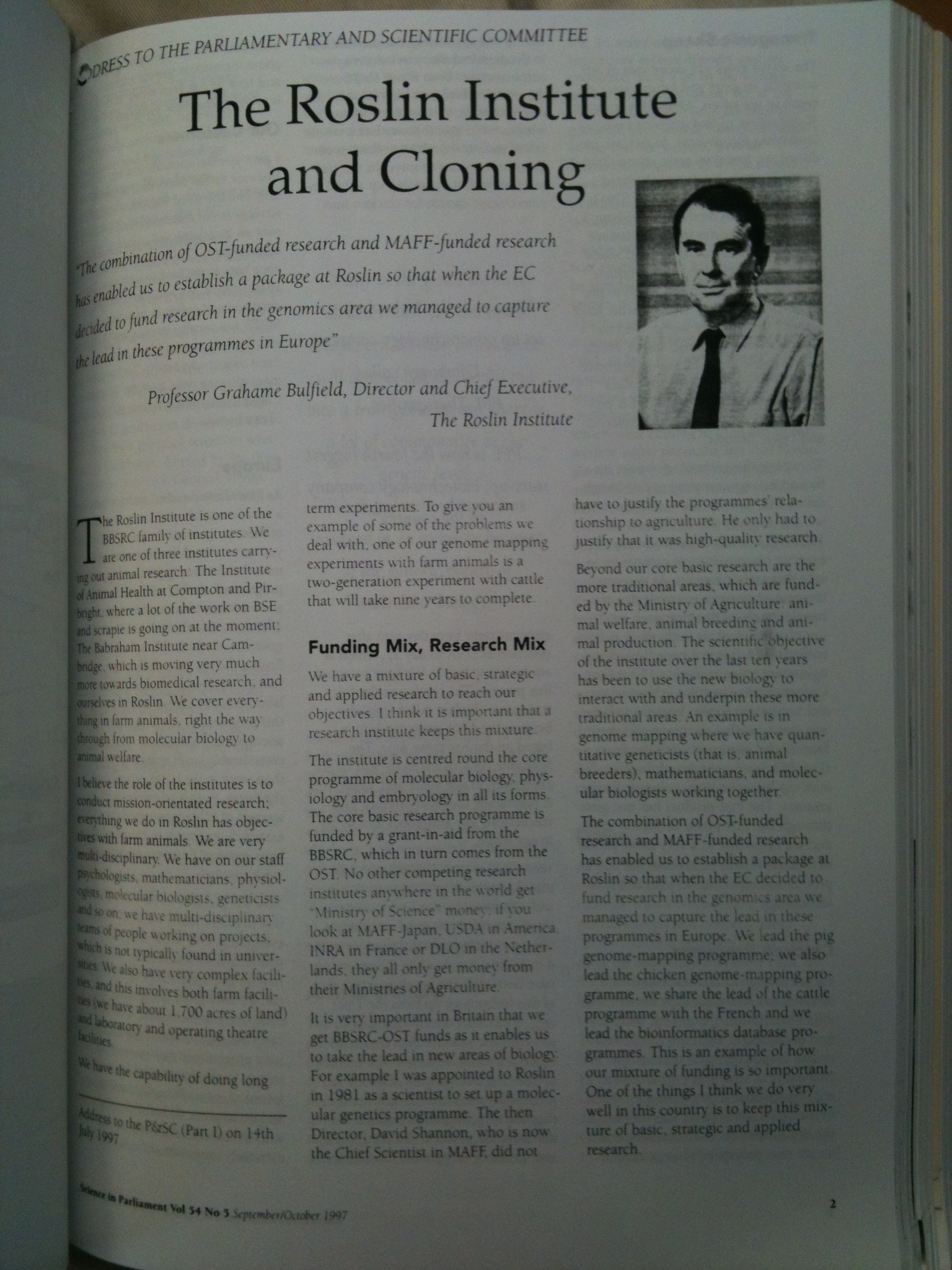
Dr. Grahame Bulfield, former Director of the Roslin Institute, wrote several articles in 1997 on biotechnology, ethics, livestock and cloning. In some articles, he writes generally on the techniques of genetic engineering, genome analysis, and embryo manipulations and provides a biological context of these new technologies. (GB237 Coll-1362/4/1394 – 1400). He discusses Dolly more directly in the article, ‘Dit is pas het begin’ in the Dutch journal Natuur & Techniek, No. 8, 1997 (4/1376) IMG_4266and The Roslin Institute and Cloning an address to the Parliamentary and Scientific Committee in Science in Parliament, Vol. 54, No. 5, September/October 1997 (4/1400). In this particular article he writes specifically about Dolly:
As you know we have been thrown into the middle of public debate recently with a considerable amount of public interest and concern about “Dolly”. IMG_4275Over a period of about five days we had 3,000 telephone calls, 17 TV crews and we basically ground to a halt. We are perfectly aware now of the issues that are raised , and I don’t believe that a scientific organisation like ours can do anything buy try and be proactive in terms of communicating new biotechnology advances to the public and Government and ensuring the issues involved are widely debated.
A game of two halves

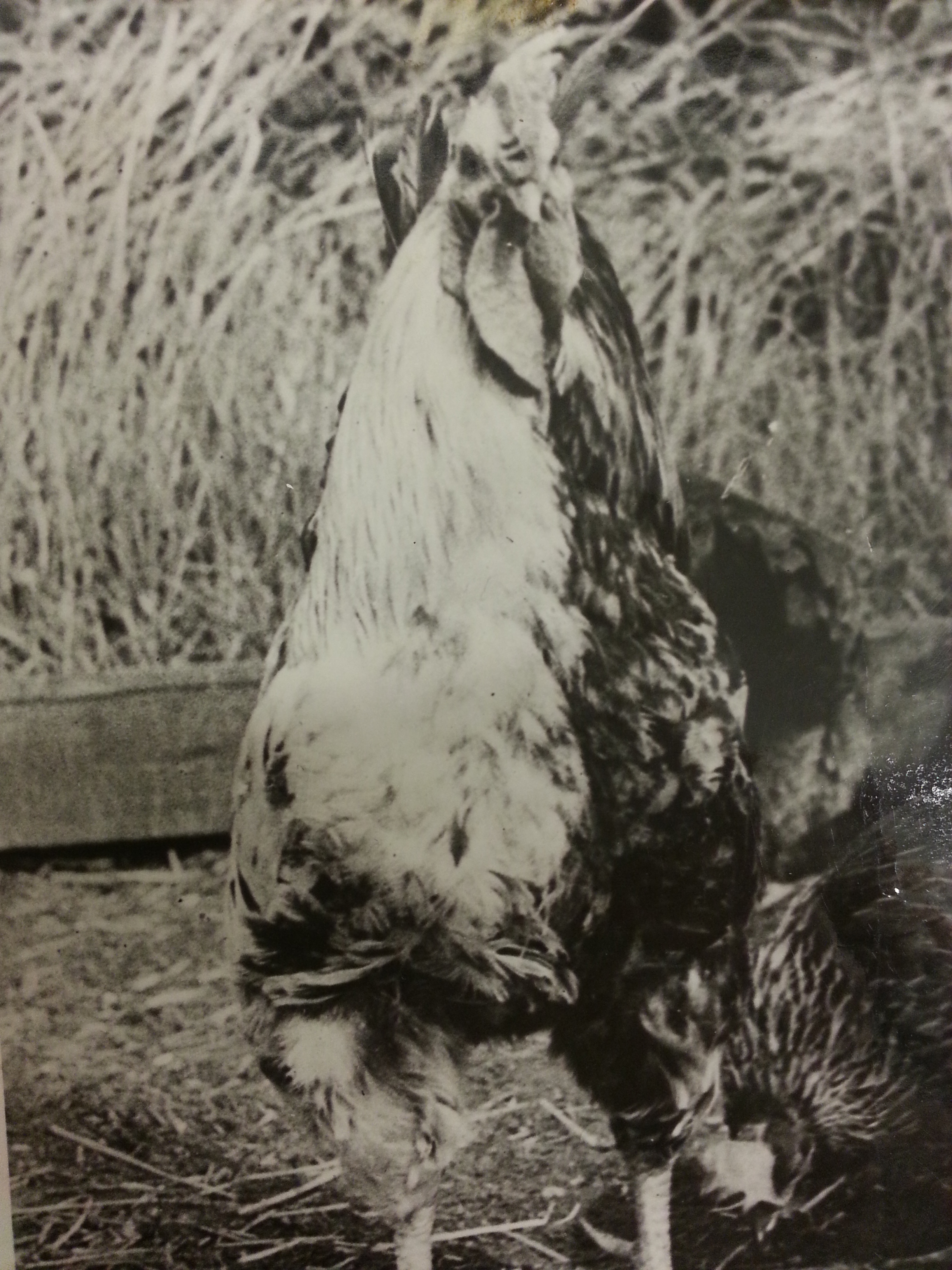
Halfsider singleOne of the photographs in the Alan Greenwood collection depicts a chicken. This is hardly unusual in itself, seeing as Greenwood was director of the Poultry Research Centre. However, a closer look reveals that this is no ordinary chicken: it is coloured and shaped differently on each side: in fact, it looks more like two separate chickens stitched together. This chicken is a ‘halfsider’. Halfsiders – also called bilateral gynandromorphs –  are birds whose colour, plumage, size and even gender is different on each side. Halfsiders are most commonly encountered in budgerigars, although they can occur in other birds too, including domestic chickens.

The phenomenon which produces halfsiders is is actually part of a larger phenomenon of ‘mosaicism’. Mosaics are organisms of a ‘patchwork’ phenotype and/or genotype generally only found in domesticated species (although a wild gynandromorphic Northern Cardinal was discovered on the east coast of America in 2009). F.A.E Crew at the Institute of Animal Genetics was one of the first geneticists to write on gynandromorphy in birds, with Greenwood and colleagues continuing to study it at the Poultry Research Centre.

Halfsiders are so interesting for genetics because they contradict the  theory that sexual development in birds and mammals follows the same course, with the embryonic cells being ‘unisex’, the gender being determined at around seven weeks by signals sent by hormones. However, chicken cells apparently ‘know’ which sex they are at the time of fertilisation, and scientists have had to propose an entirely separate model for avian sexual development.

Early explanations for how halfsiders happen usually posited gene mutation or embryo damage in the early stages of cell division, or else the loss of a chromosome.. However, a study in 2010 (Zhao, McBride et al) found that halfsider chickens are in fact nearly perfect male:female chimeras comprised of normal female cells (with ZW chromosomes) on one side and normal male cells (with ZZ chromosomes) on the other side. Therefore, halfsiders appear to result from an abnormal ovum containing two pronuclei, fertilised by two sperm, which then results in both a Z and W chromosome–containing nucleus. As the cells develop, and are subject to exactly the same hormones, they respond according to their own chromosomes rather than signals being given out by the gonads, as with mammalian development. This in essence means that the two ‘halves’ develop entirely separately, at the same time.

Although the phenomenon producing halfsiders is genetic in origin, it is not heritable and so cannot be intentionally bred (in any case, gynandromorphs are nearly always sterile). It is estimated that 1 in 10,000 domestic chickens is a gynandromorph.

FAE Crew’s Off-Prints (1814-1940)

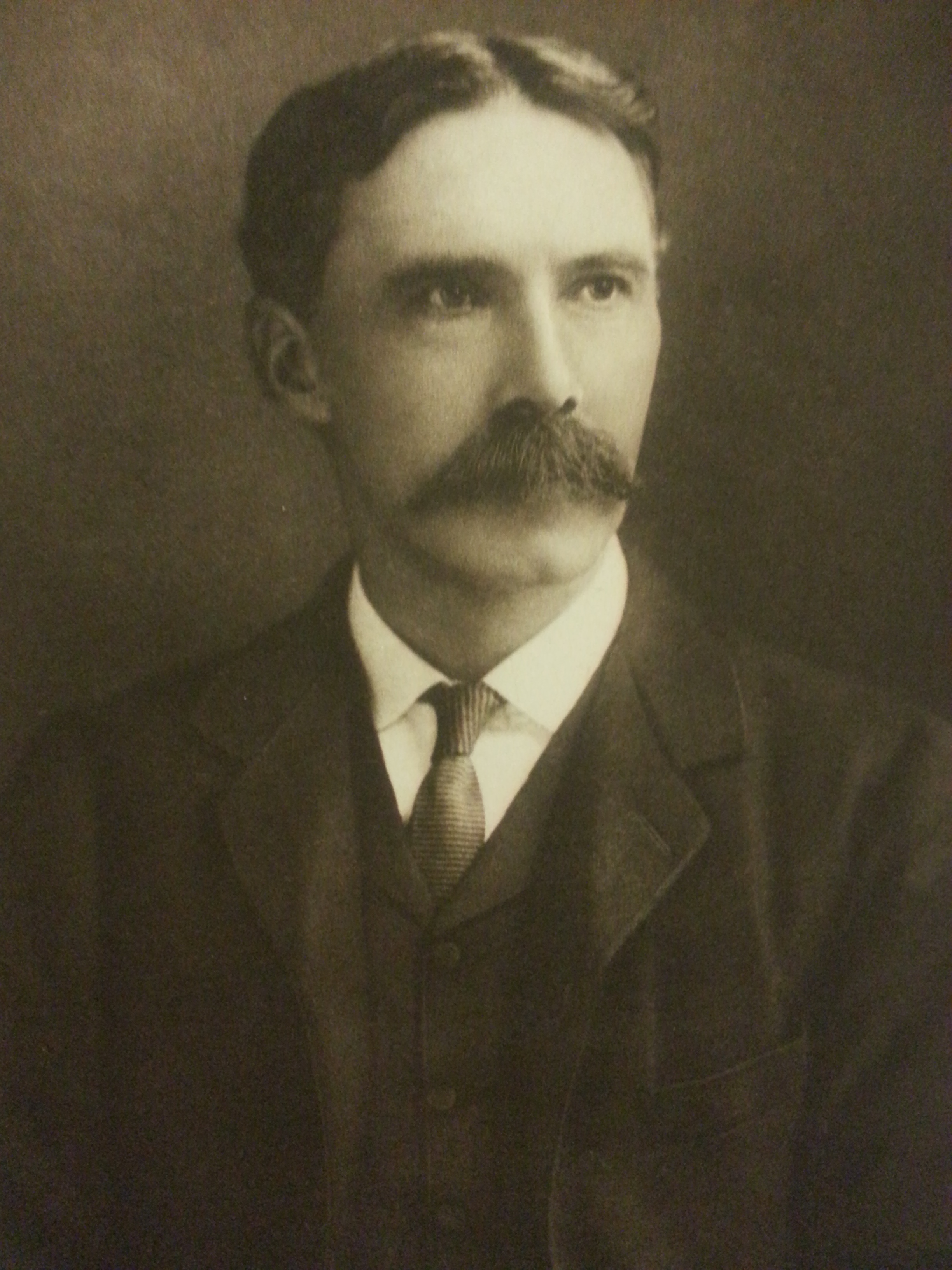
In addition to the off-prints of the various past organizations that made up the Roslin Institute, we have FAE Crew’s collection.  The majority of the off-prints in his collection, found in 39 bound volumes, were written by other authors such as Conrad Hal Waddington, Leonard Darwin, and Alan Greenwood among others and some of the articles were even previously owned by Arthur Darbishire. The non-Crew authored material dates between 1814 and 1936 and Crew’s articles date between the years of 1930 to 1940 and he organized the bound off-prints into series: Fowl (18 volumes- GB 237 Coll-1496/1-18); Birds (2 volumes – GB 237 Coll-1496/19-20); Pigeons (2 volumes -GB 237 Coll-1496/21-22); Genetics General (9 volumes – GB 237 Coll-1496/23-31); and General Biology (8 volumes – GB 237 Coll-1496/32-39). There is a wealth of fascinating articles found in this collection – especially in the Genetics General and General  Biology volumes which show Crew’s wide-ranging interests  including animal genetics, human genetics, eugenics, evolution (both scientific and philosophical), teaching medical students and ethics. A few particular highlights are Major Leonard Darwin’s article Organic Evolution: Outstanding Difficulties and Possible Explanation,  Cambridge University Press, 1921; Darwin

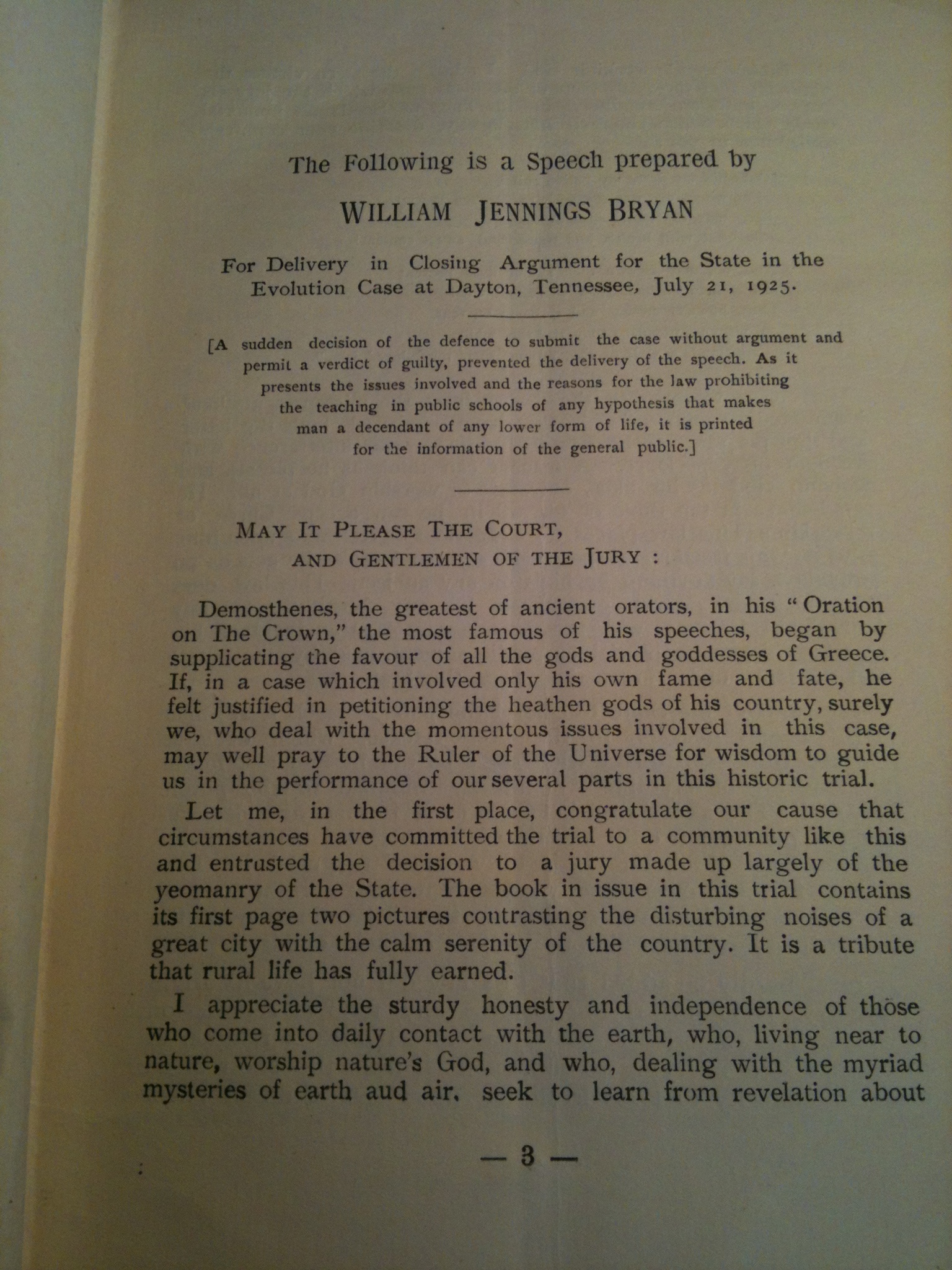
Condemned for Teaching Lies: the following is a speech prepared by William Jennings Bryan for delivery in closing argument for the State in the Evolution Case at Dayton, Tennessee, July 21, 1925;WJ Bryan

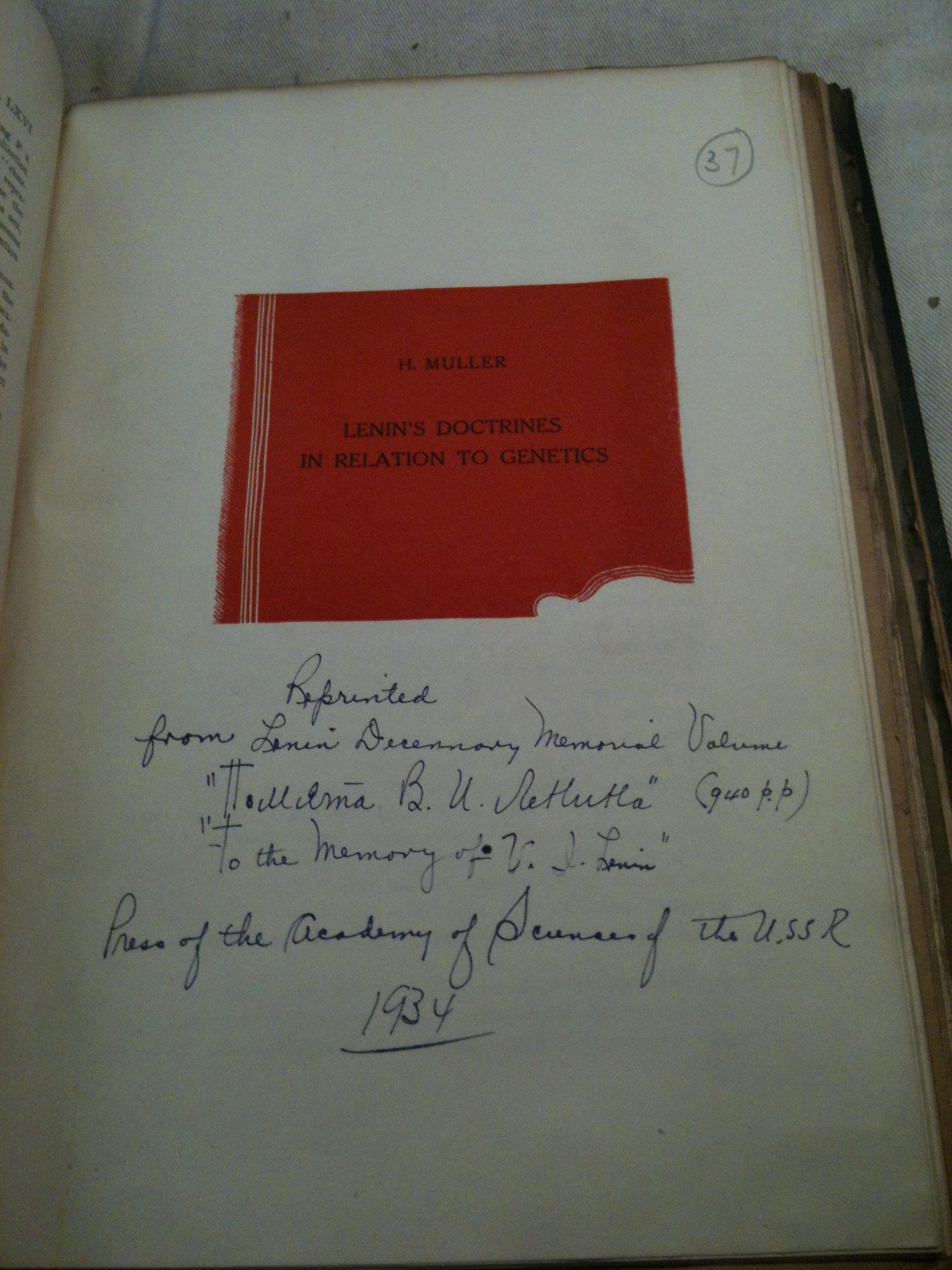
and H. Muller’s Lenin’s Doctrines in Relation to Genetics, Academy of Sciences, USSR, 1934.Lenin

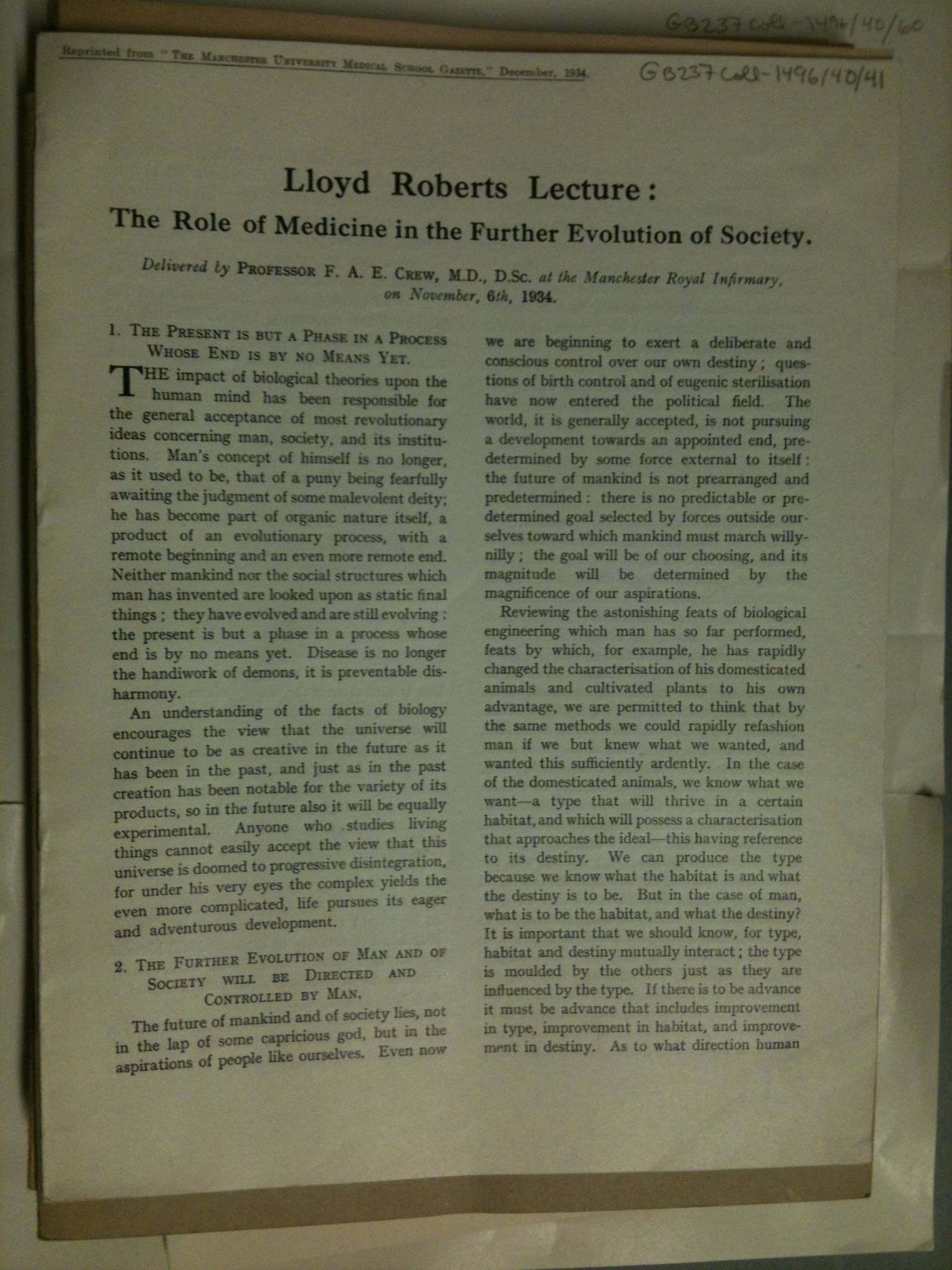
In addition to the articles collected by Crew for his research, there is a box of un-bound off-prints authored by Crew himself (GB 237 Coll-1496/40/1-70).  IMG_4260These articles span the years between 1930 and 1940 and discuss such topics as: animal breeding, sterilisation, eugenics, heredity versus environment and other genetic based topics. The last article in the collection is quite interesting since it’s Crew’s thoughts on war when he was a Lieutenant-Colonel in the British Army, Crew and warThe war and ourselves in the Journal of the British Army Medical Corps, 1940 (GB 237 Coll-1496/40/74).

This material, the collected offprints of other scientists, offers a fascinating insight into the research interests of FAE Crew by showing his diverse interests which helped to inform his work as seen in the same collection in his self-authored papers.

‘To sow the seeds of a new science…’ Happy Birthday James Cossar Ewart

Ewart Verlag portraitThe name of James Cossar Ewart (1851-1933) has featured regularly in this blog over the past year or so, but we wish him a happy 163rd birthday for tomorrow (26th November). Ewart, who was Professor of Natural History at the University of Edinburgh from 1882-1927, is best known for his work cross-breeding zebras and horses and for being instrumental in establishing the UK’s first lectureship in Genetics in 1911. The creation of this post was to lead to a bright future for genetics and associated sciences in Edinburgh.

On this day in 1931, Professor F.A.E Crew, then director of what became known as the Institute of Animal Genetics, wrote this heartfelt letter to Ewart, expressing his admiration in no uncertain terms:

Dear Professor Cossar Ewart,

The 80th anniversary of your birthday surely warrants my writing to you my congratulations and to express my sincere hope that you may enjoy many more of these festive days.

I confess I envy you, to live for a long time means very little in itself but to have lived profitably: to have carved one’s name on the rolls of history of a science: to sow the seeds of a new science and to live to see the harvest gathered: these are things well worth the doing.

Happiness and a certain sense of contentment should be yours. It is the wish of those, who like myself are your disciples, that you shall enjoy the knowledge that you have, in a certain sense, achieved immortality. As long as biology exists, so long will your name be quoted.

On this day I send to you my homage and my affectionate regards.

Yours sincerely,

F.A.E Crew

Ewart died in his native home of Penicuik on New Year’s Eve, 1933. His two homes, the Bungalow and Craigybield House, can still be seen today in Penicuik, although both are now hotels.

Wallace on War: WWI Images in the Roslin Glass Slides Collection

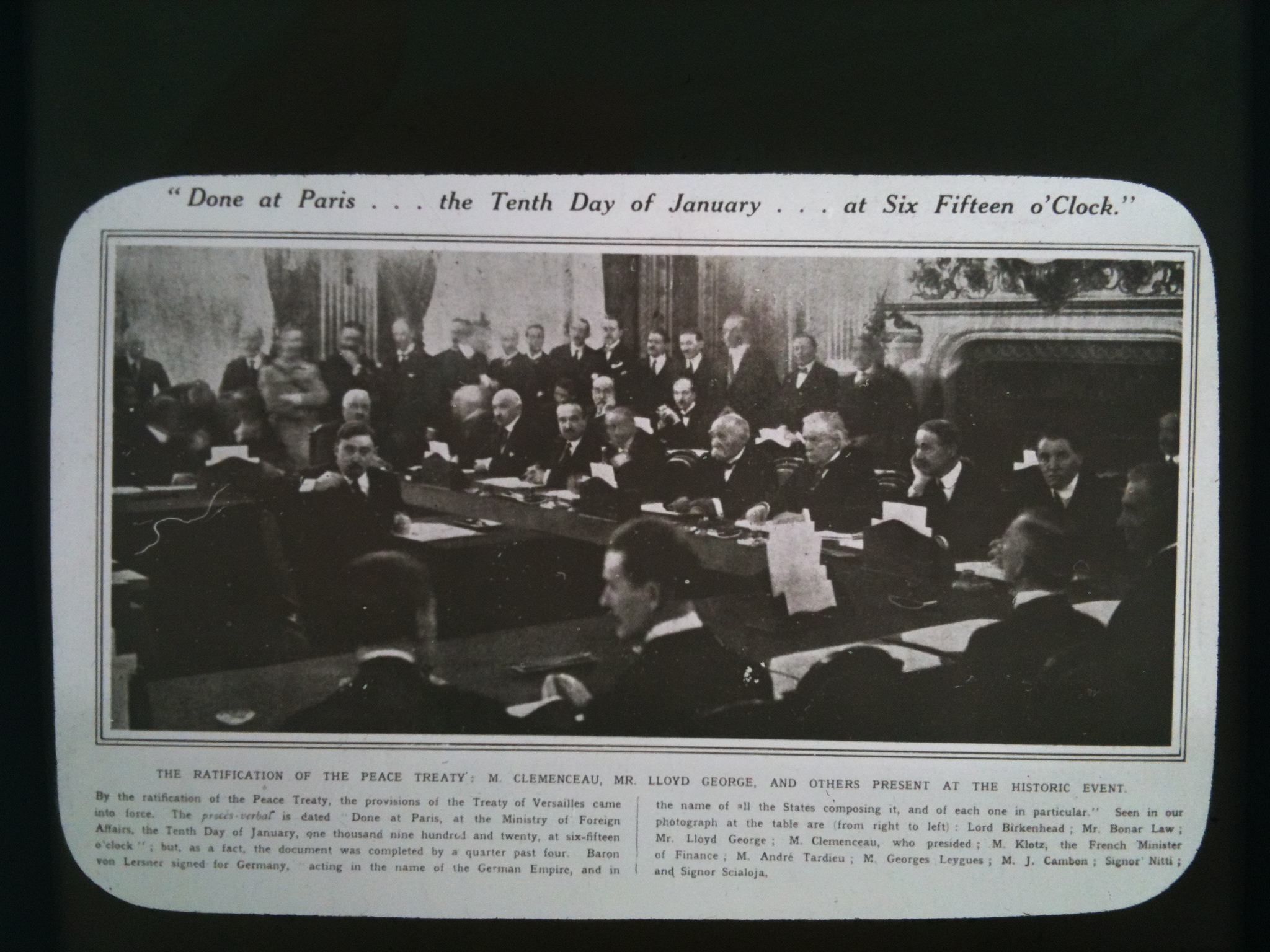
WWI Ratification of Peace Treaty

In a previous post, I wrote about Professor Robert Wallace, (1853 – 1939), who taught Scientific Agriculture and Rural Economy at the University of Edinburgh and how many of the glass slides in the Roslin Collection seem to belong to him. While many of these images focused on his teaching interests, there were quite a few on World War I concerns. Professor Wallace was passionately concerned about the treatment of war prisoners and hostages in Germany and Belgium during the war and wrote to the President of the United States of America, Woodrow Wilson between 1914 and 1917 with his concerns and urging him to send American troops to Europe to fight. These letters can beound in the Centre for Research Collections, Main Library, University of Edinburgh (Reference number: GB 237 GB 237 Coll-87 / Location Gen. 554-555; Gen. 867F).

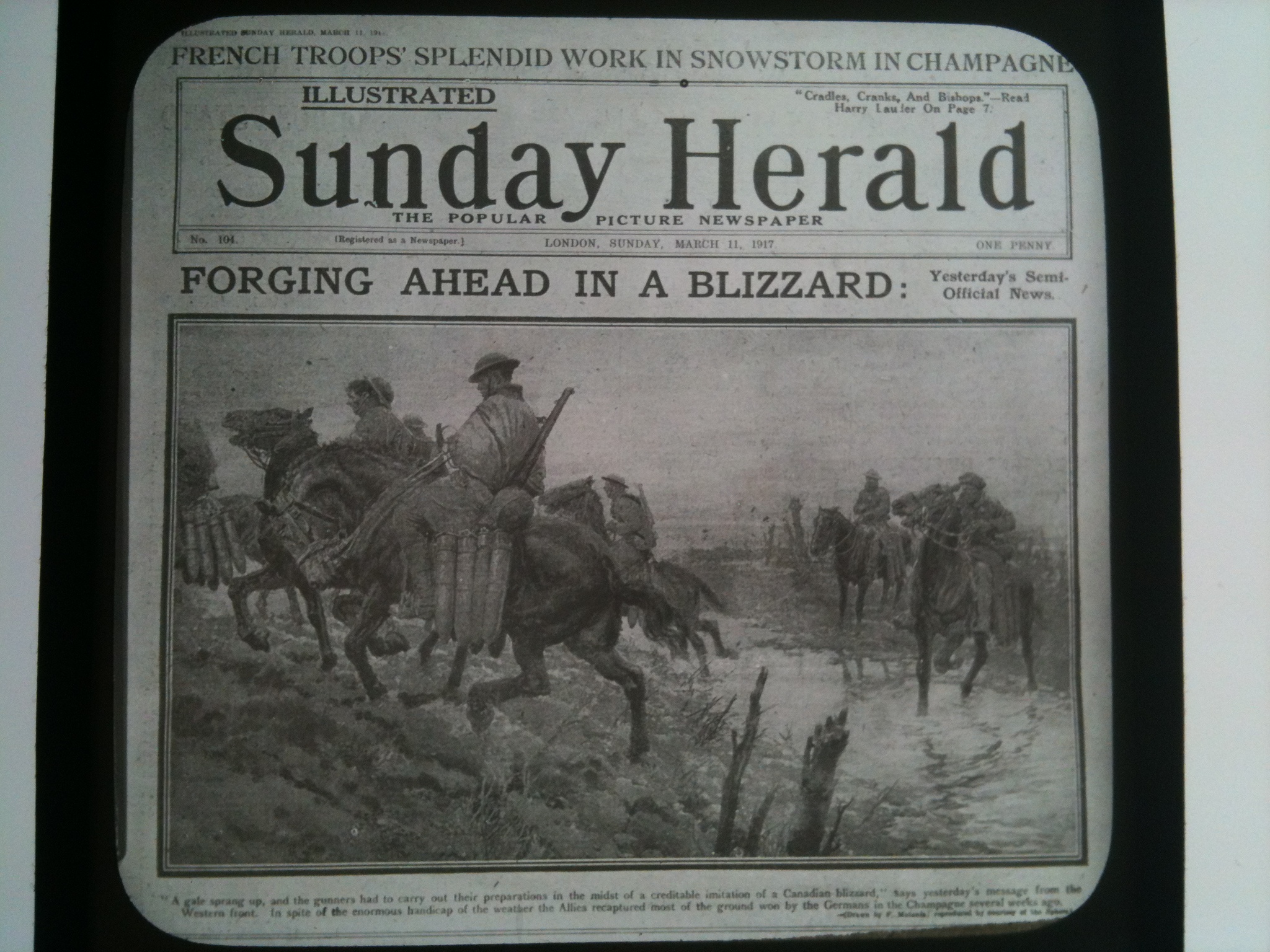
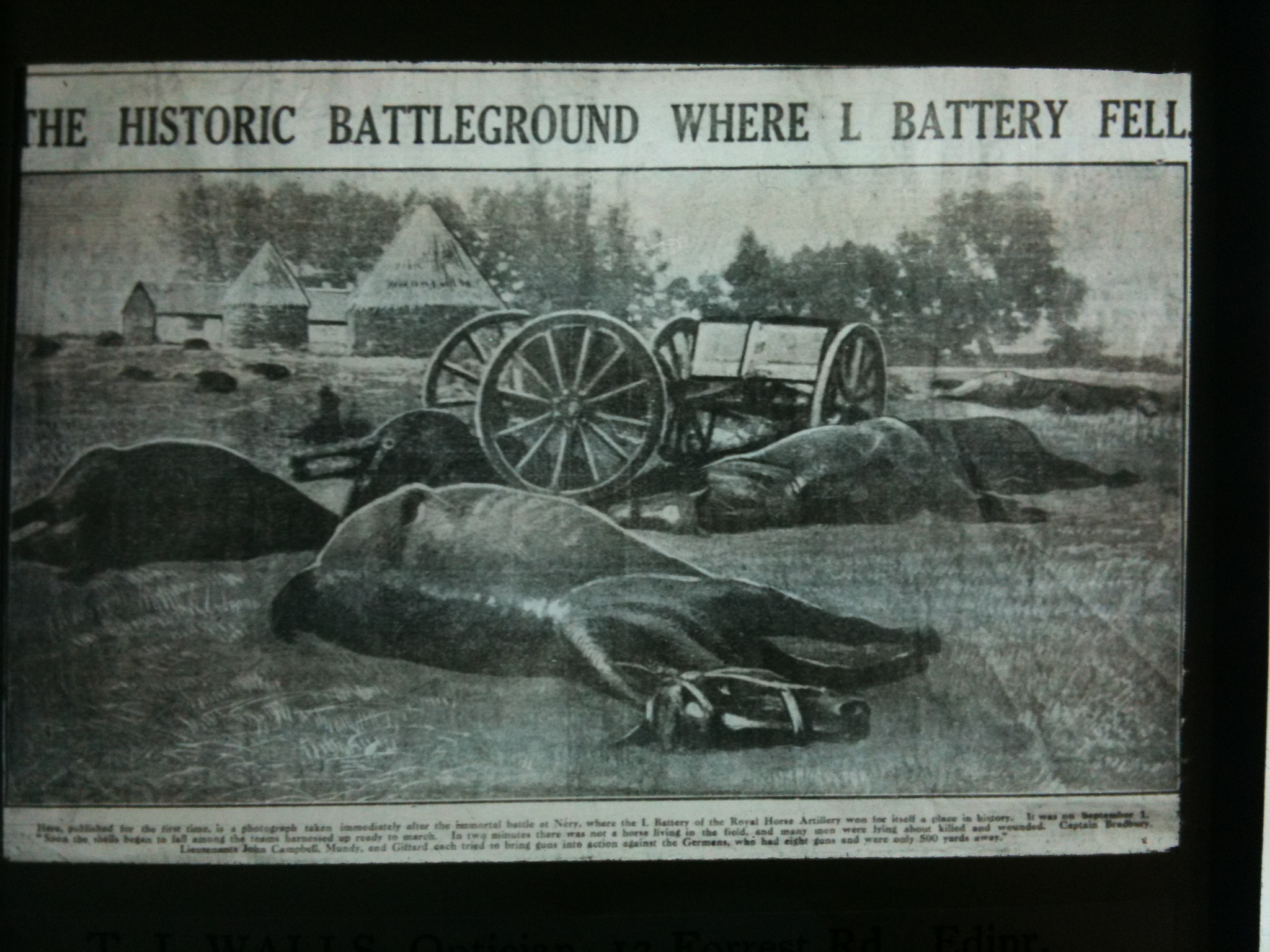
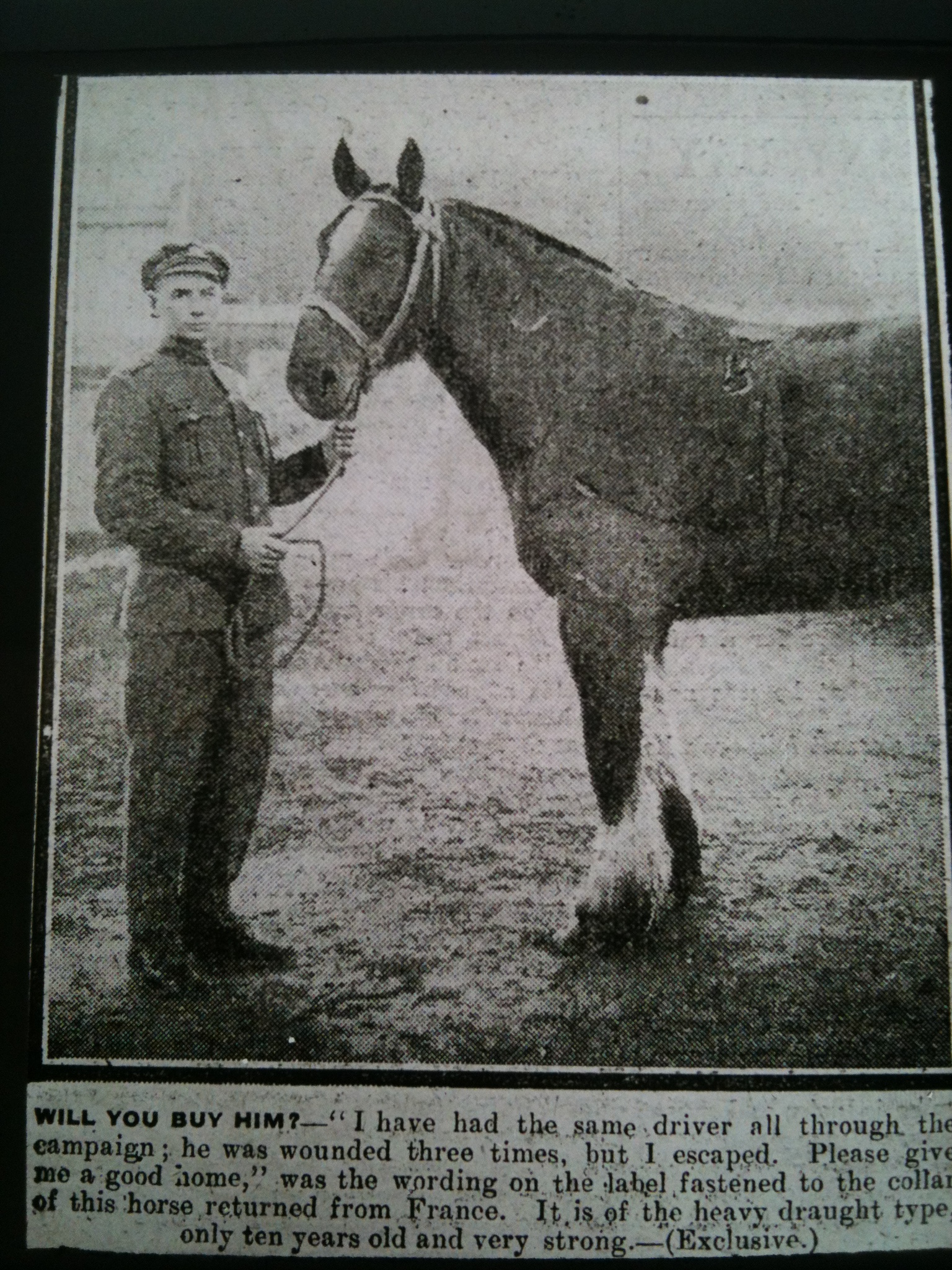
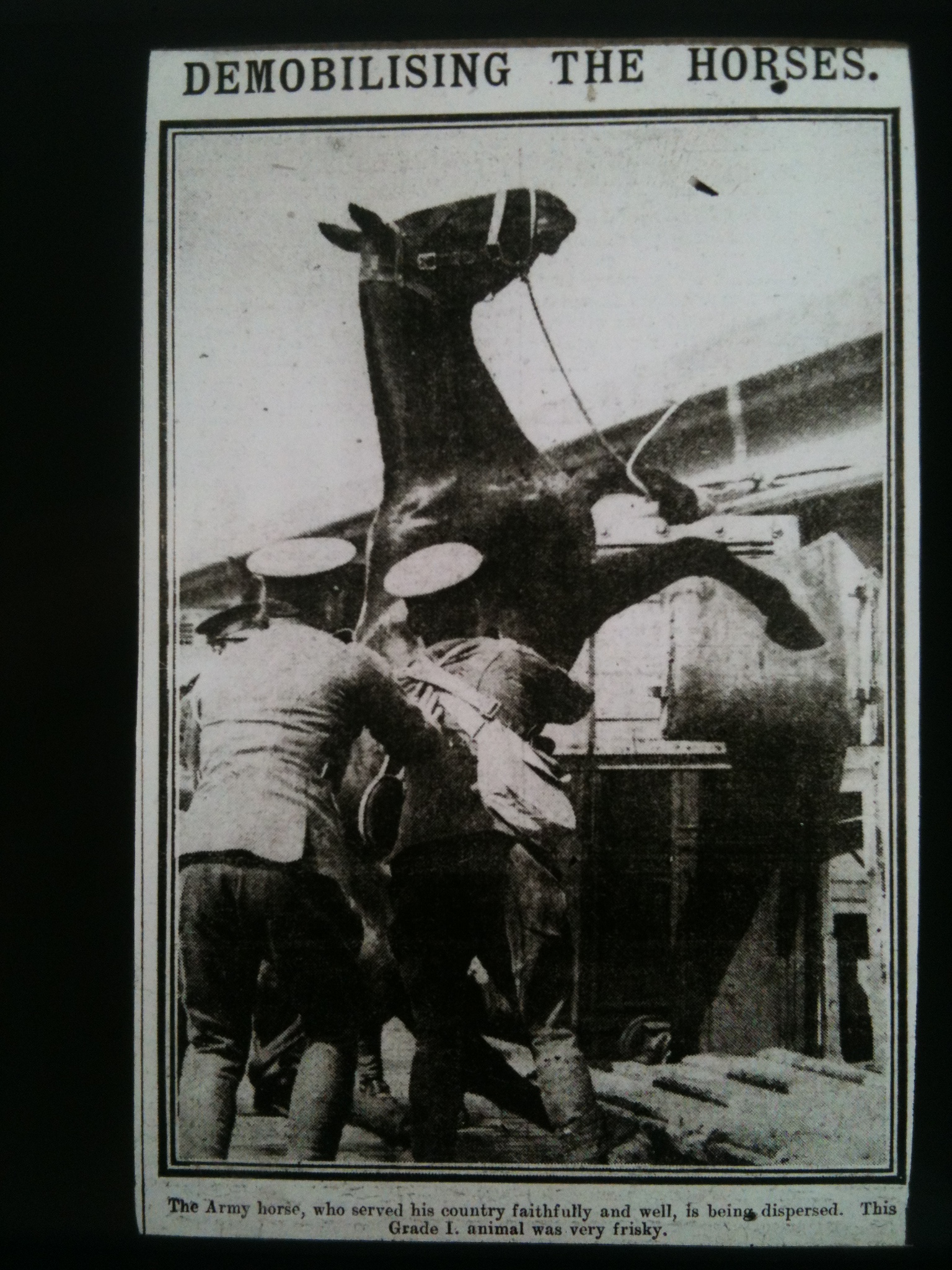
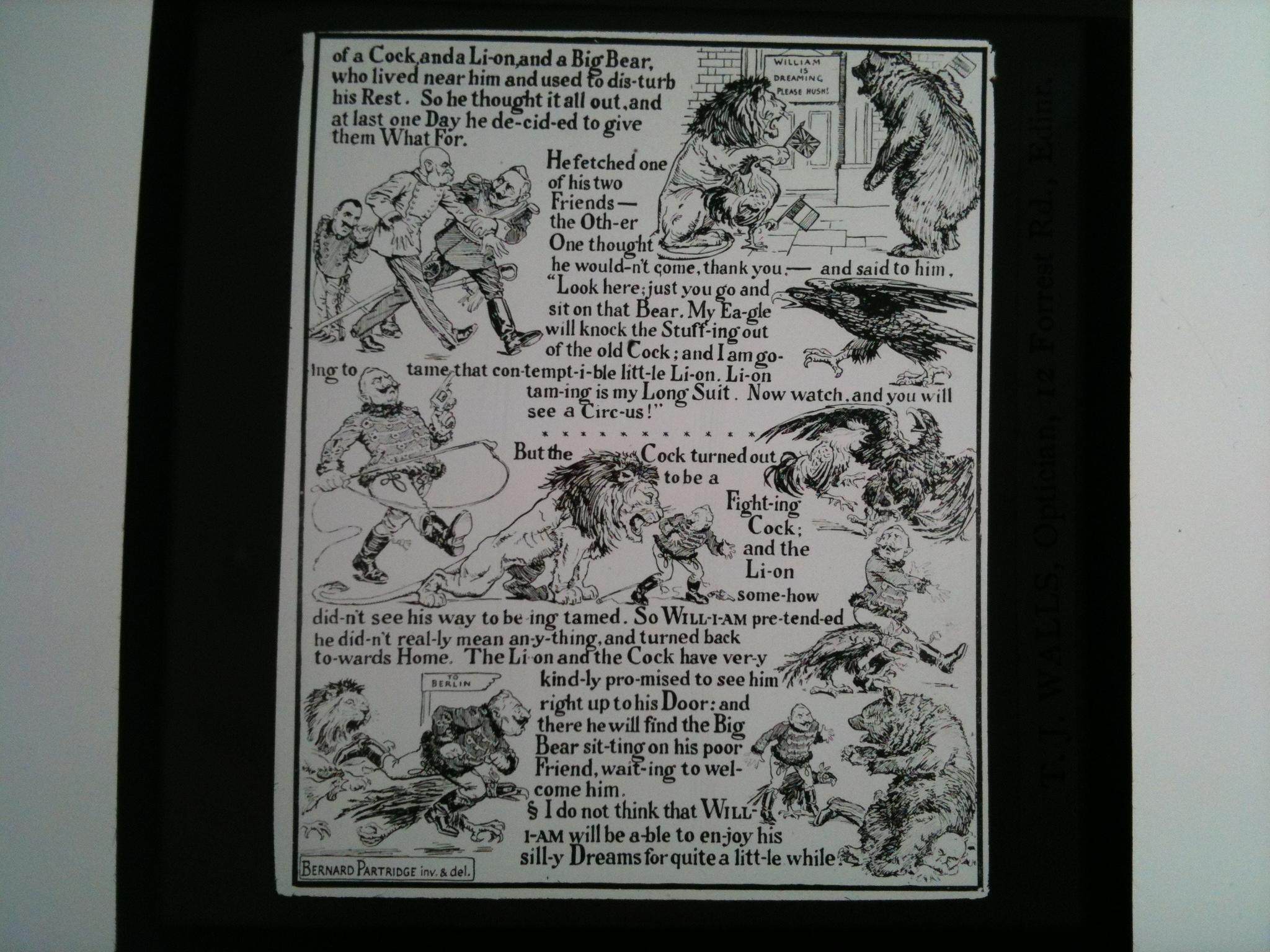
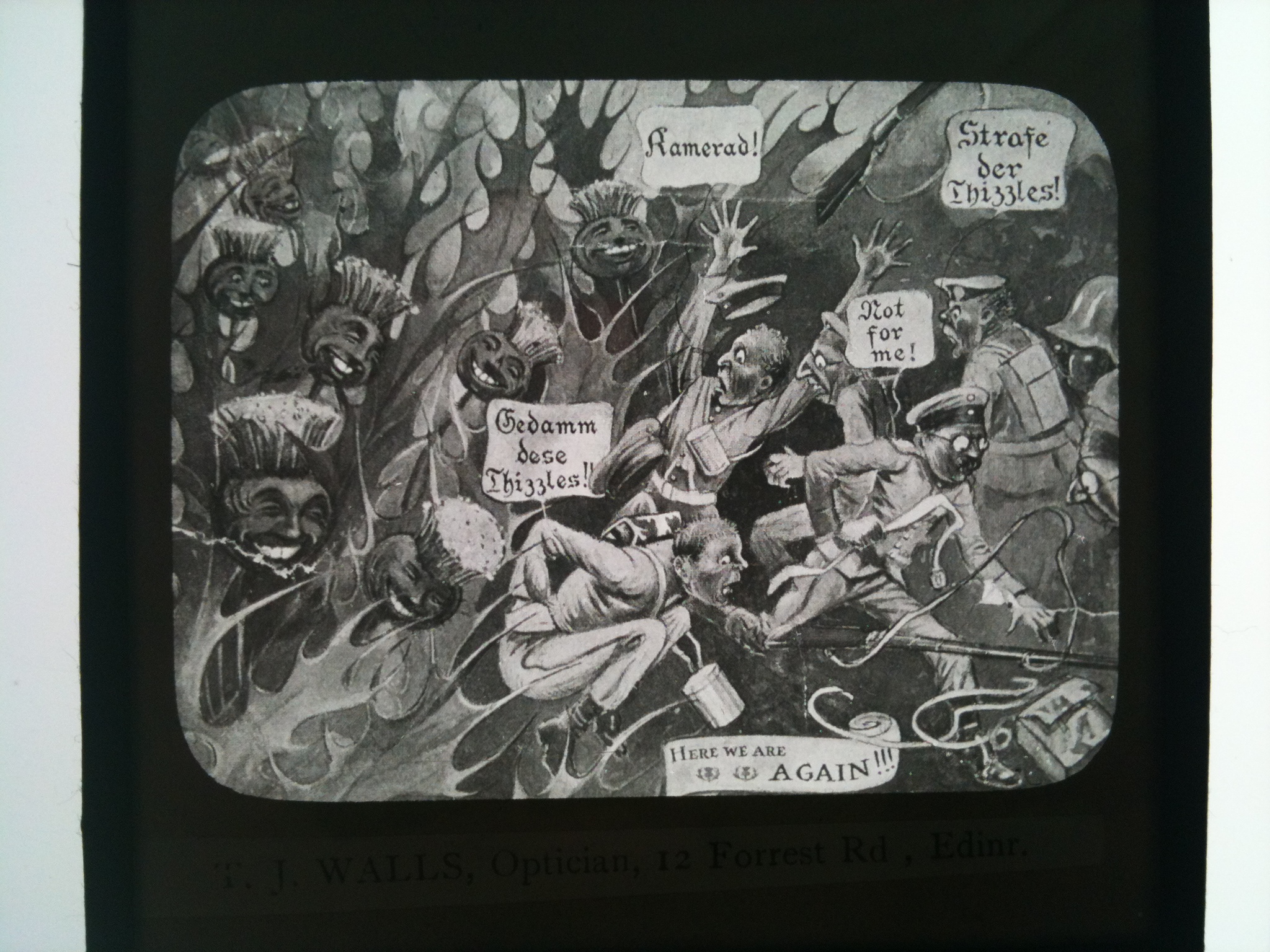
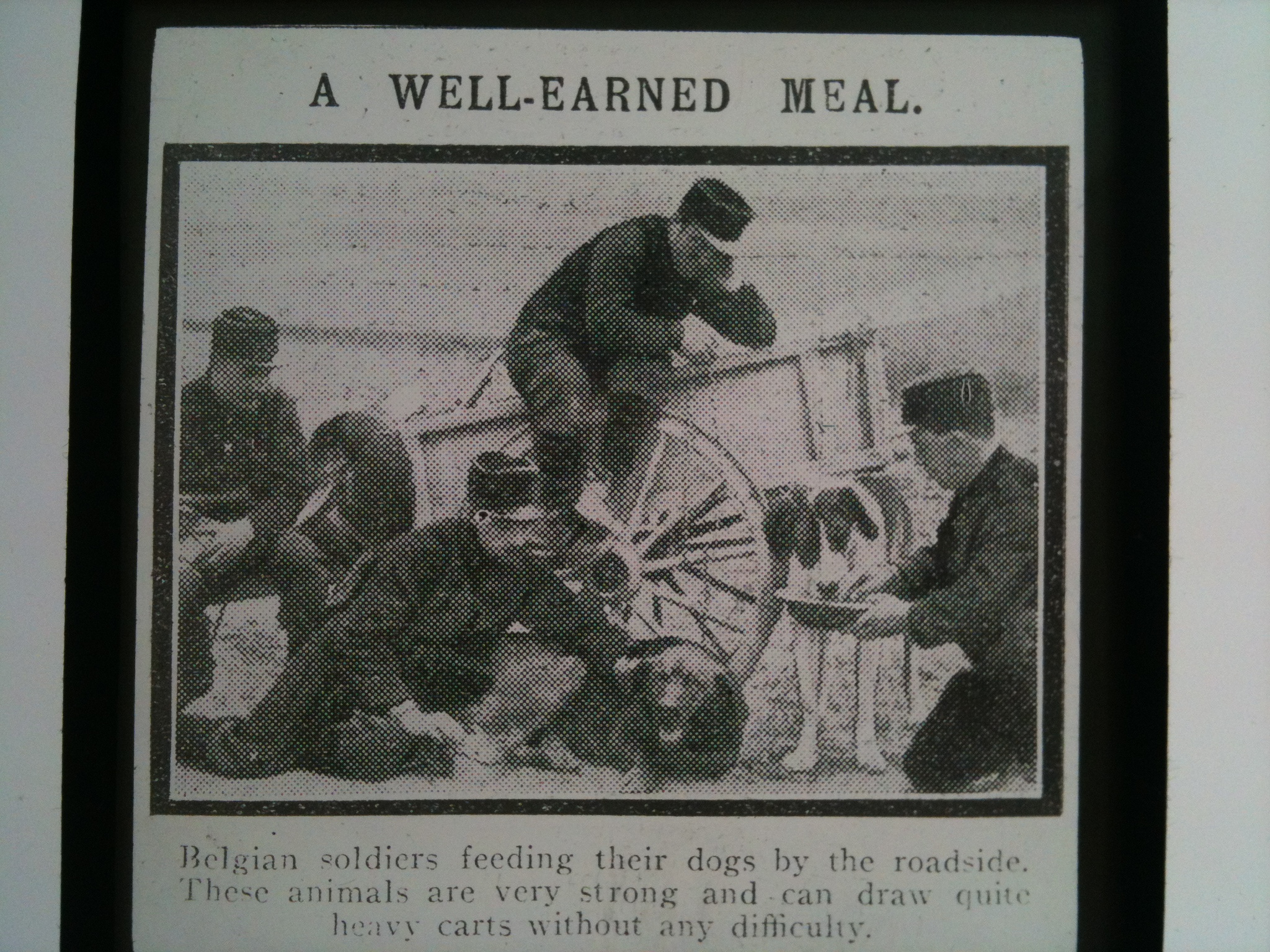
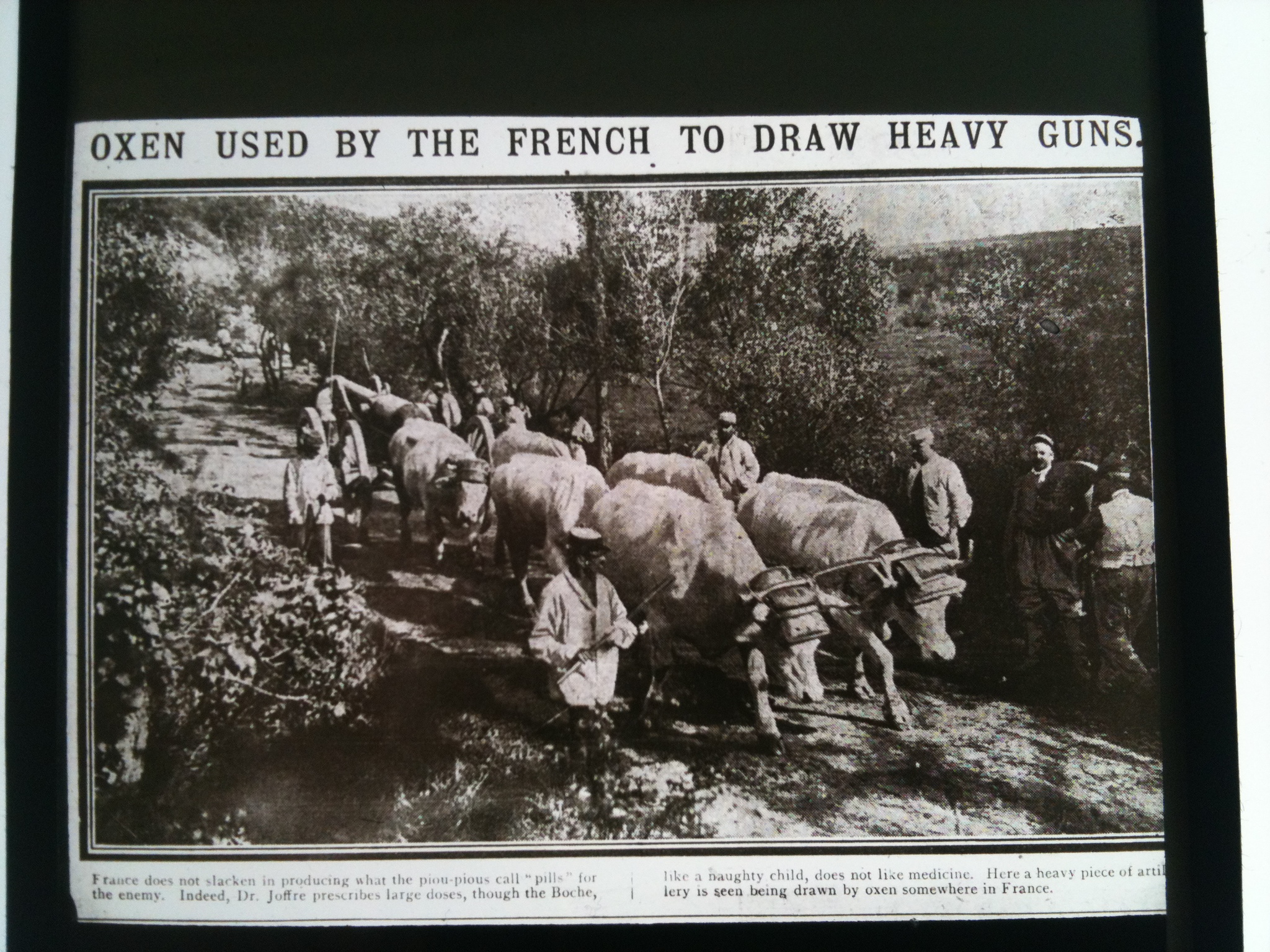
Here are a selection of images from the Roslin Glass Slides Collection featuring – animals during and after WWI and political cartoons:

War Forging Ahead in BlizzardHorses in War WWI
Will You Buy Him WWI Horse
War Demobilising Horse
WWI Political Poem


WWI Boche and the Thistles

WWI A Well Earned Meal

War Oxen Guns

Remembering Arthur Dukinfield Darbishire (1879-1915)

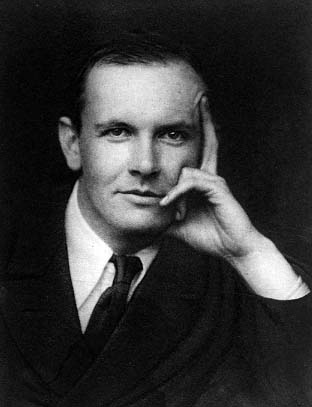
darbishire_portrait oxfordshire historyAs today is Remembrance Day, it seems a fitting time to commemorate an early geneticist whose achievements were cut short by war. Arthur Dukinfield Darbishire (1879-1915) was appointed to the Lectureship in Genetics at the University of Edinburgh (the first of its kind in Britain). Had he lived, it is likely that Darbishire would have been offered the post of director of the newly formed Animal Breeding Research Station (later known as the Institute of Animal Genetics) in Edinburgh; the position that in 1921 was filled by F.A.E Crew.


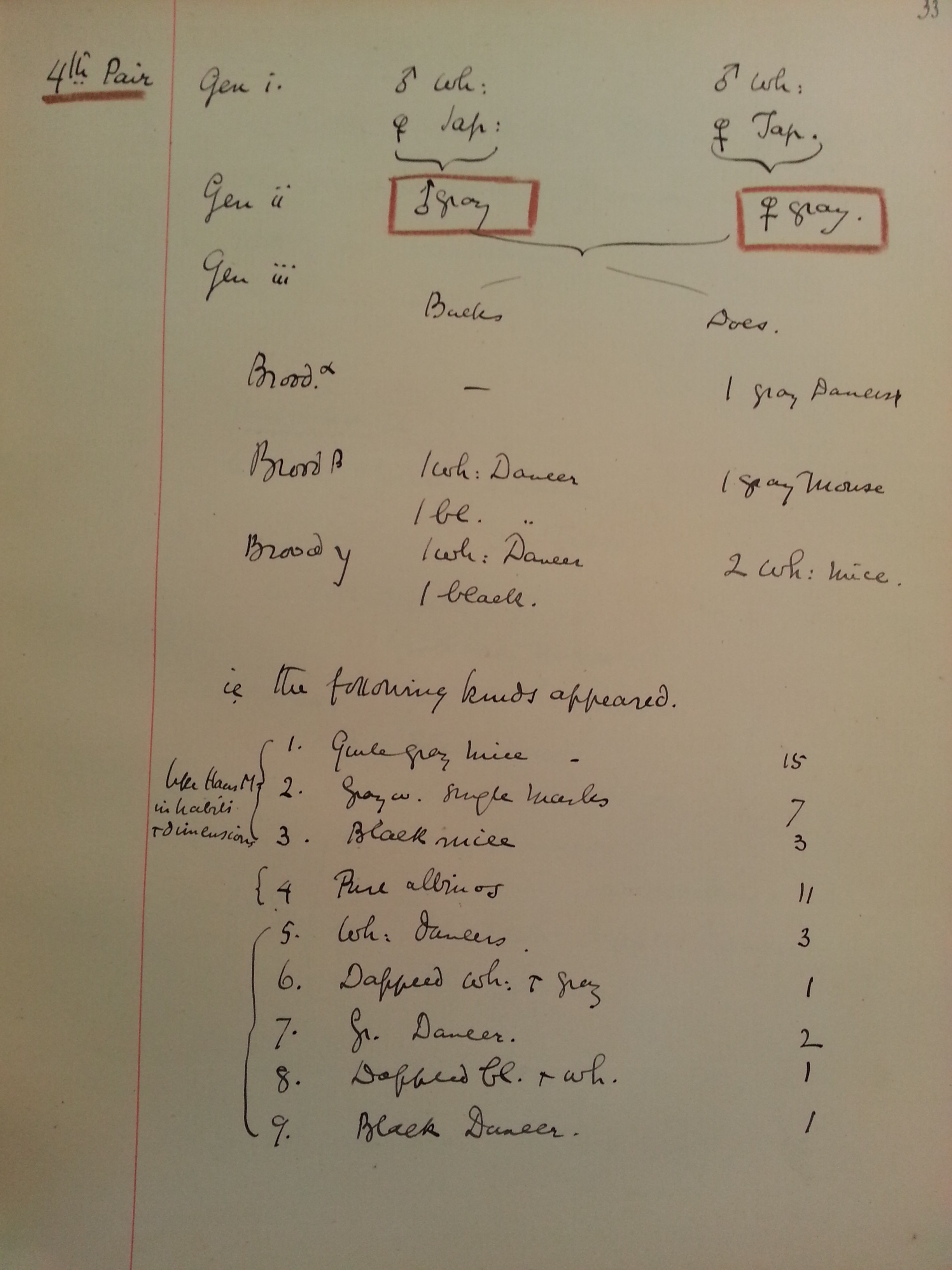
Darbishire was educated at Balliol College, Oxford, where he studied zoology. He soon became absorbed in problems of heredity and in the first few years of the twentieth century he began a series of breeding experiments with mice (known informally as the ‘waltzing mice’ experiments). At this point, his interests lay in the biometric rather than a Mendelian approach to heredity (ie that heredity relies on continuous rather than discontinuous variation), but when he became Demonstrator in Zoology at the University of Manchester in 1902, he began to reassess the Mendelian approach. He continued his experiments with mice in the light of his earlier biometric position, and concluded that the supposed contradiction between the two theories was due more to differences of opinion rather than inherent theoretical incompatibilities. He therefore cut himself adrift from both schools of thought, maintaining an independent and critical distance.

After a spell as Senior Demonstrator and Lecturer in Zoology at the Royal College of Science, in 1911 Darbishire accepted the newly created post of Lecturer in Genetics at Edinburgh, where he had the run of the University’s Experimental Farm at Fairslacks for breeding experiments. By 1914, Darbishire was delivering lectures at the University of Missouri, Columbia and was so successful that he was offered professorships from two American universities. However, Darbishire could not leave England after the outbreak of war. Upon returning, he was pronounced unfit for the Army (due to ‘physical delicacy’) but in July 1915 he tried a second time at a recruiting office, where he was accepted and enrolled as a private in the 14th Argyll and Sutherland Highlanders. His sister Helen wrote that ‘[h]e devoted himself to his duties as a soldier with the same zest and the same meticulous attention to detail that marked his work in other spheres, and he won the love and admiration of his comrades.’ However, within less than six months, Darbishire contracted cerebral meningitis whilst in military camp at Gailes. He died on Christmas Day 1915. Three days after his death, he was gazetted Second Lieutenant in the Royal Garrison Artillery.

Page from Notebook of Arthur Darbishire (c.1902), Edinburgh University Library Special Collections, EUA 1N1/ACU/A1/3/6

Page from Notebook of Arthur Darbishire (c.1902), Edinburgh University Library Special Collections, EUA 1N1/ACU/A1/3/6

By the time that a young medic with an interest in animal breeding returned to Edinburgh after the war, he found that his two mentors at the University, Darbishire and F.H.A Marshall, were no longer there (Marshall had accepted a post in Cambridge). These two absences meant that, when it came to appointing a director of the new Animal Breeding Research Station, F.A.E Crew was ‘on the spot’ and duly appointed to the post in 1921. As we have seen, Crew made a great success of the Institute, but one wonders what differences Darbishire might have made to the development of genetics in Edinburgh. As it is, there is little concerning Darbishire in the archival and printed collections of ‘Towards Dolly’, although we do have one of his research notebooks and some of his collected offprints.

Helen Darbishire, who was later Principal of Somerville College Oxford, wrote of her brother in 1916:

All who knew him will keep in memory a personality alive and young to a rare degree, fulfilling itself in a passion for music, much laughter, a perfectly disinterested love of truth, a delight in producing delight in others, and the keenest possible interest in life itself whichever way it led him.

Reference:
Helen Darbishire, Preface to An Introduction to Biology and other papers by A.D Darbishire (Cassell and Company Ltd, 1917)

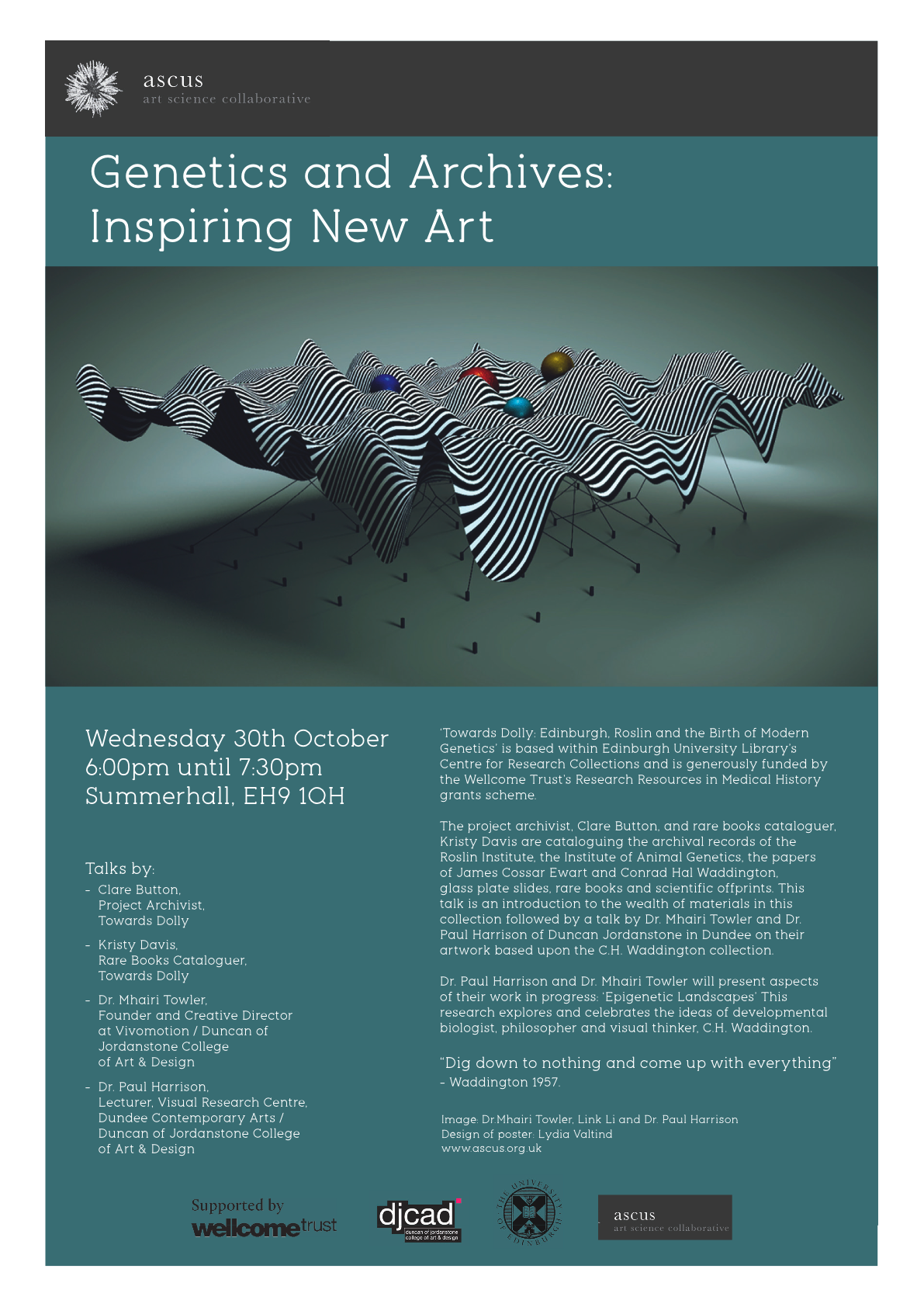
ASCUS talk: Genetics in the Archives: Inspiring New Art


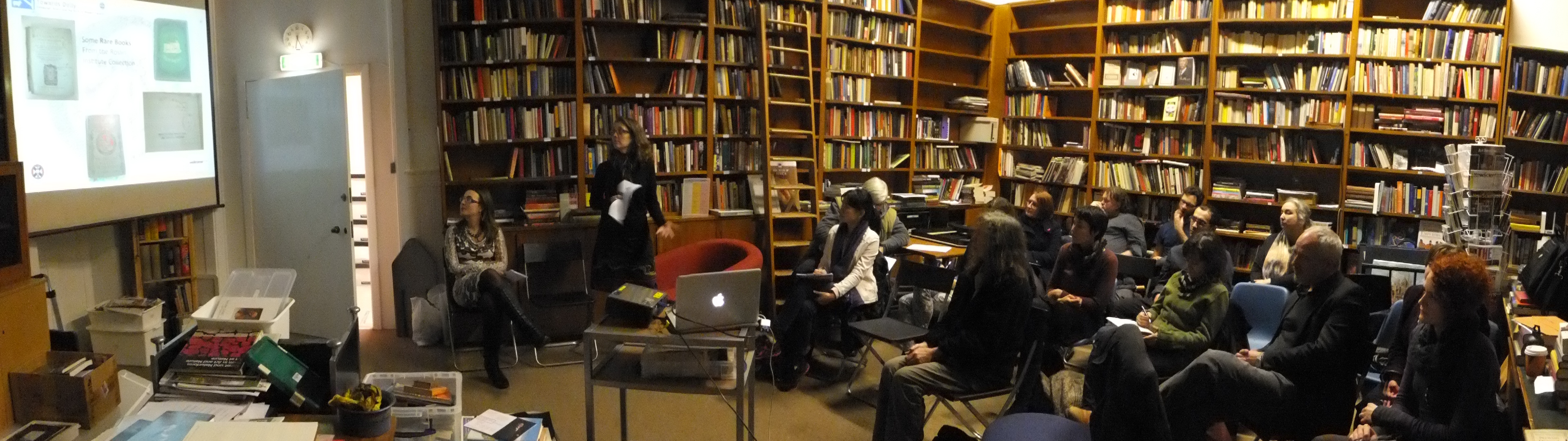
ASCUS Talk

Another way we promote the project is by giving talks and last Wednesday we had the exciting opportunity to collaborate with both ASCUS: the Art and Science Collaborative and Dr. Mhairi Towler and Paul Harrison of Duncan of Jordanstone College of Art, Dundee. Our part of the talk was to introduce the collection to a wider audience and to show the wealth of material on offer to researchers; then, the artists, Dr. Mhairi Towler and Dr. Paul Harrison spoke about their current project sand how they used some of the material from the Conrad Hal Waddington Collection in their work.

ASCUSGeneticsArchivesPoster

Our talk: ‘Towards Dolly: Edinburgh, Roslin and the Birth of Modern Genetics’ is based within Edinburgh University Library’s Centre for Research Collections and is generously funded by the Wellcome Trust’s Research Resources in Medical History grants scheme. The project archivist, Clare Button, and rare books cataloguer, Kristy Davis are cataloguing the archival records of the Roslin Institute, the Institute of Animal Genetics, the papers of James Cossar Ewart and Conrad Hal Waddington, glass plate slides, rare books and scientific offprints.

And Dr. Mhairi Towler and Dr. Paul Harrison of Duncan Jordanstone College of Art in Dundee spoke on their artwork based upon the C.H. Waddington collection who presented aspects of their work in progress: ‘Epigenetic Landscapes’.  This research they said ‘explores and celebrates the ideas of developmental biologist, philosopher and visual thinker, C.H. Waddington.’ http://www.designsforlifeproject.co.uk/ Afterwards there was a brief question and answer session before people left or moved on to discuss it further.

DSCF9611

We would like to thank Dr. Mhairi Towler and Dr. Paul Harrison for speaking; ASCUS for collaborating with us to make this event possible; the Art and Science Library at Summerhall for letting us use their space and all those who braved the weather and attended the event.

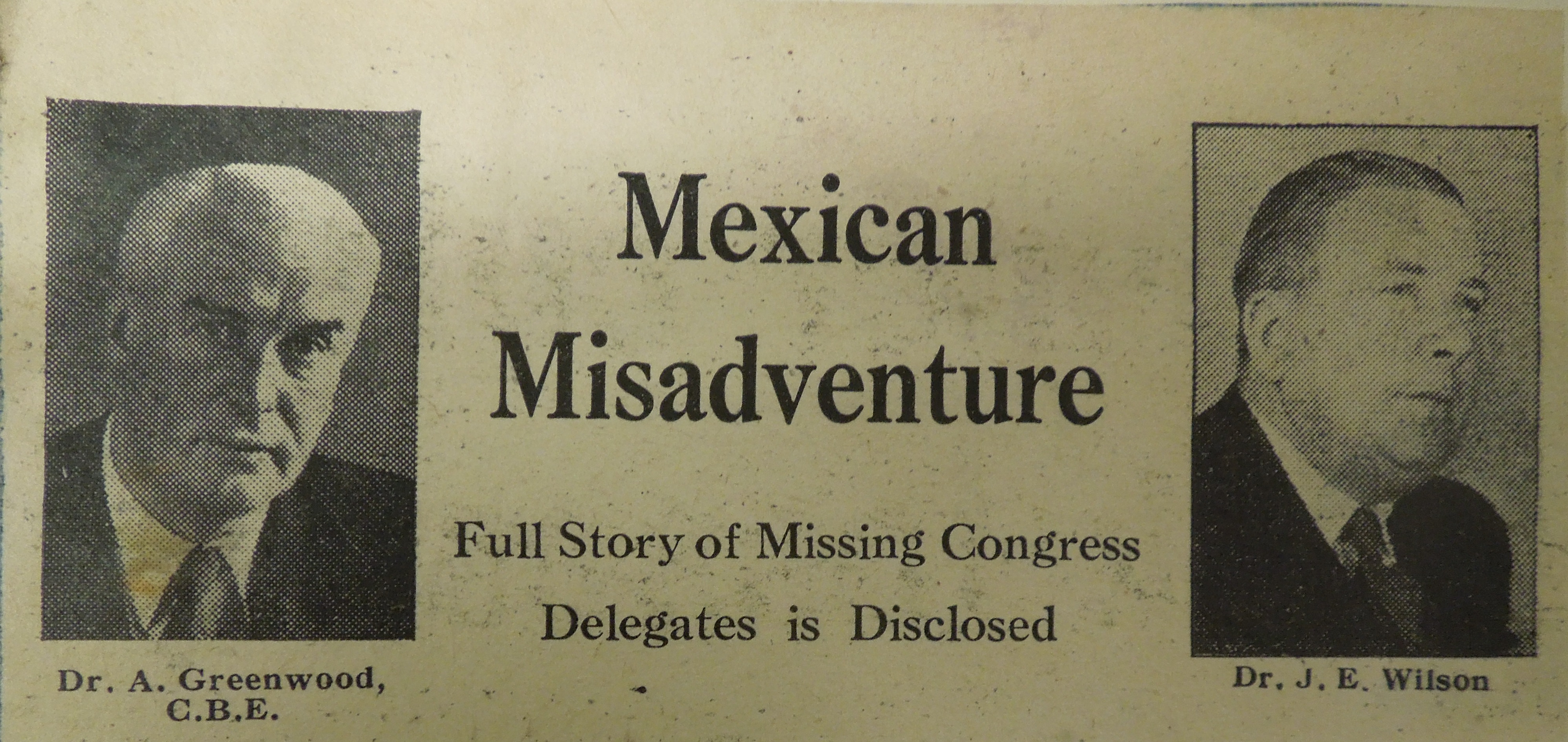
Alan Greenwood’s ‘Mexican Misadventure’

Mexican Misadventure lowerqualMany of the scientists who feature in our collections were extremely well-travelled, and their archives abound with information about the conferences, congresses and conventions which they attended all over the world. However, it’s not often that we come across a real-life adventure story which very nearly didn’t have a happy ending…

Among the papers of Alan Greenwood (director of the Poultry Research Centre in Edinburgh from 1947 until 1962) there is a press cutting from the Poultry World & Poultry magazine, dated 13 November 1958 under the headline ‘Mexican Misadventure: Full Story of Missing Congress Delegates is Disclosed’. The article goes on to tell the harrowing experience of Alan Greenwood and his colleague, veterinary surgeon James Ebeneezer Wilson, whilst journeying to a congress on poultry in Mexico City. Writing a personal account, Greenwood paints a vivid picture of the severe floods in Mexico which hit the country after a seven-year long period of drought. Arriving at El Paso ready to cross the Rio Grande to Juarez by train, all seemed to be going swimmingly: with the Chief Customs Official at the railway station providing them with free Mexican beer. The train departed at 10.30 on 18th September carrying 1,200 passengers, but got stranded at Jiminez the next morning when the rains hit. The delay was supposed to be around 10 hours, but as Greenwood reports: ‘in reality we spent four nights and four days on that train under circumstances which were not in the least bit comfortable.’ This is an understatement: with no hot water or light, limited sanitation and an infestation of cockroaches, the enforced confinement on the train was hardly pleasant. An attempt to cross a bridge by foot was aborted when it was discovered that the bridge in question had been swept away in the floods, so the confinement continued with the food situation growing ‘desperate’. At last, Greenwood and his colleague were able to get seats on a two-coach train trying to get from Jiminez to Chihuahua, but the drama continued:

It was a nightmare journey in many ways with the raging river torrents covering the trestle bridges over which we crawled at the rate of about a yard per minute. It was raining heavily all the time, and electrical storms were continuous. At times the carriages were jumping up in the air and leaving the tracks.

Greenwood and Wilson finally arrived in Chihuahua at 1am four days after they had left El Paso. After some days of rest and recuperation, the pair began the return journey to Houston. They continued to travel throughout America before returning to Scotland, and the Greenwood archive contains a book of postcards which Greenwood collected from around Mexico and America on this trip.

We probably all have travel ‘horror stories’, but probably none quite so hair-raising as this!

Avian Genome Mapping Advances at the Roslin Institute in 1995

IMG_4163

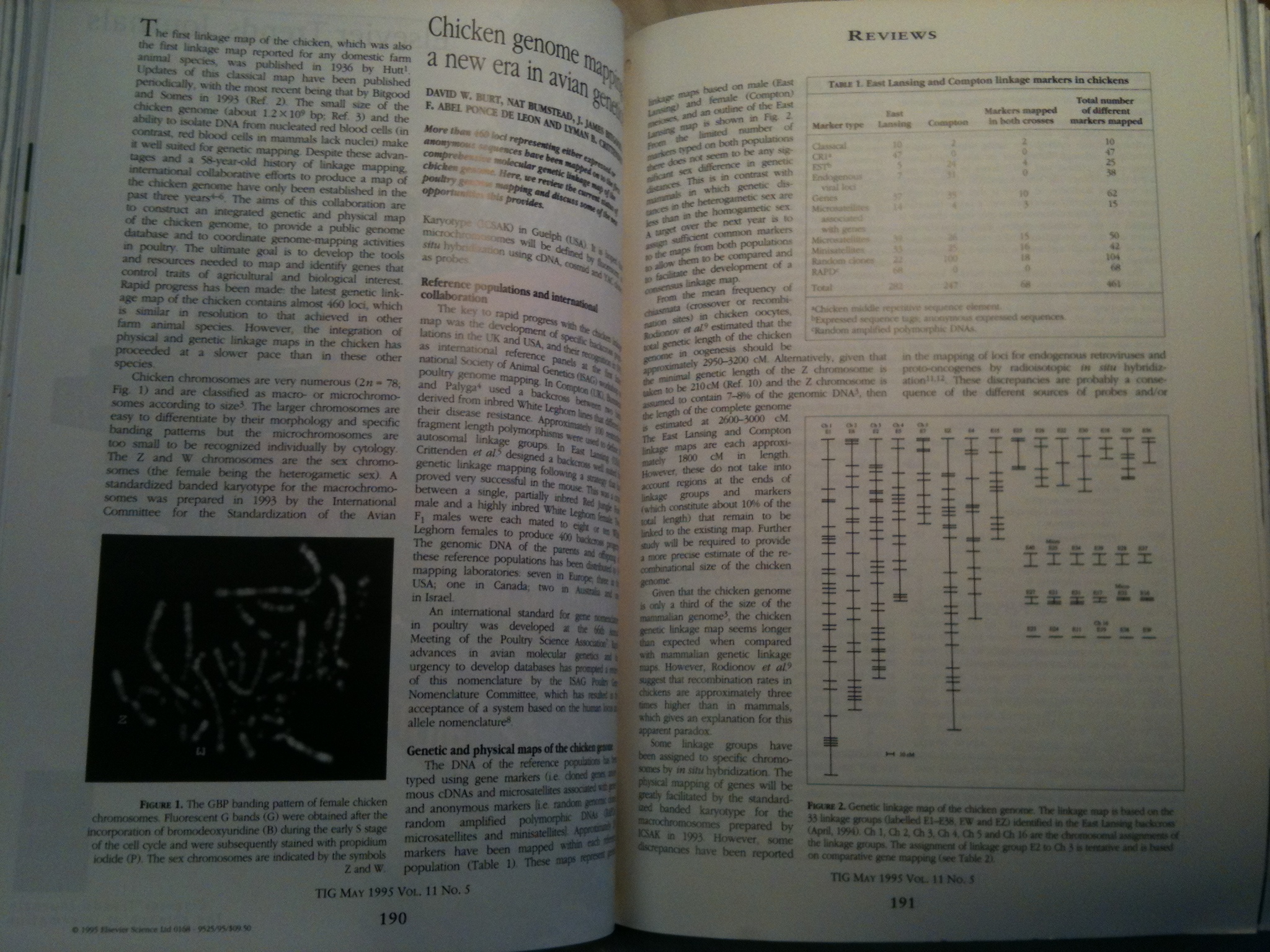
In 1995 David W. Burt the Chair of Comparative Genomics at the Roslin Institute, Midlothian, Scotland, wrote several articles on the successes of mapping the avian genome through the project the International Poultry Genome Mapping Project and the creation of the public database, ChickGBASE  (http://archive.is/DCn2c)  that was established at the Roslin Institute to ‘provide access to a summary of chicken gene mapping data.’

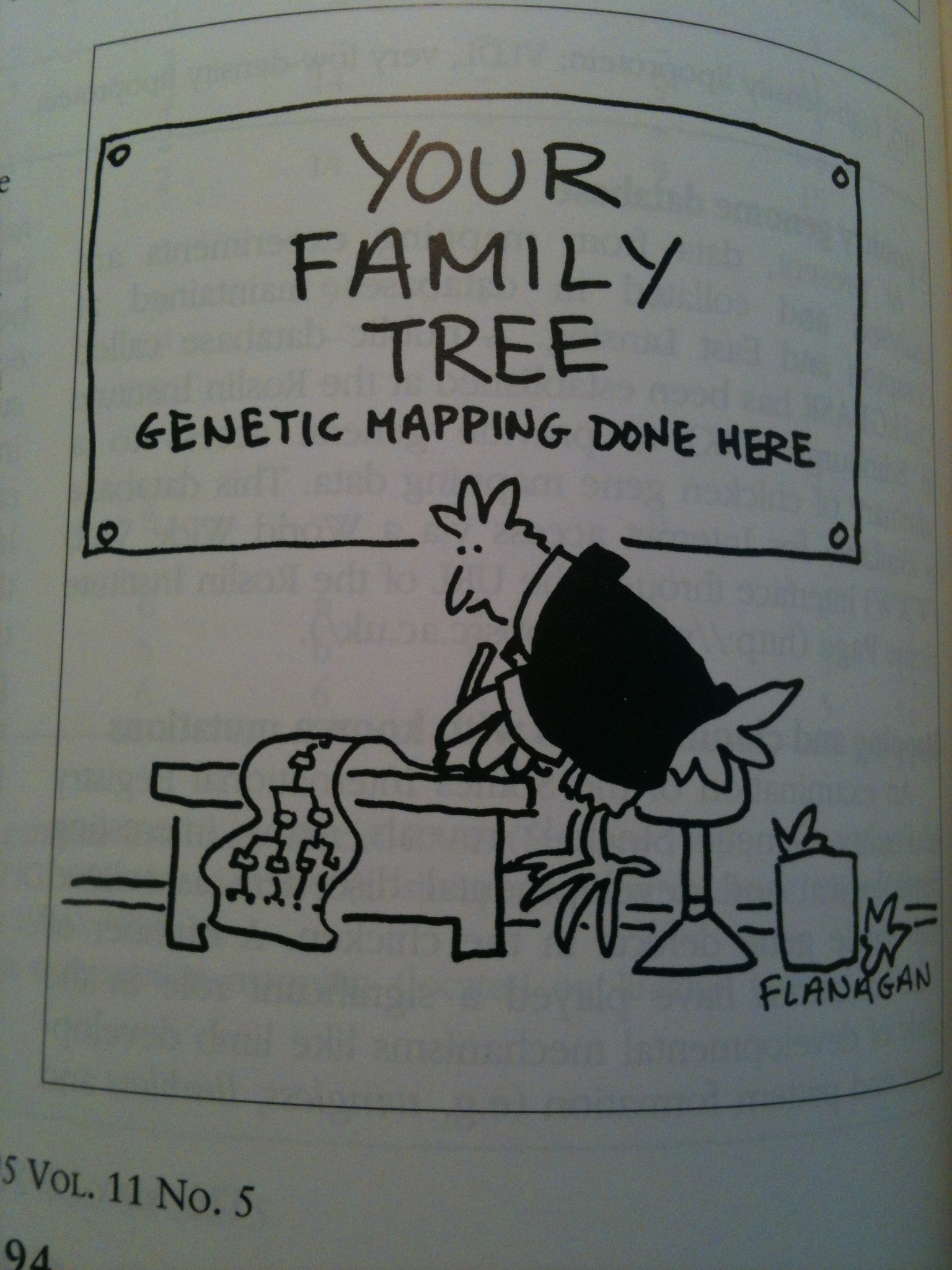
IMG_4160In the article, ‘Chicken genome mapping: a new era in avian genetics’ by Burt, Bumstead, Bitgood, Ponce de Leon and Crittenden, Trends in Genetics (May 1995, Vol. 11, No. 5), they note that the ‘first linkage map of the chicken, which was also the first linkage map reported for any domestic farm animal species, was published in 1936 by Hutt’ and there were updates by other scientists over the years.

There are multiple articles by Burt and others on the progress made with avian gene mapping in the Roslin Institute’s 1995 offprint series and what’s fascinating to see is how the advances in biotechnology has aided their efforts.

IMG_4155According to Burt’s report in the Roslin Institute’s Annual Report 1994-1995, the next challenge that they faced was to ‘locate and identify the defective gene in this (talpid3) mutant’ and that ‘a “positional cloning” approach could be used in which the talpid genetic locus itself is cloned and genes within that DNA are tested.’
Stefan Kopeć in the Alan Greenwood archive

Stefan Kopec 2

Stefan and Maria Kopec

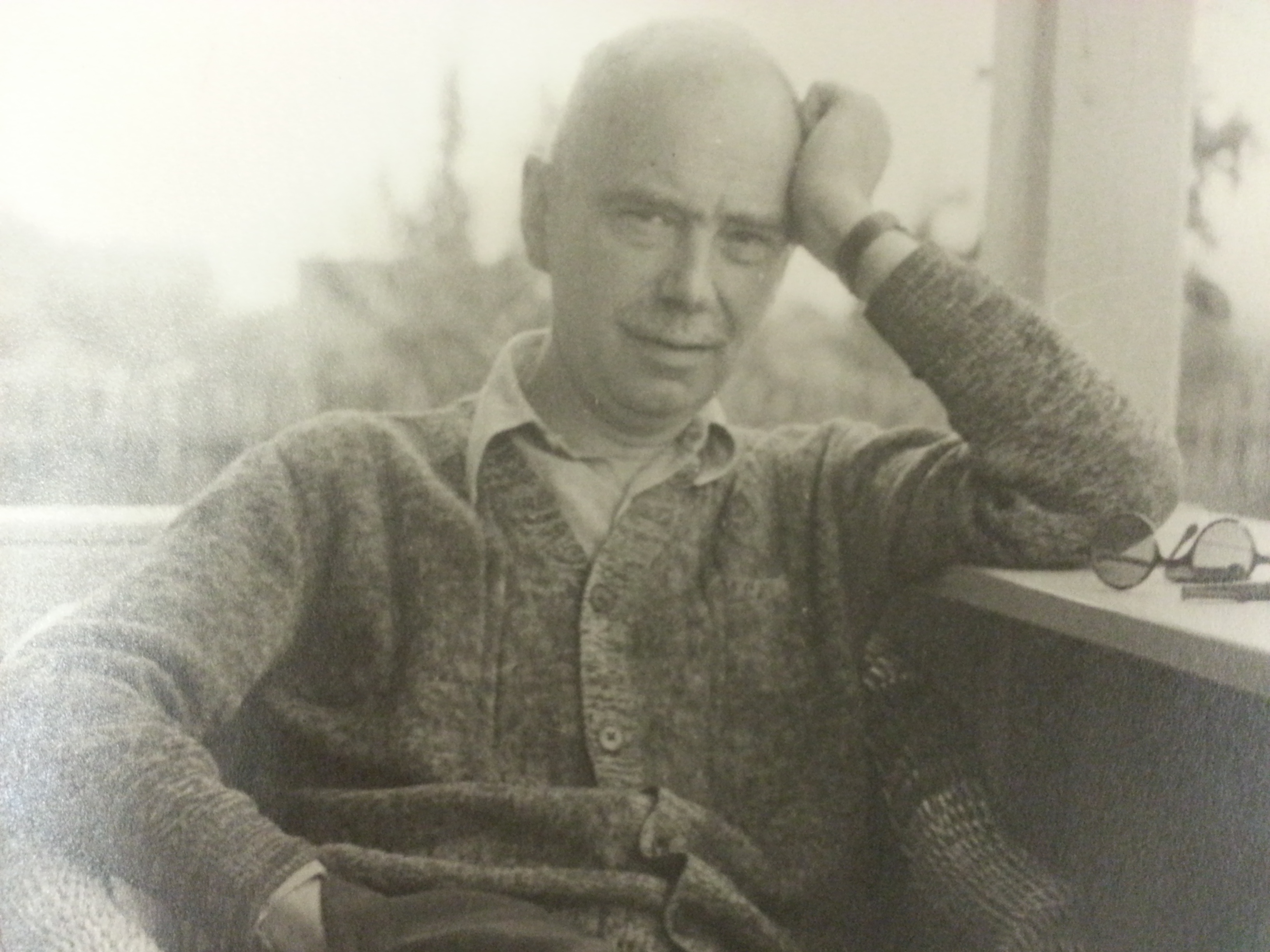
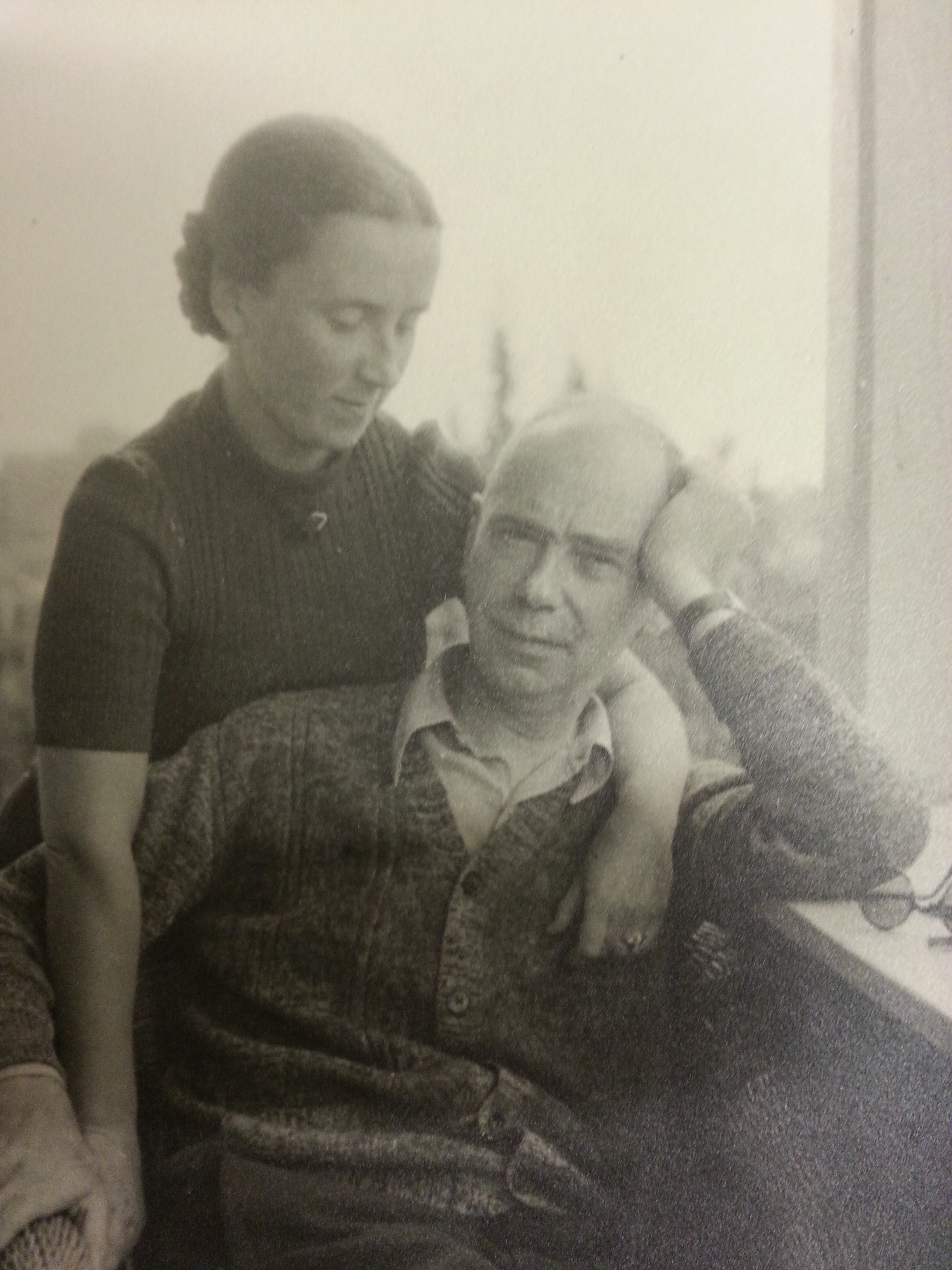
The Alan Greenwood archive contains a variety of material, from degree certificates and correspondence to copies of lectures and scientific papers. However, one of the most fascinating parts of the archive is a collection of photographs which not only contains some nineteenth-century portraits of Greenwood’s ancestors, but also visually documents the work done at the Institute of Animal Genetics Poultry Research Centre from the period Greenwood was director (1947-1962), as well as some earlier photographs from the Institute of Animal Genetics, where Greenwood worked from 1923. The photographs have been mounted on around 100 pages of paper which look to have at one time been fixed inside a folder or album, and are annotated in Greenwood’s hand. The photographs consist mainly of official portraits and photographs taken for publicity and press purposes, informal snaps of conferences and social events and also more personal, intimate pictures of scientists and members of their family. The first page of photographs in the collection is from the latter category, and depicts Polish biologist Stefan Kopeć (1888-1941) and his daughter Maria. When I first came across these pictures whilst cataloguing, I was struck by the intimacy of the shots: Kopeć sits, his spectacles lying on one side, looking frankly at the camera. The second picture shows Maria tenderly embracing her father. I thought these pictures were remarkably domestic and personal for a collection which mainly consists of pictures of scientists ‘at work’, and it piqued my interest in finding out more about Kopeć and his daughter.

It proved to be quite a story. Stefan Kopeć was a pioneering insect endocrinologist, publishing papers in academic journals in Polish, English and German. After receiving his PhD at the Jagiellonian University in Kraków in 1912, he joined the Pulawy Agricultural Research Station in Poland and was made director there in 1929. His most important contribution to science was his discovery of the role of the insect brain in the production of hormones, and this study laid the groundwork for what is now called neuroendocrinology. As for Kopeć’s connection with Alan Greenwood, I was aware that they had published a joint paper, ‘The Effects of Yolk Injections on the Plumage of an Ovariotomised Brown Leghorn Hen’ (Development Genes and Evolution, 121:1-2, 87-95) in 1929-1930, so it seemed likely that Kopeć visited the Animal Breeding Research Organisation (ABRO) at some point around this time. Records in the Institute of Animal Genetics (as the department became known) collection are scanty from this period, but I was delighted to come across a message from Kopeć in the Institute’s visitors’ book dated January 4th 1928, along with another photograph. Kopec writes:

Stefan Kopec IAG photo guestbookThe seven months I spent in the ABRO have been most profitable for me. I gained there some valuable methods and many important suggestions. I was very sorry to have to leave the place where I also got many good friends. Ladies and gentlemen! (both from the laboratories and poultry houses and from the office!) Please accept many thanks for all your kindness, all advice and help and be sure of my gratitude. Do not miss any opportunity to visit me in Pulawy. In the name of myself and my colleagues, of my wife and my F1-generation (♂ and ♀), of my rabbits, mice, fowls and other laboratory creatures I assure you of a very warm welcome…

The rest of the story, however, is not so positive. In 1940, Kopeć was arrested and imprisoned in Poland by the Gestapo along with his daughter Maria and son Stanislaw for their involvement in a Polish underground university. In 1941, Stefan and Stanislaw were executed at Palmiry, near Warsaw, in reprisal against an action of the Polish underground army.

Stefan’s daughter Maria however, went on to be a distinguished radiation scientist, receiving the prestigious Maria Skłodowska-Curie Medal in 1983, while Stefan Kopeć ‘s name lives on in the annual International Conference on Anthropods the Stefan Kopeć  Memorial Conference at the University of Wroclaw.

Photographs like these can have enormous power in the ability to open up individual life stories. Kopeć’s story demonstrates the interrelationship between different collections in the ‘Towards Dolly’ project and reflects the sometimes complex but always fascinating story of animal genetics in Edinburgh.