Home University of Edinburgh Library Essentials
April 6, 2026
Happy Halloween/Samhuinn from the Annexe
The results of our now annual Annexe pumpkin carving competition.

Ohh spooky.

Stephanie Farley (Charlie), Library Annexe Assistant
Marking the Millennium?
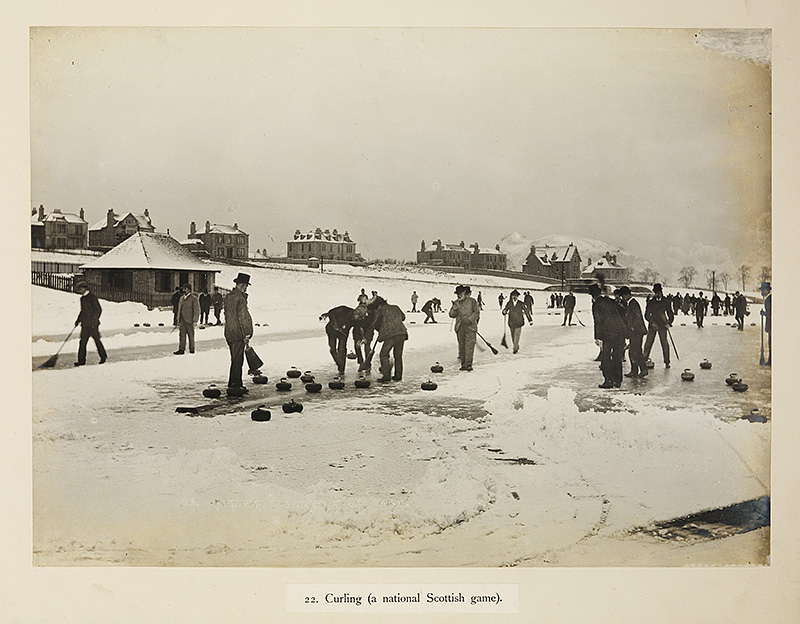
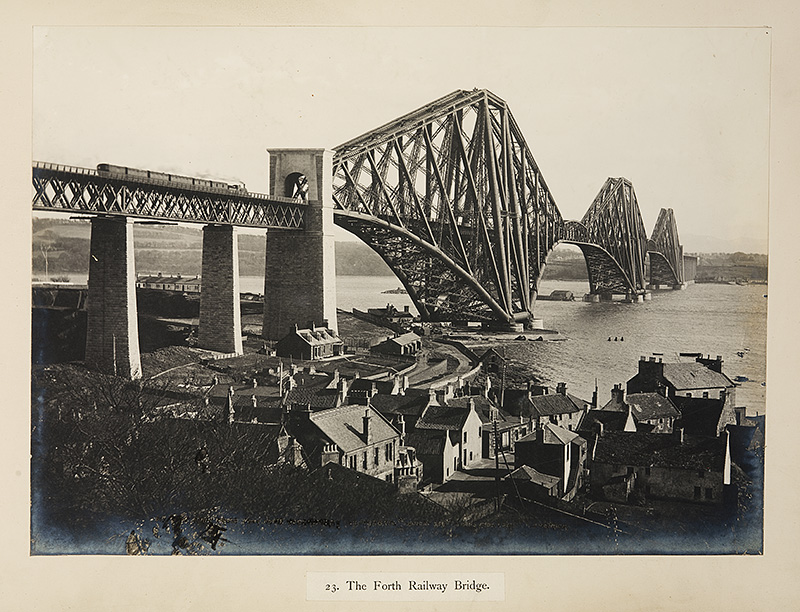
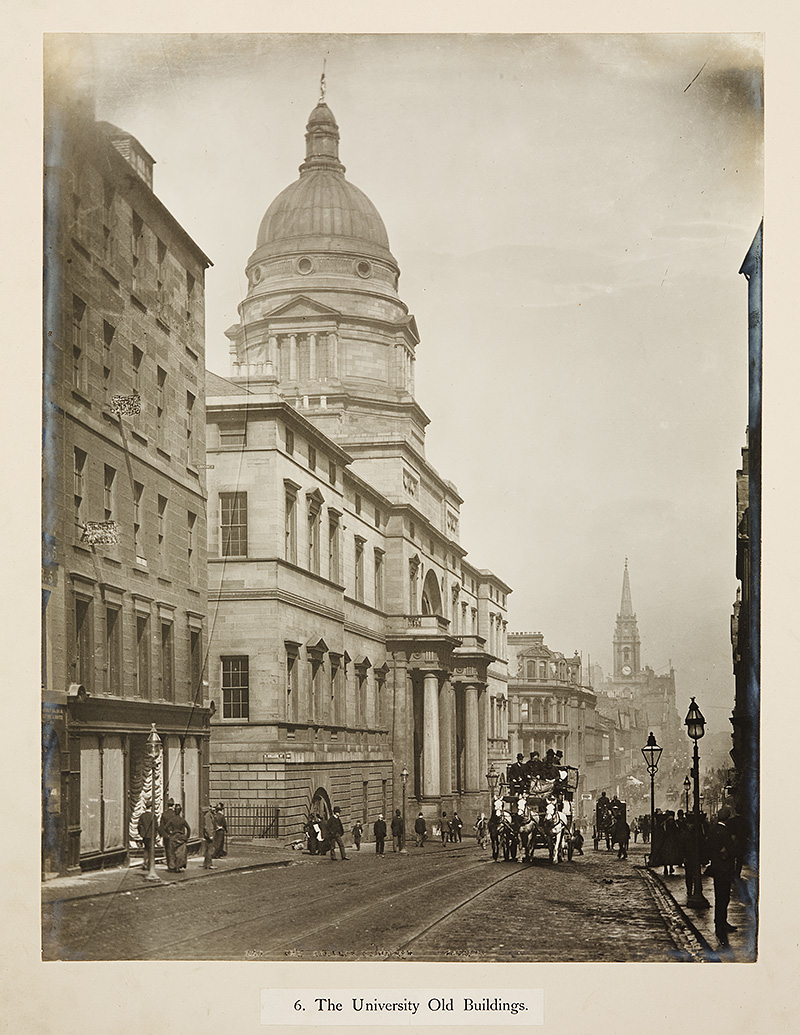
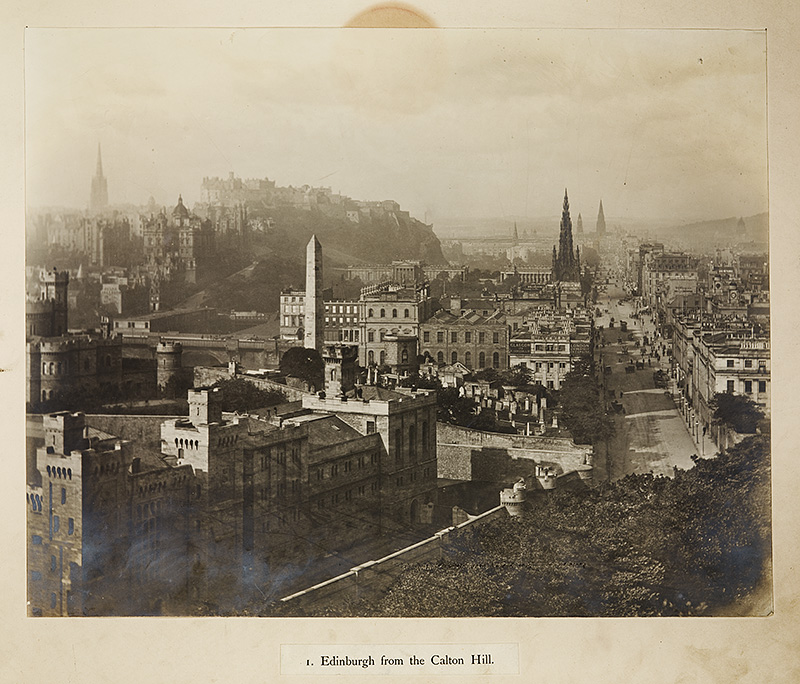
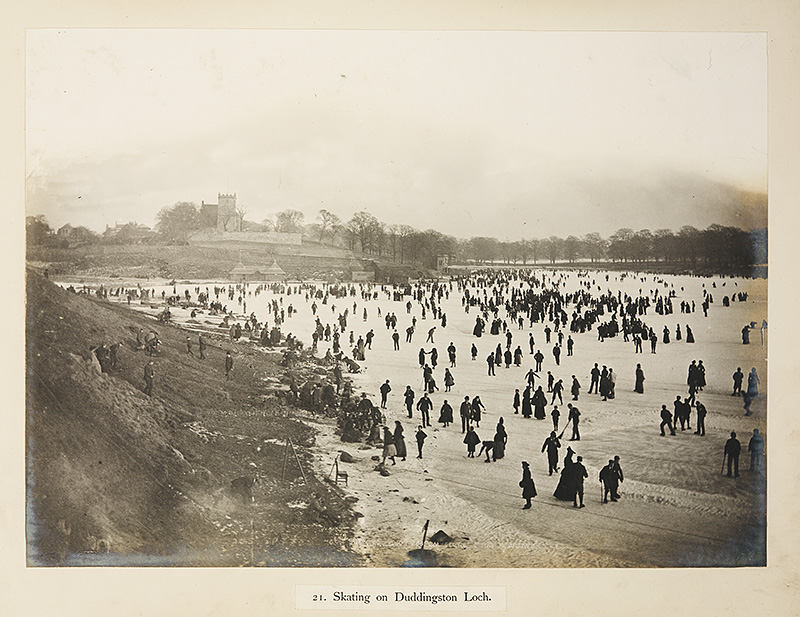
This week’s images all come from a lovely photograph album commissioned by the University in 1900 (Shelfmark EUA CA1/2). We don’t have much information about this volume but we think it was made to hail the start of the 20th century. It contains 25 photographs of University buildings and views in and around Edinburgh, including some are fascinating scenes of Edinburgh life – when was the last time you saw people skating on Duddingston Loch?
Thanks to the Lost Edinburgh Facebook team Digital Imaging Unit images have appeared on the Lost Edinburgh Facebook page. As a result of this each image has received 1,331 + 1294 likes respectively and 216 + 161 individual shares. Also around 80 comments per image were generated and this has brought the CRC Facebook page an additional 76 new likes since appearing on the site. The Lost Edinburgh Facebook page currently has 66,296 likes, probably making this the biggest audience for our images.
Susan Pettigrew
Open Access Futures in the Humanities and Social Sciences
Last Thursday I attended a particularly interesting session on Open Access Futures in the Humanities and Social Sciences at Senate House in London. Organised by the LSE Public Policy Group and SAGE, in association with the British Academy and the Academy of Social Sciences, this event provided a timely opportunity to discuss the impact of Open Access and its likely impact on HSS subjects.
The event was well attended with a good mix of academics and Open Access practitioners as well as representation from scholarly societies and funding bodies. The debate was lively and engaging, with some very good points being made by all the speakers and panel members.
I was particularly impressed to see that there was general agreement in the room that Open Access is a desirable outcome, and that the debate has moved on from OA vs. Subscription. The discussion is now around the finer points of the implementation of Open Access, which is refreshing and constructive.
The morning session was interesting, but ended up being a little hooked on the application of the CC-BY licence in HSS subjects, something which is doubtless proving difficult in some circumstances. That said, I was pleased to see some of the myths dispelled that persist around notions of plagiarism and Open Access.
The afternoon kicked off with David Sweeney talking about Open Access from a funder’s perspective. It was interesting to note that one of the drivers behind HEFCE’s proposals for OA in REF2020 is to stimulate ‘green’ open access by increasing deposits in Institutional Repositories. Monographs are excluded from these requirements because it would be premature to include them.
There was a fair amount of discussion about monographs later in the afternoon session. Many of the issues had already been discussed at July’s Open Access Monographs in the Humanities and Social Sciences Conference, hosted by JISC. The report on this conference has now been released and is well worth a read if you are interested in developments in this area.
Dominic Tate – Scholarly Communications Manager
Open [access, data, source]: science & data in the 21st century
 Organised by Jo Young and Graham Steel of the Informatics Forum to mark Open Access Week this event drew a diverse audience from inside and outside the University.
In his keynote talk, “The Humanities, Cultural ‘Data’ and the Problematic Resistance to Openness’ Dr Martin Paul Eve (Lincoln) gave a view of Open Access from the Humanities’ perspective and explained that it was in our mutual interest for those working outside the Academy to understand and help their Humanities colleagues struggling to embrace Open Access.
Eva Amsen of F1000Research, a well-known open science journal, gave an overview of modern Open Access publishing – rapid publication, transparent peer review and data deposition and sharing.
Dominic Tate, Manager of the Scholarly Communications Team at Edinburgh, emphasised Edinburgh’s long-standing commitment to Green Open Access and explained the services the SCT offers to respond to Open Access, such as paying article processing charges and running the Edinburgh Journal Hosting Service using the Open Journal System (OJS).
A full list of events including video:
http://figshare.com/blog/Open_acces/107
Science as an open enterprise – Prof. Geoffrey Boulton
 As part of Open Access Week, the Data Library and Scholarly Communications teams in IS hosted a lecture by emeritus Professor Geoffrey Boulton drawing upon his study for the Royal Society: Science as an Open Enterprise (Boulton, et al 2012). The session was introduced by Robin Rice who is the University of Edinburgh Data Librarian. Robin pointed out that the University of Edinburgh was not just active, but was a leader in research data management having been the first UK institution to have a formal research data management policy. Looking at who attended the event, perhaps unsurprisingly the majority were from the University of Edinburgh. Encouragingly, there was roughly a 50:50 split between those actively involved in research and those in support roles. I say encouragingly as it was later stated that often policies get high-level buy in from institutions but have little impact on those actually doing the research. Perhaps more on that later.
For those that don’t know Prof. Boulton, he is a geologist and glaciologist and has been actively involved in scientific research for over 40 years. He is used to working with big things (mountains, ice sheets) over timescales measured in millions of years rather than seconds and notes that while humanity is interesting it will probably be short lived!
Arguably the way we have done science over the last three hundred years has been effective. Science furthers knowledge. Boulton’s introduction made it clear that he wanted to talk about the processes of science and how they are affected by the gathering, manipulation and analysis of huge amounts of data: the implications, the changes in processes, and why evenness matters in the process of science. This was going to involve a bit of a history lesson, so let’s go back to the start.
Open is not a new concept
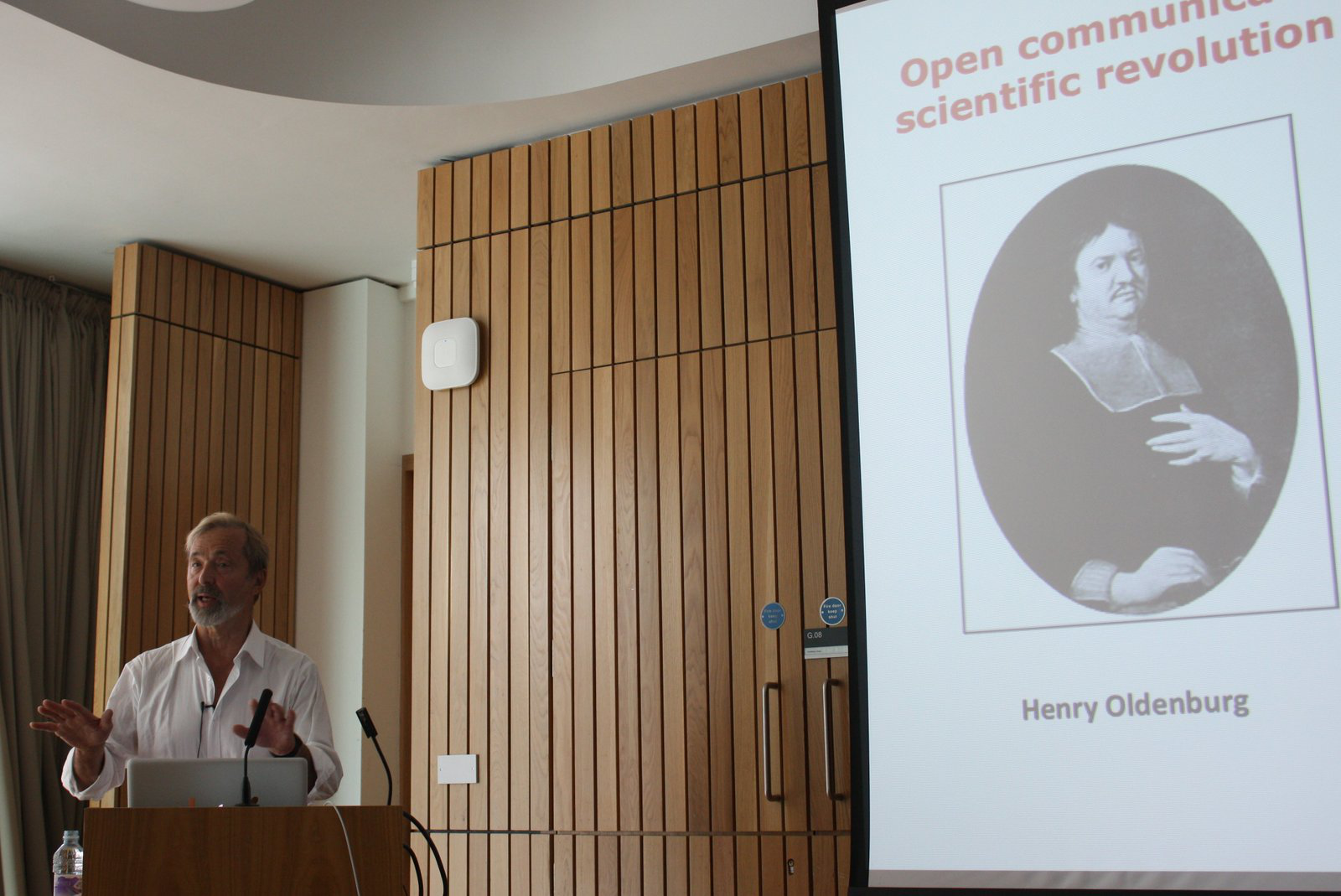
“Open is not a new concept”
Open has been a buzzword for a few years now. Sir Tim Berners-Lee and Prof. Nigel Shadbolt have made great progress in opening up core datasets to the public. But for science, is open a new concept? Boulton thinks not. Instead he reckons that openness is at the foundations of science but has somehow got a bit lost recently. Journals originated as a vehicle to disseminate knowledge and trigger discussion of theories. Boulton gave a brief history of the origins of journals pointing out that Henry Oldenburg is credited with founding the peer review process with the Philosophical Transactions of the Royal Society. The journal allowed scientists to share their thoughts and promote discussion. Oldenburg’s insistence that the Transactions be published in the vernacular rather than Latin was significant as it made science more accessible. Sound familiar?
Digital data – threat or opportunity?
We are having the same discussions today, but they are based around technology and, perhaps in some cases, driven by money. The journal publishing model has changed considerably since Oldenburg and it was not the focus of the talk so let us concentrate on the data. Data are now largely digital. Journals themselves are also generally digital. The sheer volume of data we now collect makes it difficult to include the data with a publication. So should data go into a repository? Yes, and some journals encourage this but few mandate it. Indeed, many of the funding councils state clearly that research output should be deposited in a repository but don’t seem to enforce this.
Replicability – the cornerstone of the scientific method
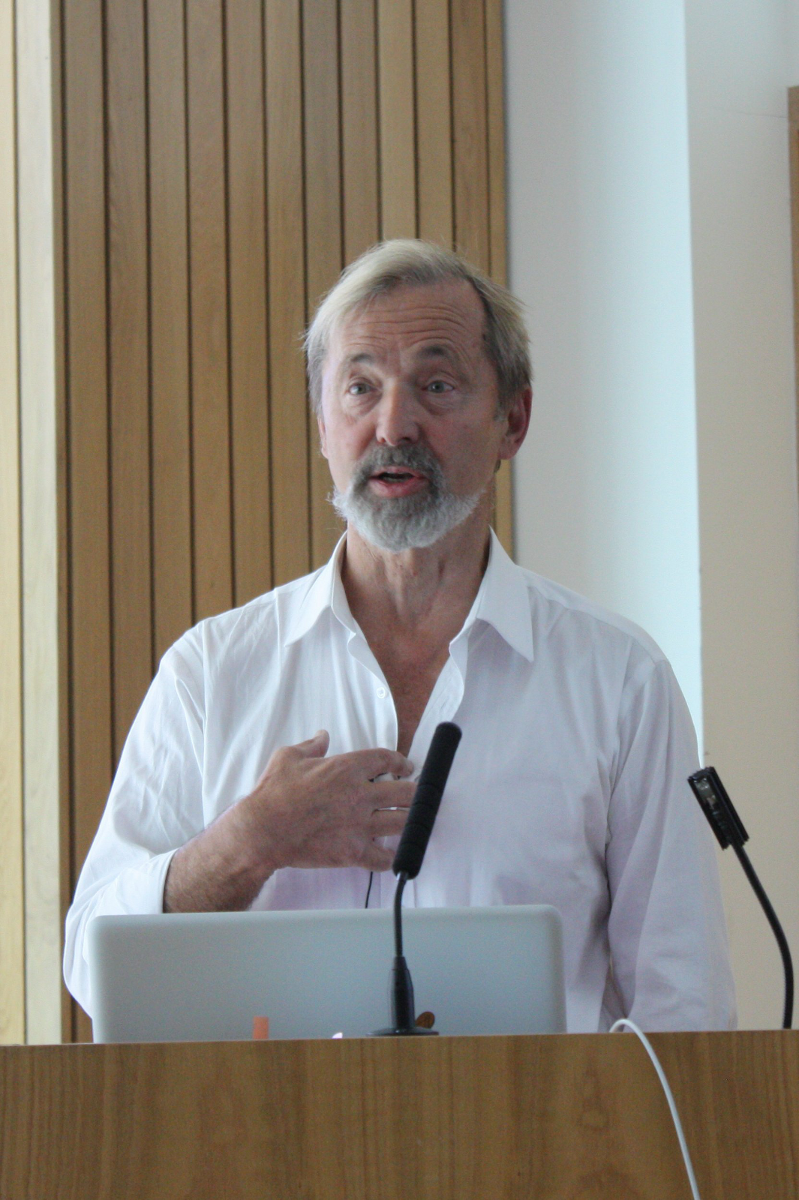
Geoffrey Boulton, mid-talk.
Having other independent scientists replicate and validate your findings adds credence to them. Why would you as a professional scientist not want others to confirm that you are correct? It seems quite simple but it is not the norm. Boulton pointed us to a recent paper in Nature (Nature v483 n7391) which attempted to replicate the results of a number of studies in cancer research. The team found that they could only replicate 6, around 11%, of the studies. So the other 81% were fabricating their results? No, there are a number of reasons why the team could not replicate all the studies. The methodology may not have been adequately explained leading to slightly different techniques being used, the base data may have been unobtainable and so on but the effect is the same. Most of the previous work that the team looked at is uncorroborated science. Are we to trust their findings? Science is supposed to be self-correcting. You find something, publish, others read it, replicate and corroborate or pose an alternative, old theories are discounted (Science 101 time: “Null Hypothosis“) and our collective knowledge is furthered. Boulton suggests that, to a large degree, this is not happening. Science is not being corroborated. We have forgotten the process on which our profession is based. Quoting Jim Gray:
“when you go and look at what scientists are doing, day in and day out, in terms of data analysis, it is truly dreadful. We are embarrassed by our data.”
Moving forward (or backwards) towards open science
What do we need to do to support, to do to advise, to ensure materials are available for our students, for our researchers to ensure they can be confident about sharing their data? The University of Edinburgh does reasonably well but we still, like most institutions, have things to do.
Geoffrey looked at some of the benefits of open science and while I am sure we all already know what these are, it is useful to have some high profile examples that we can all aspire to following.
- Rapid response – some scientific research is reactive. This is especially true in research into epidemiology and infectious diseases. An outbreak occurs, it is unfamiliar and we need to understand it as quickly as possible to limit its effects. During an e-coli outbreak in Hamburg local scientists were struggling to identify the source. They analysed the strain and released the genome under an open licence. Within a week they had a dozen reports from 4 continents. This helped to identify the source of the outbreak and ultimately saved lives.(Rohde et al 2011)
- Crowd-sourcing – mathematical research is unfathomable to many. Mathematicians are looking for solutions to problems. Working in isolation or small research clusters is the norm, but is it effective? Tim Gowers (University of Cambridge) decided to break with convention and post the “problems” he was working on to his blog. The result; 32 days – 27 people – 800 substantive contributions. 800 substantive contributions! I am sure that Tim also fostered some new research collaborations from his 27 respondents.
- Change the social dynamic of science – “We are scientists, you wouldn’t understand” is not exactly a helpful stance to adopt. “We are scientists and we need your help,” now that’s much better! The rise of the app has seen a new arm of science emerge, “citizen science”. The crowd, or sometimes the informed crowd, is a powerful thing. With a carefully designed app you can collect a lot of data from a lot of places over a short period. Projects such as ASHtag and LeafWatch are just two examples where the crowd has been usefully deployed to help collect data for scientists. Actually, this has been going on for some time in different forms, do you remember the SETI@Home screensaver? It’s still going, 3 million users worldwide processing data for scientists since 1999.
- Openness and transparency – no one wants another “Climategate“. In fact Climategate need not have happened at all. Much of the data was already publicly available and the scientists had done nothing wrong. Their lack of openness was seen as an admission that they had something to hide and this was used to damaging effect by the climate sceptics.
- Fraud – open data is crucial as it shines the light on science and the scientific technique and helps prevent fraud.
What value if not intelligent?
However, Boulton’s closing comments made the point that openness has little value if it is not “intelligent” so this means it is:
- accessible (can it be found?)
- intelligible (can you make sense of it?)
- assessable (can you rationally look at the data objectively?)
- re-usable (has sufficient metadata to describe how is was created?)
I would agree with Boulton’s criteria but would personally modify the accessible entry. In my opinion data is not open if it is buried in a PDF document. OK, I may be able to find it, but getting the data into a usable format still takes considerable effort, and in some cases, skill. The data should be ready to use.
Of course, not every dataset can be made open. Many contain sensitive data that needs to be guarded as it could perhaps identify an individual. There are also considerations to do with safety and security that may prevent data becoming open. In such cases, perhaps the metadata could be open and identify the data custodian.
Questions and Discussion
One of the first questions from the floor focused on the fuzzy boundaries of openness and the questioner was worried that scientist could, and would, hide behind the “legitimate commercial interest” since all data had value and research was important within a university’s business model. Boulton agreed but suggested that the publishers could do more and force authors to make their data open. Since we are, in part, judged by our publication record you would have to comply and publish your data. Monetising the data would then have to be a separate thing. He alluded to the pharmaceutical industry, long perceived to be driven by money but which has recently moved to be more open.
The second question followed on from this asking if anything could be learned from the licences used for software such as the GNU and the Apache Licence. Boulton stated that the government is currently looking at how to licence publicly-funded research. What is being considered at the EU level may be slightly regressive and based on EU lobbying from commercial organisations. There is a lot going on in this area at the moment so keep your eyes and ears open.
The final point from the session sought clarification of The University of Edinburgh research data management policy. Item nine states
“Research data of future historical interest, and all research data that represent records of the University, including data that substantiate research findings, will be offered and assessed for deposit and retention in an appropriate national or international data service or domain repository, or a University repository.”
But how do we know what is important, or what will be deemed significant in the future? Boulton agreed that this was almost impossible. We cannot archive all data and inevitably some important “stuff” will be lost – but that has always been the case.
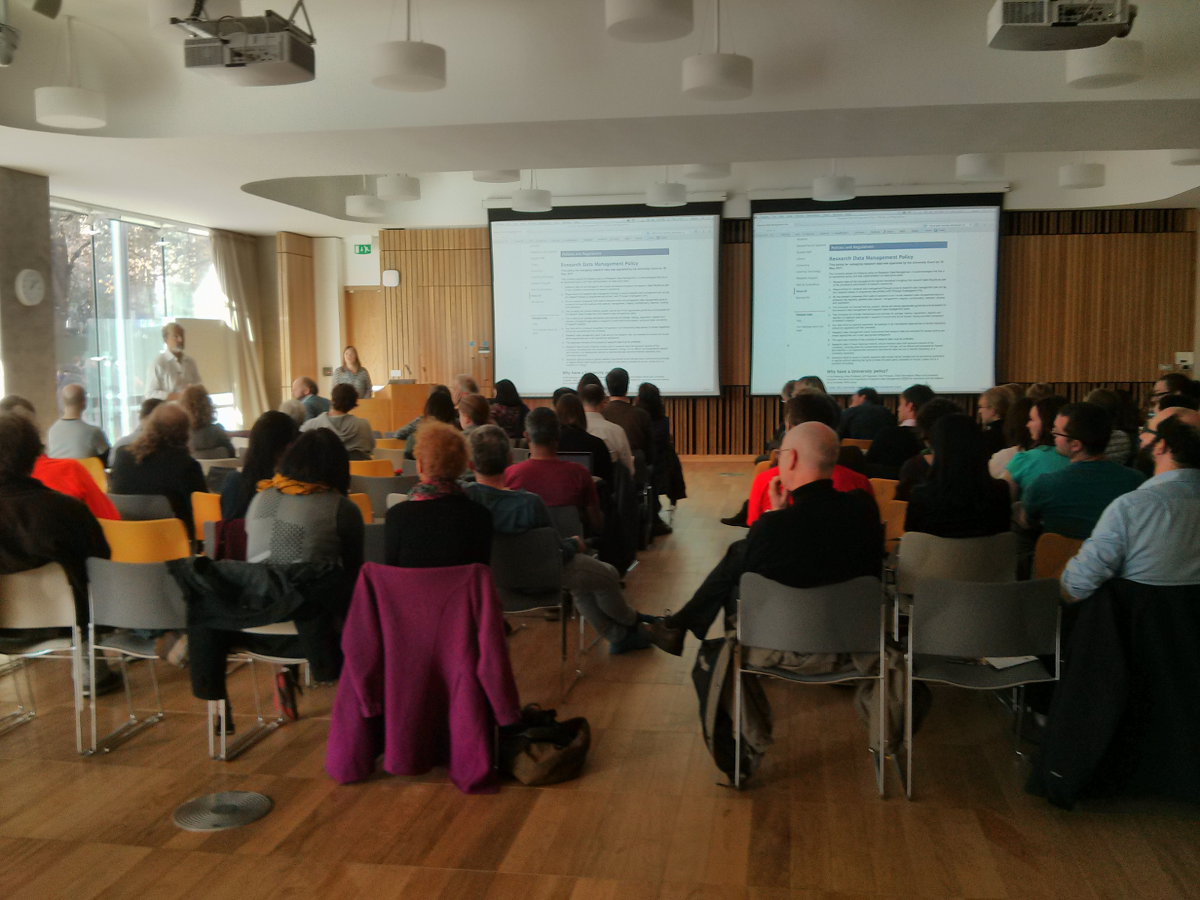
The audience for Geoffrey Boulton’s talk as part of Open Access Week at UoE
My Final Thoughts on Geoffrey’s Talk
An interesting talk. There was nothing earth-shattering or new in it, but a good review of the argument for openness in science from someone who actually has the attention of those who need to recognise the importance of the issue and take action on it. But instead of just being a top down talk, there was certainly a bottom up message. Why wait for a mandate from a research council or a university? There are advantages to be had from being open with your data and these benefits are potentially bigger for the early adopters.
I will leave you with an aside from Boulton on libraries…
“Libraries do the wrong thing, employ the wrong people.”
For good reasons we’ve been centralising libraries. But perhaps we have to reverse that. Publications are increasingly online but soon it will be the data that we seek and tomorrow’s librarians should be skilled data analysts who understand data and data manipulation. Discuss.
Some links and further reading:
- Slides from the presentation
- Royal Society Report – Science as an open enterprise
- Nature Paper – Nature Volume 483 Issue 7391
- Climategate – an overview from the Guardian
- MANTRA – Research data management best practise
- UoE research data management policy
- Video: Geoffrey Boulton on Science as an Open Enterprise – from University of Minho Open Access Seminar & OpenAIRE Interoperability Workshop, February 2013
Addy Pope
Research and Geodata team, EDINA
Alan Greenwood’s ‘Mexican Misadventure’
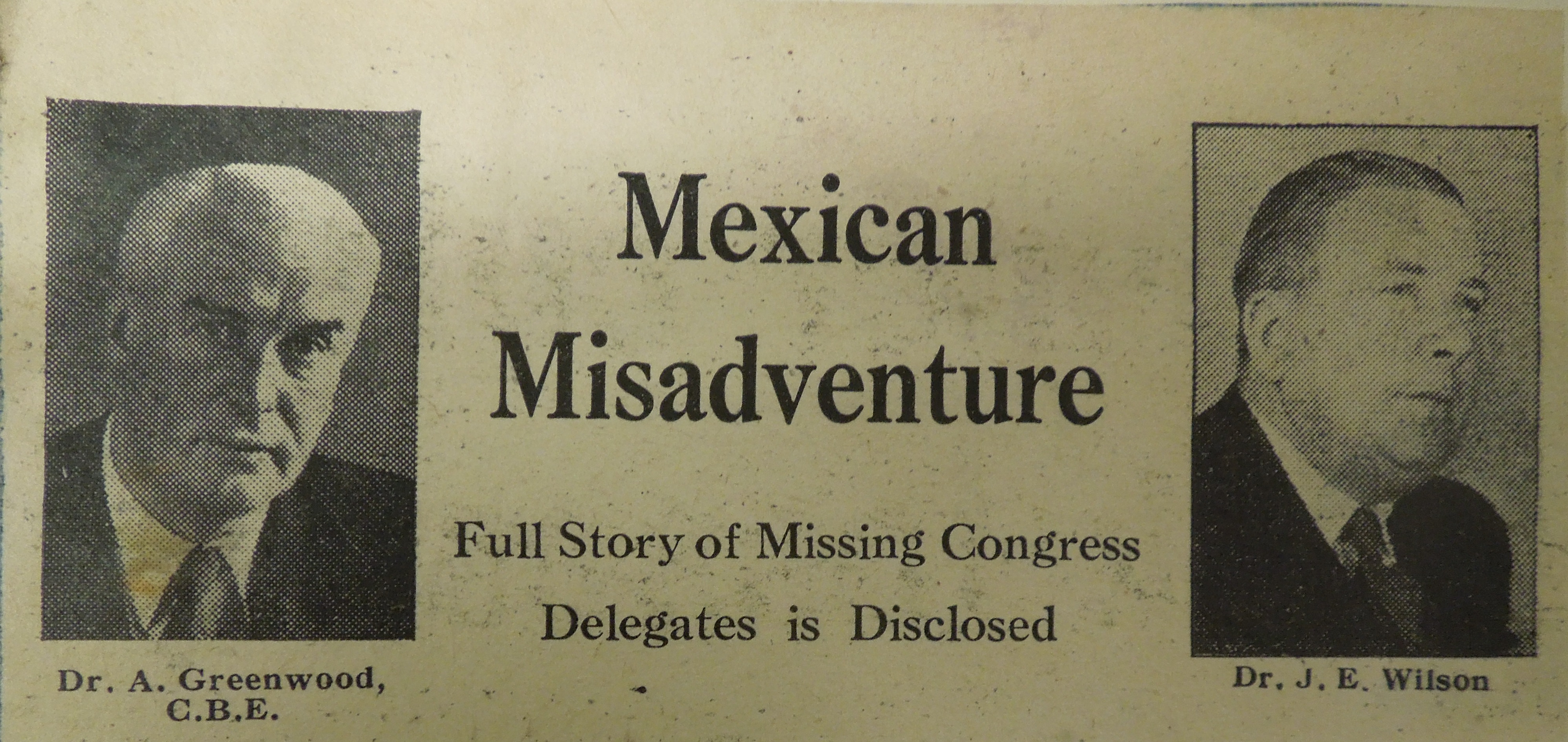 Many of the scientists who feature in our collections were extremely well-travelled, and their archives abound with information about the conferences, congresses and conventions which they attended all over the world. However, it’s not often that we come across a real-life adventure story which very nearly didn’t have a happy ending…
Among the papers of Alan Greenwood (director of the Poultry Research Centre in Edinburgh from 1947 until 1962) there is a press cutting from the Poultry World & Poultry magazine, dated 13 November 1958 under the headline ‘Mexican Misadventure: Full Story of Missing Congress Delegates is Disclosed’. The article goes on to tell the harrowing experience of Alan Greenwood and his colleague, veterinary surgeon James Ebeneezer Wilson, whilst journeying to a congress on poultry in Mexico City. Writing a personal account, Greenwood paints a vivid picture of the severe floods in Mexico which hit the country after a seven-year long period of drought. Arriving at El Paso ready to cross the Rio Grande to Juarez by train, all seemed to be going swimmingly: with the Chief Customs Official at the railway station providing them with free Mexican beer. The train departed at 10.30 on 18th September carrying 1,200 passengers, but got stranded at Jiminez the next morning when the rains hit. The delay was supposed to be around 10 hours, but as Greenwood reports: ‘in reality we spent four nights and four days on that train under circumstances which were not in the least bit comfortable.’ This is an understatement: with no hot water or light, limited sanitation and an infestation of cockroaches, the enforced confinement on the train was hardly pleasant. An attempt to cross a bridge by foot was aborted when it was discovered that the bridge in question had been swept away in the floods, so the confinement continued with the food situation growing ‘desperate’. At last, Greenwood and his colleague were able to get seats on a two-coach train trying to get from Jiminez to Chihuahua, but the drama continued:
It was a nightmare journey in many ways with the raging river torrents covering the trestle bridges over which we crawled at the rate of about a yard per minute. It was raining heavily all the time, and electrical storms were continuous. At times the carriages were jumping up in the air and leaving the tracks.
Greenwood and Wilson finally arrived in Chihuahua at 1am four days after they had left El Paso. After some days of rest and recuperation, the pair began the return journey to Houston. They continued to travel throughout America before returning to Scotland, and the Greenwood archive contains a book of postcards which Greenwood collected from around Mexico and America on this trip.
We probably all have travel ‘horror stories’, but probably none quite so hair-raising as this!
New journal for World Christianity
 Recently added to the collections for Divinity at New College Library is the Journal of African Christian thought : journal of the Akrofi-Christaller Memorial Centre for Mission Research and Applied Theology. This journal was requested for World Christianity at the School of Divinity. The University of Edinburgh is the only location in Scotland for this journal.
Display of new purchases today
Today at 2pm there’s an opportunity to see new purchases in rare books and manuscripts, made with support from the College of Humanities and Social Science in 2012-13. Everyone is welcome – please just turn up at the Centre for Research Collections front desk.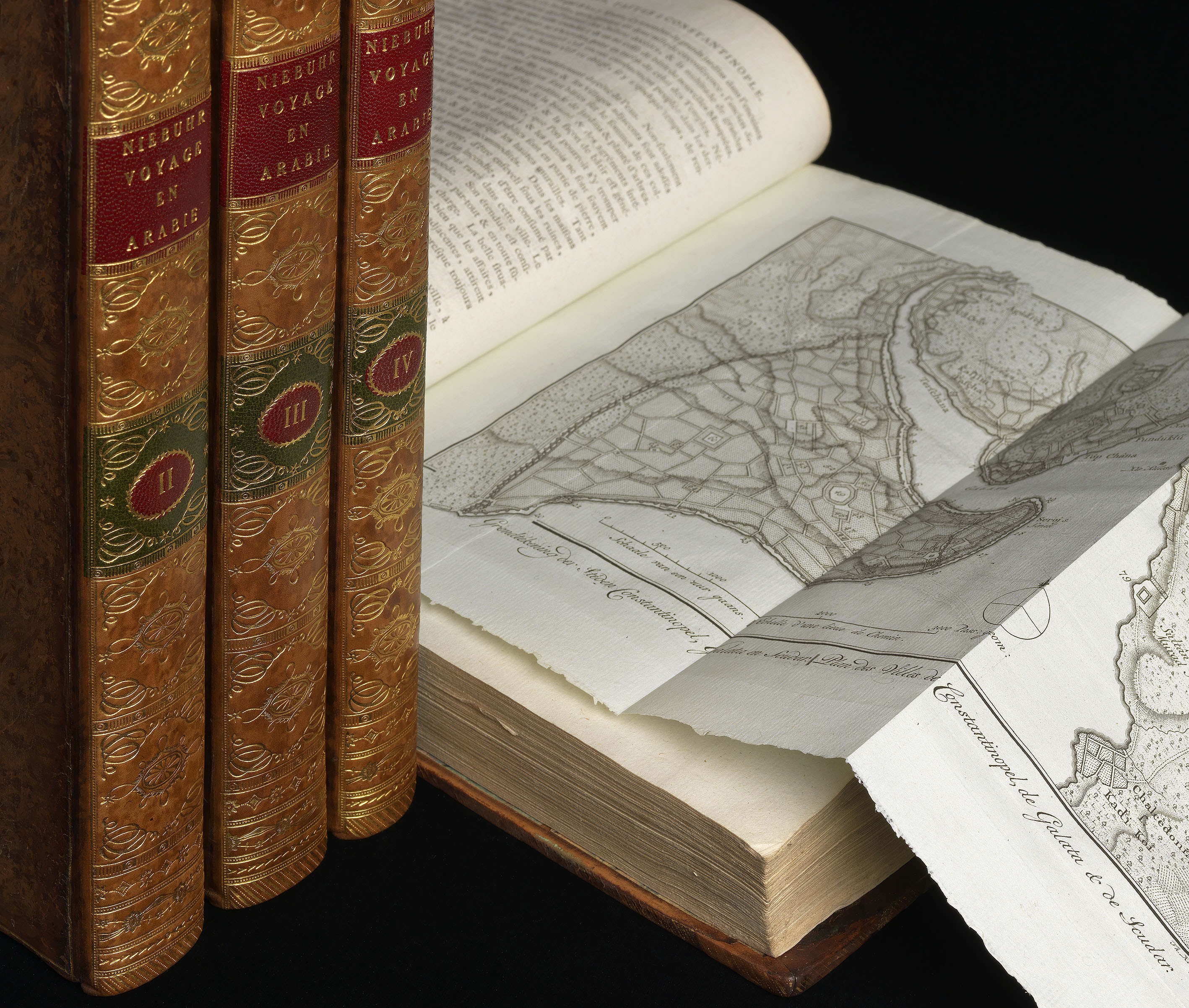
Ben Nicholson and Barbara Hepworth: Collections Connections
We’ve mentioned before how we work across the collections to tell the stories about the life, times and doings at ECA. So we thought we’d show you some of the evidence for how we researched works coming into the College Art Collection in the 1950s. These included those by Ben Nicholson and Barbara Hepworth. Research we did for these works is best illustrated by this letter from Ben Nicholson in 1954. Both works were purchased through the Carnegie Fund.

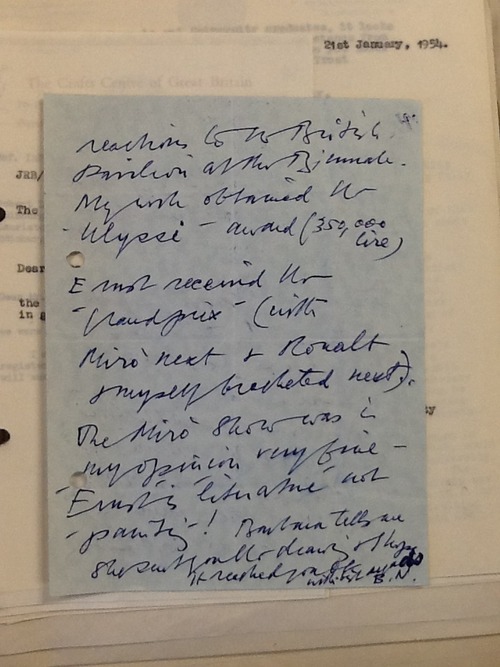
‘Dear Robert Lyon,
Thanks for your letter – New address for the cheque as above please.
Venice was enjoyable but hard work (of a kind). The London press criticisms which I’ve seen give no idea at all of continental reactions to the British Pavilion at the Bienniale. My work obtained Hr Ulyssi – award (350,000 lire)
Ernst received Hr Grand prix – (wih Miro next and Ronault & myself bracketed next).
The Miro show was in my opinion very fine – Ernst’s ‘literature’ not ‘painting’!
Barbara tells me she sent you her drawing and I hope it reached you OK.
With best regards B.N.’
RDM reflection – finishing the data life cycle
Research Data Management and I were a chance acquaintance. I was asked to stand in for one of the steering group despite having some very tenuous qualifications for the role. That said, I quickly realised that it was an important and complex initiative and our University is leading with this initiative.
Progressing with RDM in the University is not straightforward but it is essential.
This reflection could go off on many tracks but it will concentrate on one – finishing the data life cycle.
If we consider in a very simplistic way the funding of a researcher, it might look like this:
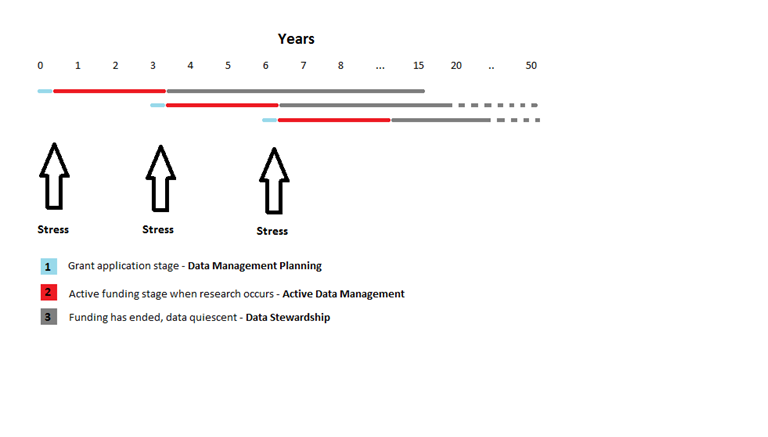
The point at which data should transfer to Data Stewardship may coincide with higher priorities for the researcher.
A big hurdle that RDM has to cross is the final point of data transition. The data manager wants to see data moved into Data Stewardship. The researcher’s priorities are publication and next grant application. The result:
Data will not flow easily from stage 2. Active Data Management to 3. Data Stewardship.
Of course, a researcher and a data manager may look at the above diagram and say it is wrong. They will see solutions. And when they do, this reflection will have succeeded in communicating what it needed to say.
James Jarvis, Senior Computing Officer
IS User Services Division
Collections
 Hill and Adamson Collection: an insight into Edinburgh’s past
My name is Phoebe Kirkland, I am an MSc East Asian Studies student, and for...
Cataloguing the private papers of Archibald Hunter Campbell: A Journey Through Correspondence
My name is Pauline Vincent, I am a student in my last year of a...
Hill and Adamson Collection: an insight into Edinburgh’s past
My name is Phoebe Kirkland, I am an MSc East Asian Studies student, and for...
Cataloguing the private papers of Archibald Hunter Campbell: A Journey Through Correspondence
My name is Pauline Vincent, I am a student in my last year of a...

Projects
Cataloguing the private papers of Archibald Hunter Campbell: A Journey Through Correspondence
My name is Pauline Vincent, I am a student in my last year of a...
Archival Provenance Research Project: Lishan’s Experience
Presentation My name is Lishan Zou, I am a fourth year History and Politics student....