Home University of Edinburgh Library Essentials
June 18, 2026

Code4Lib
Last week I was lucky enough to attend the Code4Lib conference taking place in Raleigh, North Carolina. To quote from their website, Code4Lib “is a volunteer-driven collective of hackers, designers, architects, curators, catalogers, artists and instigators from around the world, who largely work for and with libraries, archives and museums on technology stuff”. The conference lasted four days in total and was highly enjoyable from start to finish. The most striking feature of the conference is the community nature of it – the program is largely selected online by public vote, and the sessions are hosted by community volunteers, as are any social events. The majority of attendees were north american as you would expect, but there were a small number of international attendees.
At a technical level the conference reflected modern themes, particularly User Experience. At least three quarters of the presentations featured Javascript (apologies for lapsing into techie speak).
On the social front there was a visit to the NCSU Hunt Library. I went expecting to be underwhelmed and was stunned by what I saw. This is a purpose built modern library incorporating all the modern features you could imagine and plenty more besides. The first thing you notice is that there are no bookshelves, all access being taken care of by a robot! But perhaps most impressive are the various multimedia rooms and open spaces. Worth noting that much of the software for these spaces was developed by students at NCSU. Here is a little taster but please do check out the website https://www.lib.ncsu.edu/huntlibrary.
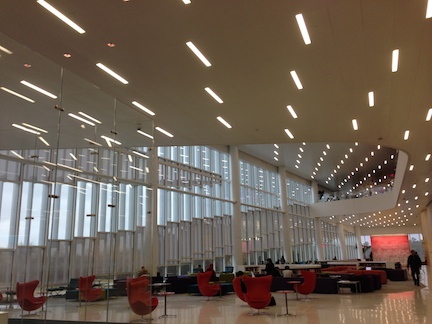
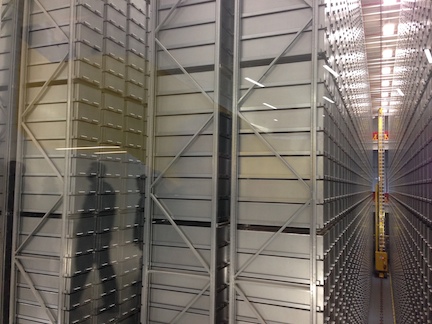

Robin Taylor – Library Digital Development
From Noah to New Labour – New books at New College Library in April
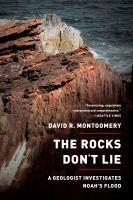
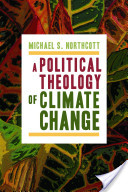 Floods are a theme linking two of our new books this month. Looking back to the Biblical Flood is The rocks don’t lie : a geologist investigates Noah’s flood, by David Montgomery, available at QE39.5.P3 Mon. Also new is A political theology of climate change by Professor Michael Northcott from the School of Divinity, at Folio BR65.A9 Oxf.
You can see an regularly updated list of new books for New College Library on the Library Catalogue – choose the New Books Search and limit your search to New College Library. Here’s a quick link to new books arriving in the last few weeks. A word of caution – some of the books listed here may still be in transit between the Main Library (where they are catalogued) and New College Library, so not on the shelf just yet.
Christine Love-Rodgers, Academic Support Librarian – School of Divinity
University of Edinburgh Open Access update: March 2014
As of 31st March there are approximately 76,800 records in our Current Research Information System (PURE), of which 16,795 have open access documents available to the general public (22% open access). In addition there are 170 records with documents waiting for validation.
Looking specifically at just journal articles and conference proceedings:
| All time OA docs | Open access % | 2008 onwards OA docs | Open access % | |
| Medicine & Veterinary Medicine | 6513 | 33 | 4476 | 41 |
| Humanities & Social Science | 3002 | 22 | 2509 | 36 |
| Science & Engineering | 5687 | 22 | 3826 | 30 |
Monthly application figures to the Gold Open Access funds:
| Month | Applications to RCUK | Applications to Wellcome |
| January 2014 | 32 | 13 |
| February 2014 | 24 | 13 |
| March 2014 | 23 | 14 |
Status of the RCUK fund – currently there is £367,400 left in the fund*, with an additional £74,400 committed on articles submitted for publication. Altogether the fund has 35% left in the account.
(*this figure was slightly wrong last month – apologies!)
Status of the Wellcome fund – since the start of the new reporting period (November 2013) the cumulative open access spend has been £137,078
Boris Bućan – Printmaker
Our post today comes from Natasha Russell, Graduate Studio Assistant in Printmaking at ECA.
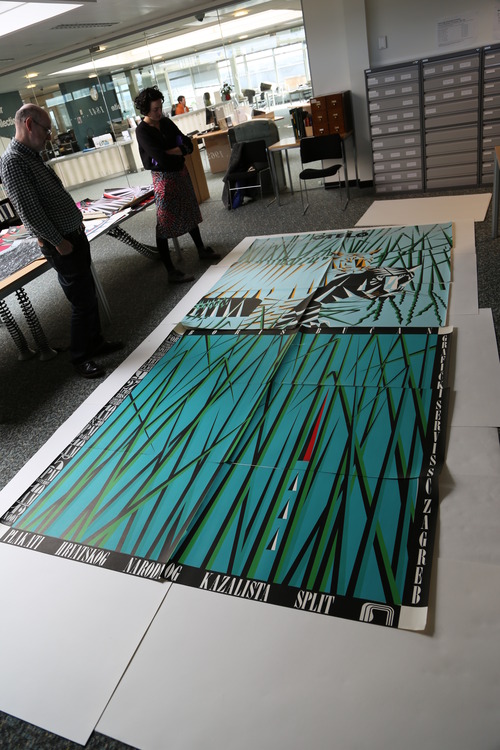
Recently we spent a couple of hours piecing together and marveling at a stack of 18 or so large scale oil based screen prints by the Artist Boris Bucan. These have recently been taken in by the Art Collection, gathered from the plan chests in the Print Workshop of Edinburgh College of Art where they had sat for almost three decades.
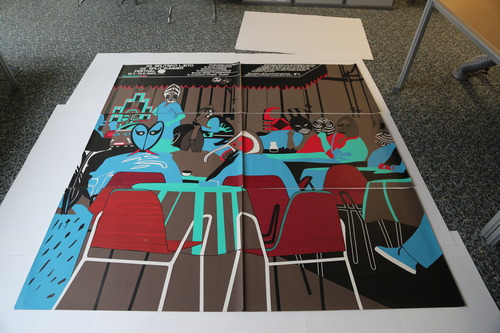
Viewing these prints was no easy feat as the prints measure two by two metres squared and are each made up of six pieces of thin cartridge-like paper. Spreading them out on the carpet between shifted tables we ordered and puzzled together the prints to form vibrant and masterfully composed posters.
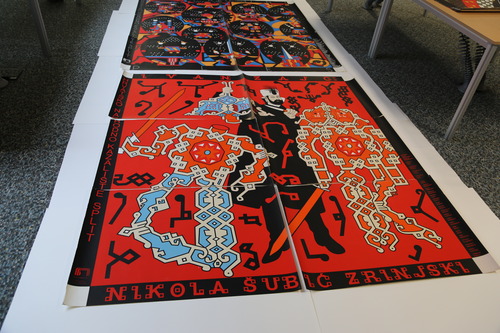
The pieces here range from posters for Operas to Theatrical productions to National days. One of the posters is even for his own exhibition that exhibited these prints when they were last shown in Edinburgh, detailing, ‘Posters for Croatian National Theatre…Edinburgh College of Art…27 April 1984’. This solved the mystery of where they came from and how long they had been hiding in the plan chests.

While there are distinct motifs carrying between some of the prints, for example the geometric grass patterns, the posters vary widely in style. They span from scribbly crayon drawn monochrome prints for Puccini’s La Boheme to the bold colours of the checker-boarded ‘Faust’ that plays with a simple shape to create an optical illusion like scene. In this way his prints prove a great example of the diversity of this printmaking technique.
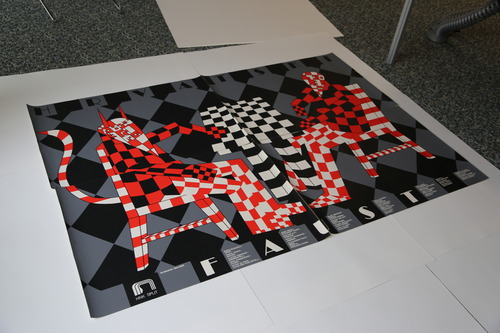
Bucan was born in Zagreb in 1947, where he continued to study and produce work as a graphic artist. Indeed most of these prints are printed with a mark of Zagreb Academy of Fine Arts. He is still working and exhibiting internationally.
New Exhibitions Site!
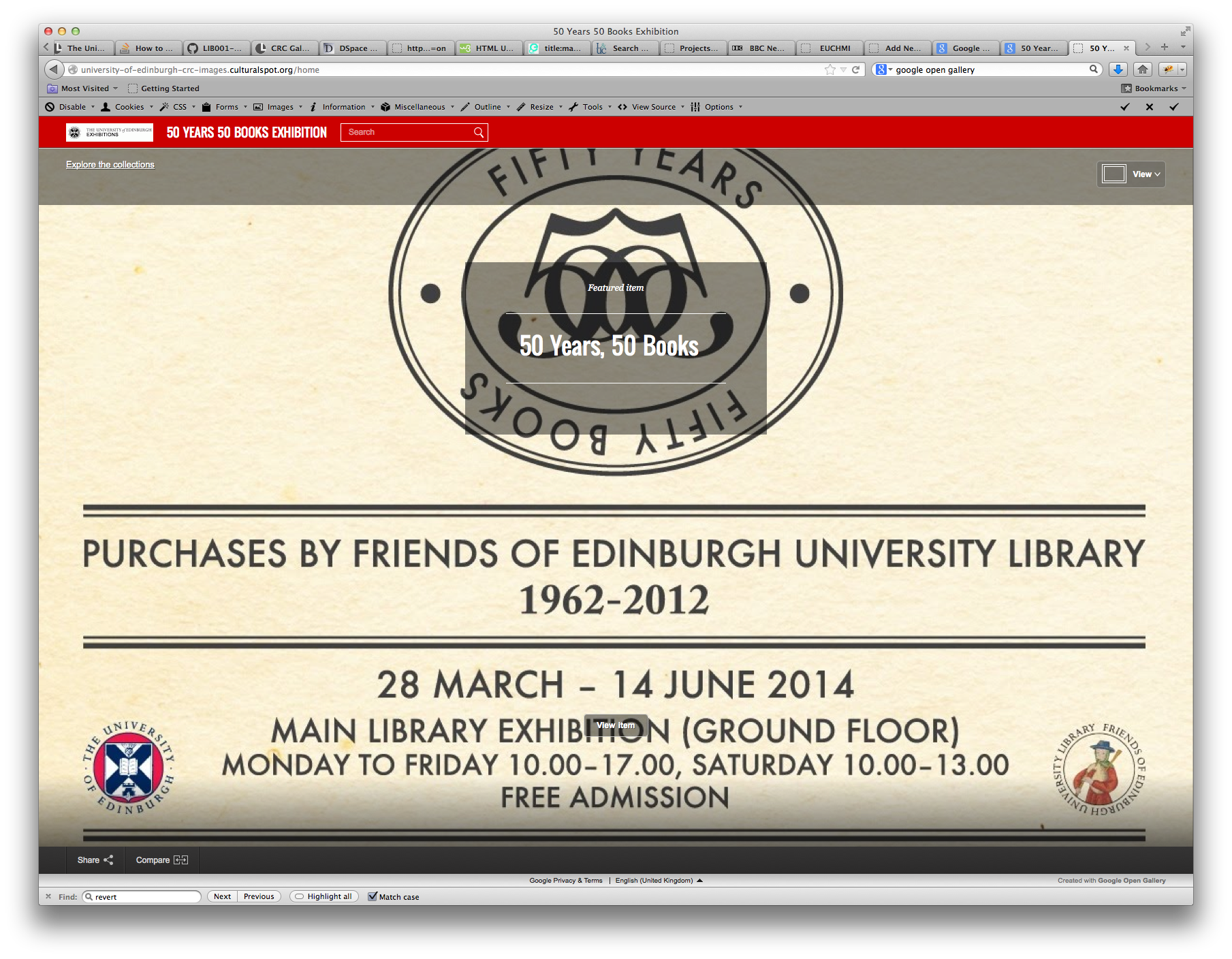
50 Years, 50 Books Exhibition- powered by Google Open Gallery
To coincide with the 50 Years 50 Books Exhibition, which opened on Thursday 27th March, we have put together a sister website, which features digitised representations of some of the exhibits on offer.
The landing page is at http://exhibitions.ed.ac.uk– click on the flyer to get into the exhibit website (the landing page needs some work- not least to meet the requirements of accessibility and the web standards, but this will be addressed shortly!)- click on ‘Explore the Collections’ to see the images. The exhibits site has been built using a new tool from Google, called Open Gallery, which allows rapid collections development: if you have images and a simple file of metadata, it will do the rest.
Have a look and see what you think. We intend to build such sites for exhibitions as they come along, and there may even be scope for us to build some retrospectively to allow us a view of the exhibitions the library has hosted in the past.
Thanks to Joe Marshall, Emma Smith, Susan Pettigrew, Dave Anderson, Norman Rodger, Stuart Lewis and Claire Knowles for their input on this.
Scott Renton- Digital Developer
Media Education Foundation digital films trial
 The Library has just set up trial access to the Media Education Foundation (MEF) digital films service provided via Kanopy streaming service. You can access this on the Databases trials page at www.ed.ac.uk/is/databases-trials
MEF produces and distributes documentary films and other educational resources to inspire critical thinking about the social, political, and cultural impact of American mass media. From films about the commercialization of childhood and the subtle, yet widespread, effects of pornography, pop-cultural misogyny and sexism, to titles that deal with the devastating effects of rapacious consumerism and the wars for oil that it drives.
The Library has access to the platform tailored for European rights which includes 138 videos. There are a small number of films currently not available on the European platform.
Access to the MEF during the trial period is available on-campus or if working off-campus you must be using the VPN to connect to the University network. Trial access is available until 24th April 2014 and we would welcome feedback on the service.
*As of September 2014 the Library now has a 1-year subscription to this online resource. See New Online Resource for SPS: Education Media Foundation digital films.*
Writing the North: manuscripts travel to Shetland
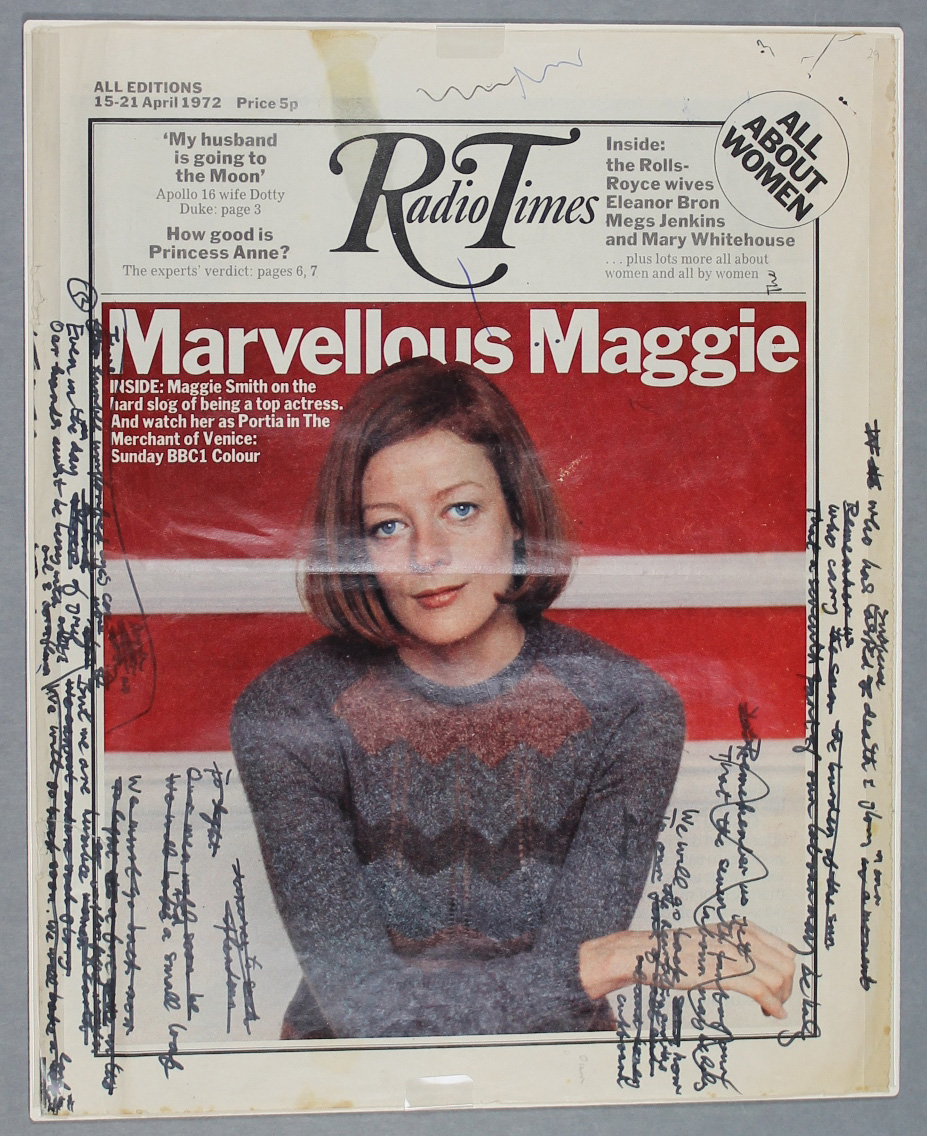
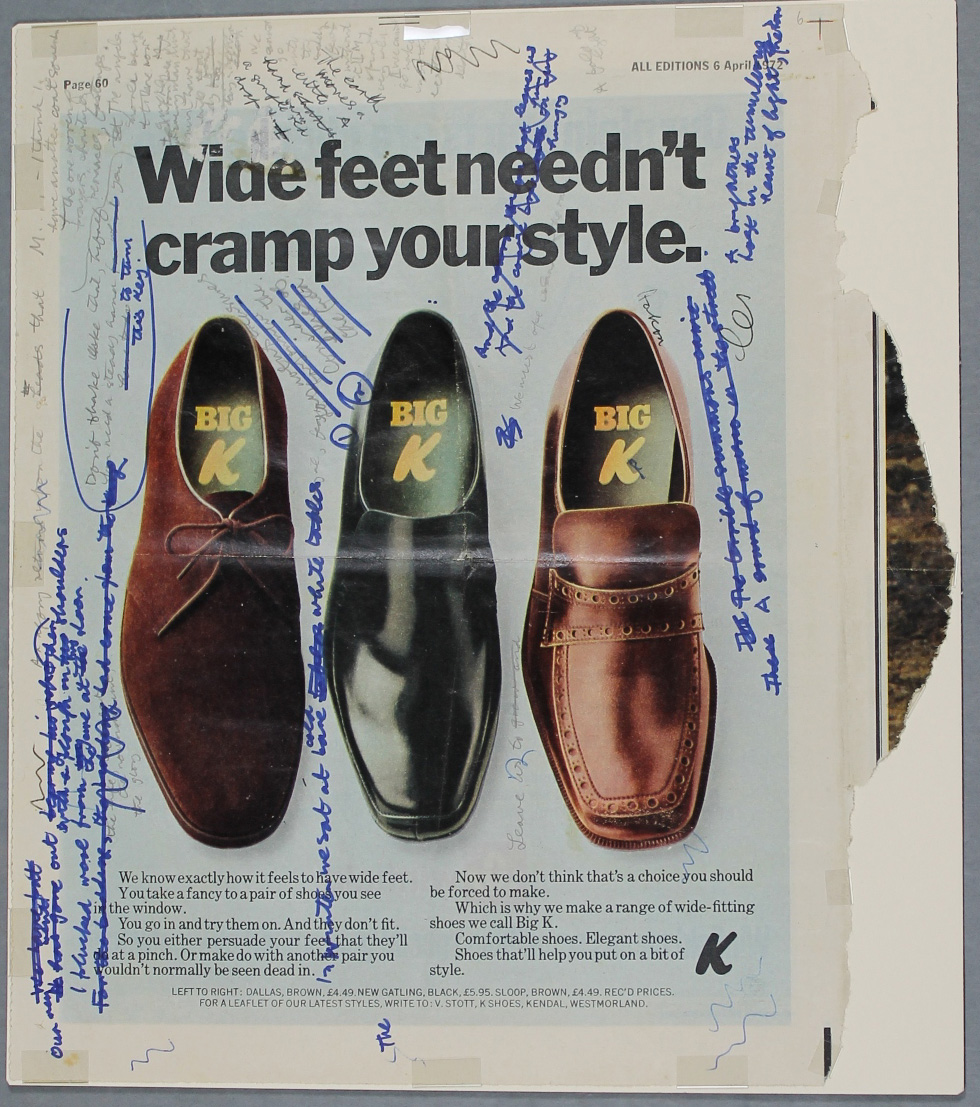
Special Collections has loaned five manuscripts to Shetland Museum and Archives for their new exhibition, “Writing the North”, which celebrates the literature of Orkney and Shetland. This exhibition is part of an AHRC-funded project coordinated by the University of Edinburgh’s English Literature department. The manuscripts include a poem by Hugh MacDiarmid written on Shetland and poems written by George Mackay Brown on his copies of the Radio Times. The display runs from 29/03/2014 – 10/05/2014. http://www.writingthenorth.com/ http://www.shetland-museum.org.uk/
ST CECILIA’S HALL SUCCESSFUL WITH HLF ROUND 2 FUNDING
The transformation of Scotland’s oldest purpose built concert hall into a centre of excellence for the study, display and enjoyment of historic musical instruments has taken a major step forward with a significant funding award.
The St Cecilia’s Hall Redevelopment Project has been awarded £823,500 by the Heritage Lottery Fund (HLF). The award is a key part of the University’s £6.5 million vision to restore, renovate and make accessible Scotland’s oldest concert hall and its world class collection of historic musical instruments.
The University is a leader in musical instrument research and St Cecilia’s Hall is home to one of the most important historic musical instrument collections anywhere in the world. St Cecilia’s Hall is a place where visitors can discover forgotten sounds and musical styles, learn about beautiful instruments and find out about the cultures of the people who created and played them.
The HLF award will fund new ways for audiences to enjoy and experience the instruments. There will be live demonstrations, innovative use of sound and recordings, song-writing projects, exhibitions about instruments and their owners, resources for schools, ‘brown bag’ concerts and much more.
The redeveloped Hall will combine over 1,000 world-class objects, research and teaching, sounds and stories; all set within the interiors of a refurbished and extended building. The plans, being developed by architects Page Park, will reinstate the 18th century character of the venue, restoring the original historic frontage and repairing the external stonework. A new entrance with a double-height feature door will be highly visible from the Royal Mile. The oval Concert Hall at the heart of the building will be completely restored and the original acoustic reinstated.
Jacky MacBeath, Head of Museums and Deputy Head of Centre for Research Collections, said:
“We are absolutely thrilled with this award from the Heritage Lottery Fund, it’s a huge boost to the project which focusses on revealing St Cecilia’s Hall as one of the Old Town’s most important historic places, transforming access to this special building and its unique collections of international significance”.

Beasties
I’ve seen a startling number of beasties hiding out in our Collections over the years, and the time has come to celebrate them! From the delightful details in the margins of Books of Hours…
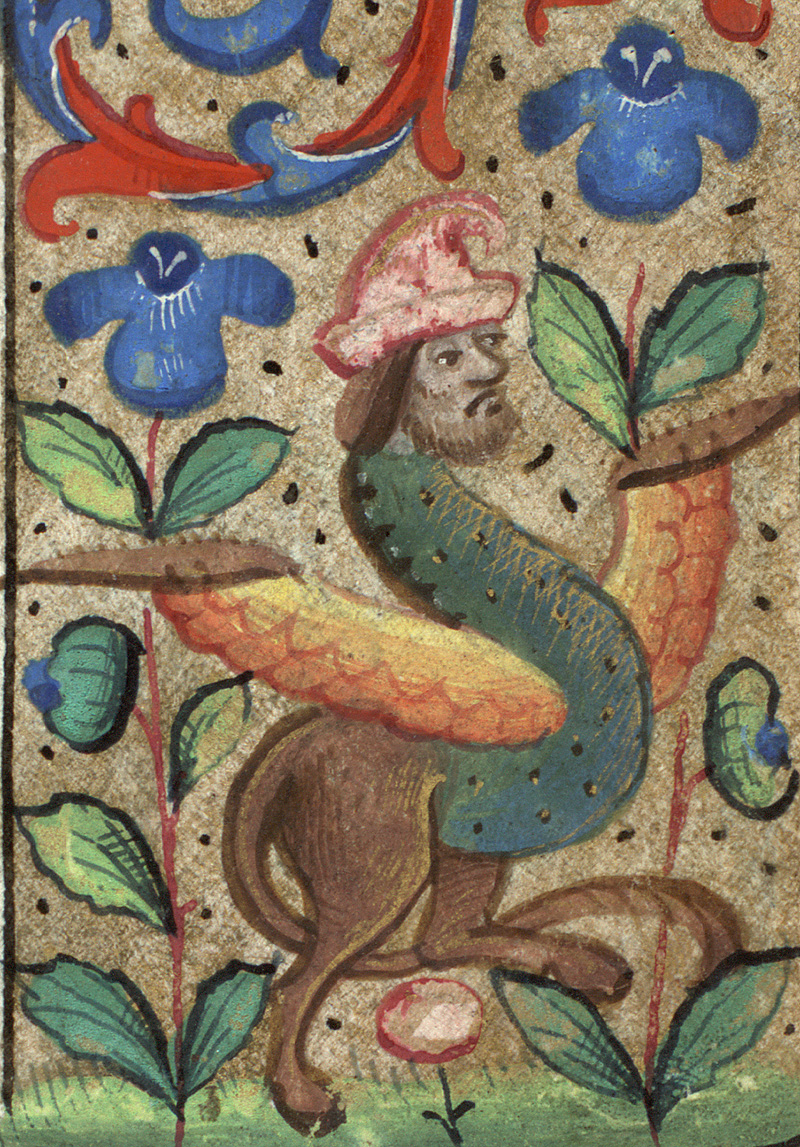
…to the damsels in distress being rescued from fantastical monsters.

It is also wonderful to see the same story illustrated from 2 very different traditions: St. George and the Dragon in a Book of Hours circa 1500 and made in France for a Scottish owner…
…or the strikingly different St. George and the Dragon in the Ethiopian Manuscript Gadala Georgois.
It doesn’t appear to matter where in the world -West, East, or South America- every nation has its own set of Beasties.
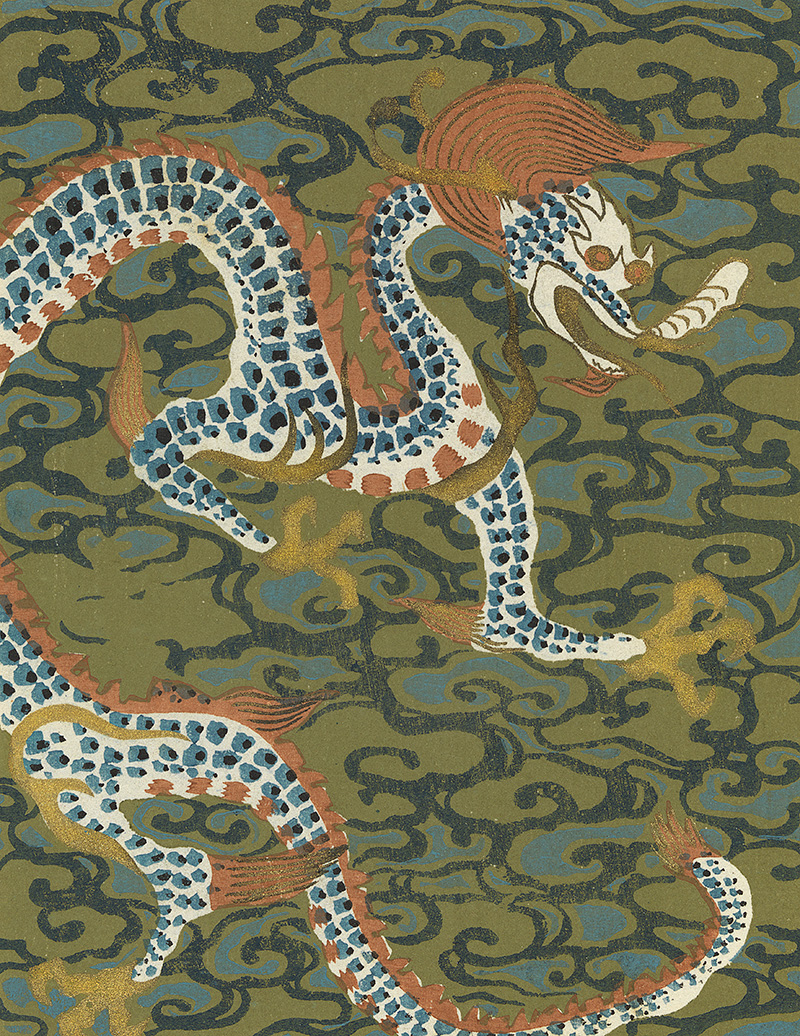
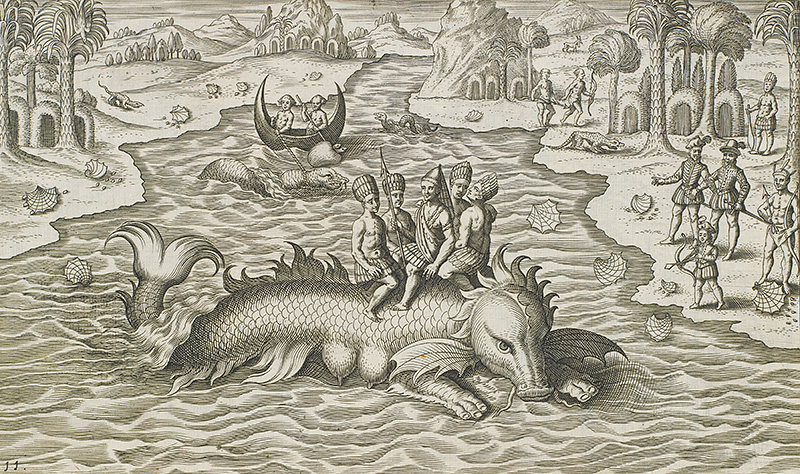
Some are fairly conventional sea monsters…
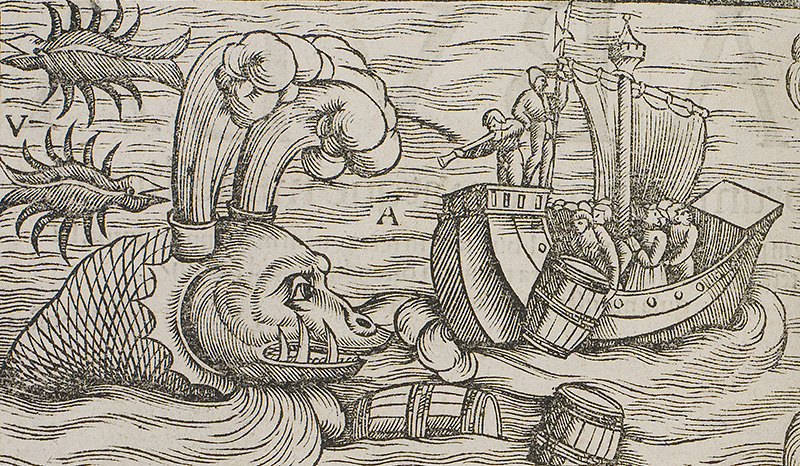
… and some just down right bizarre,

yet all bring a smile to my day!
Susan Pettigrew
Photographer
Europeana Cloud Plenary, Athens, March 18-19
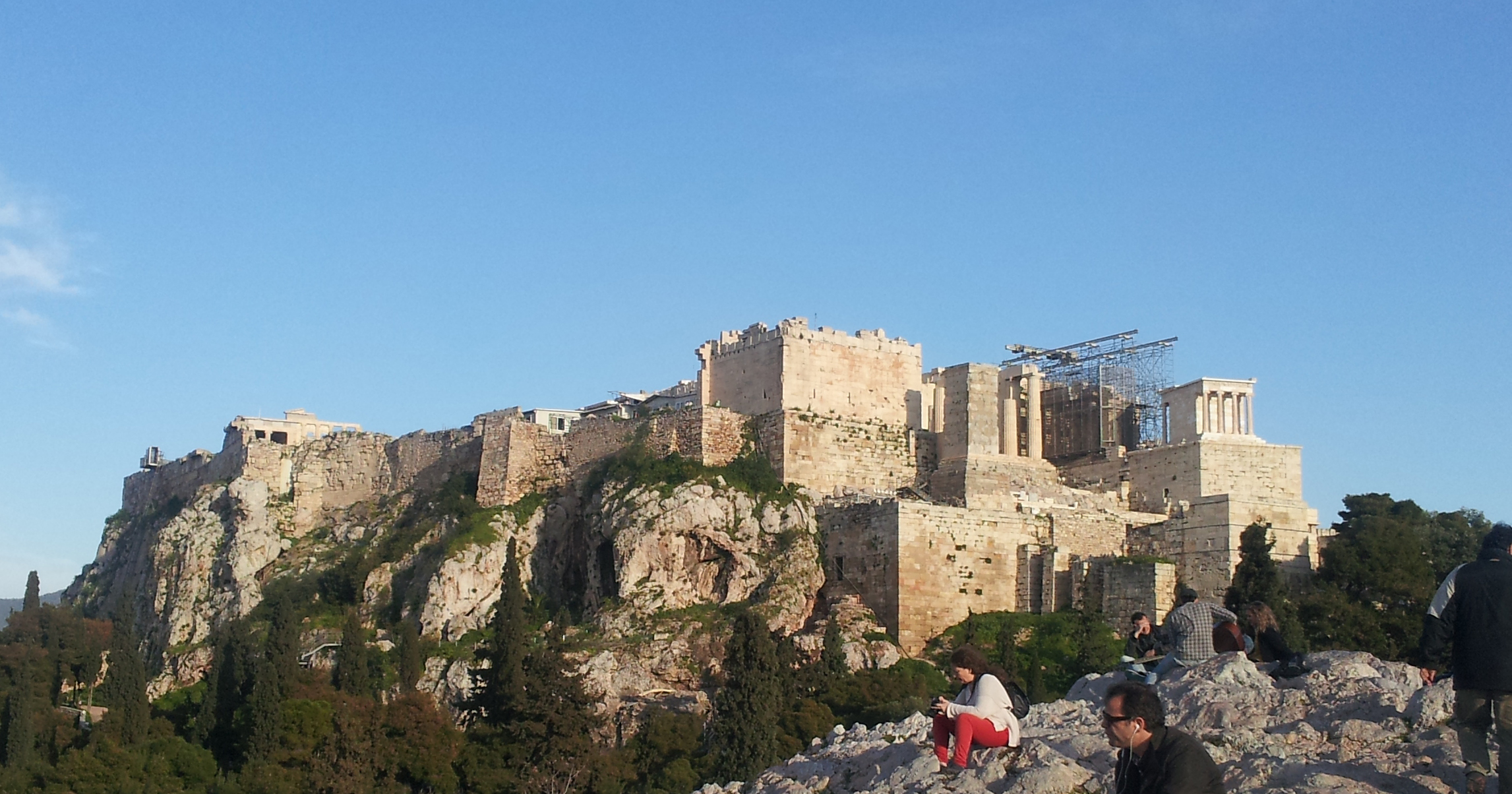
Europeana Cloud plenary, Athens. Sadly, there were few clouds to be photographed.
The Europeana Cloud project hosted its annual plenary meeting at the Royal Olympic Hotel, Athens, on March 18-19. Norman Rodger (P & I) and Scott Renton (LDD) represented the University at the event.
Two very useful days were spent looking back on the previous year, and looking forward to the year ahead: while we have fulfilled our commitment to deliver 7,000 images as research material to the cloud (we gave 12,000+), we are committed to the project for two more years, so it was interesting to communicate with other data providers and work package leaders to get their thoughts.
Building on the infrastructure
The infrastructure is not quite complete, but ultimately the data which has been uploaded to Europeana will be moved onto the cloud architecture.
The aim for the cloud, ultimately, is to serve as a definitive resource for all sorts of research material. For example, many providers may offer representations of the same work, but ultimately these should merge their way into one record, and then, after careful consideration about an ‘access framework’, be refined and improved. Obviously there is much debate over who should be allowed to edit what, and a lively exercise about this took place.
Tools, apps etc. will be developed to work on the cloud infrastructure too, and the aim is to end up with an overall resource called Europeana Research. Breakout groups as to how this could look and a full-delegate exercise about its priorities regarding roles and functionality also took place.
Data providers’ view
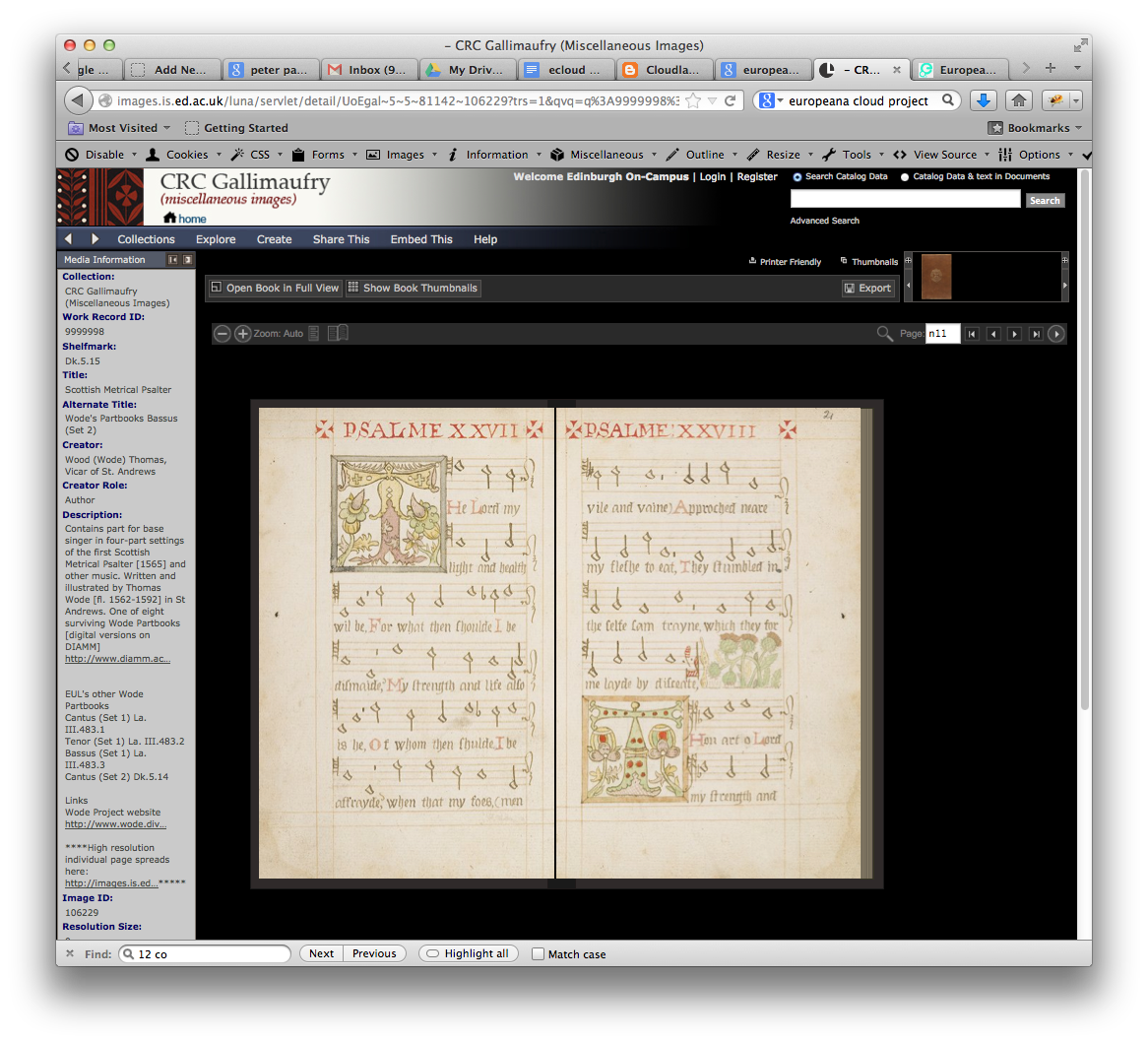
Wode Part Book (Bassus) in LUNA.
We are a data provider- we won’t be building apps etc, but we can give input into what we’d like to see done with our content. One aspect of further work is to develop microsites based on specific discipline, and there is a drive to build a prototype site on musicology, around manuscripts pre-1600. We were happy to engage in this debate, as we have already uploaded relevant material such as the Wode Part-Books (see the Book Reader object here- it is a thing of beauty!).
Ideas for this project include bringing together musicologists to improve metadata, annotate images, transcription of the scores using OMR (the musical manuscript version of OCR!), and markups such as Music XML and MEI, which would allow the machine to read and play the scores, and (hopefully) allow some link-up to existing sound files, video, and images of instruments (we did of course give Europeana all of our instrument content for MIMO). We have let it be known we’re keen to get involved- we may even be able to improve our own records as a result.
Other things potentially upcoming are an e-Cloud related maps project, where they are looking for mediaeval map content. We have no shortage of this (see the Charting the Nation image collection), and we have not yet given it to them. On top of that, there are at least a thousand more LUNA images ready to upload, so these can move through to Europeana as well.
Another area that was explored in depth was the governance of Europeana Cloud, post project, and a task force is being established to review this. It is likely that we will be involved in this process as the project moves into Year 2.
Communicating Europeana
One of the big issues that was identified this week was how to communicate and promote the good things that Europeana are doing. It’s something that everyone needs to get involved in to justify the effort and cost that’s gone into it. We will surely get a chance to do our bit next year, as Edinburgh has been volunteered to host the plenary next March!
Collections
 Hill and Adamson Collection: an insight into Edinburgh’s past
My name is Phoebe Kirkland, I am an MSc East Asian Studies student, and for...
Cataloguing the private papers of Archibald Hunter Campbell: A Journey Through Correspondence
My name is Pauline Vincent, I am a student in my last year of a...
Hill and Adamson Collection: an insight into Edinburgh’s past
My name is Phoebe Kirkland, I am an MSc East Asian Studies student, and for...
Cataloguing the private papers of Archibald Hunter Campbell: A Journey Through Correspondence
My name is Pauline Vincent, I am a student in my last year of a...

Projects
Cataloguing the private papers of Archibald Hunter Campbell: A Journey Through Correspondence
My name is Pauline Vincent, I am a student in my last year of a...
Archival Provenance Research Project: Lishan’s Experience
Presentation My name is Lishan Zou, I am a fourth year History and Politics student....