I’m happy to let you know that Adam Matthew Digital are very kindly giving us trial access to 7 of their fabulous primary source databases. This gives you a unique opportunity to access some extensive digitised primary source collections that between them cover the 16th to the 21st century.
So if you’re interested in the history of the book or history of publishing, theatre history, socialism in the 20th century, Japan in the 20th century, social and cultural history, 17th to 19th century poetry, Shakespeare, Wordsworth, etc., there may be something here for you.
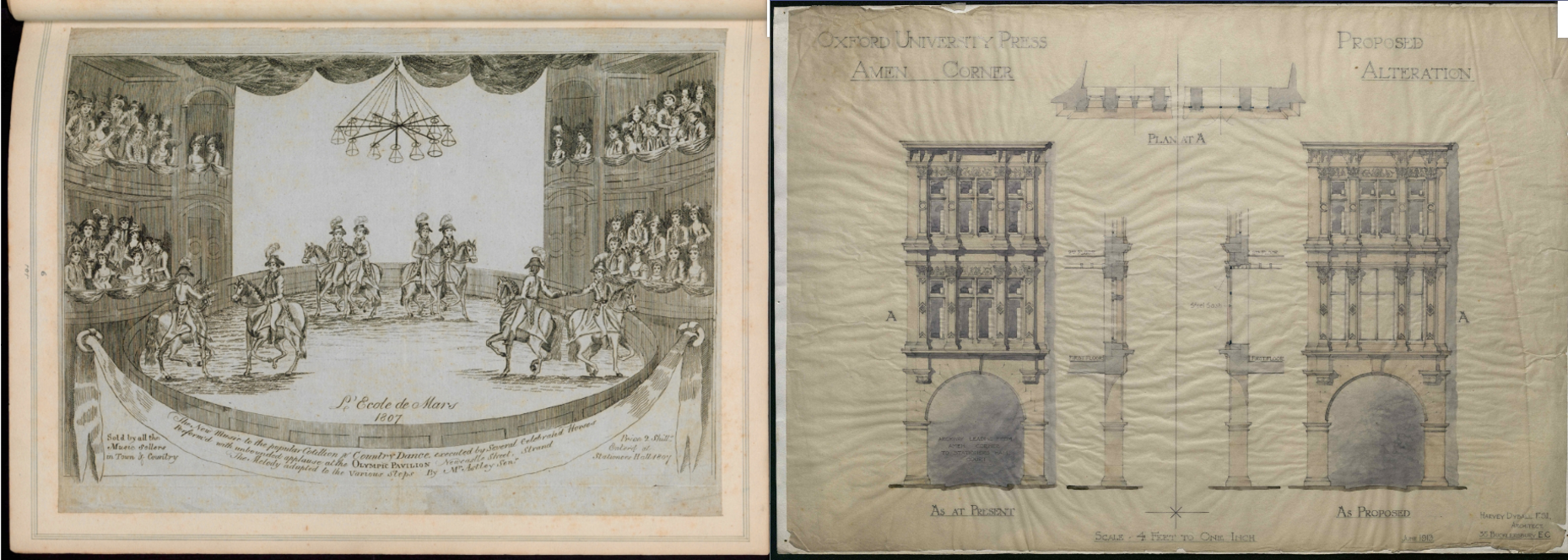
Left: Advertisement for the New Music of Country Dance executed by several celebrated horses at the Olympic Pavilion (1807) from Eighteenth Century Drama. Right: Architectural plan for Oxford University Press, Amen Corner (1913) from Literary Print Culture.
All the databases can be accessed via the E-resources trials page.
Access is available on and off-campus.
Trial access to all the Adam Matthew Digital databases ends 20th November 2017.
I’ve already highlighted Socialism on Film and Foreign Office Files for Japan in previous blog posts so this post will round up the further 5 databases available to us for the trial period. Continue reading


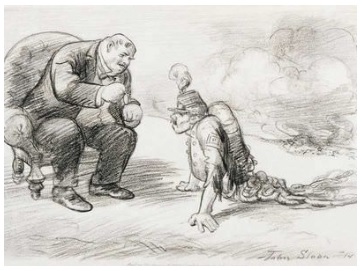 During World War One, Conscientious Objectors united to oppose the war despite the criticism they faced. Three of these anti-war protest groups included the Conscientious Objector Information Bureau, the Union of Democratic Control, and the No-Conscription Fellowship. Conscientious Objection during the World War 1 includes complete files of key anti-war publications. It also contains rare reports from the Conscientious Objector Information Bureau. The internal papers include minutes from the Union of Democratic Control and letters from the No-Conscription Fellowship. The Fellowship’s most prominent figure, Clifford Allen, wrote a number of these items. Local Fellowship branches in Willesden, Middlesex and in Hyde, Greater Manchester are also covered. Also included amongst the papers is Thomas Henry Ellison’s scrapbook. Thomas was a Conscientious Objector and spent much of his time during the war in prison. His scrapbook covers both his own experiences and the experience of the anti-war movement as a whole.