Home University of Edinburgh Library Essentials
April 6, 2026

The Harvard Open Access Initiatives
On Tuesday 10th June we are privileged to have a visit from Stuart Shieber, Faculty Director for the Office of Scholarly Communications, Harvard University. Stuart has kindly agreed to give a seminar looking at the approaches Harvard University have taken to Open Access.
This session is aimed at library & information professionals, research administrators and interested academics and research students. The session will take place in Appleton Tower 2.14 from 10.00am to 11.30am so if you are interested in Open Access and Scholarly Communications, I would encourage you to come along.
Please register for this event at https://www.events.ed.ac.uk/index.cfm?event=book&scheduleID=10504
The Pencil of Nature
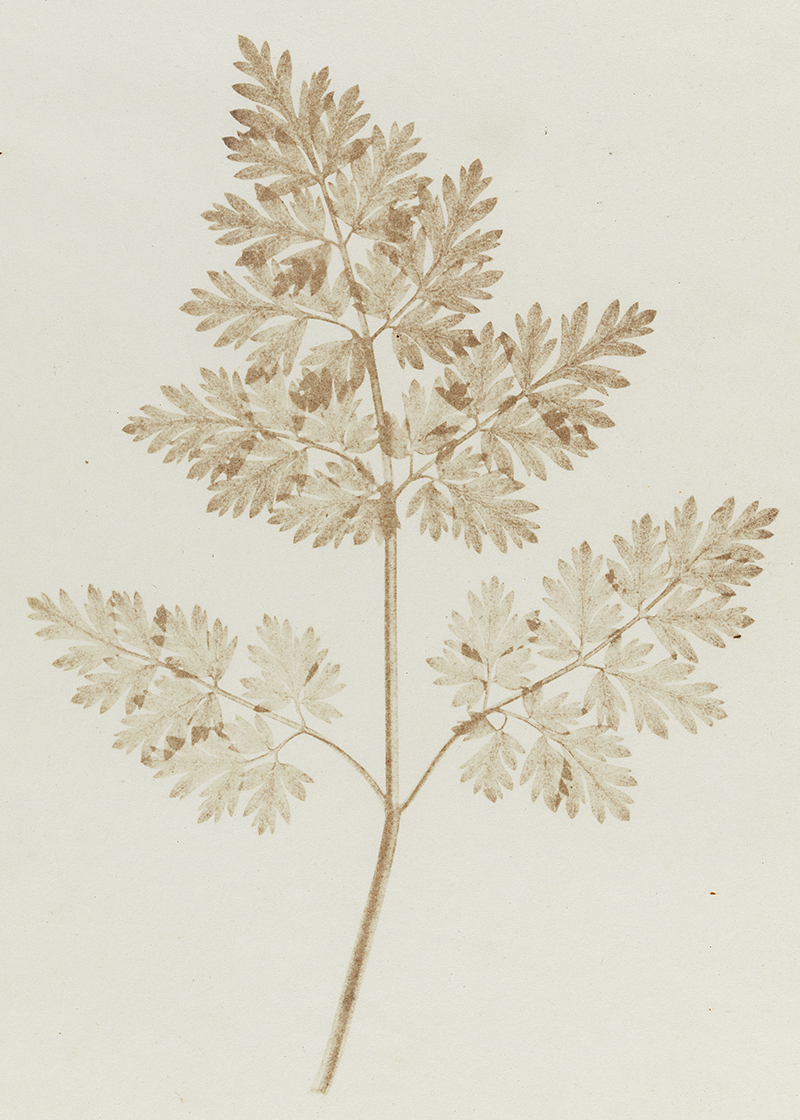
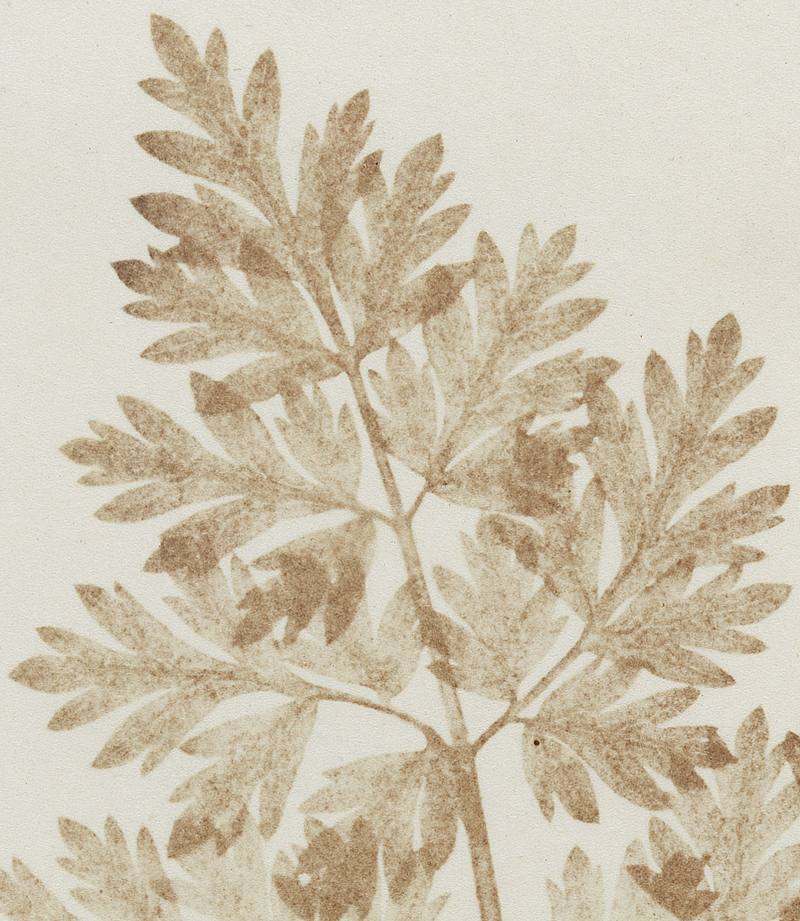
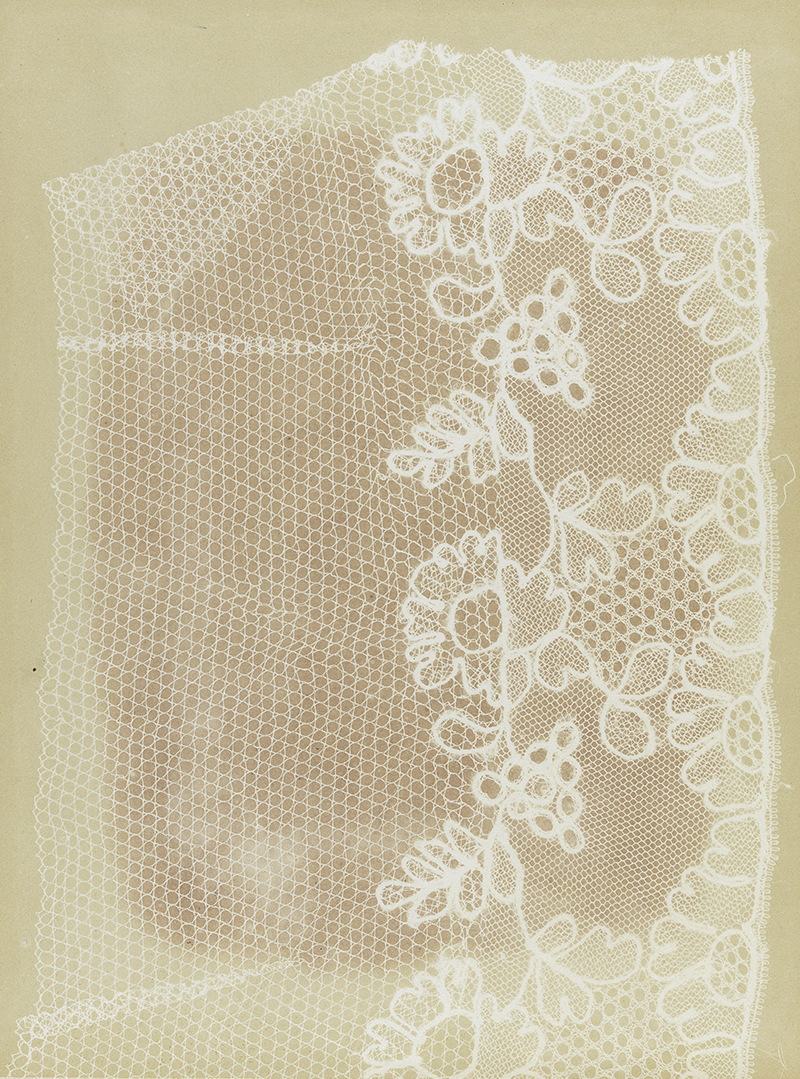
Two of my favourite photographs in the Centre for Research Collections come from The University of Edinburghs copy of William Henry Fox Talbot’s “The Pencil of Nature“. Shelfmark Df.3.85 .The book also contains an exceptional capital letter T complete with small dragon like creature with a vine like tongue. As can be seen below.

The two images that impress from the book are minimal images that to me feel very modern but have a profound sense of the time they were created through the use of the calotype technique. However i think these images create a wonderful time portal and makes us think of now as well as one hundred and seventy years ago when they were created. I have included whole and detailed views of both of the photographs. Further images from the book can be found here.
Malcolm Brown, Deputy photographer.

Better together or better apart? Some useful resources on the Scottish referendum.
On the 18th September 2014 Scotland will vote yes or no to independence. There are a wealth of online resources available that can help with your research or help to inform your vote on the 18th September and here are just a small number that you may find useful.
 Referendum on Independence Key Texts has been put together by the Scottish Parliament Information Centre (SPICe) and is intended to be useful to those seeking information on the Referendum on Independence for Scotland, and on the debate around the Referendum. Every effort is made to ensure that both sides of the debate (and neutral commentators) are covered. It is not an exhaustive resource and does not include material from the media e.g. BBC, newspapers, etc., or personal blogs, twitter, etc., however, there are a wide range of resources covered. Read More
Digital Scholarship Day of Ideas: Data
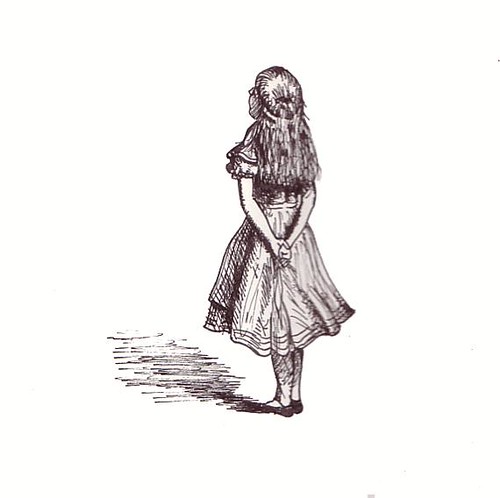
The theme of this year’s ‘Digital Scholarship Day of Ideas’ (14th May) focused on ‘data’ and what data is for the humanities and social sciences. This post summarises the presentation of Prof Annette Markham, the first speaker of the day. She started her presentation with an illustration of Alice in Wonderland. She then posed the question: What does data mean anyway?
 Markham then explained how she had quit her job as a professor in order to enquire into the methods used in different disciplines. Since then, she has thought a lot about method and methodologies, and run many workshops on the theme of ‘data’. In her view, we need to be careful when using the term ‘data’ because although we think we are talking about the same thing we have different understandings of what the term actually means. So, we need to critically interrogate the word and reflect upon the methodologies.
Markham talked about the need to look at ‘methods’ sideways, we need to look at them from above and below. We need to collate as many insights into these methods as possible; we might then understand what ‘data’ means for different disciplines. Sometimes, methods are related to funding, which can be an issue in the current climate, because innovative data collection procedures that might not be suitable for archival aren’t that valuable to funders. The issue is that not all research can be added to digital archives. For an ethnographer, a stain of coffee in a fieldwork notebook has meaning, but this subtle meaning cannot be archived or be meaningful to others unless digitised and clearly documented.
Drawing on Gregory Bateson’s Steps to an Ecology of Mind (1972), she asked us to think about ‘frames’ and how these draw our attention to what is inside and dismiss what lays outside. If you change the frame with which you look, it changes what you see. She showed and suggested using different frames. For example there are: traditional frames, structures like the sphere, molecular structures. Different structures afford different ways of understanding, and convey themes and ideas that are embedded within them.



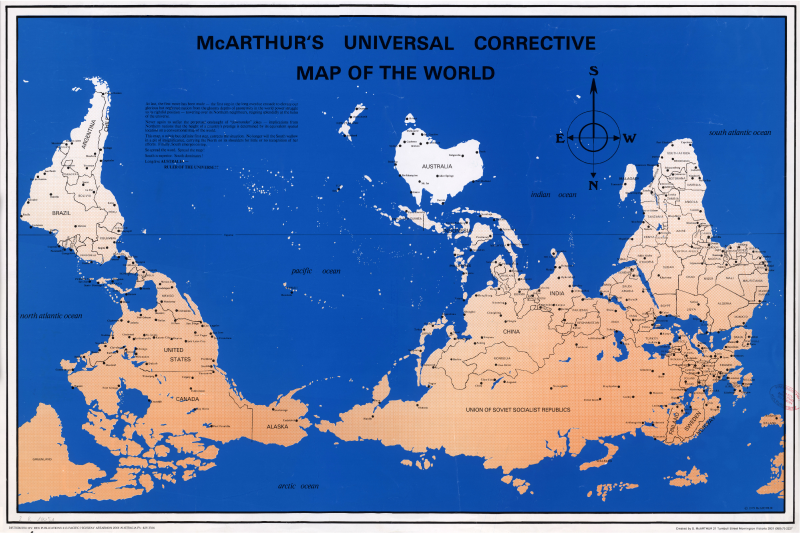
To use another example, she used an image of McArthur’s Universal Corrective Map of the World to illustrate how our understanding of our environment changes when information is shown and structured in a different and unexpected way.
- What happens when we change the frame?
- How does the structure shape the information and affect the way we engage with it?

Satellite image of McArthur’s Austral-centric view of the world [Public domain]
1. How do we frame culture and experiences in the 21st Century? How has our concept of society changed since the internet?
Continuing the discussion on frames, she spoke about how the internet has brought on a significant frame shift. This new frame has influenced the way we interact with media and data. To illustrate this, she showed work by Sparacino, Pentland, Davenport, Hlavac and Obelnicki, who in the project the ‘City of News’ (Sparacino, 1997) addressed this frame shift caused by the internet. The MIT project (1996) presented a 3D information browsing system, where buildings were the information spaces where information would be stored and retrieved. Through this example, Markham emphasized how our interaction with information and the methods we use for looking at social culture are changing, and so are the visual-technical frames we use to enquire into the world.
2. How do we frame objects and processes of enquiry?
She argued that this framing of objects and processes hasn’t changed enough. If we were to draw a picture or map of what research is and how the data in any research project is structured, we would end up with a multi-dimensional mass of connected blobs and lines instead of with a neatly composed bi-dimensional picture frame (research looks more like a molecular structure than like a rectangular frame). However, we still associate qualitative research with traditional ethnographic methods and we see quite linear and “neat and tidy” methods as legitimate. There is a need to look at new methods of collecting and analysing research ‘data’ if we are to enquire into socio-cultural changes.
3. How do we frame what counts as proper legitimate enquiry?
In order to change the frame, we have to involve the research community. The frame shift can happen, even if slowly, when established research methods are reinvented. Markham used 1960s feminist scholars as an example, for they approached their research using a frame that was previously inconceivable. This new methodological approach was based on situated knowledge production and embodied understanding, which challenged the way in which scientific research methods had been operating (more on the subject, (Haraway 1988). But in the last decade at least we are seeing an upsurge of to scientific research methods – evidence based, problem solving approaches – dominating the funding and media understanding of research.
So, what is DATA?
‘Data’ is often an easy term to toss around, as it stands for unspecified stuff. Ultimately, ‘data’ is “a lot of highly specific but unspecified stuff”, that we use to make sense of the world around us, a phenomenon. The term ‘data’ is a arguably quite a powerfully rhetorical word in humanities and social sciences, in that it shapes what we see and what we think.
The term data comes from the Latin verb dare, to give. In light of this, ‘data’ is something that is already given in the argument – pre-analytical and pre-semantics. Facts and arguments might have theoretical underpinnings, but data is devoid of any theoretical value. Data is everywhere. Markham referring to Daniel Rosenberg‘s paper ‘Data before the fact’, pointed out that facts can be proved wrong, and then they are no longer a facts, but data is always data even when proven wrong. In the 80s, she was trained not to use the term ‘data,’ they said:
“we do not use it, we collect material, artifacts, notes, information…”
Data is conceived as something that is discrete, identifiable, disconnected. The issue, she said was that ‘data’ poorly represents a conversation (gesture and embodiment), the emergence of meaning from non verbal information, because when we extract things from their context and then use them as a stand-alone ‘data’, we loose a wealth of information.
Markham then showed two ads (Samsung Galaxy SII and Global Pulse) to illustrate her concerns about life becoming data-fied. She referenced Kate Crawford’s perspective on “big data fundamentalism”, because not all human experiences can be reduced to big data, to digital signals, to data points. We have to trouble the idea of thinking about “humans (and their data) as data”. We don’t understand data as it is happening, and “data has never been raw”. Data is always filtered, transformed. We need to use our strong and robust methods of enquery, and that these do not necessarily focus on data as the centre stage, it may be about understanding the phenomenon of what we have made,this thing called data. We have to remember that that’s possible.
Data functions very powerfully as a term, and from a methodological perspective it creates a very particular frame. It warrants careful consideration, especially in an era where the predominant framework is telling us that data is really the important part of research.
References
- Image of Alice in Wanderland after original illustration by Danny Pig (CC BY-SA 2.0)
- Sparacino, Flavia, A. Pentland, G. Davenport, M. Hlavac and M. Obelnicki (1997). ‘City of News’ in Proceedings of Ars Electronica Festival, Linz, Austria, 8-13 Sep.
- Bateson, Gregory (1972). Steps to an ecology of mind: collected essays in anthropology, psychiatry, evolution, and epistemology. Aylesbury: Intertext.
- Frame by Hubert Robert [Public domain], via Wikimedia Commons
- Sphere by anonymous (CC 1.0) [Public Domain]
- Image of 3D structure (CC BY-SA 3.0)
- Map by Poulpy, from work by jimht[at]shaw[dot]ca, modified by Rodrigocd, from Image Earthmap1000x500compac.jpg, [Public domain], via Wikimedia Commons
- Rosenberg, Daniel (2013). ‘Data before the fact’ in Lisa Gitelman (ed.) “Raw data” is an oxymoron. Cambridge, Mass.: MIT Press, pp. 15–40.
More about
- Dr Annette Markham
- Digital Scholarship Day of Ideas: Data (videos of the presentations)
Rocio von Jungenfeld
Data Library Assistant
Whale hunting: New documentary for broadcast on BBC Four
The story of Britain’s whale hunters is to be broadcast across the UK in a new 2-part documentary on BBC Four on Monday 9 June and Monday 16 June. The documentary has been produced by ‘KEO films’, and in the second episode some material from the Salvesen Archive will appear. The collection had been given to us on permanent loan in 1969, and with subsequent additions, and was finally gifted by Christian Salvesen Investments Limited in 2012.

Recently a ‘Keo films’ researcher spent some days looking at material from the Salvesen archive before travelling to South Georgia in the South Atlantic to visit the remains of the Salvesen whaling operation there.

In addition to the broadcast in June, the documentary entitled ‘Britain’s Whale hunters: The Untold Story’ will again be transmitted on BBC Two, in Scotland only, later in the year, no date confirmed.
The Salvesen story itself had been an interesting one. In the early decades of the 20th century, the shipping firm Salvesen of Leith, Scotland, led the whaling industry at a time when food oils and other products from the Antarctic were considered an endless resource. Indeed, whaling dominated the Salvesen business. In later years – the 1960s and 1970s – the firm had diversified into the tanker fleet business, shipping steel and coke to Norway for the Norwegian shipbuilding and steel industries, factory fishing trawlers, and then to shore-based cold storage, canning, property development and also to house-building. Then, in October 2007, the French based transport and logistics provider Norbert Dentressangle announced that it had reached an agreement to acquire Christian Salvesen.
The images shown here are also from the Salvesen Archive and show the Company vessels ‘Coronda’ and ‘New Sevilla’ at Leith Harbour in South Georgia, and crew on board a prospecting cruise to South Georgia and Antarctica in 1913-1914.
Graeme D. Eddie, Assistant Librarian Archives & Manuscripts
Science: Media Friendly?

Dolly the sheep and press photographers, 1997 ©Murdo Macleod
Nowadays we are more than accustomed to scientists appearing on television and radio to talk about their research or engage in debates about the social, political and ethical implications of science. The archives of the Roslin Institute and the personal papers of Ian Wilmut testify to the increasingly public-facing role of scientists, which a glance at the file upon file of press enquiries about Dolly the sheep reveals. In the book The Second Creation, Ian Wilmut states that ‘nothing could have prepared us for the (literally) thousands of telephone calls, the scores of interviews, the offers of tours and contracts and in some cases the opprobrium’ which would follow the announcement of Dolly’s birth. The relationship between science and the media can be a prickly one – Dolly’s birth led to hysterical press reactions about potential human cloning – but it also allows for open public debate about the wider implications of scientific research which can affect us all.
Historically, we can trace the continuing increase in scientists’ public presence in tandem with the growth of the media industry throughout the twentieth century. The personal papers of Alan Greenwood and C.H. Waddington reveal that they actively utilised television and radio as forums for their work.

Alan Greenwood on the television, c.1957
One of the earliest examples in the archives dates from 1936. Australian poultry geneticist Alan Greenwood‘s papers refer to two BBC radio broadcasts given by him titled ‘Junior Geography: the Empire Overseas’. There is also a copy of Greenwood’s script about the Australian outback for the Scottish Sub-Council for School Broadcasting, which begins ‘Good Afternoon, Boys and Girls – To-day we are going to make an excursion into the Australian Bush…’
C.H. Waddington supplemented his professional duties as lecturer, researcher, writer and director of the Institute of Animal Genetics with frequent appearances on television and radio, as his archives reveal. During the 1960s, for example, he participated in BBC broadcasts debating and discussing the existence of God, ‘the appearance of design in evolution’, Lysenkoism, and the social implications of biological research, most notably in the controversial programme ‘Towards Tomorrow: Assault on Life’, broadcast in December 1967. Waddington very much saw the biological sciences as woven closely into the fabric of society, with public debate an important facet of this. Writing to Waddington about his appearance on the BBC series ‘Some Aspects of Modern Biology’ in March 1967, science correspondent and adviser Gerald Leach wrote that ‘you were the only scientist that I’ve seen in this series who had any kind of feeling at all that one might set up social goals and try and work towards them.’
These ‘social goals’ are an important aspect of scientific research. Contentious as the media’s portrayal of science and scientists can often be, it puts a human face to specialist terminology, complex theories and vast data sets. It broadens our awareness of scientific discovery and its potential for the world and, importantly, allows us to respond.
Clare Button
Project Archivist
Collections.ed.ac.uk Launched
This week, we launched a new service called Collections.ed.ac.uk, which you (staff, students and the wider public) can use to search the University’s rare and unique collections. Four collections are available from launch and this service will be used to make more collections accessible in the future. We have really enjoyed working closely with the collection curators, and we’ve also enjoyed discovering more of the treasures within our collections.
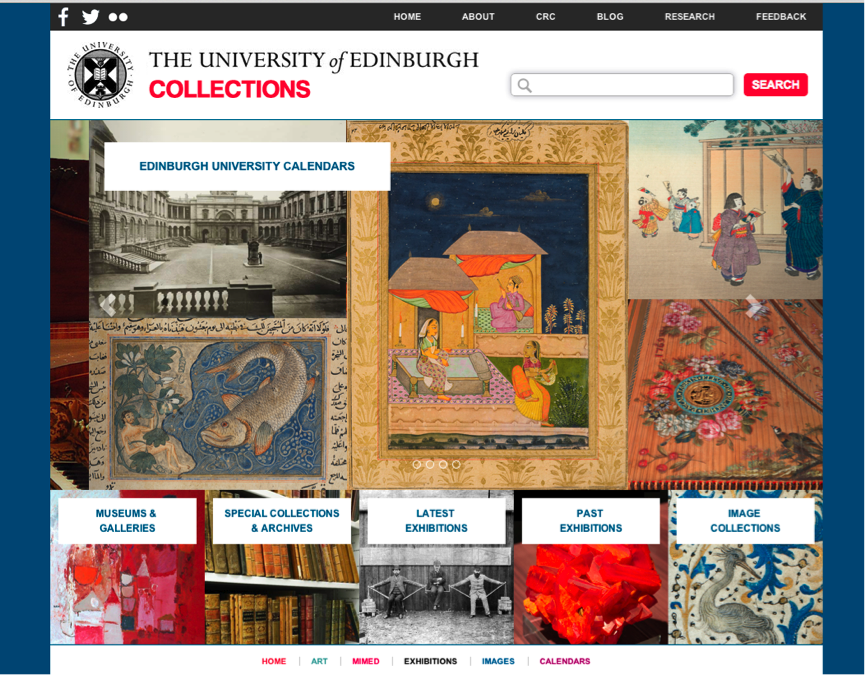
The launch collections are:
- MIMEd Collection. This comprises over 4000 items, including images and some video and audio, from the Musical Instruments Museums in Edinburgh, which is a recognised collection of national significance.
- The Art Collection. Available online for the first time ever, this collection has over 500 items digitised, with more appearing over the coming weeks.
- The Calendars Collection. This collection collates the images selected for the University Calendar since 2006. These are images which really showcase the diverse range of material held in the University Collections.
Here are some of our favourite items from the collections:
- Geology Collection, which will be getting its own collection site later in the year.
- Bassoon. Nominal Pitch: C (which I have heard played in the office more times than I care to remember)
Please use the Feedback link to tell us what you think!
Claire Knowles, Library Digital Development Team
Subject disciplines & download figures
One line summary
Disciplines without dedicated subject repositories seem to provide the most popular items downloaded from our institutional service.
The general trend
Whilst looking at the top 99 most downloaded items from the Edinburgh Research Explorer it struck me that the most popular cluster of subject disciplines were those from the Humanities & Social Sciences.

The pie chart above shows the general breakdown by college with the Humanities and Social Science disciplines making up over half of the most popular items downloaded from our institutional repository. Science and Engineering disciplines own a third of the most popular items, whilst Medicine & Veterinary Medicine make up the remainder.
I was initially surprised given that the bulk of our 18,000+ open access full text items are from the Science, Technology, Engineering & Technology (STEM) fields.
Looking in more detail
When you further sub-divide the broad classification into finer subject groupings you start to see the beginnings of a pattern emerge.

The bar chart above shows the number of items in the top 99 downloads for each school at the University of Edinburgh (apologies for the tiny text – click image to enlarge). Each school broadly maps to a subject area, albeit with some fuzziness; for example, the Edinburgh College of Art comprises a number of creative disciplines like Fine Art, Music and Design brought together in one unit.
Science & Engineering (Red)
From our download figures the most popular S&E subject disciplines – Geosciences, Engineering and Chemistry – all don’t have dedicated subject repositories. Whereas, the least popular – Maths, Physics, Informatics and Biological Sciences – are all well covered by the subject repositories arXiv or PubMed Central.
Humanities & Social Sciences (Blue)
The most downloaded HSS units are the Edinburgh College of Art, the Business School, History, Classics & Archaeology and Social & Political Science; none of which have established methods of sharing via subject repositories.
Economics is already serviced well by RePeC, Psychology & Language Sciences have CogPrints, and Health in Social Sciences is covered by PubMed Central. Only Divinity and Education don’t have subject repositories and have relatively low download rates.
Medicine & Veterinary Medicine (Green)
This college grouping is extremely well covered by the PubMed Central subject repository which may explain the poorer than expected usage performance.
Some closing remarks and limitations
There are no bad results here: all of the open access downloads from our service are complimentary to those obtained directly from publishers websites and from other subject repositories. These downloads can in a way be considered extra views that we help facilitate.
This blog post is only a quick observation and not a fully fledged study so take what I say here with a pinch of salt. Using the number of popular items as a proxy for download rates may not be completely accurate, but on the other hand it does help even out some anomalies (like high download figures for one item skewing the whole data set). To be more comprehensive we should really look at the whole set of 18,000+ items rather than just the top 99. Even with these limitations in mind I still think this is a useful and interesting observation.
2014 download statistics from research.ed.ac.uk
As well as reporting on the number of open access uploads to our institutional repository we now have the facility to report on the other end of the spectrum – the number of downloads for each item. Here are the top 10 items downloaded from our research portal so far in 2014:
| Title | School | Jan-14 | Feb-14 | Mar-14 | Apr-14 | May-14 | Total |
| Total | – | 28,229 | 33,418 | 44,437 | 47,864 | 50,092 | 278,667 |
| The past, present and future of China’s automotive industry | Business School | 523 | 633 | 993 | 1199 | 993 | 5796 |
| Youth Crime and Justice | School of Law | 207 | 192 | 272 | 384 | 198 | 2127 |
| The Computer Modelling of Mathematical Reasoning | School of Informatics | 198 | 152 | 267 | 187 | 125 | 1734 |
| An Introduction to Conditional Random Fields | School of Informatics | 66 | 349 | 614 | 656 | 1685 | |
| The double-curvature masonry vaults of Eladio Dieste | Edinburgh College of Art | 126 | 187 | 234 | 187 | 178 | 1342 |
| Liquidity, Business Cycles and Monetary Policy | School of Economics | 59 | 82 | 72 | 78 | 69 | 839 |
| The dynamics of solar PV costs and prices as a challenge for technology forecasting | School of Engineering | 41 | 110 | 164 | 212 | 237 | 835 |
| The Limits to ‘Spin-Off’ | School of Social and Political Science | 389 | 121 | 35 | 17 | 19 | 833 |
| The Adaptive City | Edinburgh College of Art | 69 | 56 | 98 | 125 | 195 | 818 |
It is interesting to note that six of the items are from the College of Humanities and Social Sciences, whilst the remaining four items are from the College of Science & Engineering. Records from the College of Medicine & Veterinary Medicine are surprisingly absent from the top downloads chart. In fact this trend continues if you look at the top 100 downloaded records. I have a pet theory about this which I will follow up in a separate blog post [EDIT – post available here].
Colophon and Logotype
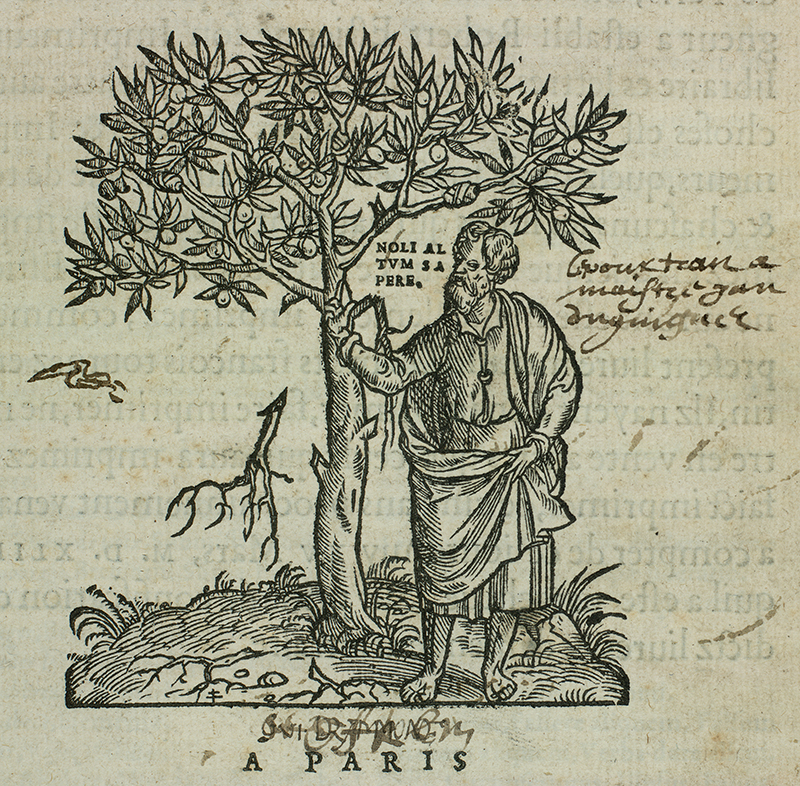
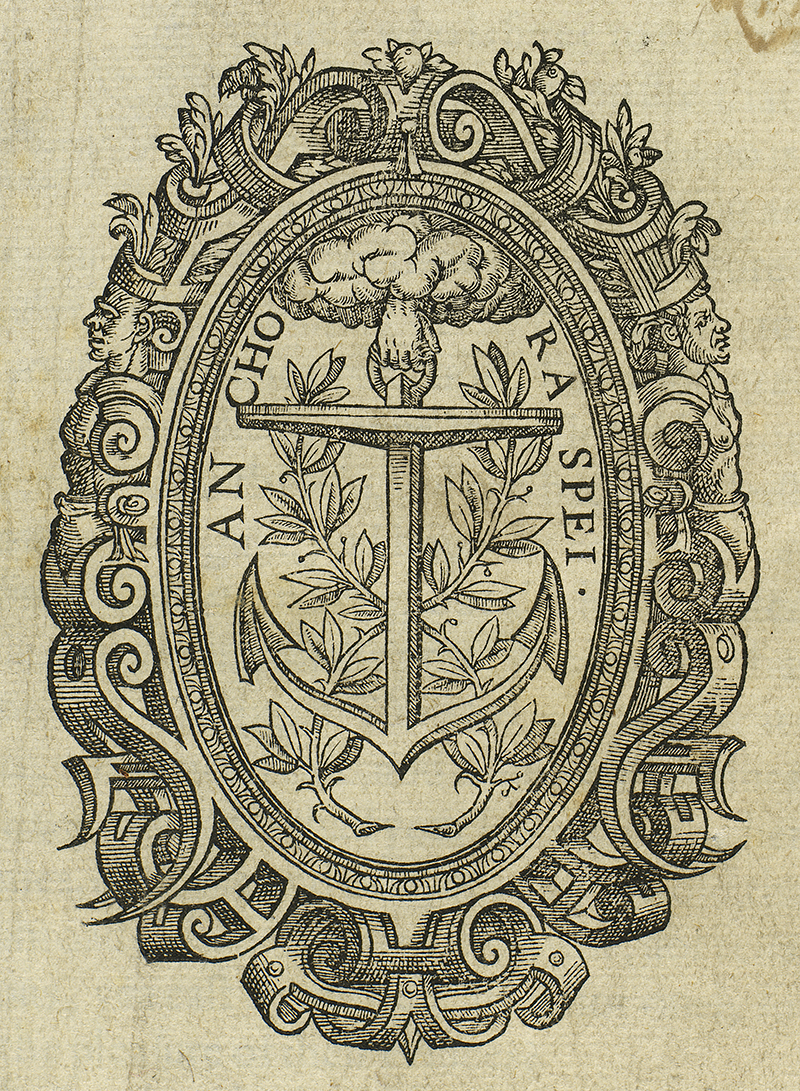
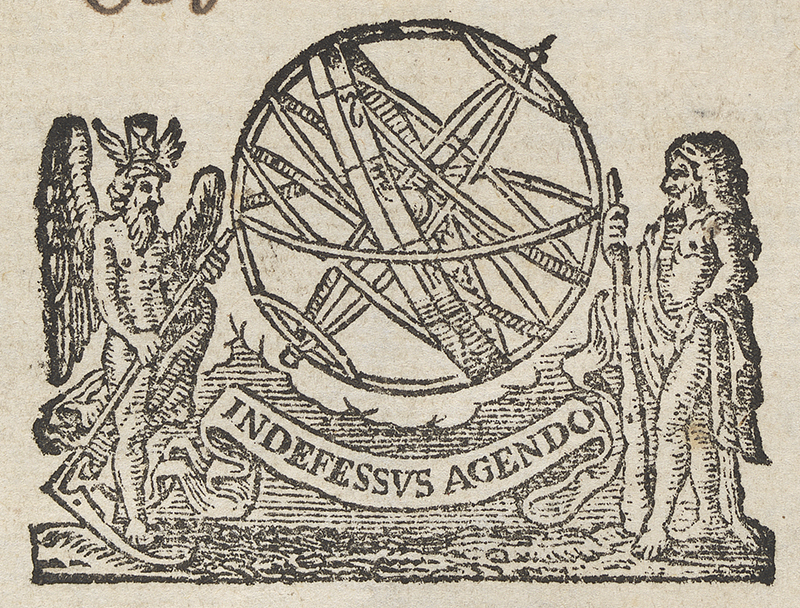
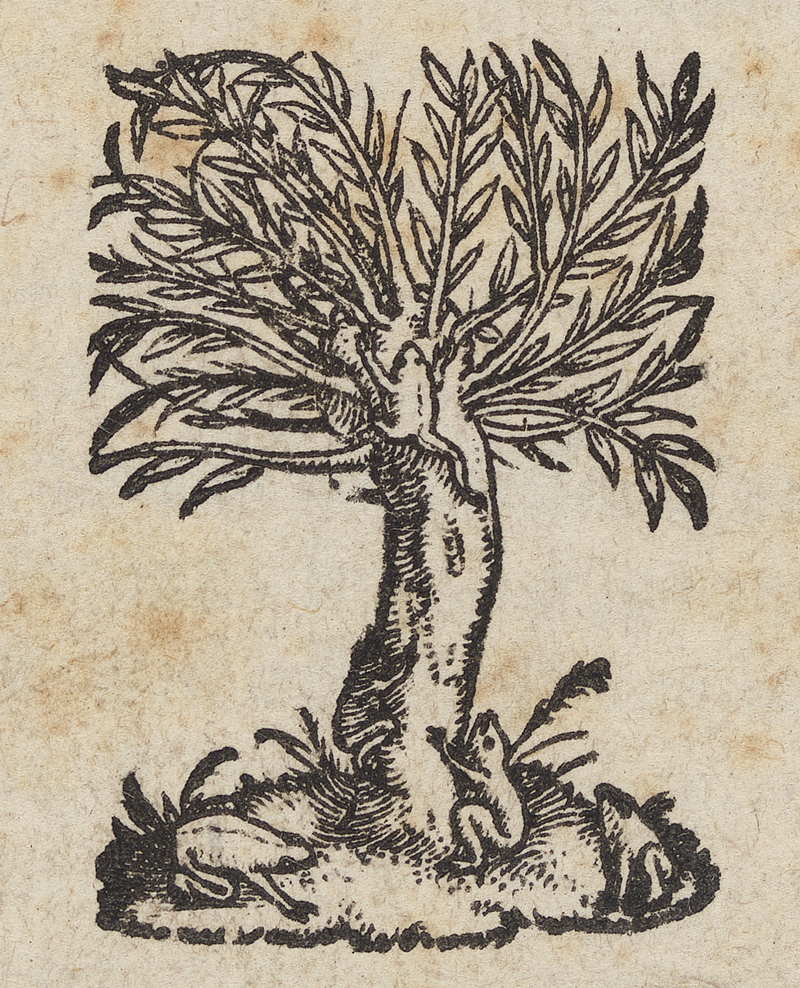
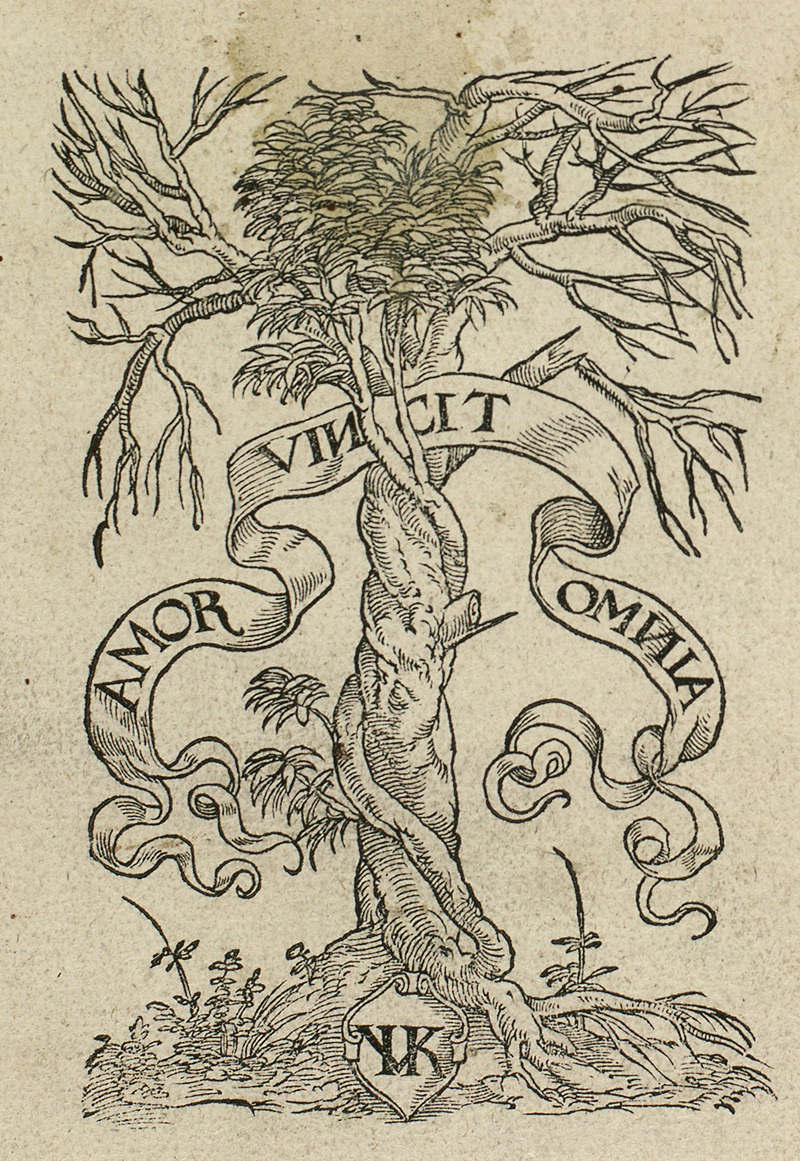
Having a background in Fine Art through study at Glasgow School of Art I am very aware of the striking visual content that passes through the Digital Imaging Unit on a daily basis. Of particular interest to me over the years of working with rare books is Colophon and Logotype. “This originated in Renaissance printing shops, where a title page would feature the printer’s mark (colophon) near the bottom of the page, usually above the printer’s name and city.” This early form of branding is fascinating in its use of imagery and the expert hand skills used to convey a meaningful message. The tree of knowledge is a popular symbol often appearing with broken branches. The level of thought over the imagery and the care taken over the execution is a remarkable investment in brand and product. The Colophon was eventually replaced by printers statements in a more legal and business like text form. Colophon have begun to re-appear for websites and online content publishing, this is a nice nod of the head over centuries of time to the continuation of a craft persons expertise and skill set.
Malcolm Brown, Deputy Photographer.

Collections
 Hill and Adamson Collection: an insight into Edinburgh’s past
My name is Phoebe Kirkland, I am an MSc East Asian Studies student, and for...
Cataloguing the private papers of Archibald Hunter Campbell: A Journey Through Correspondence
My name is Pauline Vincent, I am a student in my last year of a...
Hill and Adamson Collection: an insight into Edinburgh’s past
My name is Phoebe Kirkland, I am an MSc East Asian Studies student, and for...
Cataloguing the private papers of Archibald Hunter Campbell: A Journey Through Correspondence
My name is Pauline Vincent, I am a student in my last year of a...

Projects
Cataloguing the private papers of Archibald Hunter Campbell: A Journey Through Correspondence
My name is Pauline Vincent, I am a student in my last year of a...
Archival Provenance Research Project: Lishan’s Experience
Presentation My name is Lishan Zou, I am a fourth year History and Politics student....