Home University of Edinburgh Library Essentials
April 9, 2026
ARAS: The Archive for Research in Archetypal Symbolism – New E-Resource
 Following a successful trial, we now subscribe to ARAS: The Archive for Research in Archetypal Symbolism.
The ARAS archive contains about 17,000 photographic images, each cross-indexed, and accompanied by scholarly commentary. The commentary includes a description of the image with a cultural history that serves to place it in its unique historical and geographical setting. Often it also includes an archetypal commentary that brings the image into focus for its modern psychological and symbolic meaning, as well as a bibliography for related reading and a glossary of technical terms.
This online resource will be of particular interest to students and staff of Edinburgh College of Art, and the Schools of History, Classics and Archaeology, and Literature, Languages and Culture. It has been added to our database A-Z list, several subject A-Z lists, our catalogue and Searcher. Further information about our databases can be found at http://www.ed.ac.uk/schools-departments/information-services/library-museum-gallery/finding-resources/library-databases.
Dawsonera – unable to download e-books

One of our major e-book providers – Dawsonera is suffering from technical issues relating to downloading e-books for off-line use. E-books can still be read online.
They will post to https://twitter.com/dawsonera when they have updates – they have not been able to provide a time-scale for resolution.
Update – this is now resolved
Trial – Brill Encyclopedia of Hebrew Language and Linguistics

We have trial access to Brill Encyclopedia of Hebrew Language and Linguistics until the 18th February.
Brill Encyclopedia of Hebrew Language and Linguistics Online offers a systematic and comprehensive treatment of all aspects of the history and study of the Hebrew language from its earliest attested form to the present day. It features advanced search options, as well as extensive cross-references and full-text search functionality using the Hebrew character set. With over 850 entries and approximately 400 contributing scholars, the Encyclopedia of Hebrew Language and Linguistics Online is the authoritative reference work for students and researchers in the fields of Hebrew linguistics, general linguistics, Biblical studies, Hebrew and Jewish literature, and related fields.
Feedback and further info
We are interested to know what you think of this e-resource as your comments influence purchase decisions so please do fill out our feedback form.
A list of all trials currently available to University of Edinburgh staff and students can be found on our trials webpage.
Can RAB help you get the book you need?
Library doesn’t have a book that you want? Did you know as a student at the University you can request the Library buys books for its collections via the RAB (Request A Book) Service?
 Last academic year, 2013/14, the Library purchased 940 books in response to RAB requests. 134 books were ordered directly from requests from students in Social & Political Science, this made approximately 12% of the total requests from the College of Humanities and Social Sciences.
You can see a full list of all 940 titles bought by the Library through this service on the Request a book purchase for the Library.
A gutsy project: A heart to heart with the new girl
If you didn’t guess from the anatomical pun title, this blog post details the beginnings of my 10-week internship conserving the Thomson-Walker collection at The Centre for Research Collections conservation studio. As a recent MA graduate of art on paper conservation from Camberwell College of Arts I was looking for an internship that would give me the chance to gain project management experience as well as allowing me to become familiar with various printing techniques and how to treat them in innovative ways. This internship permits me to meet these aims as I am the first person to begin conservation work on this collection and shall be creating a treatment and rehousing program as well as undertaking research, experimentation and treatments to get the project underway.
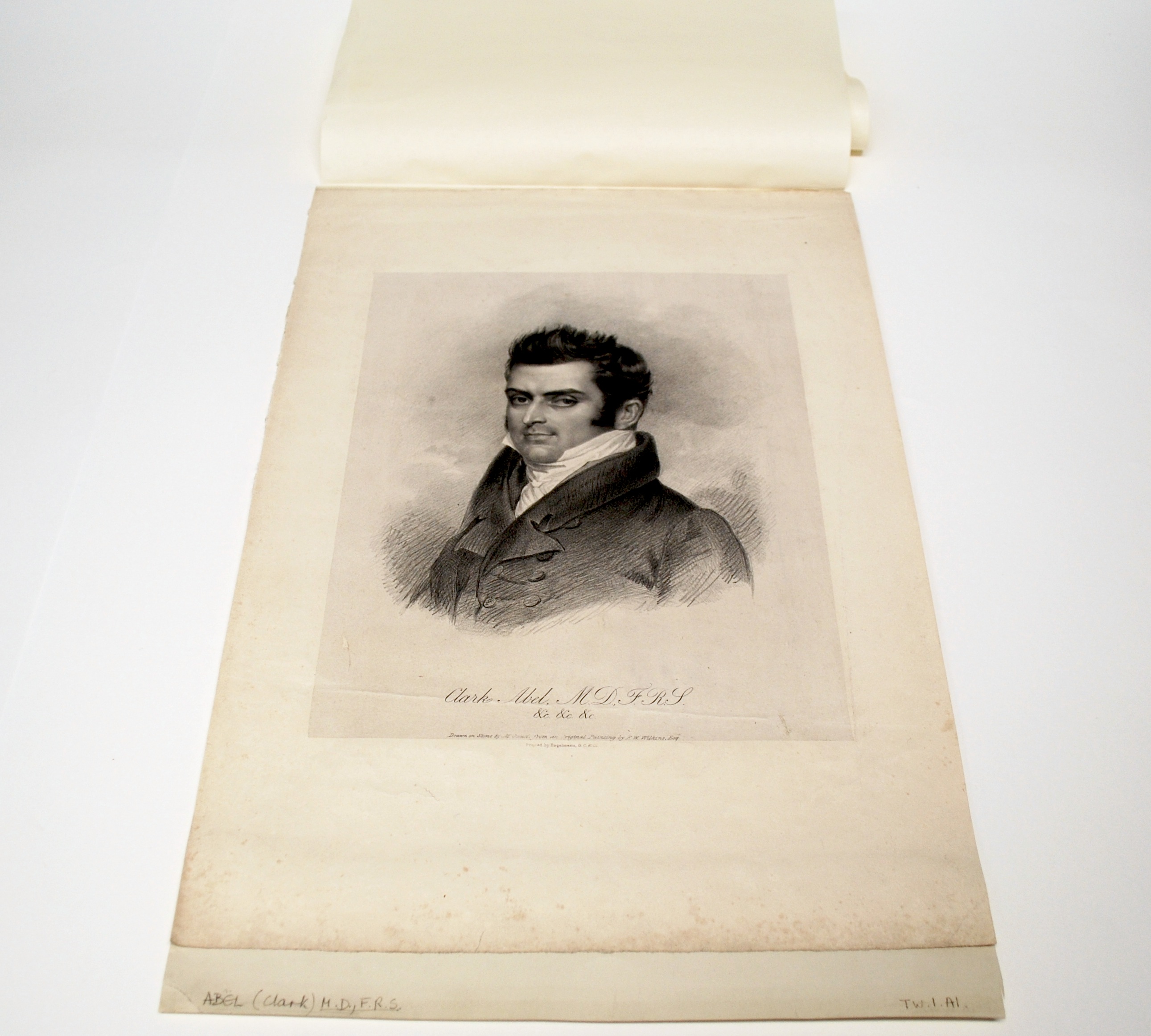
Print from the Thomson-Walker Collection
The Thomson-Walker collection includes some 2,500 prints, which were bestowed to the University of Edinburgh in 1939 by Sir John William Thomson-Walker (1871-1937), a surgeon and committed print collector. The collected prints are mostly in good condition and convey portraits of influential medical men from the UK and Europe ranging from the 16th-20th centuries. The main conservation issue for this collection are the backing boards that the prints have been adhered to; the board is of low grade quality, which is not only destructive to the primary support but also prohibits the prints from being exhibited, digitised, or used as a resource for teaching. The unattractive and damaging boards and the tape used to adhere them to the primary support will have to be removed; I shall be experimenting with various treatment methods in the coming weeks in order to create a fast and effective programme of conservation which can be carried out by myself and the interns that follow after me. Additionally, the print collection varies tremendously in size and so I will also be investigating various storage solutions to rehouse this large group of artworks in a way that is not only cost effective but also accommodates how they shall be used now and in the future. Wish me luck, let’s hope my efforts aren’t in vein….

Close-up of a print hinged onto a poor quality backing board
Post by Samantha Cawson, Conservation Intern
Trial – Phaidon Atlas
 We have trial access to Phaidon Atlas database until 28th February. Access available on campus or off campus via the VPN.
Phaidon Atlas is a database of architects and buildings covering 115 countries, 1590 architects, 3257 buildings and 138,547 images. Various search filters can be applied eg building type, materials etc
Feedback and further info
We are interested to know what you think of this e-resource as your comments influence purchase decisions so please do fill out our feedback form.
A list of all trials currently available to University of Edinburgh staff and students can be found on our trials webpage.
Trial – Early American Newspapers
 We have trial access to Early American Newspapers until 20th February both on and off campus.
As the first draft of history, American newspapers have preserved essential records and detailed accounts of the people, issues and events that shaped the nation for hundreds of years. In the 1800s, American newspapers were often published by small-town printers and reflected the interests and values of the communities they served. But as the country grew and changed, so too did its newspapers. In the 19th century, the number of titles published rose dramatically, and newspapers were transformed by an increasing emphasis on society, industry, scientific advances, investigative journalism and human-interest stories. By the early 20th century, nearly every town in the United States had its own newspaper.
This trial covers 1690 – 1922 and a title list can be found here.
Feedback and further info
We are interested to know what you think of this e-resource as your comments influence purchase decisions so please do fill out our feedback form.
A list of all trials currently available to University of Edinburgh staff and students can be found on our trials webpage.
New books for Social and Political Science: December 2014
Thanks to recommendations from members of staff and requests via RAB from students the Library is continually adding new books to its collections both online and in print. Here are just a small number of the books that have been added to the Library’s collections in December 2014 and early January 2015 for Social and Political Science.
 Understanding political science research methods : the challenge of inference by Maryann Barakso, Daniel M. Sabet and Brian F. Schaffner (shelfmark: JA86 Bar. Also available as e-book).
The wellbeing of nations : meaning, motive and measurement by Paul Allin and David J. Hand (e-book)
Government of Development : peasants and politicians in postcolonial Tanzania by Leander Schneider (shelfmark: HN797.Z9 Sch.) Read More
test post 2
Heading

- Some text, again again. Some text, again again. Some text, again again. Some text, again again. Some text, again again. Some text, again again. Some text, again again. Some text, again again.
- two
- three
- four
- five
Our most viewed images of 2014: numbers 5-1
Following on from yesterday’s publication of numbers 10-6, the top five most viewed images from images.is.ed.ac.uk 2014 can now be revealed!
No.5: Khush khati (calligraphy), 17th / 18th century
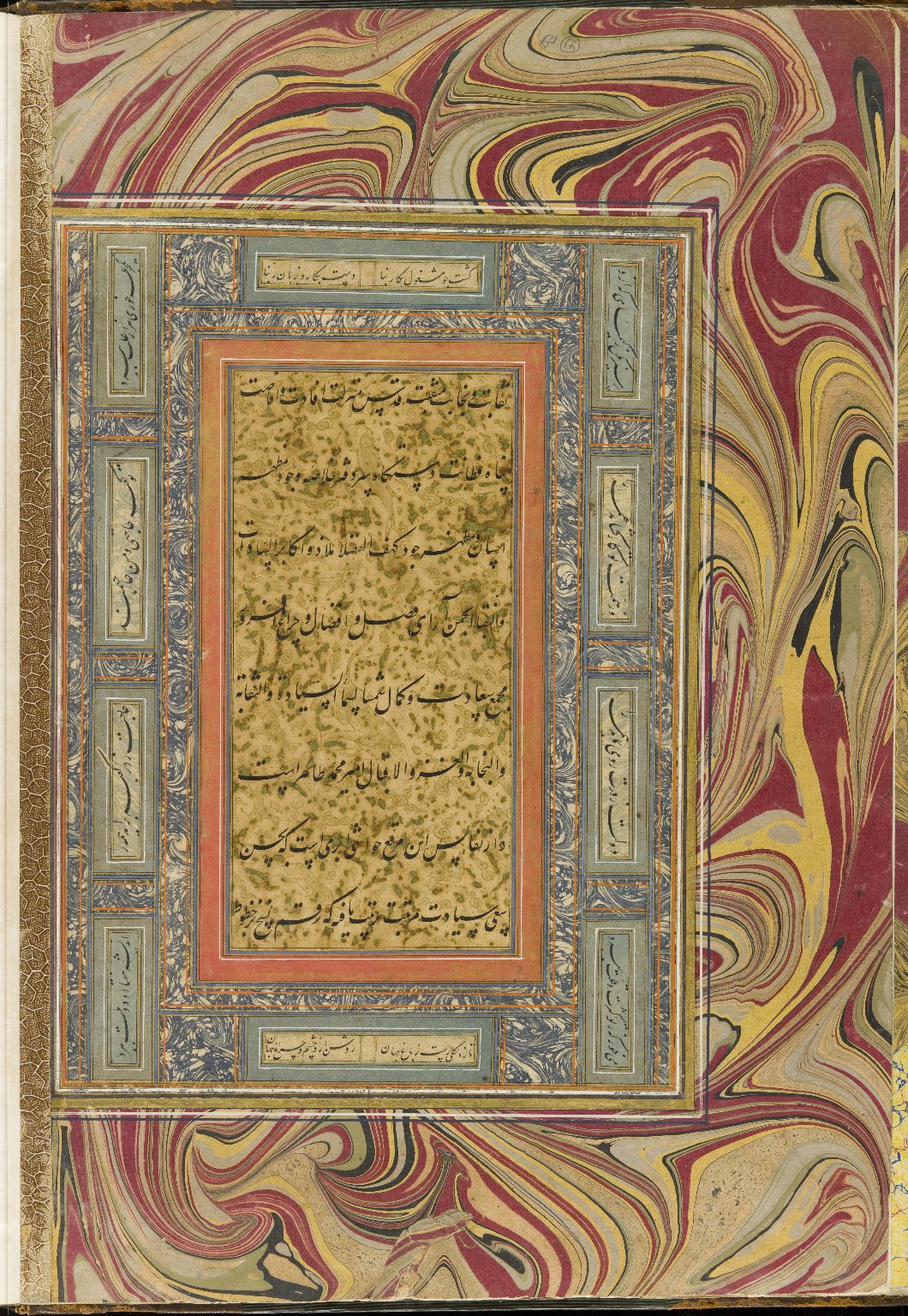
From the the Qit’at-i Khushkhatt, an album of Persian calligraphy (Khush Khati). The text is written in seven types of character, including Nasta’liq, Naskh and Raihan, and conforms to the format of large central letters with small ones on the outside.
No.4: Letter from Deacon Brodie, begging for mercy shortly before his execution, 1788
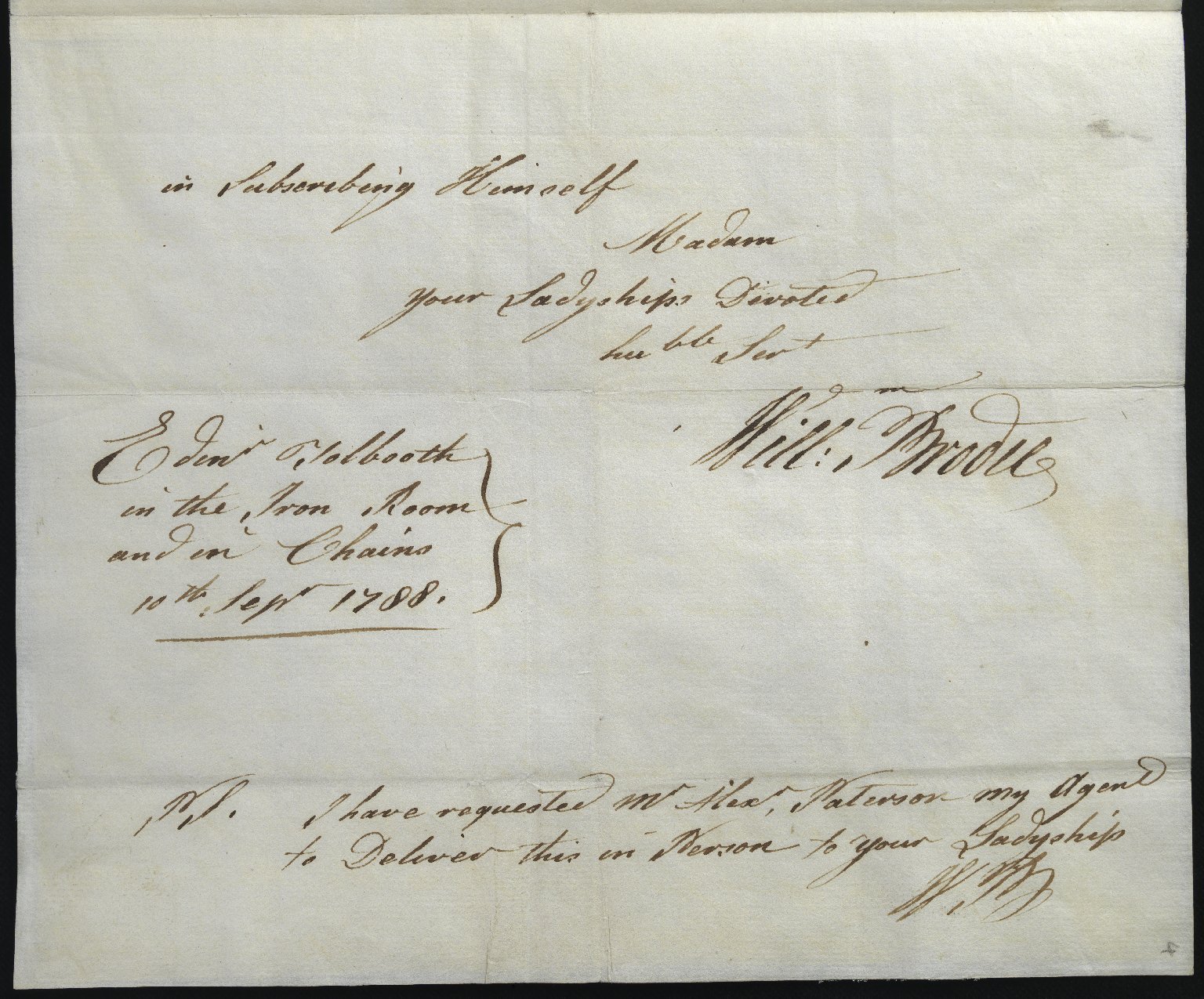
A Letter from Deacon William Brodie dated 10 September 1788, sent from Tollcross, begging for mercy just prior to his execution.
No.3: Title page of Sir Walter Scott’s translation of Goethe’s tragedy Goetz of Berlichingen, 1799
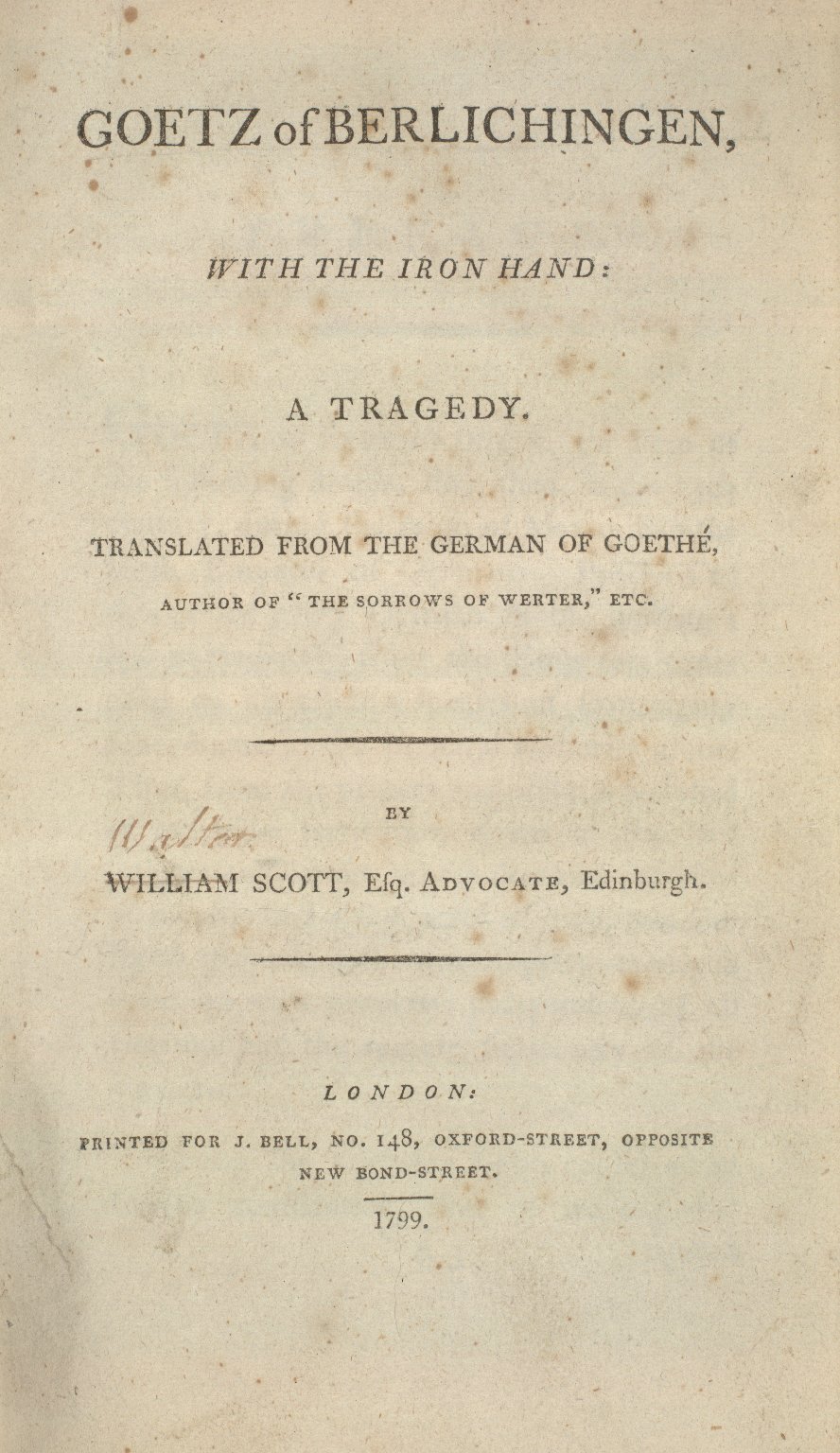
Sir Walter Scott began his literary career with a series of translations from contemporary German literature: on this title page of Goethe’s Goetz of Berlichingen, Scott’s name is erroneously given as William.
No.2: Ivanhoe: Castle of Torquilstone, 1832
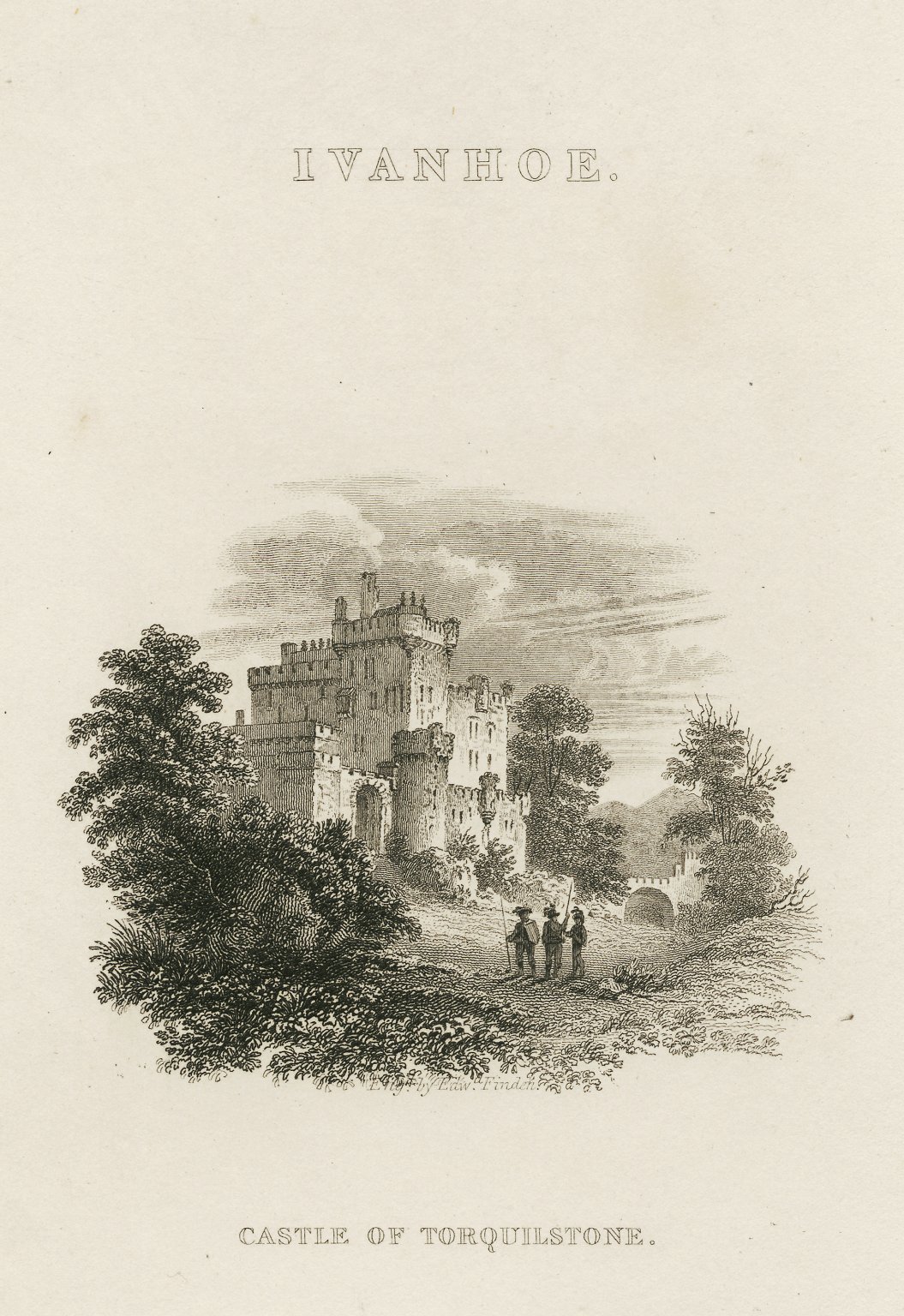
This steel vignette, presumed to be engraved from Edward Finden’s design, shows Torquilstone Castle as it was described in Ivanhoe, ch. 21.
No.1: John Steell, 1840s
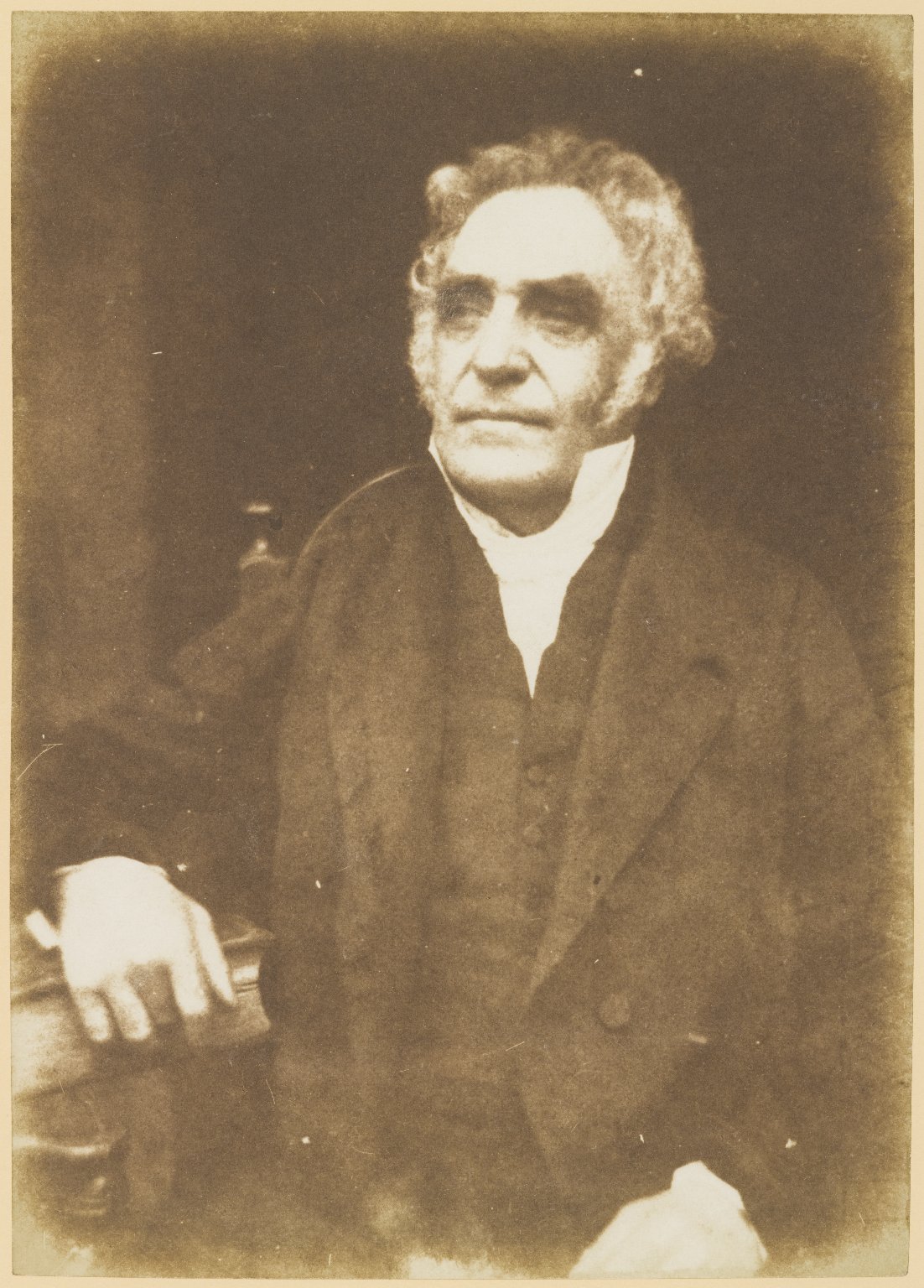
Portrait by Hill and Adamson, photography pioneers who created the first substantial body of self-consciously artistic work using the newly invented medium.
Collections
 Hill and Adamson Collection: an insight into Edinburgh’s past
My name is Phoebe Kirkland, I am an MSc East Asian Studies student, and for...
Cataloguing the private papers of Archibald Hunter Campbell: A Journey Through Correspondence
My name is Pauline Vincent, I am a student in my last year of a...
Hill and Adamson Collection: an insight into Edinburgh’s past
My name is Phoebe Kirkland, I am an MSc East Asian Studies student, and for...
Cataloguing the private papers of Archibald Hunter Campbell: A Journey Through Correspondence
My name is Pauline Vincent, I am a student in my last year of a...
Projects
Cataloguing the private papers of Archibald Hunter Campbell: A Journey Through Correspondence
My name is Pauline Vincent, I am a student in my last year of a...
Archival Provenance Research Project: Lishan’s Experience
Presentation My name is Lishan Zou, I am a fourth year History and Politics student....