Home University of Edinburgh Library Essentials
March 27, 2026
Student Placement – Joey Shuker
Joey Shuker, conservation placement student from Camberwell College of Art describes her experience of working at the CRC in this week’s blog post…
I have been very fortunate to have spent the last four weeks in the CRC as part of my summer placement for my masters degree in Conservation of Paper. I have just finished the first year of a two-year masters at Camberwell College of Art, part of the University of Arts London.
I have been working mostly in the studio with Emily Hick, but my placement here has also taken me to the National Library of Scotland conservation studios, The Scottish Conservation Studio (private studio) and I have spent days working at the Annexe (the CRC’s of site facility) with Katharine Richardson.
One of the projects I spent most time working on was conserving a collection of photographs of Leith in the 1920s.The condition in which the photographs arrived in meant they where not able to be digitised. The prints were mounted on thick card that had distorted due to past environmental and storage conditions. The distortion of the card mount was pulling and creasing the photograph. Being so distorted meant that any pressure to put them under glass during the digitisation process would have caused more damage to the print. The decision was made (before I arrived) to remove the mount backing which would allow the prints to relax and flatten.
Days were spent removing the backing down to the layer just above the back of the print. A scalpel with a no.22 blade was used to remove the backing layer by layer and a pencil grid was drawn on each layer to ensure even removal which would support the print during this process.
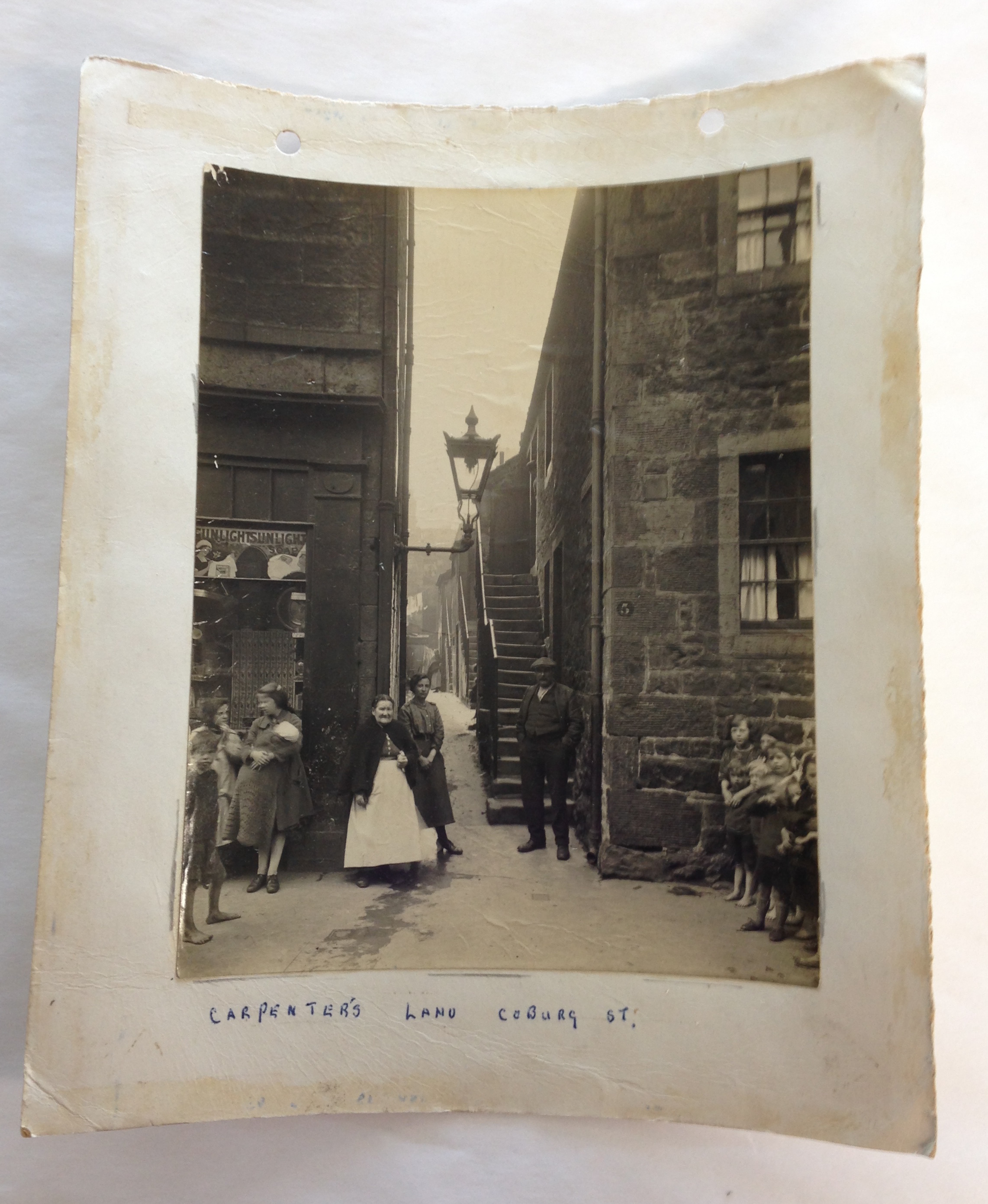 Curved photograph and mount |
|
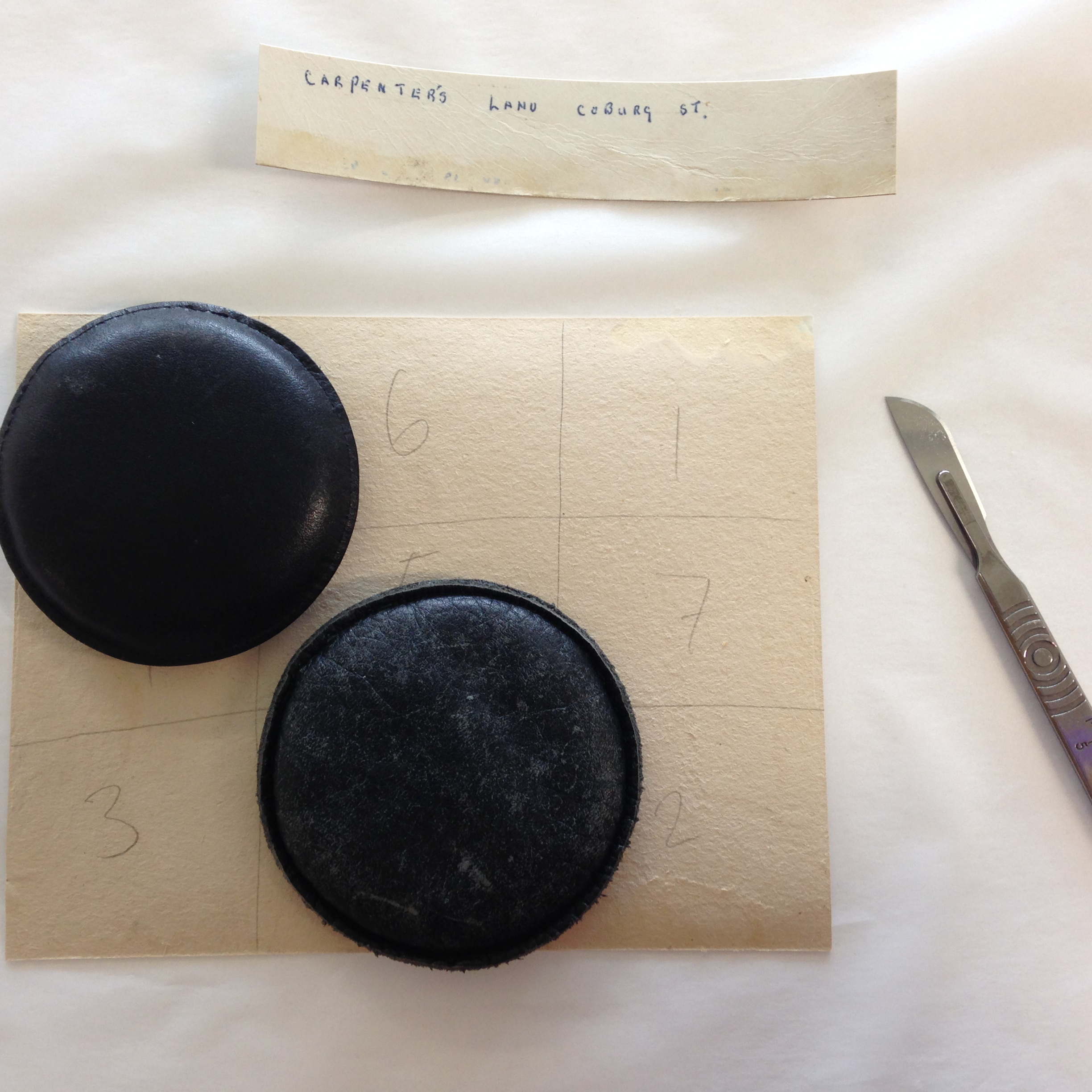
Grid on back to aid even removal of card
After the majority of the backing mount had been removed and the prints began to relax and could be pressed under glass overnight. Backing removal was something I had learnt on my course but I had only ever done it on large prints rather than a collection of small ones.
Doing aqueous treatments on photographs was something I had not yet covered on my course. Emily showed me a humidification method that allowed enough moisture to soften the paste holding the last backing layer on, but didn’t affect the print. We used fords gold medal blotter, which was recommended for use with photographs as it is thinner and holds less water. We used a blotter sandwich for humidification, the print were humidified for 30 minutes. After this time, the last layer of backing could be easily peeled away and the paste could be removed with a spatula.
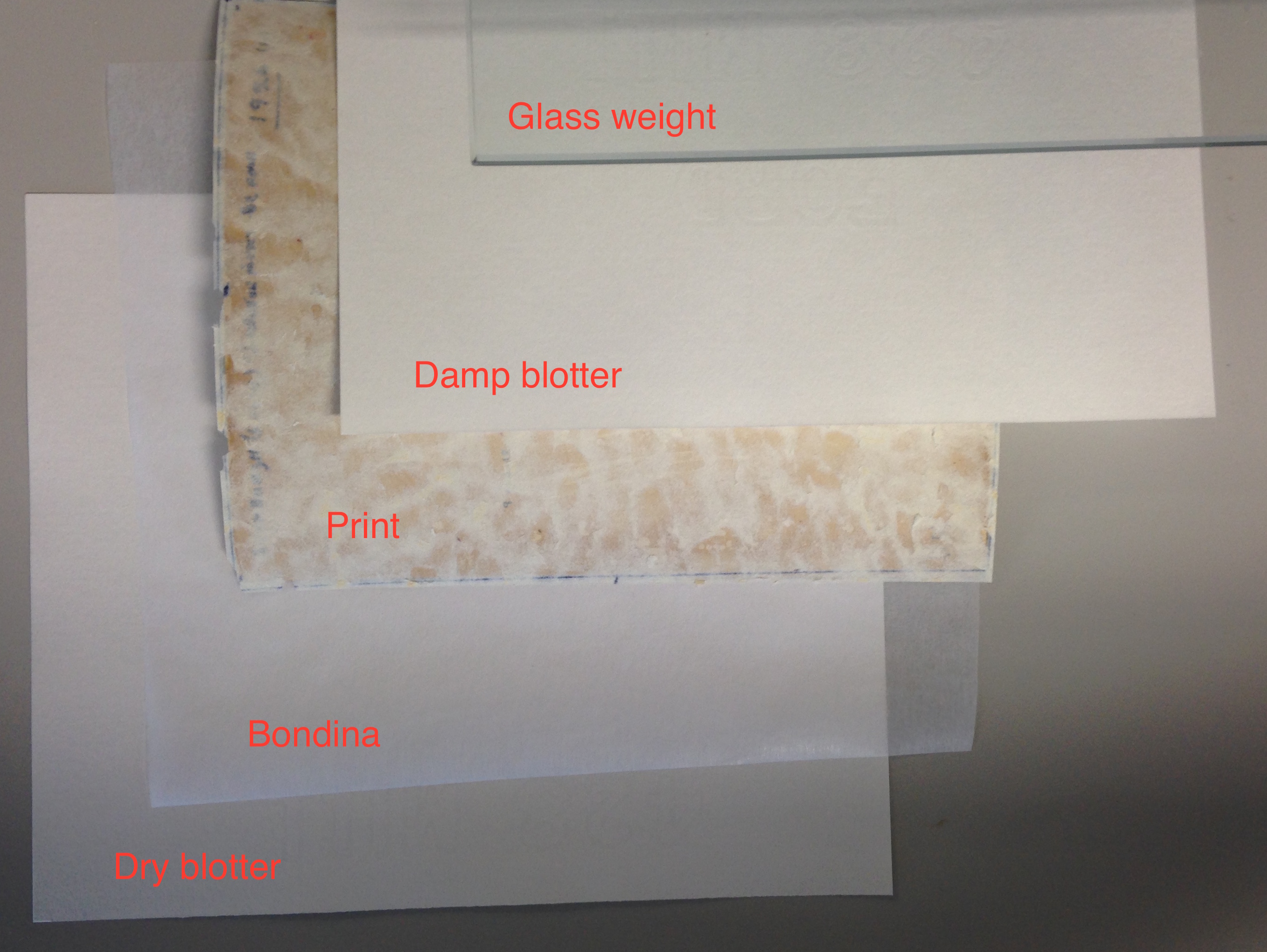 Blotter sandwich for humidification |
|
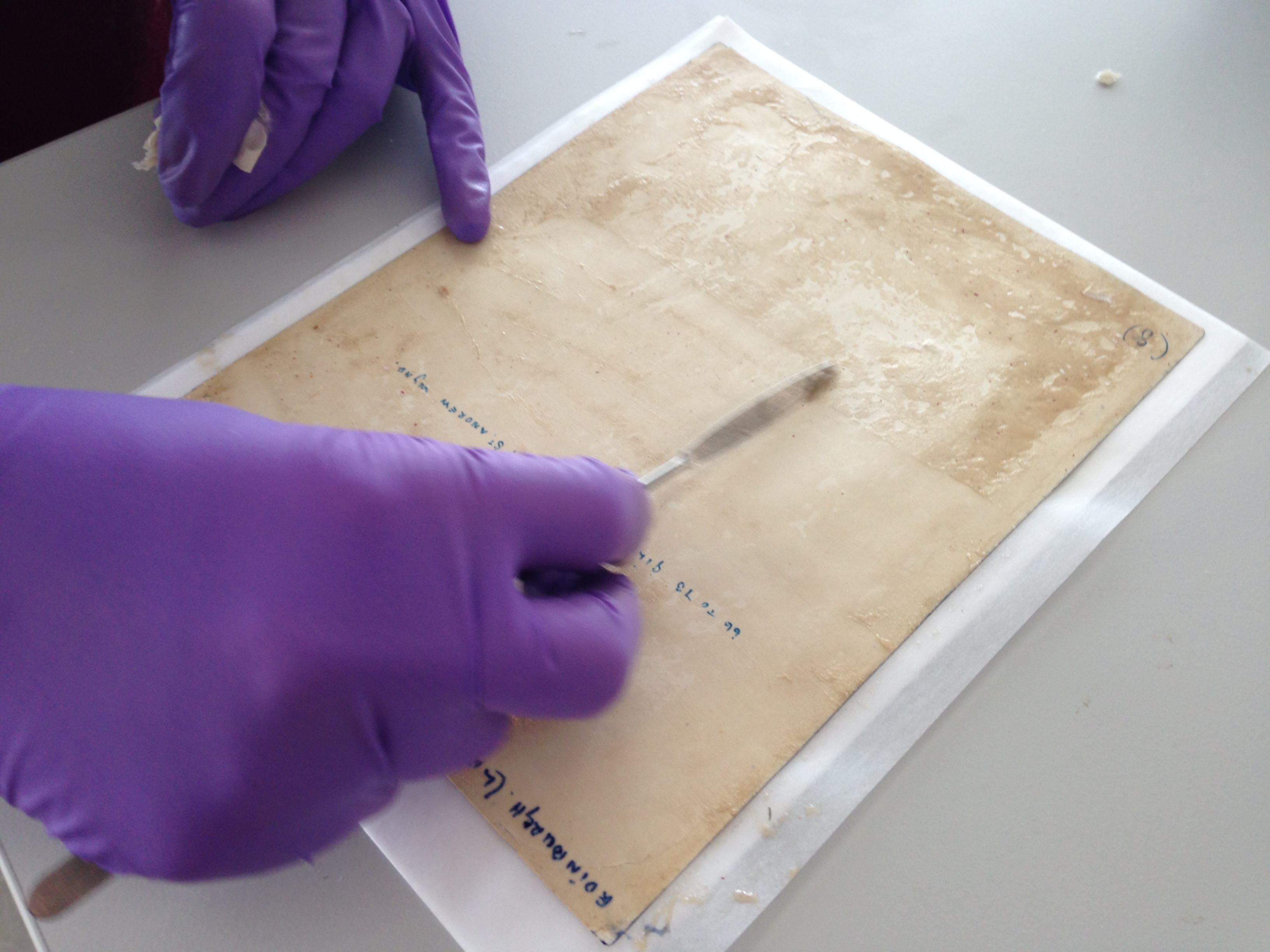
Removing the paste
After this treatment and being put into a press for a couple of days, the box of photographs that arrived at CRC curved and stiff are now relaxed and flattened and ready to be sent to the photography lab for digitisation. This was a great project to work on as I could follow the project almost from start to finish.
I have learnt many new skills and I have been introduced to new treatment methods throughout my time here. Alongside working with Emily and the conservation team in the studio, I have also had introductions to other members of staff who have taken time to show me their role in the wider CRC such as the Archives, Photography Lab, Exhibitions, Rare Books and the Musical Instruments Conservation studio.
This placement has been highly valuable to my studies and preparing for work after university. Many thanks to everyone at the CRC that I have met during my time here.
Joey Shuker
Conservation Student Placement
Financial Times – new features

Our subscription to the Financial Times now contains new features –
FT Confidential Research combines the FT’s proprietary survey data and on-the-ground research from China and Southeast Asia, to give you predictive investment insights and indicators for key sectors and trends in the region.
Instant Insight offers timely and authoritative analysis of the breaking news stories of the day. Understand the implications before anyone else through the insight of our award-winning columnists and global network of specialists.
Further Info
Financial Times is listed on our Databases AZ list and DiscoverEd. First time users will be asked to register. This then provides access to a range of additional tools and resources on FT.com including:
- Exclusive FT News and Comment (including Lex)
- Industry-specific insight and analysis Surveys/in-depth reports – industries, countries and business trends
- Power Search tool searching through the 5-year FT archive
- View print edition – exclusive previews from the Financial Times newspaper
- Editors Choice email
- FT.com app
Main Library Summer Improvements 2016 – update 26/7/16
Work is continuing in the Main Library on a programme of works to bring significant improvements for library users through increasing the number of study spaces by 350 and providing additional power and data facilities at study desks.
Work underway this week (25th – 31st July)
Online library fine/fee payments now available

Library fines for overdue loans and library fees for lost items can now be paid online 24x7x365 from anywhere in the world.
This means you don’t have to go to a library helpdesk during opening hours to pay (unless you want to).
To pay online, sign into DiscoverEd, select My Account and list your fines and fees, then click on Pay All Fines/Fees to connect to the payment screens.
There is no minimum value to be able to pay online and you will not be charged to use the service.
Other ways to pay remain available. See www.ed.ac.uk/is/pay-library-fines
This service has been developed jointly by ISG User Services, Library & University Collections, and Applications Division
Sage Research Methods Update
We recently took out a subscription to the Datasets component of Sage Research Methods following a successful trial.
The datasets included in SAGE Research Methods Datasets are taken from government sources and academic research and demonstrate both qualitative and quantitative methods. Each dataset is presented with an easy-to-follow, step-by-step guide to best demonstrate how the method is applied.

Datasets screenshot
These individual datasets have now been added to DiscoverEd following the Sage Research Methods platform change which involved replacing all of our existing records for the books, videos and case studies we already had a subscription to.
The new Sage Research Methods website has been fully redesigned to make it more modern and user friendly. It is also fully responsive to the different kinds of mobile devices that may be used. Sage have also improved the discoverability of content with an improved search and methods map. Browse options have been enhanced to allow browsing by discipline, content type and method topic.
Further Info
Access Sage Research Methods via our Databases AZ list or DiscoverEd.
JSTOR – Arts and Science XV available
 We now subscribe to the Arts and Science XV package from JSTOR. Arts & Sciences XV has extensive coverage in the humanities, social sciences and sciences, including literature, film, art, music, religion, classical studies, history, education, economics, political science, and sociology.
This collection currently has 81 titles, it will have more than 150 titles by 2018. See a list of the available titles here. These have been added to DiscoverEd. As further titles are made available by JSTOR, these will automatically be added to DiscoverEd.
Further info
JSTOR is also listed on the Databases AZ list.
Getting Reacquainted with Robert Burns Through the Laing Collection
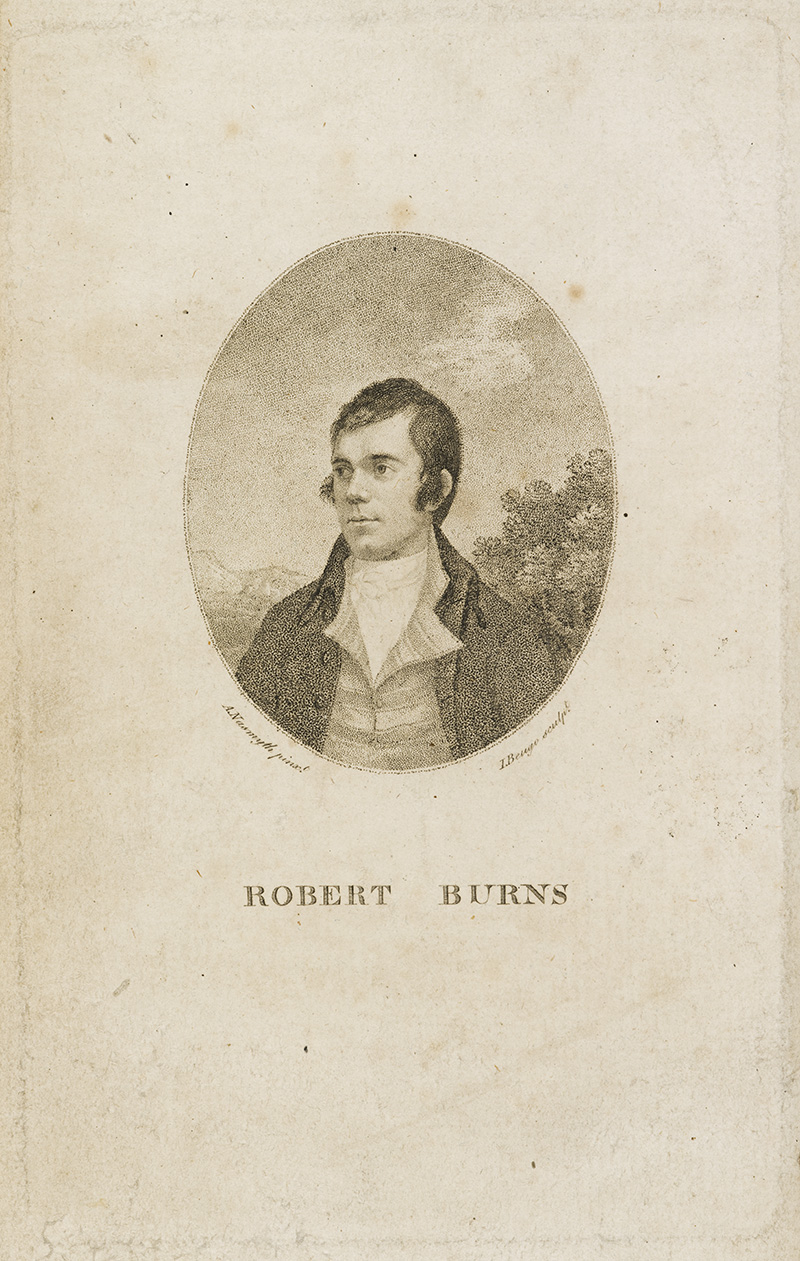
The most important manuscript collection at the University of Edinburgh has long been acknowledged to be the Laing Collection. This treasure trove was donated to the University of Edinburgh in 1878 by David Laing (1793-1878) and contains a startlingly vast array of texts and artefacts. To gloss this diversity only briefly, the University’s description of the Laing collection attests that one can find more than 100 Western medieval manuscript books, a 9th-century Koran, over 3000 charters, manuscript poems, texts, and letters written by Robert Burns (1759-1796), the lovely illustrated “Album Amicorum” (book of friends) by Michael Van Meer (?-1653), and poetry by Elizabeth Melville (1582-1640). Even the handlist for the collection is itself an archival artefact of sorts, having been drawn up in 1878 at the time of the bequest and bearing traces of additions and corrections made over the years since.
As important as the Laing collection is though, I’ll admit that until a couple of months ago, I didn’t know much about it and I certainly hadn’t spent any time delving into what it has to offer. I’m an English literature PhD here at the University of Edinburgh and my research focuses on archives, digital humanities, and, in particular, the study of idiosyncratic texts, like concrete poetry and scrapbooks. I like that these works challenge traditional literary classifications and give some pause when users must decide how to read them, digitise them, or otherwise interpret them. These interests led me to volunteer with the DIU, where I have been working to enrich the descriptive metadata of digitised items from the University’s Special Collections and Library holdings. This is also what finally led me to the Laing collection.
Cemeteries in the 60’s
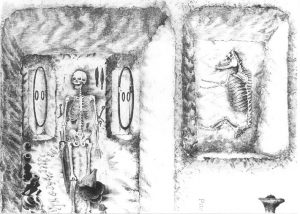
Iron Age burial excavated at Châlons-sur-Marne, France (Ritchie: 1968)
Highlights from the PhD digitisation project
Exploring the theme of cemeteries and memorials showcases some of the most visually rich and striking theses that we have seen thus far in our digitisation project. This selection of works date from the 1960’s a period throughout which we see an increase in topics drawn from the Humanities and Social Sciences. The images collated here come from theses discussing subjects raging from martyred saints to housing development and time periods from the Iron Age to 1967.

Discovery of the relics of St. Luke the evangelist in the church of the Holy Apostles (Vat. Grec. 1613, p.121; Powell: 1963)
One such fascinating subject is the depiction of the treatment and burial of martyred saints in the Byzantine era. These images are drawn from the thesis by Ann Powell (1963) entitled “Byzantine landscape painting, with special reference to the Illustrations of the Monologian of Basil II, Vat. Grec. 1613”.

Funeral of St Matthew (Symeon), (Vat Grec. 1613 p186; Powell: 1963)
The history and culture of Scotland also features prominently. Another gem discusses the period of the 14th to 17th centuries including images of the cemeteries and tombs found in Ayrshire (Largs, Skelmorlie Aisle) and Perthshire (Grantully). As part of this work (MR Apted’s, 1964, “painting in Scotland from the 14th to the 17th centuries with particular reference to painted domestic decoration 1550-1650) the interior design of this period is recorded with painstaking detail.

St Mary’s, Grandtully (Apted: 1963)
Skelmorlie Aisle, Largs (Apted: 1964)
The Montgomerie tomb, Skelmorlie Aisle (Apted: 1964)


A thesis on Celtic weaponry delivers stunning images of burials and funerary stele, from Iron Age France (depicted above) to Roman Britain (below): G Ritchie, 1968, “Celtic defensive weaponry in Britain and its continental background”.


Wroxeter (Shropshire) Roman grave stele (Ritchie: 1968)
Colchester Essex, Roman grave stele (Ritchie 1968)
Finally moving all the way from the 1st century AD we reach Edinburgh’s rural fringe development between 1850-1967, in: AJ Strachan, 1969, “The rural-urban fringe of Edinburgh 1850-1967”. In this case we see cemeteries rather oddly paired with recreational areas such as parks, golf course and sports grounds. The darker areas reflect housing developments over time.
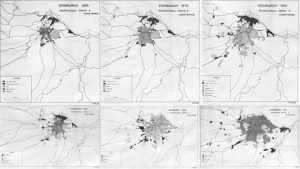
The development of cemeteries and recreational spaces between 1850 and 1967.(Strachan: 1969)
The theses selected here have been scanned and are currently being processed to be made available online soon. They take us on a journey through the development of research in the Humanities and Social Sciences from 1963 to 1969, but what will the 70’s bring us?
Make sure to follow our next adventure…
Compressing collections to create more study spaces – update 21 July 2016
This week we have finished compressing Main Library collections on the 2nd floor and have moved up to the 3rd floor.
Our contractors have moved collections on over 10,000 metres of shelving – quite an achievement!
In the coming weeks the empty shelving resulting from the compression will be removed, and additional study spaces added. This work has included a large amount of noisy reconfiguration of shelving and has restricted access to lifts and collections so apologies for the disruption caused.
We’ve been struck by how understanding our users have been during the work, so thank you all for your continuing patience.
Some of the collections (pamphlets and folios in P and the full collections of P, PA and PB) previously on the 3rd floor have now moved down to the 2nd floor.
The 2nd floor now has collections A-PB and the 3rd floor has collections PC-Z.
Signs will be updated accordingly.

This is part of the wider ongoing work to improve the Main Library over the summer – more posts to follow…
New Library resources for Chinese history
I’m happy to let you know that the Library has recently purchased two new primary source databases looking at Chinese and Asian history. These are China: Culture and Society and a new collection of files covering 1938-1948 from Foreign Office Files for China. So if this is an area you are interested in then read on.
You can access both databases via the Databases A-Z list.
Foreign Office Files for China, 1938-1948: Open Door, Japanese war and the seeds of communist victory

Foreign Office Files for China provides access to the digitised archive of British Foreign Office files dealing with China, Hong Kong and Taiwan. The Library had already purchased access to the files covering the period 1949-1980, broadly covering the Communist Revolution, the Great Leap Forward and the Cultural Revolution. Read More
Collections
 Hill and Adamson Collection: an insight into Edinburgh’s past
My name is Phoebe Kirkland, I am an MSc East Asian Studies student, and for...
Cataloguing the private papers of Archibald Hunter Campbell: A Journey Through Correspondence
My name is Pauline Vincent, I am a student in my last year of a...
Hill and Adamson Collection: an insight into Edinburgh’s past
My name is Phoebe Kirkland, I am an MSc East Asian Studies student, and for...
Cataloguing the private papers of Archibald Hunter Campbell: A Journey Through Correspondence
My name is Pauline Vincent, I am a student in my last year of a...
Projects
Cataloguing the private papers of Archibald Hunter Campbell: A Journey Through Correspondence
My name is Pauline Vincent, I am a student in my last year of a...
Archival Provenance Research Project: Lishan’s Experience
Presentation My name is Lishan Zou, I am a fourth year History and Politics student....