Home University of Edinburgh Library Essentials
April 6, 2026
Drupal Camp Scotland 2014
Last weekend saw Drupal Camp Scotland (http://dcedinburgh.drupalscotland.org) take place in Edinburgh, billed as ‘The premier training and promotional event for Drupal in the Scottish calendar’. In case you didn’t know, the University is currently in the process of migrating from Polopoly to Drupal as its choice of Content Management System for the University website. The Library’s webpages are regularly amongst the most popular of the University website so it is important that we have a good working knowledge of the software.
Friday was a ‘Training Day’, but as seems to be becoming increasingly common the WiFi couldn’t cope with the number of people trying to logon at once. I abandoned ship at lunchtime.
Saturday, on the other hand, was far more successful, consisting of an eclectic mix of presentations followed by a social event. If I had to pick out a couple of take home points from the day then they would be for web designers and developers…
– Mobile First. Which is shorthand for saying develop for mobile devices first and add features as device size increases.
– Responsive design. Websites should adjust, or respond, to the device being used.
– Declutter websites.
Nothing new but these points were hammered home repeatedly.
Lastly, a quick nod to our colleagues at the University Website Programme who not only presented at the event but were also one of the main sponsors.
The Universal Herbal
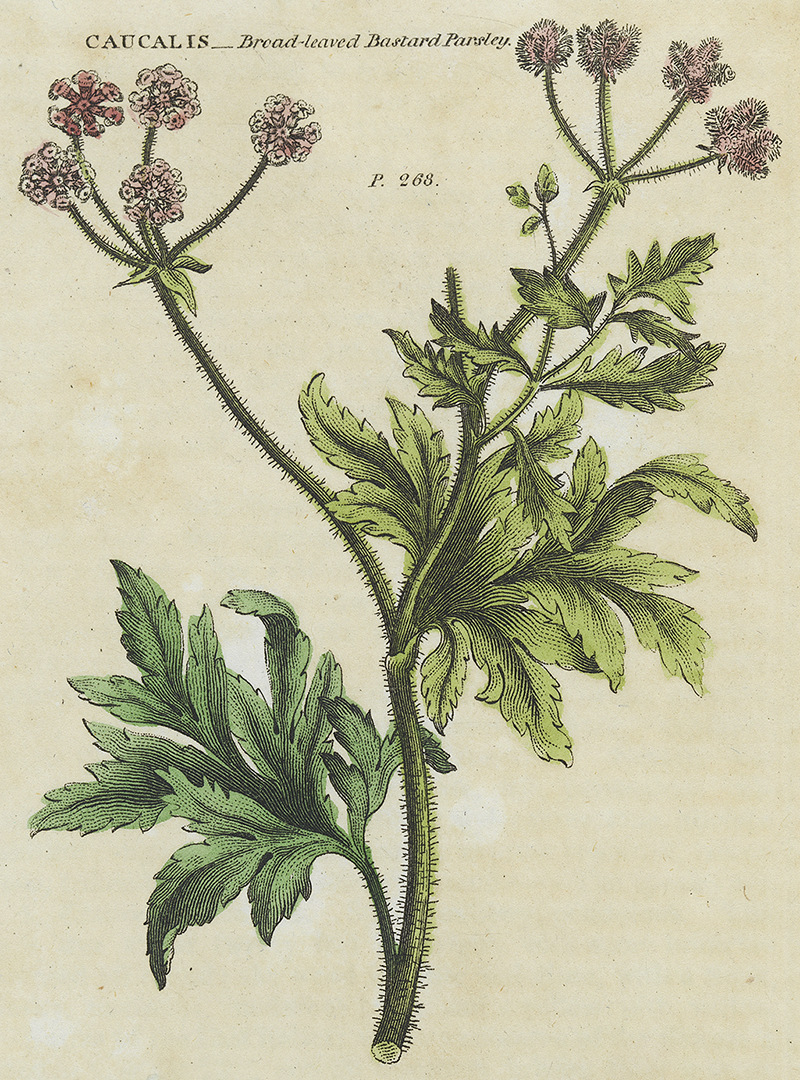
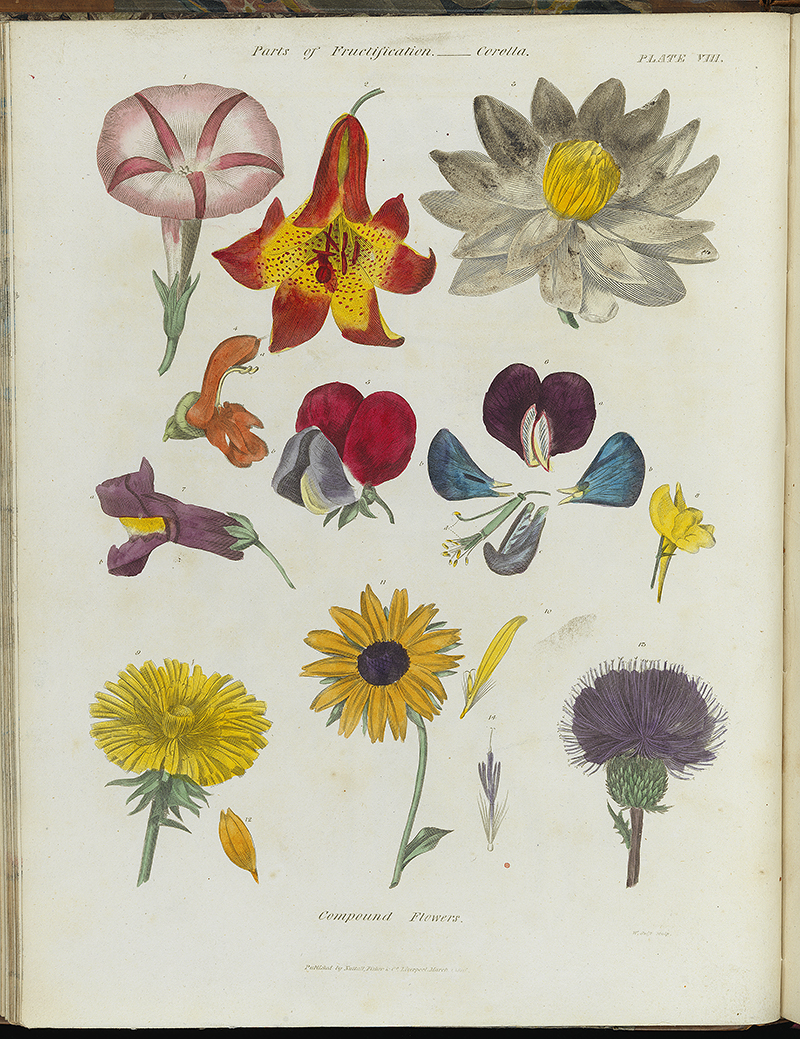
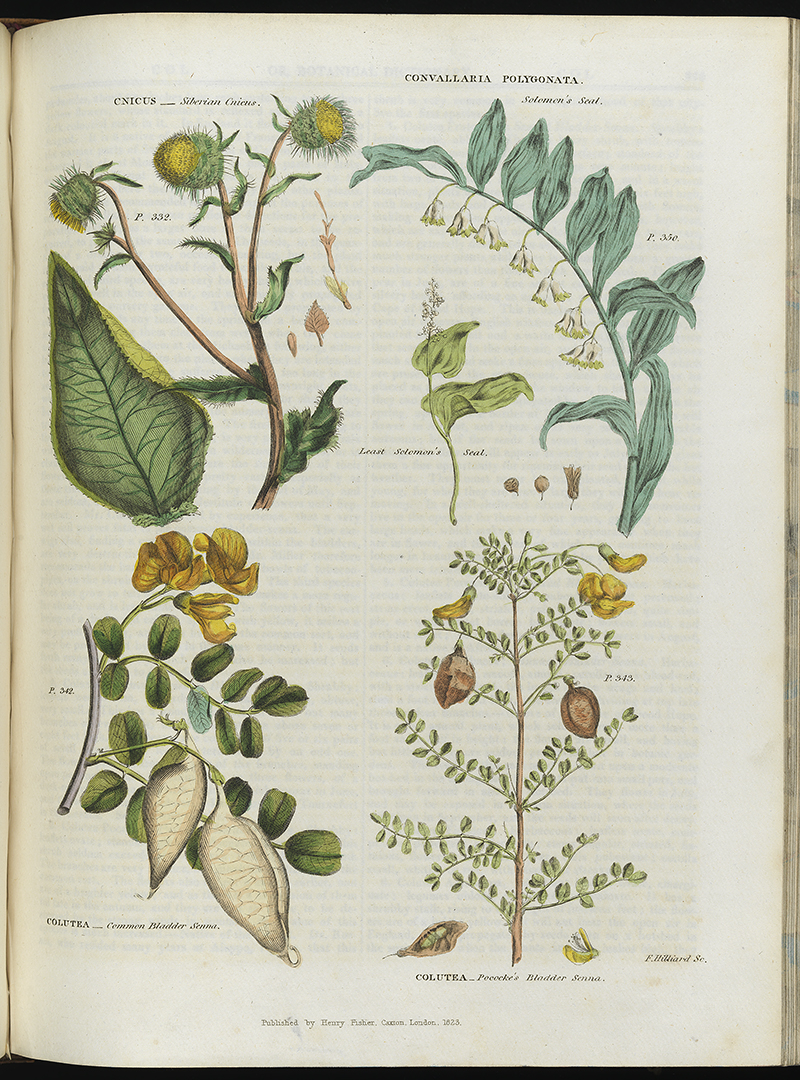
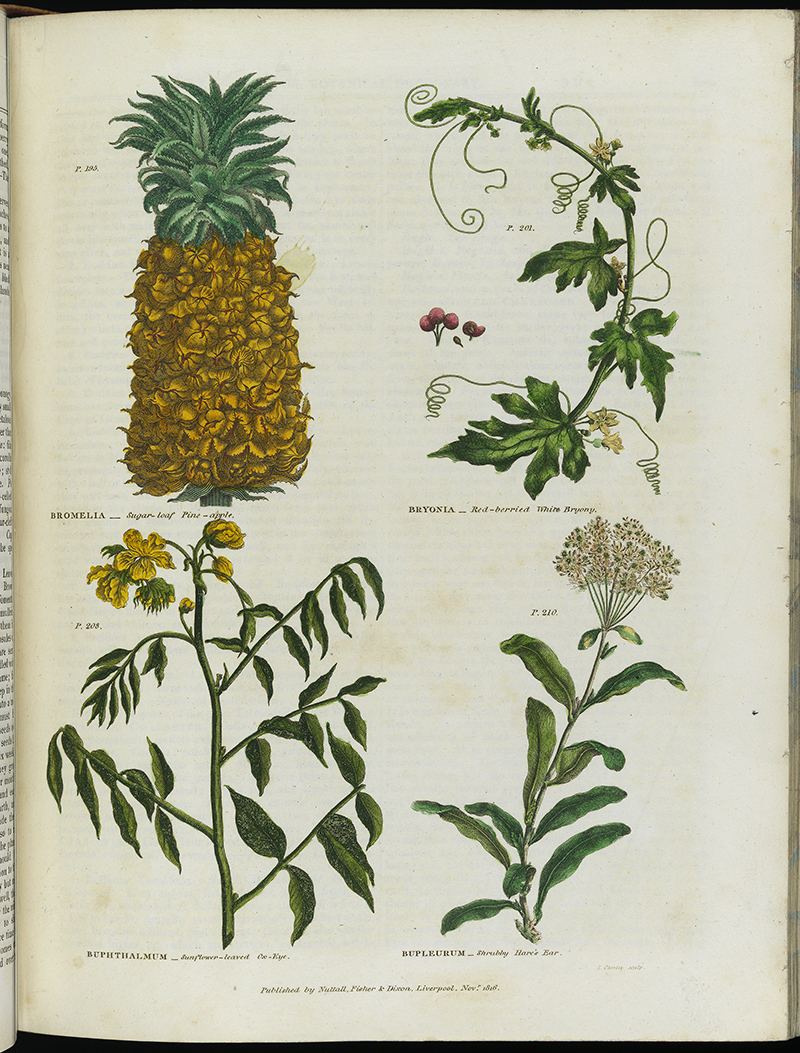
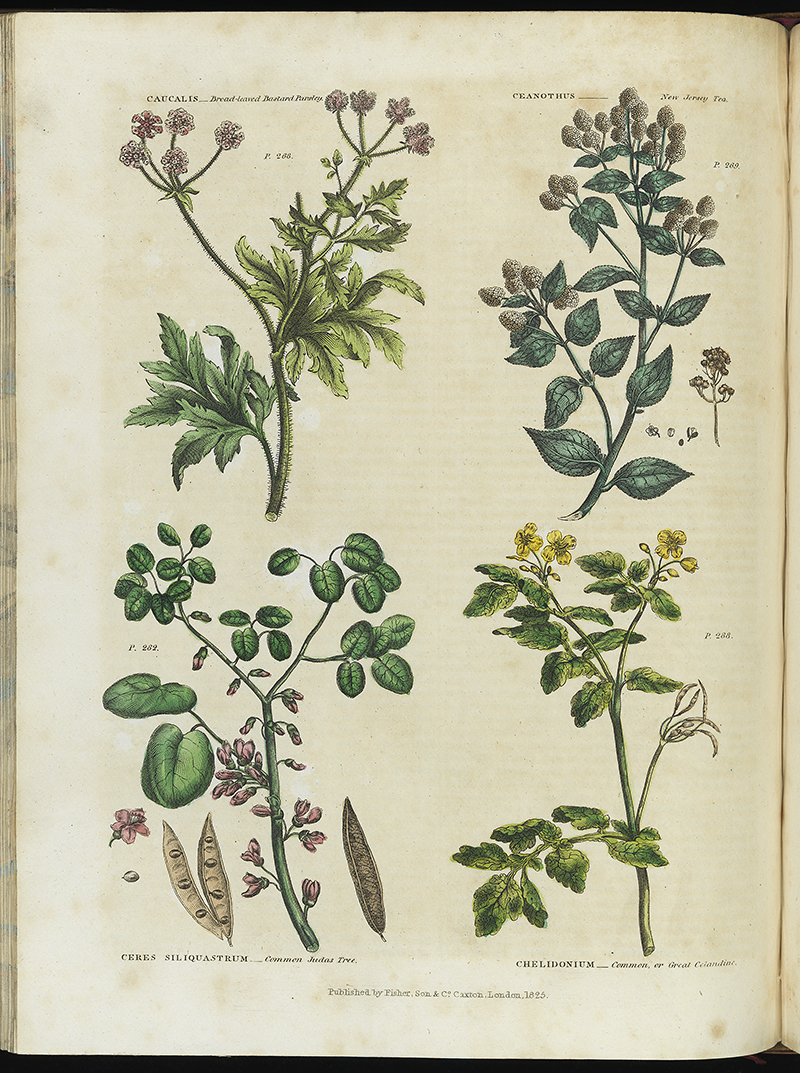
Fascinating book of the month requested for digitisation in the DIU goes to Thomas Greens “The Universal Herbal; or, botanical, medical, and agricultural dictionary. Containing an account of all the known plants in the world, arranged according to the Linnean system. With the best methods of propagation, and the most recent agricultural improvements.” The book is lyrically illustrated with basic but pragmatic hand colouring befitting it’s dictionary status. However it is a visually delicious looking two volume set with some unusual and intriguing entries as can be seen below. Broad-leaved Bastard Parsley is certainly a new one to me.
- Location Information:Main Library – Special Collections
- Shelfmark: K*.19.54-55
Malcolm Brown, Deputy Photographer
Casting in Retrograde
Deborah Marshall is a final year Sculpture student at Edinburgh College of Art. Deborah discusses her work for the ECA Degree Show 2014, which investigates the Cast Collection.
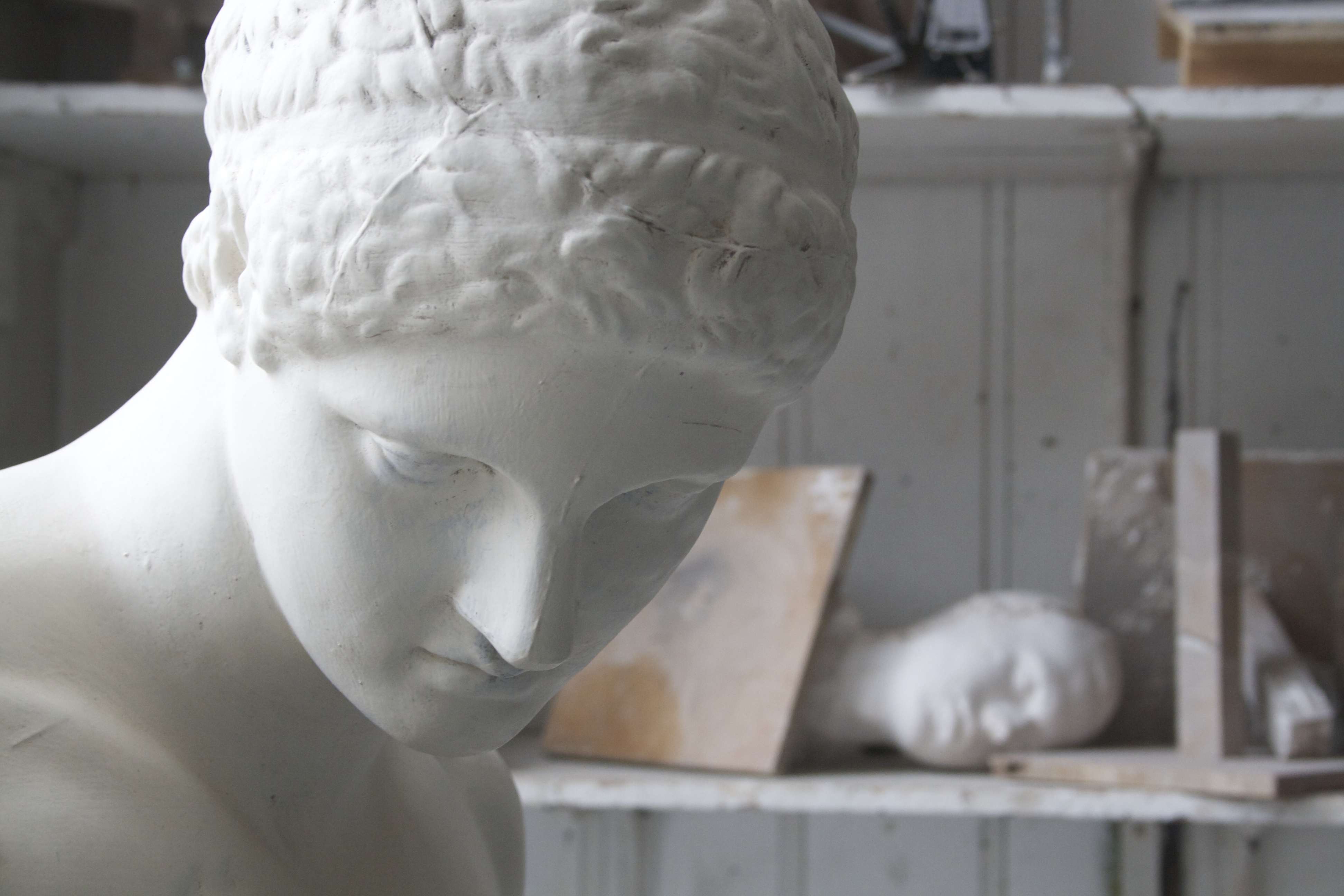
Casting in Retrograde – a diptych, 2014 is a work that connects and transposes the vast sculpture court and the diminutive casting room of ECA through the medium of sound. It emerged in response to a double opportunity – that of a live vocal performance in the sculpture court on the degree show opening night and the casting room as my show space for a yet to be conceived audio-based work.
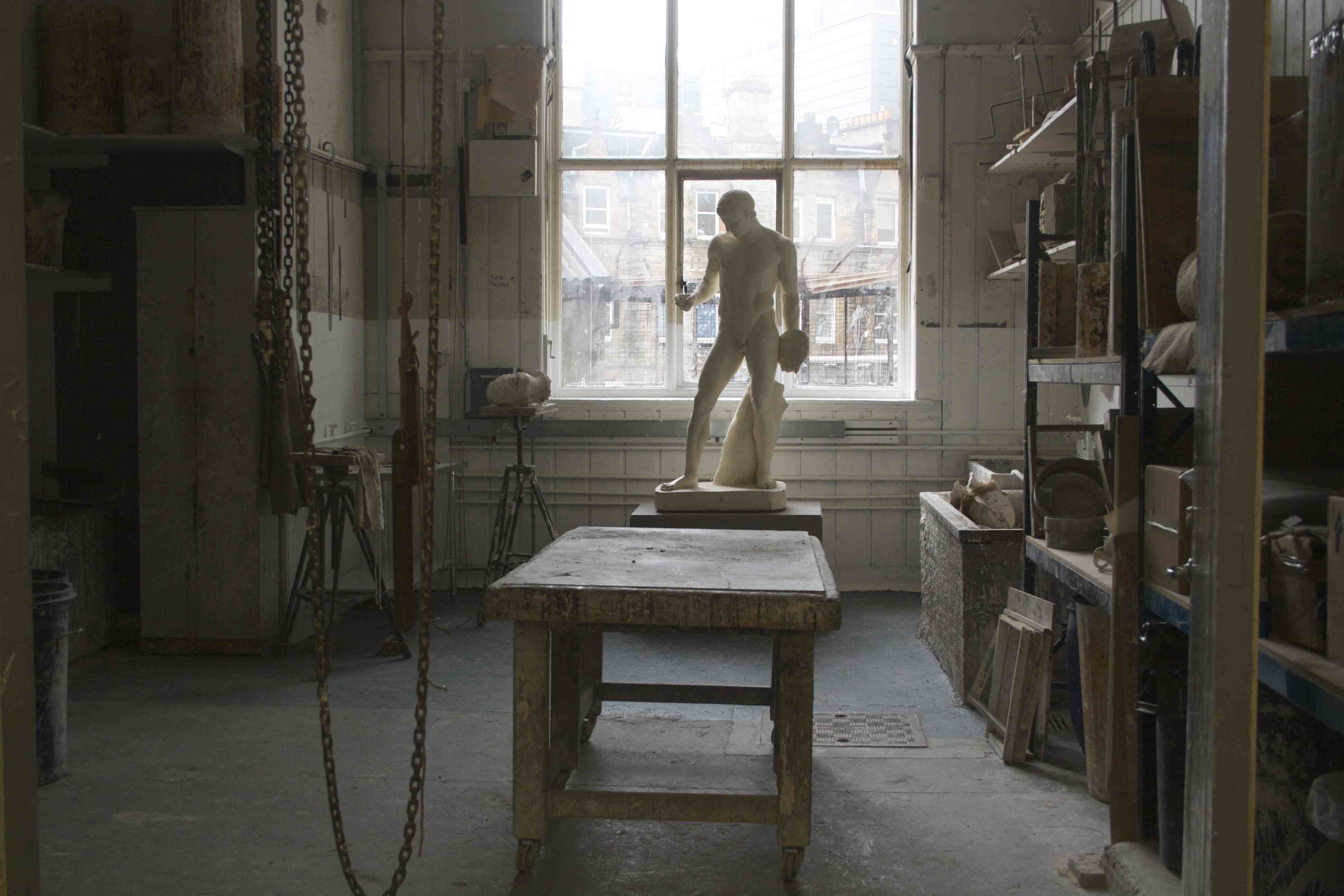
The placement of a figure from the cast collection within the casting room as part of the installation has brought the process of display, reserved for the sculpture court, into the space historically assigned for back-room production of cast works. Likewise, my recorded audio – an excerpt from Purcell’s Dido’s Lament, scored and sung in reverse as a six-part canon – that I performed and pre-recorded with an amateur choir in the beautifully resonant sculpture court – is now embedded in the tall but comparatively tiny casting room for continuous play-back. Through this score, with its references to antiquity via Virgil’s epic poem and Purcell’s Baroque reinterpretation, I am playing with ideas of direction, time, appropriation and narrative.
Importantly, on one level the work questions the place of an historic cast collection within the context of contemporary, conceptual art and its education. For much of my time at ECA, the casts, have seemed an historically interesting but largely architecturally and decoratively appropriate presence beyond the periphery of my current sculptural education – an anachronism in short.
It is curious then that the simple re-placement , or repositioning of the cast figure has proved so unexpectedly transformative both with regard to the evolution of this work, and to the place that is still the working casting room within the college. The installation, with its embedded audio and visual references to the timelessness of the casting process itself, has brought a meditative stillness to the room in which the presence of the past, in the form of the cast figure, is powerfully felt.
The live performance of the audio will be performed on the evening of 22nd May, 2014 in the sculpture court of ECA.
Deborah Marshall
New e-resources trials available
The Library has set up trial access to a number of online resources that may be useful for those studying politics and international relations. These include:
Declassified Documents Reference System
Allows researchers to easily and quickly access and review selected previously classified government documents. This digital collection fills an important gap in post-World War II domestic and foreign policy studies and provides unique opportunities for undergraduate and graduate comprehensive research in a rich primary source. In addition, it provides basic research for journalism, public policy studies, international law and security, and other disciplines. Available until 9th June 2014
Peace Research Abstracts
Includes bibliographic records covering essential areas related to peace research, including conflict resolution, international affairs, peace psychology, and other areas of key relevance to the discipline. The index contains more than 267,000 records which are carefully selected from the most important sources within the discipline, such as: Journal of Peace Research, Journal of Conflict Resolution, International Journal of Refugee Law, etc. Available until 12th June 2014
Yearbook of International Organizations Online
Compiled by the UIA (Union of International Associations) the Yearbook of International Organizations Online is the most comprehensive reference work and information resource on international non-profit organizations and associations worldwide. The Yearbook includes detailed descriptions of international organizations, and also includes relationships and cross-links with other listed international organizations. In addition, biographical information is provided on principal officers, as well as bibliographical information on the organization’s main publications and information services. Available until 9th June 2014.
Congressional Record 1789-1997
ProQuest Congressional is a comprehensive resource for all congressional activities, providing users access to the most comprehensive collection of historic and current congressional information available anywhere online. Available until 5th June 2014
Armed Conflict Database (ACD)
ACD monitors armed conflicts worldwide, focusing on political, military and humanitarian trends in current conflicts, whether they are local rebellions, long-term insurgencies, civil wars or inter-state conflicts. Available until 11th June 2014
PAIS International
This resource covers issues in the public debate through selective coverage of a wide variety of international sources including journal articles, books, government documents, statistical directories, grey literature, research reports, conference papers, web content, and more. PAIS International is the current file covering 1972 to present. Available until 13th June 2014.
Europa World Plus
Europa World Plus is the online version of the Europa World Year Book and the nine-volume Europa Regional Surveys of the World series. First published in 1926, the year book is renowned as one of the world’s leading reference works, covering political and economic information in more than 250 countries and territories. Available until 22nd June 2014.
These can all be accessed via the E-resources trials website: www.ed.ac.uk/is/databases-trials
There are feedback forms available and we would welcome feedback as this a key part of making a case to subscribe to resources like these.
Caroline Stirling – Academic Support Librarian for Social and Political Science
Researchers – what’s new for you from the Library
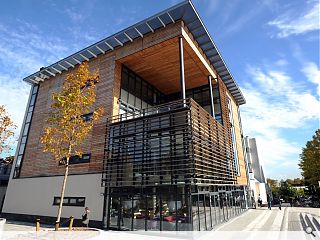
“Researchers – what’s new for you from the Library” is an event being held in the Murray Library at the King’s Buildings to highlight some recent developments in Library services and resources for researchers. Places are bookable for all University of Edinburgh staff and research postgraduates via MyEd (see booking links below) or just drop into the Murray Library Ground Floor. Coffee and buns will be available from 12.30.
When: Wednesday 28th May
Where: Murray Library, Ground floor
Programme of talks
Each session is 15 minutes each plus 5 minutes Q&A. Pick and choose which talks you fancy or come along to the whole event:
13:00 – 13.20 – Research Data Management https://www.events.ed.ac.uk/index.cfm?event=book&scheduleID=9667
13.30 – 13.50 – Open Access: an overview
https://www.events.ed.ac.uk/index.cfm?event=book&scheduleID=9669
14.00 – 14.20 – Post 2014 REF: Open Access requirements
https://www.events.ed.ac.uk/index.cfm?event=book&scheduleID=9670
14.30 – 14.50 – Library support for researchers – overview
https://www.events.ed.ac.uk/index.cfm?event=book&scheduleID=9671
15.00 – 15.20 – Centre for Research Collections: Science and Engineering historical collections
https://www.events.ed.ac.uk/index.cfm?event=book&scheduleID=9996
If you’ve not been along to the Murray Library before then this is a great excuse to come and check out the new building and it’s excellent facilities. Also, did we mention the free Tea/Coffee and Doughnuts?
Towards Molly*
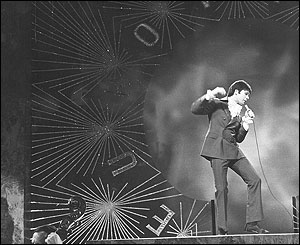
In this morning’s RLS team meeting, head of department Stuart Lewis laid down an unusual gauntlet: come up with blog posts related to (tomorrow’s) Eurovision Song Contest. Ever gluttons for punishment, we in the Library Digital Development team have attempted to trawl the collections looking for links. It’s fair to say that we’ve not done very well.
We started looking for unusual musical instruments in the MIMEd collection, but we can’t find any evidence of a pochette, serpent or ratchet ever having been used in Eurovision. We did find a harpsichord, but only in the orchestra pit of the 1969 event.
This, unfortunately, forces us to be particularly tenuous. Here’s a cringeworthy selection of links for you…
- Boom Bang-A-Bang! Here’s a link to our kettledrums.
- Puppet On A String? (if you only open one link, make it this one)
- We’ve got a barrel organ, which, looking at the selection of tunes it plays, is a veritable European jukebox.
- And, for no better reason than showing you this moonwalking Romanian chap, we also have some bagpipes.
Perhaps a more sensible angle would be to remind everyone that our musical instruments have undergone something of a Eurovision-esque journey, by virtue of their harvesting in the MIMO Project, joining up with representatives from juries in Sweden, France, Germany and Belgium, to name but a few. The vast majority of the instruments can now be found in Europeana, a resource which appeals to all continentophiles, and has everything you could wish for, bar the sarcastic Terry Wogan voiceover.
OK, that’s our attempt. Anyone care to top that? Enjoy yourselves tomorrow…
All at the Library Digital Development Team
* Allegedly, Molly is the name of this year’s UK entrant for Eurovision. Timely, eh?
…and if you’re STILL confused by the title, click here!
DISCLAIMER: Stay tuned for the full MIMEd collections in the new collections portal and LUNA imaging platform, which should arrive in the next few weeks!
Penguins and Social Life
Last year the Salvesen Collection, which has been in the possession of the University since 1969, was given permission to make the images publically available online for the first time. The collection description tells us that ‘the history of the firm of Christian Salvesen goes back to 1851 when Christian Salvesen arrived in Leith and set up in business as a ship owner and broker. Two years later he joined the Edinburgh merchant George Vair Turnbull, continuing in partnership with him until he went solo in 1872. Three of his sons, Thomas, Frederick and Theodor (http://images.is.ed.ac.uk/luna/servlet/s/we94g6) 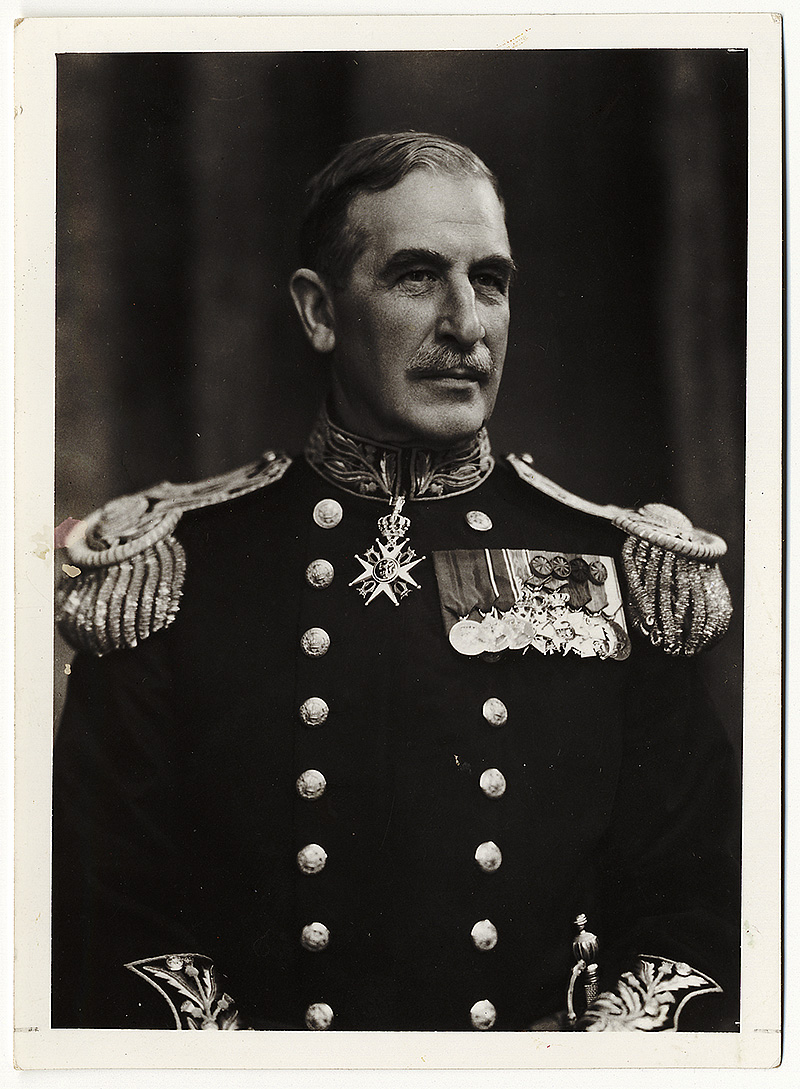 joined him in the business; the fourth, Edward, preferred a legal career which began with a law degree from the University of Edinburgh, and which culminated in his elevation to the College of Justice and the Bench as The Hon. Lord Salvesen (1857-1942)’.
Our collection of photographs and papers is largely about the company’s whaling concerns in South Georgia. So far only a small proportion of the photographs have been digitised- around 192, however they cover a wide range from landscapes and wildlife to the people and life at the Leith Harbour base in South Georgia .
Many of the images were digitised as an order for climatologists interested in comparing glaciers at the beginning of the 20th Century with their current state, http://images.is.ed.ac.uk/luna/servlet/s/1co9ui. 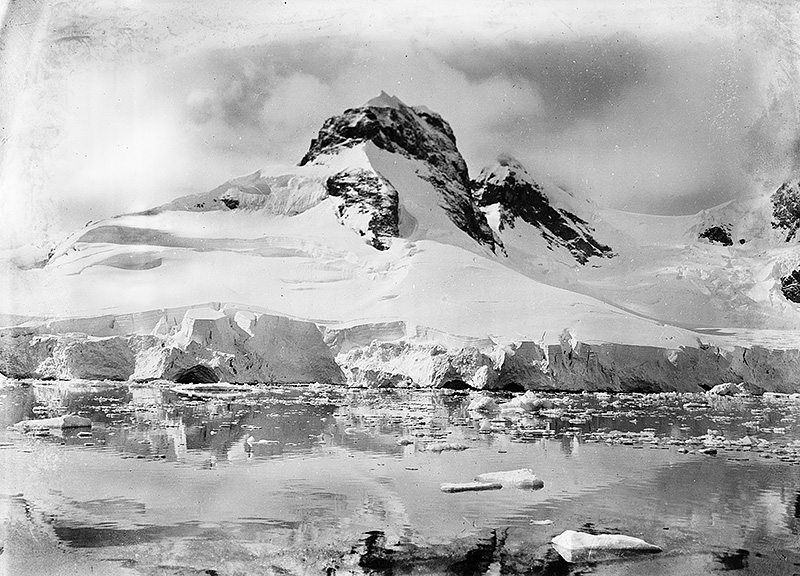 Although some are faded and damaged, they still convey the awe inspiring nature of the Islands http://images.is.ed.ac.uk/luna/servlet/s/d9e4lj
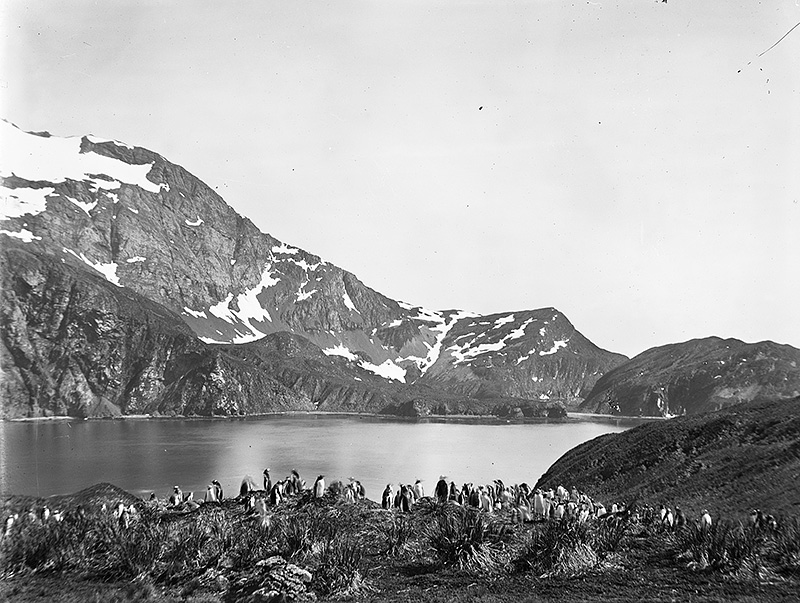
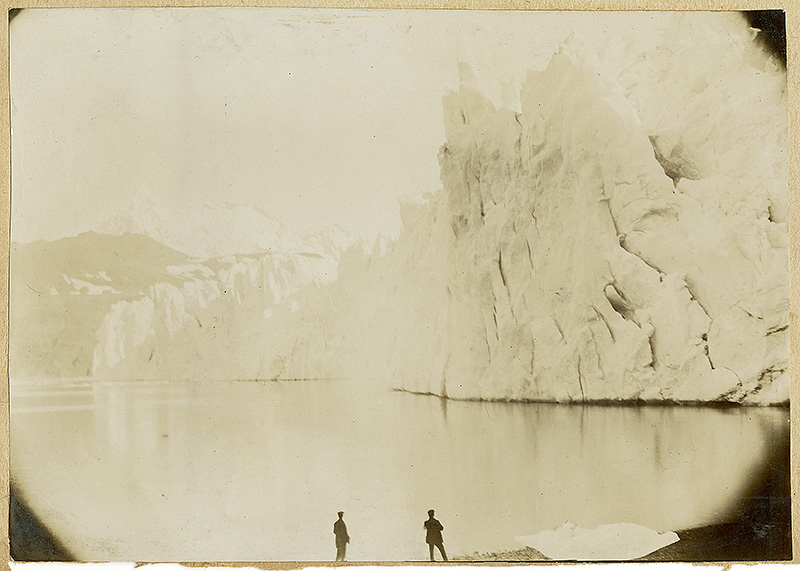
Perhaps the most touching images are of the hardy people who worked in this cold and remote outpost http://images.is.ed.ac.uk/luna/servlet/s/0q75b4.
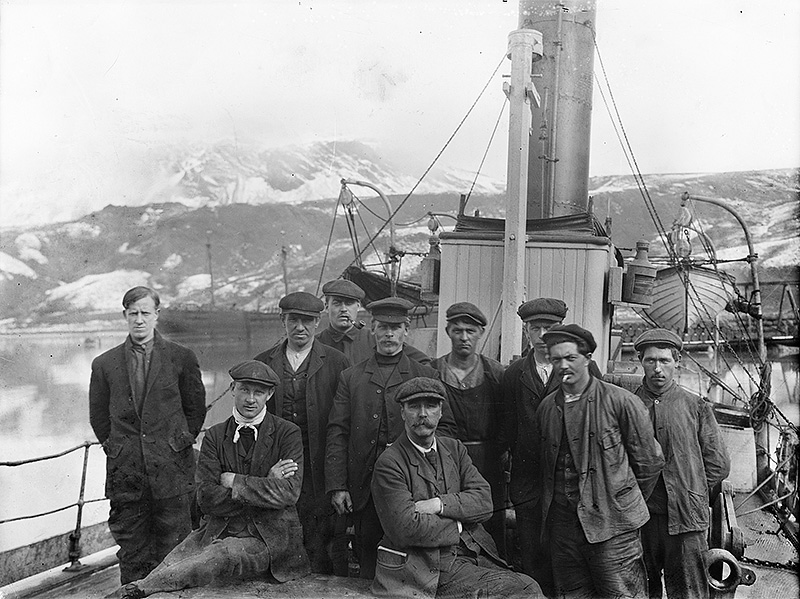
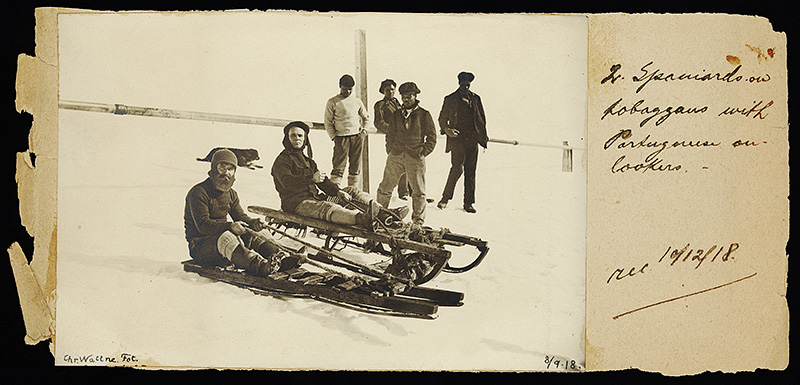
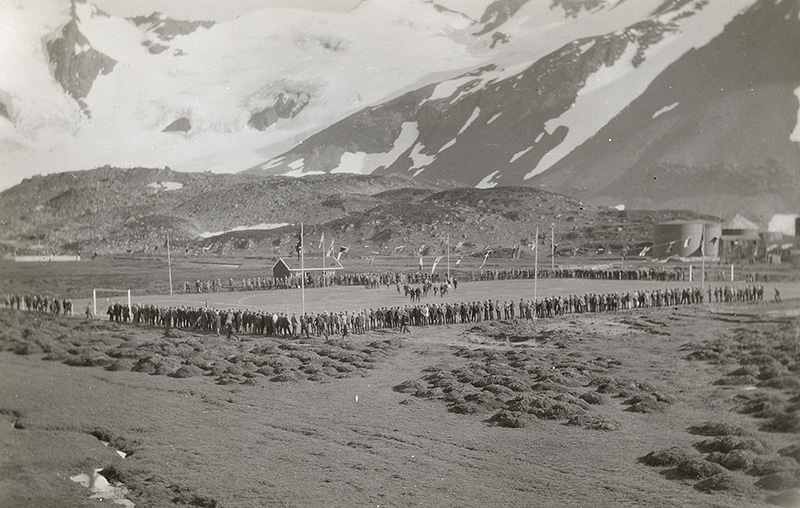
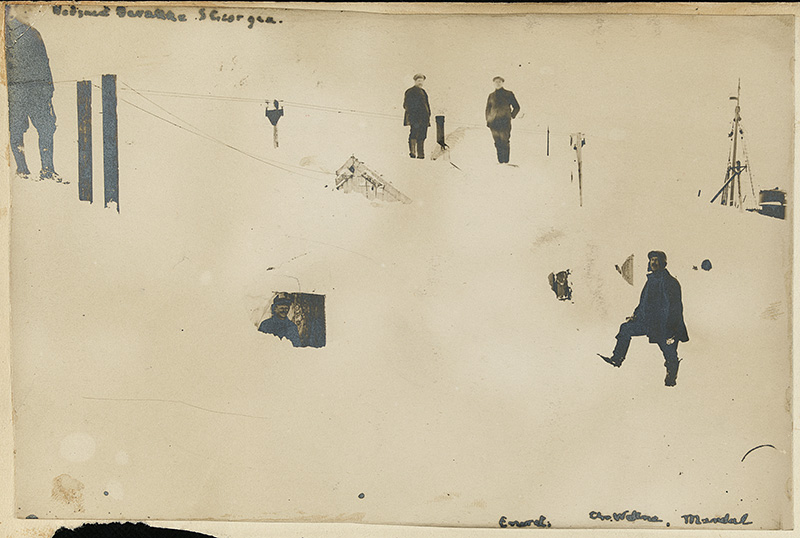
From the light hearted shots of sledging http://images.is.ed.ac.uk/luna/servlet/s/c6e03o and football http://images.is.ed.ac.uk/luna/servlet/s/bs1r73 (I love that this photo came from an envelope entitled ‘Penguins and Social Life’), to coping with the extreme weather encountered only a little to the north of Antarctica. While some of the snow fall photos have an element of humour to them, like “The Old Powerhouse surrounded in 6″ of snow, had to be removed to fire the chimney, Dec 10/12/18” – remember that December is summer for South Georgia http://images.is.ed.ac.uk/luna/servlet/s/56h599 .
Others are far more shocking. The season of 1929-30 appears to have been one of the worst- an old news clipping shows the damage to one of the giant vats in the harbour, a note with the photo reads “Power of the Wind. Oil tank in Leith Harbour pressed together by the wind. I saw it happen” http://images.is.ed.ac.uk/luna/servlet/s/rm184k . 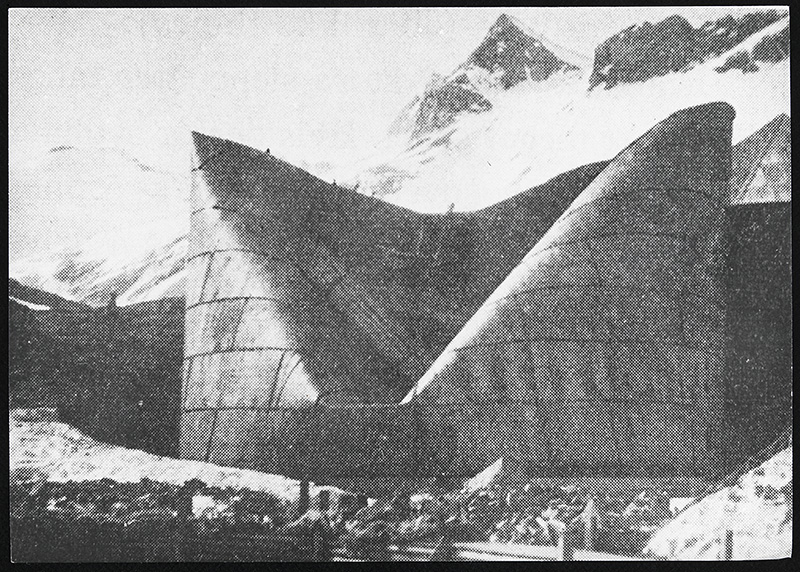 In the same season an avalanche hit the base with devastating consequences. This blurred and grainy photograph shows the wreckage of the Foundry http://images.is.ed.ac.uk/luna/servlet/s/zysa4o and the next reveals the human cost http://images.is.ed.ac.uk/luna/servlet/s/f8akdg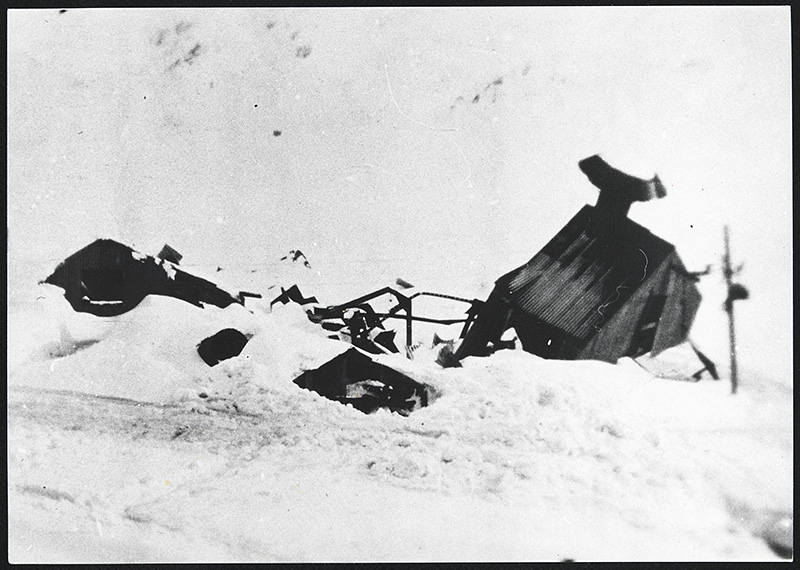
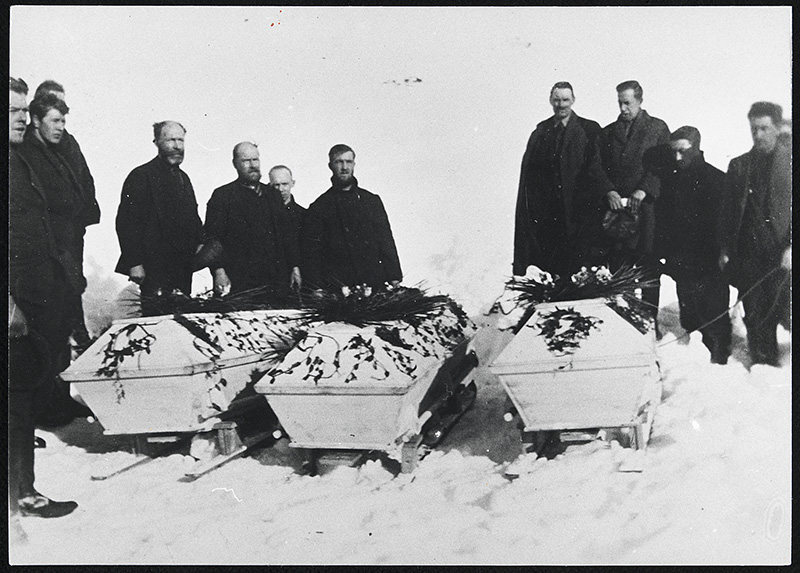
For more than 50 years the Leith Station battled both the elements and tough working conditions (see http://en.wikipedia.org/wiki/South_Georgia_and_the_South_Sandwich_Islands ) surviving avalanches and fires http://images.is.ed.ac.uk/luna/servlet/s/9e14c2 . 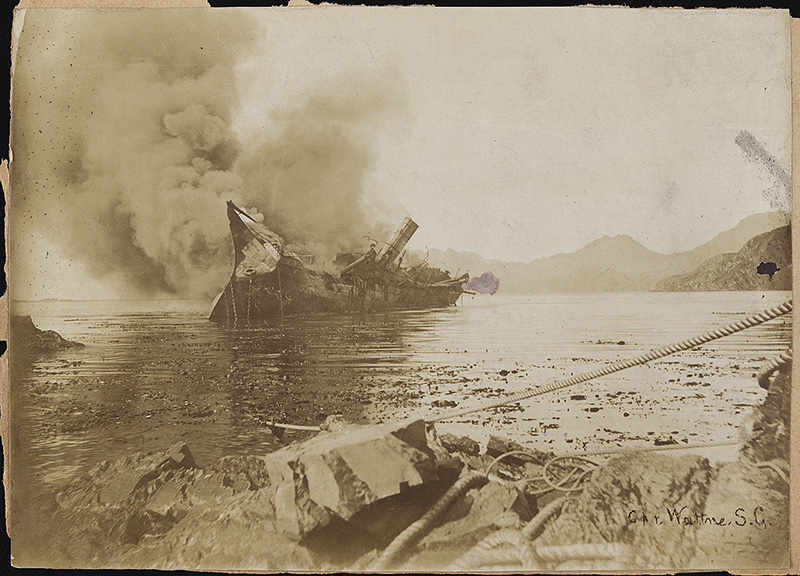
Throughout it all they documented their lives, challenges and environment. Although whaling has thankfully had its day, I’m glad they have left this wonderful resource for us all http://images.is.ed.ac.uk/luna/servlet/s/5dhlh7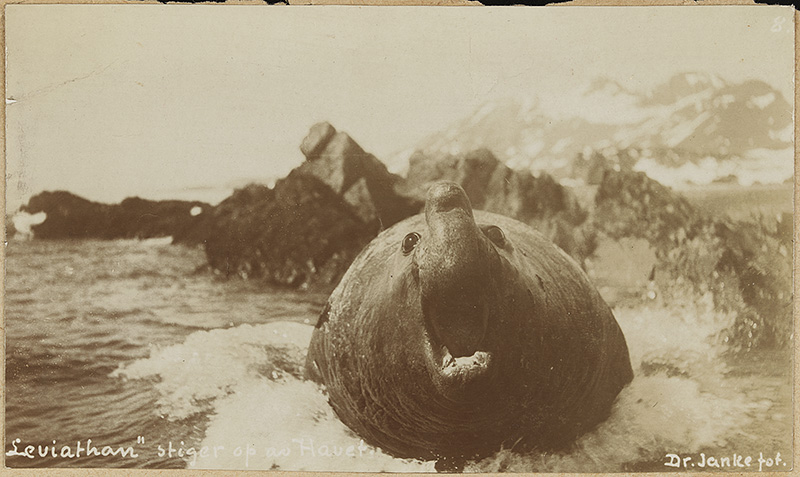
Susan Pettigrew, Photographer
Imagining Noah’s Ark : Special Collections on display at New College Library
Noah’s Ark has been in the news lately with the recent block buster film Noah. Currently on display in the entrance to New College Library is a nineteenth-century imagining of Noah’s Ark, in a work by Edward Wells (1667–1727), a Church of England clergyman and educationist.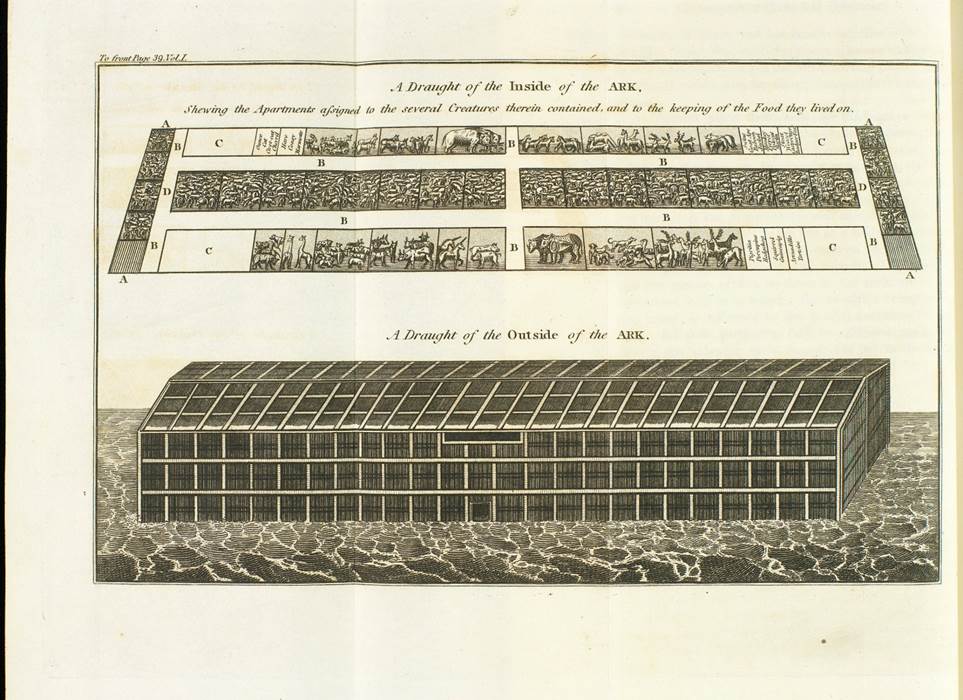
This image from An historical geography of the Old and New Testament (1809) shows a fold out engraved illustration of the ‘Inside of the Ark‘. Wells has attempted to provide a rational plan of how all the animals required could be fitted into Noah’s Ark. The text on adjoining pages details the precise numbers and nature of the species considered to be housed in each area.This book is part of the Natural History Collection at New College Library, numbering about 175 books. This dates from the early days of New College, where ‘Natural Science’ was taught until 1934. The collection includes examples of the mid-nineteenth century controversies over evolution and natural selection, with geology particularly well represented. The collection was catalogued online as part of the Funk Projects.
Christine Love-Rodgers, Academic Support Librarian – Divinity
Finding love in the Library – new books at New College Library in May

 Love is in the air this month in the new books coming into New College Library. Currently in our new books display is Love online by Jean-Claude Kaufmann ; translated by David Macey edited by Andrew Crome and James McGrath at HQ801.82 Kau. Also new is Has marriage for love failed? by Pascal Bruckner ; translated by Steven Rendall and Lisa Neal at HQ503 Bru.
These titles were purchased for Theology & Ethics at the School of Divinity, Edinburgh University.
New College Library has a regular display of new books at the far end of the Library Hall, close to the door to the stacks.You can see an regularly updated list of new books for New College Library on the Library Catalogue – choose the New Books Search and limit your search to New College Library. Here’s a quick link to new books arriving in the last few weeks. A word of caution – some of the books listed here may still be in transit between the Main Library (where they are catalogued) and New College Library, so not on the shelf just yet.
Christine Love-Rodgers, Academic Support Librarian – Divinity
Library Placement Student
Stefanie has been working with us for a few weeks on a placement as part of her PG course in Library and Information Studies at Robert Gordon University. Here she tells us about her experience of working with the Scholarly Communications Team.
I arrived for my placement with the Scholarly Communications Team filled with elements of isolated theoretical knowledge and the notion that the library profession was undergoing drastic changes. In the course of the placement learned much about the applicability of my course modules, the profession and my future professional goals.
The opportunity to work with PURE from the very first day gave me the impression that I could positively contribute to the team’s daily work rather than being a distraction. The correction and updating of metadata may not be the most exciting duty but I enjoy detail-oriented work and it is a very vital part of information management and library work. It was a task that allowed me to work largely independently following the initial introduction. Additionally, the digitization project provided a nice counterpoint to the PURE task. Much library work seems to be centred on comparable projects with staff often working on several such projects at any given time.
At the start of the project, its purpose and goal were clearly explained, I was introduced to the relevant staff members and given an introduction to the equipment. This was quite useful as it provided the necessary information for a successful start but left me free to test my project management skills. Guidance and support in my PURE tasks and the digitization project were also just one question away giving me the confidence to apply the theoretical skills acquired throughout the course modules in a practical manner.
Dominic did a fantastic job arranging personal interviews with numerous staff from Research & Learning Services as well as Library & University Collections. I learned so much through these interviews that I could feel an entire report with it. The information and knowledge that everyone so willingly shared with me (Thank you!) has contributed immensely to my newly constructed view of the expanding rather than changing role of the library profession. Every interview echoed different bits and pieces of the theoretical knowledge from my course modules. This truly stressed the fact that no one is just a cataloguer or a metadata specialist. For a large information/library department such as the University of Edinburgh’s IS to work effectively, everyone must make use of numerous different skills and be willing to work across departments on various projects whilst still accomplishing the routine day-to-day tasks of the official job title.
I want to thank everyone for their time and generosity throughout my placement. The placement has made it possible for me to realize that I do not have to choose one particular aspect of the information management and library profession. The knowledge acquired on the course joins well with my previous education and experience opening the doors to wide variety of possible positions in the profession with many more opportunities awaiting in the form of small and large projects.
I can only hope that I was able to return the favour in small part and contribute positively to the work of the Scholarly Communications team.
Collections
 Hill and Adamson Collection: an insight into Edinburgh’s past
My name is Phoebe Kirkland, I am an MSc East Asian Studies student, and for...
Cataloguing the private papers of Archibald Hunter Campbell: A Journey Through Correspondence
My name is Pauline Vincent, I am a student in my last year of a...
Hill and Adamson Collection: an insight into Edinburgh’s past
My name is Phoebe Kirkland, I am an MSc East Asian Studies student, and for...
Cataloguing the private papers of Archibald Hunter Campbell: A Journey Through Correspondence
My name is Pauline Vincent, I am a student in my last year of a...
Projects
Cataloguing the private papers of Archibald Hunter Campbell: A Journey Through Correspondence
My name is Pauline Vincent, I am a student in my last year of a...
Archival Provenance Research Project: Lishan’s Experience
Presentation My name is Lishan Zou, I am a fourth year History and Politics student....