Home University of Edinburgh Library Essentials
April 6, 2026
Business Expert Press – New E-Books

We recently purchased 235 e-books from Business Expert Press and these have now been added to DiscoverEd. See the title list here.
Further info
Further information about our e-books is available from http://www.ed.ac.uk/information-services/library-museum-gallery/finding-resources/ebooks
If a book you require is not held by the library, please visit our Library Resources Plus webpage.
Classical Scores Library: Volumes III and IV
 We have trial access to Classical Scores Library: Volumes III and IV until the 1st November.
Vol.III of Alexander Street’s Classical Scores Library series brings together 400,000 additional pages of in-copyright editions from composers worldwide. The collection provides editions from major publishers like Chester Music, Novello & Company, Faber Music, Wilhelm Hansen, Donemus, and others. It provides expanded coverage of great choral works and instrumental scores for brass, woodwind, and other instrument groups.
Vol.IV of Alexander Street’s Classical Scores Library series places particular focus on canonical contemporary composers from the 20th and 21st centuries. With many scores newly digitized for the academic market, or licensed directly from the composers themselves, music scholars and faculty will find Classical Scores Library: Volume IV to be a reliable source for authoritative scores of the classical canon, as well as a resource for the discovery and dissemination of lesser-known contemporary works.
Access this trial via the E-Resources Trial Webpage or DiscoverED where the first two volumes of the Classical Scores library can also be found – search for “Music & Performing Arts”
Feedback and further info
We are interested to know what you think of this e-resource as your comments influence purchase decisions so please do fill out our feedback form.
A list of all trials currently available to University of Edinburgh staff and students can be found on our trials webpage.
Trial Access to Christian-Muslim Relations Vol. 1 and Vol.2
 Christian-Muslim Relations, a Bibliographical History Online Vol.1 is a general online history of relations between the faiths. It covers the period from 600 to 1500, when encounters took place through the extended Mediterranean basin and are recorded in Syriac, Arabic, Greek, Latin and other languages. Christian Muslim Relations Online comprises introductory essays on the treatment of Christians in the Qur’an, Qur’an commentaries, biographies of the Prophet, Hadith and Sunni law, and of Muslims in canon law, and the main body of more than two hundred detailed entries on all the works recorded, whether surviving or lost.
 Christian-Muslim Relations, a Bibliographical History Online Vol.2 is a general history of relations between the two faiths as this is represented in works written by Christians and Muslims about the other and against the other. It covers all parts of the world in the period 1500-1914. Christian-Muslim Relations, a Bibliographical History Online comprises thousands of comprehensive entries on individual works and their authors, together with introductory essays to the periods and areas covered, making it the fullest available source in this field.
Access both of these resources via DiscoverEd or our Trials Webpage until the 31st October.
Feedback and further info
We are interested to know what you think of this e-resource as your comments influence purchase decisions so please do fill out our feedback form.
A list of all trials currently available to University of Edinburgh staff and students can be found on our trials webpage.
Charles Oppenheimer (1875-1961), craftsman, artist
140th ANNIVERSARY OF HIS BIRTH
THE EVE OF SAINT AGNES – RECENT ACQUISITION AT CENTRE FOR RESEARCH COLLECTIONS, EDINBURGH UNIVERSITY LIBRARY
 Saturday 10 October 2015 marks the 140th anniversary of the birth of Charles Oppenheimer, craftsman and artist. Oppenheimer was born in Chorlton-upon-Medlock, Manchester, on 10 October 1875. He was a prize-winning student at Manchester School of Art, and his first picture was exhibited at the Manchester Academy of Fine Arts in 1894. His studies also took him to Italy.
 After marriage in 1903, and after discovering – for him anyway – the acceptable light of Kirkcudbright he moved with his wife to Scotland in 1908 joining other artists in this community in south-western Scotland. By this time Oppenheimer had established himself, having exhibited his first picture at the Royal Academy, London, in 1906.
 Other works over six decades include: The Lion of St. Mark, Venice, exhibited 1898, and illuminated manuscript of the poem by John Keats The Eve of St. Agnes (c. 1901), Kircudbright Harbour (c. 1910), Kirkcudbright (c. 1913), Verona (1914), Morning mist – Lake of Lugano (c. 1925), Siena at dusk (c. 1929), San Francesco, Assisi (1930s), and Blossom, Buckland Burn (c. 1940).
Recently, Edinburgh University Library acquired the illuminated handwritten manuscript crafted by Charles Oppenheimer of the poem The Eve of Saint Agnes, by John Keats. The bound volume is of thirteen pages of vellum – ‘a prodigious piece of work’ – and demonstrates Oppenheimer’s craftsmanship, skill and drawing. It is not known whether the item was a commission, an academic exercise or business sample.

Saint Agnes, from ‘The Eve of Saint Agnes’, Charles Oppenheimer, 1901
Saint Agnes’ Eve – Ah, bitter chill it was! The owl, for all his feathers, was a-cold… stanza 1
The Eve of Saint Agnes was written by John Keats in 1819 and it was published in 1820, becoming one of his finest poems. Keats based his poem on the superstition that a girl could see her future husband in a dream if she performed certain rites on the eve of St. Agnes. In the 42-stanza poem we meet an old man of prayer (a beadsman), many an amarous cavalier, Madeline, old Angela, and Porphyro.
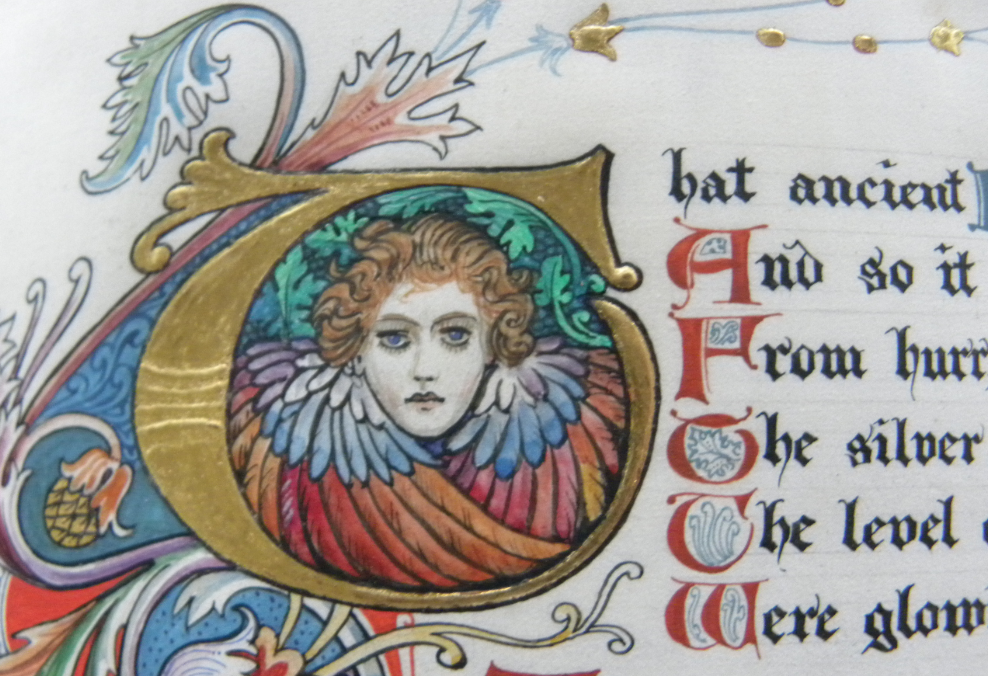
Carved angel, from ‘The Eve of Saint Agnes’, Charles Oppenheimer, 1901
The carved angels, ever eager-eyed, stared, where upon their heads the cornice rests… stanza 4

Young Porphyro, from ‘The Eve of Saint Agnes’, Charles Oppenheimer, 1901
Meantime, across the moors, had come young Porphyro, with heart on fire for Madeline… stanza 9
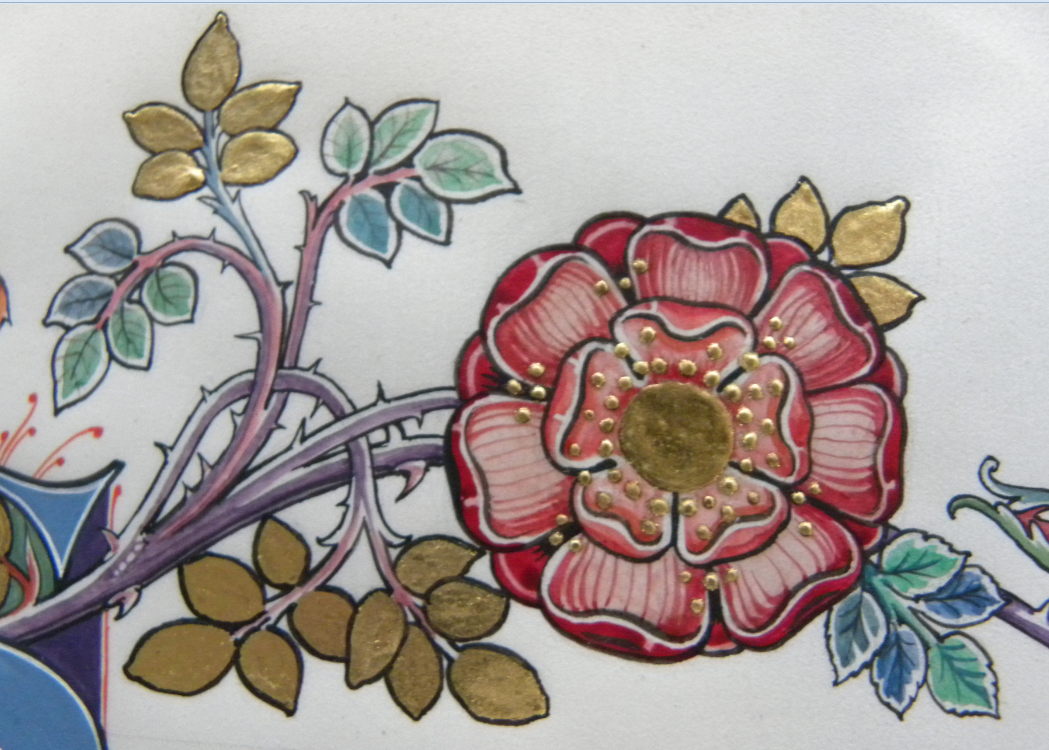
Full-blown rose, from ‘The Eve of Saint Agnes’, Charles Oppenheimer, 1901
Sudden a thought came like a full-blown rose, flushing his brow, and in his pained heart made purple riot… stanza 16
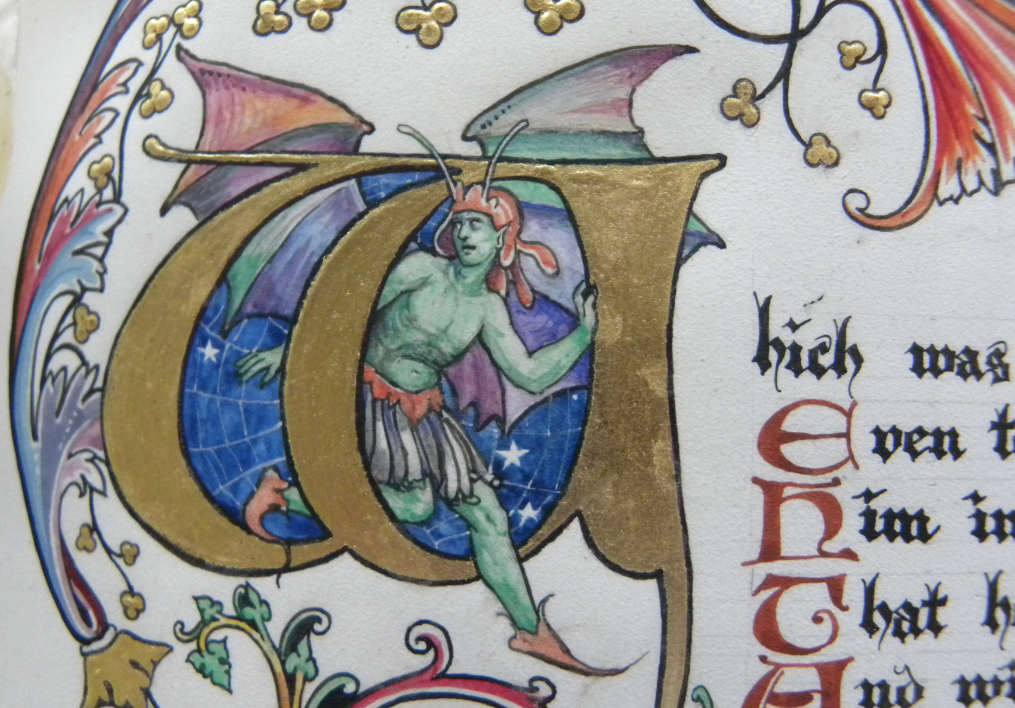
Legioned fairy, from ‘The Eve of Saint Agnes’, Charles Oppenheimer, 1901
While legioned fairies paced the coverlet, and pale enchantment held her sleepy-eyed… stanza 19
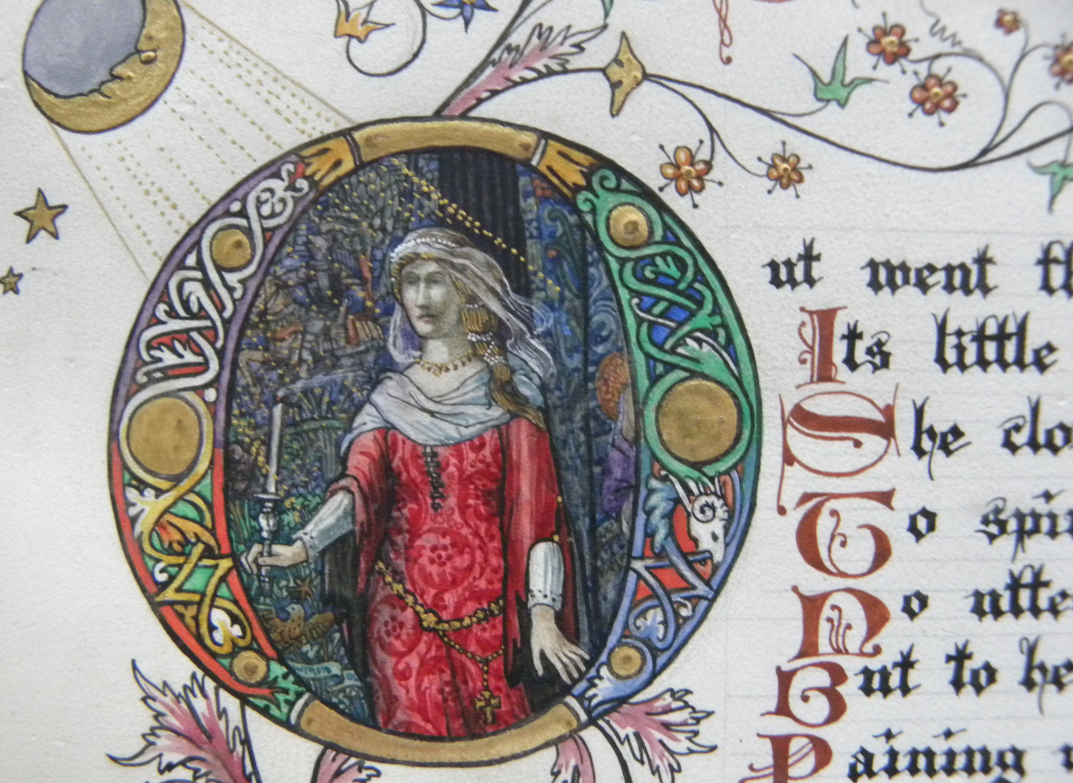
Out went the taper, from ‘The Eve of Saint Agnes’, Charles Oppenheimer, 1901
Out went the taper as she hurried in; its little smoke, in pallid moonshine died… stanza 23
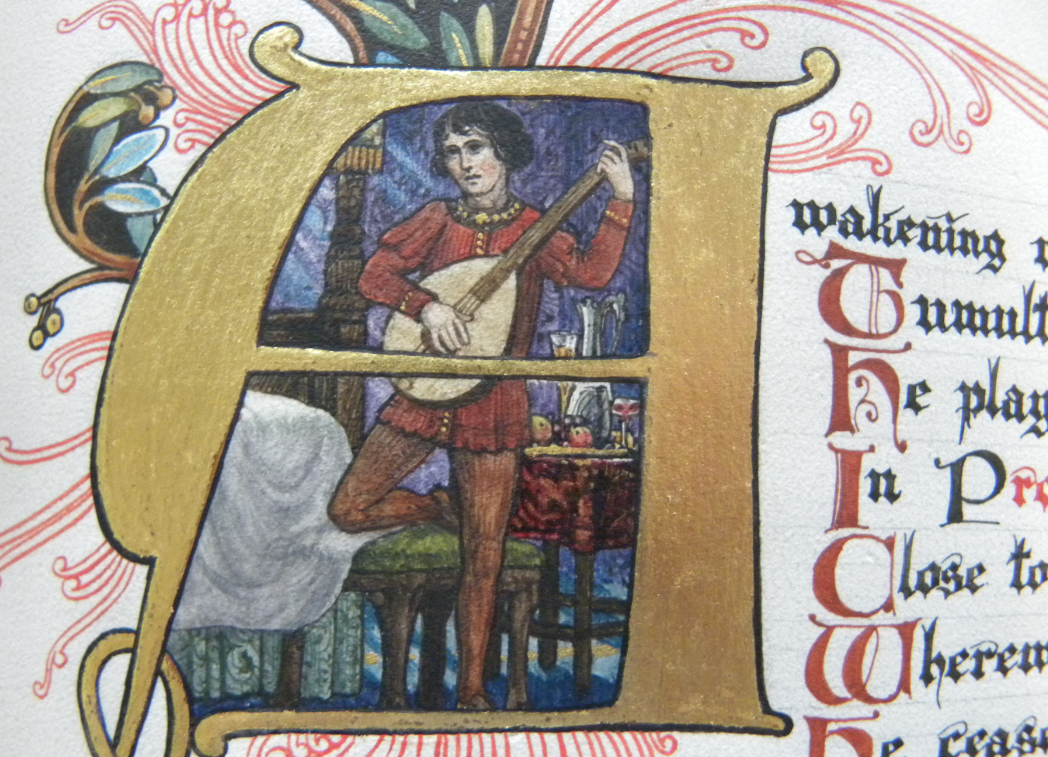
Hollow lute, from ‘The Eve of Saint Agnes’, Charles Oppenheimer, 1901
Awakening up, he took her hollow lute – tumultuous – and, in chords that tenderest be, he played an ancient ditty… stanza 33
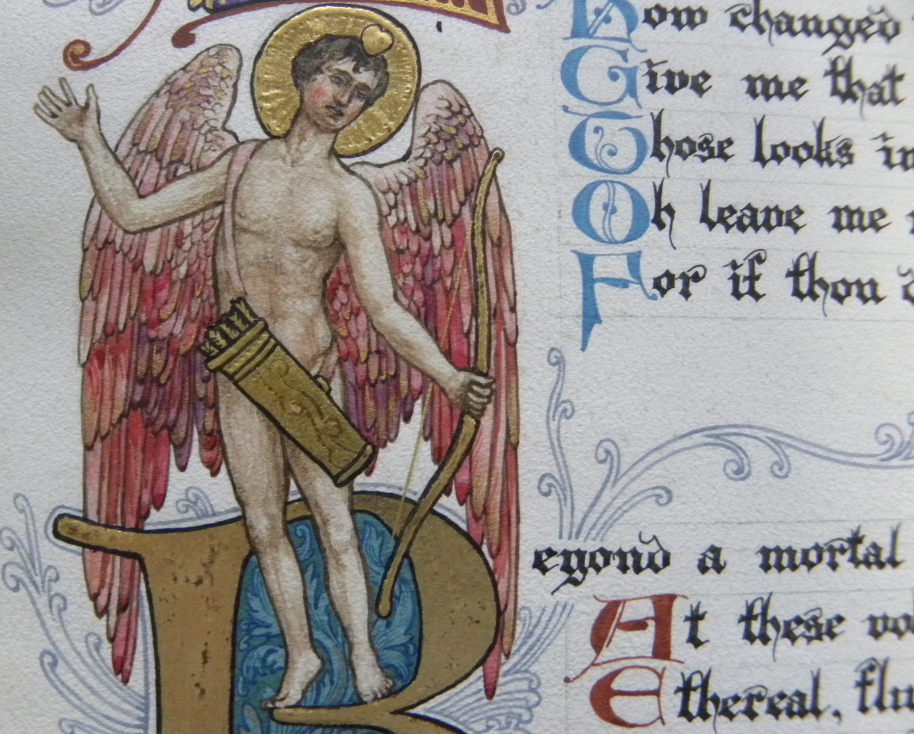
My Porphyro…ethereal, from ‘The Eve of Saint Agnes’, Charles Oppenheimer, 1901
At these voluptuous accents, he arose, ethereal, flushed, and like throbbing star… stanza 36

Down the dark stairs a darkling way they found, from ‘The Eve of Saint Agnes’, Charles Oppenheimer, 1901
They glide, like phantoms, into the wide hall; like phantoms, to the iron porch, they glide… stanza 41
 Charles Oppenheimer exhibited at the Royal Academy in London, the Royal Scottish Academy, at the Royal Scottish Academy of Painters in Watercolours (RSW), at the Royal Glasgow Institute of Fine Arts, the Aberdeen Artists’ Society, and in Liverpool. He designed a number of posters for Britain’s railways, depicting local beauty spots, and he also designed the badge and motto ‘Sempere Vigilo’ of the Scottish Police Force (now Police Scotland).
Charles Oppenheimer died in Kirkcudbright on 16 April 1961.
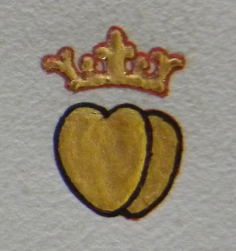
Detail at stanza 42, from ‘The Eve of Saint Agnes’, Charles Oppenheimer, 1901
Dr. Graeme D. Eddie, Assistant Librarian Archives & Manuscripts, Centre for Research Collections, Edinburgh University Library
The following work was referred to in the creation of this blog-post:
Charles Oppenheimer. From craftsman to artist, by Euan Robson. Edinburgh: Atelier Books, 2012.
National Poetry Day : video clips / audio recordings of poets reading their own works from Literature Online!
Today, Thursday 8 October 2015, marks the 21st anniversary of National Poetry Day. Why not watch some video clips or listen to some audio recordings of modern and contemporary poets reading their own works as well as works of others through Literature Online that the University Library subscribes to.
Literature Online contains the following vast amount of poetry material, national and international, in text and multi-media formats:
- Poets On Screen [880 clips] — 880 video clips of poets reading their own and other poets works.
- Poetry Archive Audio [921 poems] — 921 links to poetry readings at The Poetry Archive, containing high quality historic audio recordings of poets reading their own works.
Literature Online also provides access to the full-text of 10,161 volumes of poetry by 2,820 authors:
- Anglo-Saxon Poetry, 600-1100 (7 volumes by 6 authors)
- Renaissance English Poetry, 1500-1660 (1748 volumes by 627 authors)
- Poetry of the American Colonial Period, 1607-1765 (37 volumes by 21 authors)
- Poetry of the Revolutionary and Early American Period, 1765-1830 (276 volumes by 69 authors)
- Poetry of the American Romantic and Realistic Periods, 1830-1900 (1239 volumes by 192 authors)
- American Poetry of the Modernist Period, 1899-1945 (347 volumes by 145 authors)
- Irish Poetry, 1582-present (562 volumes by 136 authors)
- Poetry from Scotland, 1376-present (710 volumes by 198 authors)
- Poetry from Wales, 1544-present (113 volumes by 32 authors)
- South African Poetry, 1834-present (26 volumes by 17 authors)
- Poetry from South Asia, 1828-present (25 volumes by 16 authors)
- Poetry from Australia and New Zealand, 1823-present (224 volumes by 79 authors)
- Canadian Poetry, ca.1610-present (744 volumes by 169 authors)
- Caribbean and West Indian Poetry, 1832-present (34 volumes by 18 authors)
- Major Anthologies of English Poetry (6 volumes)
Also reference works:
- Encyclopedia of American Poetry: The Nineteenth Century
- The New Princeton Encyclopedia of Poetry and Poetics
Enjoy!
E-Resource Trial – Arkyves
 Arkyves: A Reference tool for the History of Culture is a database, treasure trove and toolbox for those interested in the History of Culture. It is a single access point for thematic searches across a wide variety of cultural heritage collections, contributed by partners like the Dutch Rijksmuseum, the Netherlands Institute for Art History, the Herzog August Bibliothek, and the university libraries of Milan, Utrecht, Glasgow, and Illinois. Ordering and re-ordening motifs, themes, stories and iconographic details in kaleidoscopic fashion, Arkyves will make you find many things you did not realize you were looking for.
Access Arkyves on campus or off campus via the VPN until the 31st October. Click the login box at the top right of the Arkyves website to enter the database. This database has also been added to DiscoverEd for the duration of the trial.
Feedback and further info
We are interested to know what you think of this e-resource as your comments influence purchase decisions so please do fill out our feedback form.
A list of all trials currently available to University of Edinburgh staff and students can be found on our trials webpage.
Update: We have now subscribed to this resource
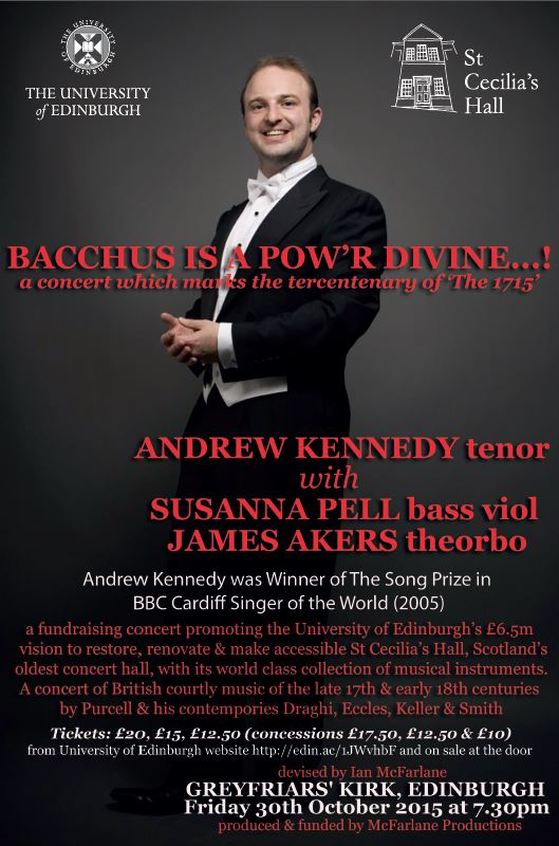
Concert to raise money for St Cecilia’s Hall Redevelopment
Bacchus is a pow’r divine…! is a fundraising concert starring Andrew Kennedy, Winner of the Song Prize in BBC Cardiff Singer of the World (2005), which promotes the University of Edinburgh’s £6.5m vision to restore, renovate & make accessible St Cecilia’s Hall, Scotland’s oldest concert hall, with its world famous collection of musical instruments.
Click HERE for tickets.
(VIDEO) Back to the Statistical Future
A few weeks ago, we took the Statistical Accounts to the Edinburgh Fringe as part of the Beltane network’s Cabaret of Dangerous Ideas. Board member Helen Aiton and EDINA’s Nicola Osborne wrote and presented ‘Back to the Statistical Future’, a delorian-powered tour that brought to light some uncanny parallels between the historical world of the accounts and contemporary Scotland. We posted about the show at the time, and we’re now pleased to be able to make this recording available.
We hope the video will give you a sense of the rich historical detail to be found in the accounts and prompt you to browse the service to find out more!
We’re keen to introduce as many audiences as possible to the unique resource that is the Statistical Accounts of Scotland: if you’d be interested in having us come along and talk at an event you are organising, please get in touch.
Jon Schueler
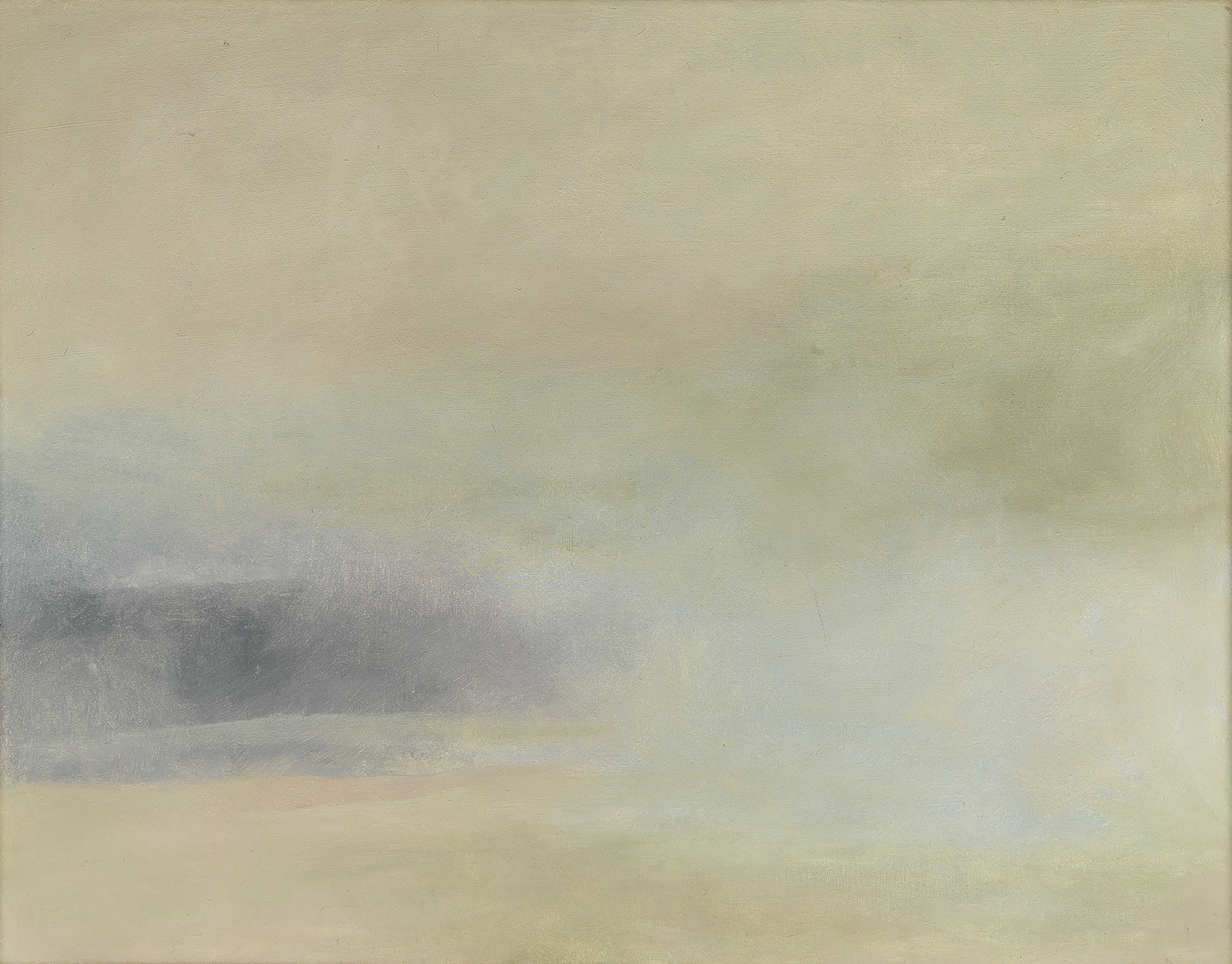
Jon Schueler
Magda Series, 9: June Light (o/c 117)
1970-1971
© Jon Schueler Estate
“When I speak of nature I am speaking of the sky. And when I think of the sky I think of the Scottish sky over Mallaig.”
The University Art Collection received a significant donation over the summer of two paintings by the American artist Jon Schueler. Born in Milwaukee, he studied at the California School of Fine Arts from 1949-51 and later moved to New York. The cultural significance and influence of New York in the 1950s is immense and whilst in the city, Schueler was introduced to figures such as Jackson Pollock and Mark Rothko and was considered very much part of the New York School.
Schueler’s practice diverged somewhat from his peers after a formative visit to Scotland in 1957, specifically to Mallaig. The landscape and weather of the west coast of Scotland had a profound effect on Schueler and this influence can be seen throughout the works of the 1960s. Schueler returned to Mallaig in 1970, this time staying this time for 5 years. He subsequently visited Mallaig every year until his death in 1992.
Schueler is considered part of the American Abstract Expressionism movement, but his work is firmly rooted in nature. The works influenced by Scotland have a palpable sense of the west coast, its unpredictable weather and brooding skies.
In 1981, Schueler exhibited at the Talbot Rice Gallery for their Festival exhibition. In the show, the gallery was turned into a huge studio and visitors were able to watch the artist at work. Therefore, for the University and the history of exhibitions here, Jon Schueler is a particularly important artist. We are delighted to accept these paintings into the collection, as an artist of great importance with a link to Edinburgh is now represented in the collection.
As well as the University Art Collection, Schueler’s work is in the collections of the Whitney Museum in New York, the Cleveland Museum of Art, National Gallery of Australia and Scottish National Gallery of Modern Art.
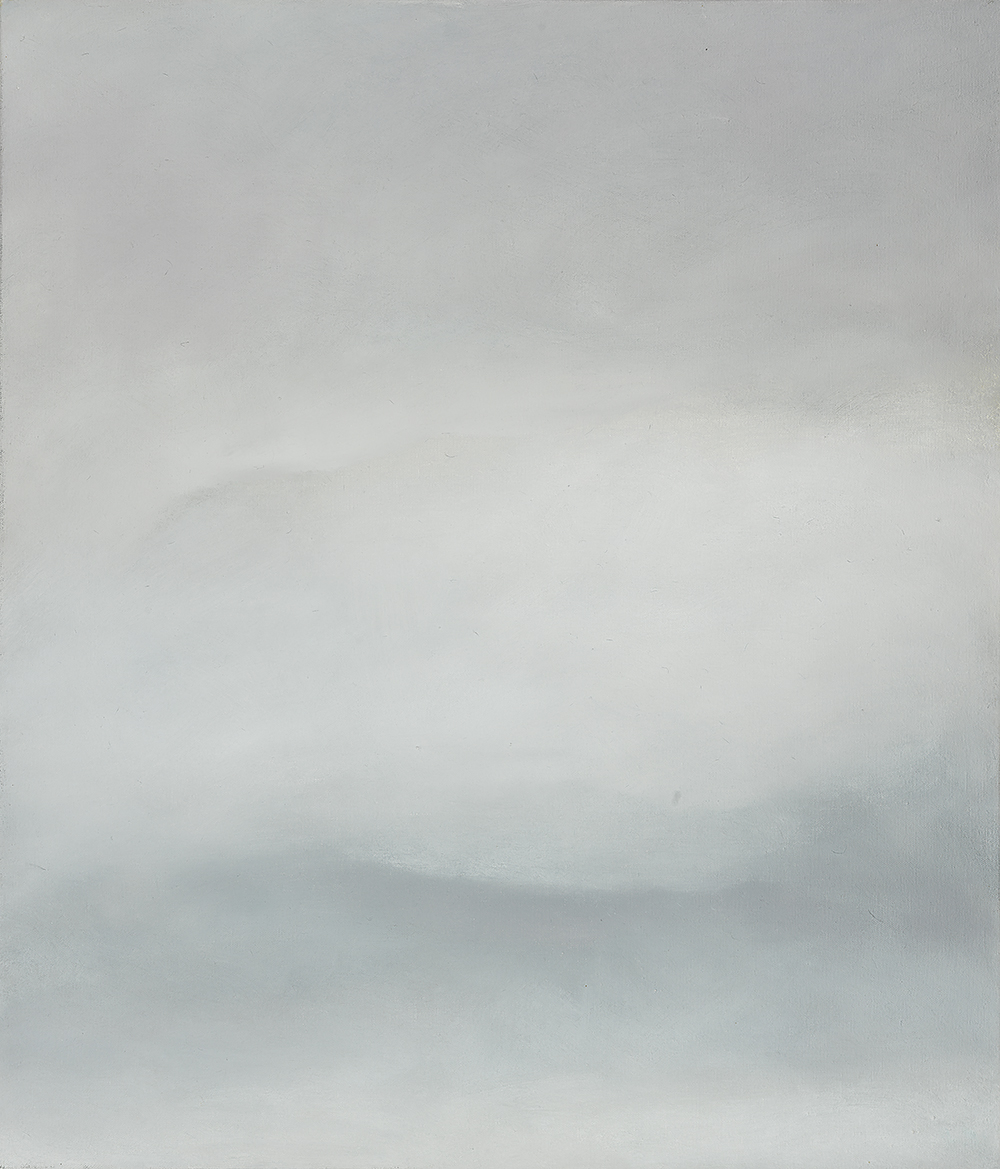
Jon Schueler
Light: Grey Sky and Sea (o/c 524)
1974
© Jon Schueler Estate
Roland Barthes centenary from the journal of French Studies
 To celebrate 100 years since the birth of French author Roland Barthes, Oxford University Press has provided a collection of articles including book reviews from the journals French Studies and its sister publication French Studies Bulletin. As we subscribe to both publications, staff and students can access the full text of these articles with EASE login. Please visit http://www.oxfordjournals.org/our_journals/frestu/roland_barthes_centenary.html
Collections
 Hill and Adamson Collection: an insight into Edinburgh’s past
My name is Phoebe Kirkland, I am an MSc East Asian Studies student, and for...
Cataloguing the private papers of Archibald Hunter Campbell: A Journey Through Correspondence
My name is Pauline Vincent, I am a student in my last year of a...
Hill and Adamson Collection: an insight into Edinburgh’s past
My name is Phoebe Kirkland, I am an MSc East Asian Studies student, and for...
Cataloguing the private papers of Archibald Hunter Campbell: A Journey Through Correspondence
My name is Pauline Vincent, I am a student in my last year of a...

Projects
Cataloguing the private papers of Archibald Hunter Campbell: A Journey Through Correspondence
My name is Pauline Vincent, I am a student in my last year of a...
Archival Provenance Research Project: Lishan’s Experience
Presentation My name is Lishan Zou, I am a fourth year History and Politics student....