Home University of Edinburgh Library Essentials
April 4, 2026
Evelyn Williams, new Research Data Support Assistant
Hello, readers of Edinburgh Research Data Blog!
Last month I joined the University’s Research Data Service team as a Research Data Support Assistant, and I’m excited to be back at the University after three long years working as a data scientist at tech start-ups.
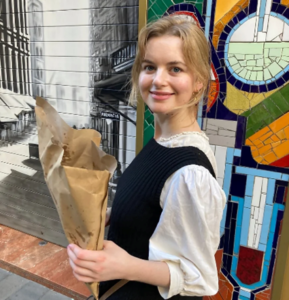
Me with a bag of churros in the Montjuïc, Barcelona, where I spent a few months in the winter of 2022 – Photo credit: Evelyn Williams
This career pivot from tech into collections management feels natural to me as a lifelong collector and cataloguer. An early memory is winning a Stanley plastic small parts organiser at a village tombola, the kind you’d use to store picture hooks and screws. I’d never seen a more magical object in my life. I began hunting for groups of items tiny enough to fit in the compartments like it was my life’s work. Elastic bands, our Labrador’s fur during moulting season, glittery hair beads (it was the early 2000s), woodlice. My favourite present from last birthday was a Dymo label maker. When I first read the description for this role, working to archive the University’s research data sounded like a dream come true. It’s especially exciting to be dipping my toe into data management at a university where RDM is already so well established, thanks to the work of Robin Rice and the many others involved in developing the department and the University’s data management policy.
I’ve been curious about archives and collections for a long time. I loved interning as a Collections Assistant in Special Collections at the Sir Duncan Rice Library in 2017 while I was an undergraduate Linguistics student at the University of Aberdeen. I helped run the reading room, assisted with manuscript conservation and digitising, and carried out archive research for the Library’s exhibition. Exploring the stacks of manuscripts and ephemera, I felt like the luckiest girl in the world. The highlight of my job was getting to see a volume of Audubon’s Birds of America (1827-1838). It was an incredibly special experience for lots of reasons – the sheer size of the book (it’s a meter tall!), the beauty of the illustrations, and the depictions of bird species that are now extinct. An example of an illustration of owls is shown below.
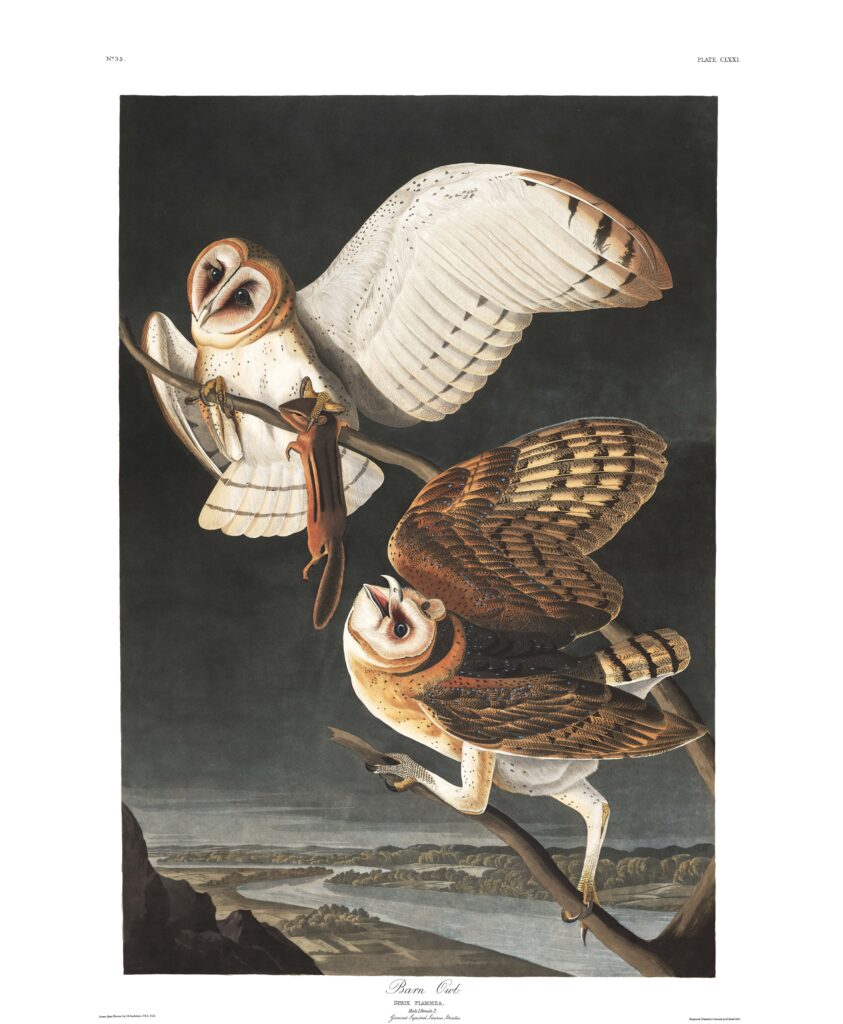
Audubon, J. J. (1840) Barn Owl. The birds of America, plate CLXXI. New York, J.J. Audubon; Philadelphia, J.B. Chevalier. Photo credit: The John James Audubon Center at Mill Grove, Montgomery County Audubon Collection, and Zebra Publishing.
The photo below was included in the exhibition I worked on about medical innovation in wartime. So dramatic!
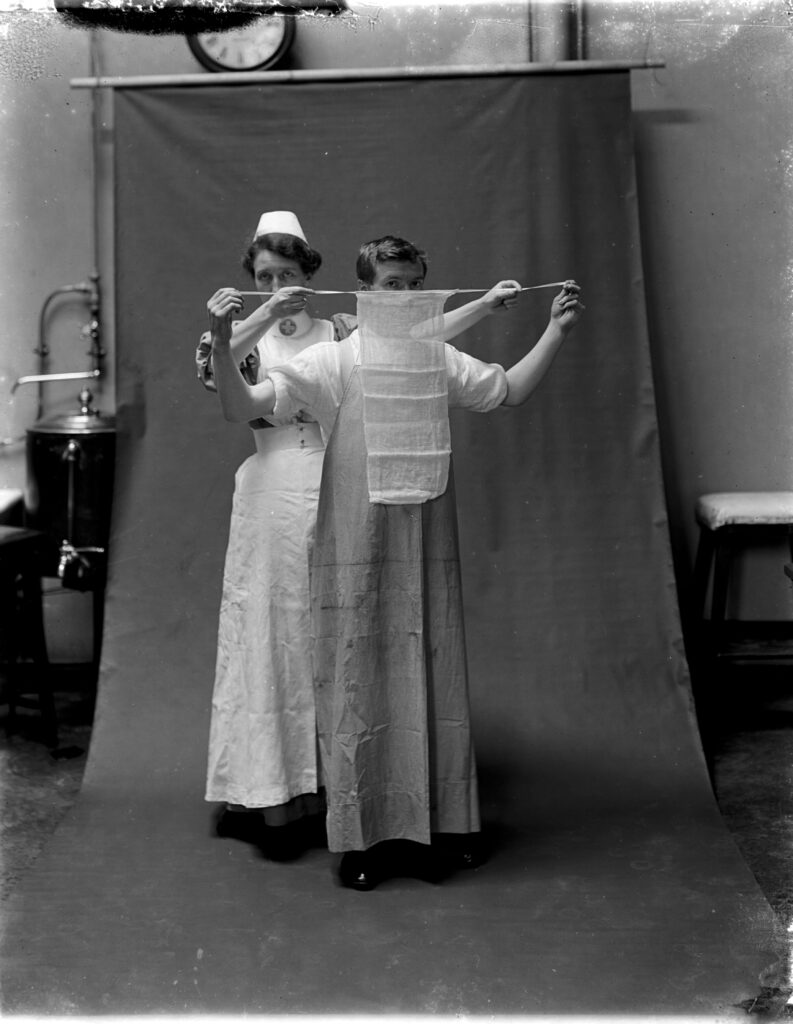
A nurse tying Sir Henry Gray’s surgical mask. Photo credit: George Washington Wilson & Co. (1853 – 1908). DR GRAY ROYAL INFIRMARY ABERDEEN. [Photograph]. Aberdeen: The University of Aberdeen. GB 0231 MS 3792/D0500, George Washington Wilson & Co. photographic collection.
That role was also where I first saw the potential of open data sharing. The University’s most accessed DataShare dataset was developed and shared by colleagues at CSTR, and has since been used and cited by research teams around the world, including at Google, Deepmind, and Meta as well as at countless universities. Making this speech data publicly available has contributed to big improvements in, for example, the speech devices used by many people with Motor Neurone Disease, and in the algorithms hearing aids use to make speech clearer.
Sharing your research data may sometimes seem like an afterthought to a project, but it can have a far-reaching impact and accelerate scientific progress. My hope is that in my new role I can help to further open research in a small way.
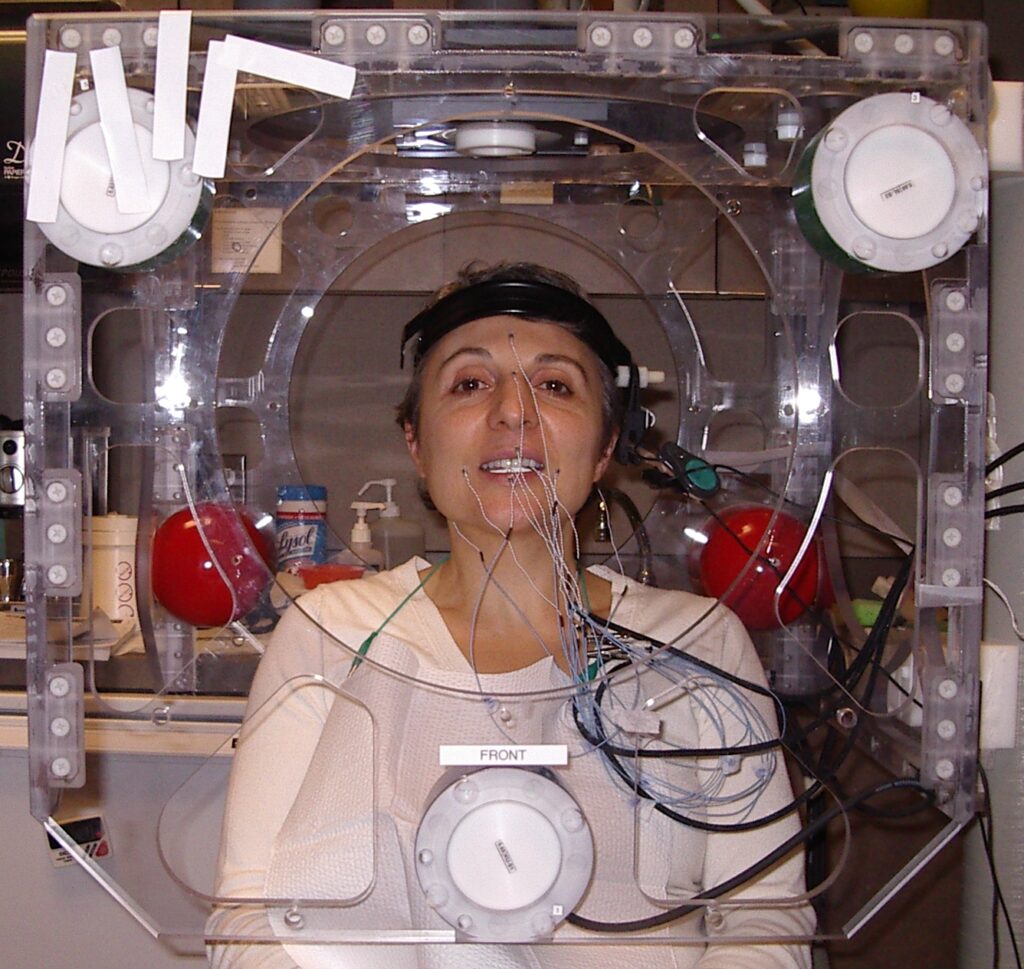
Photo credit: The University of Toronto. (2012). Subject in AG500. The TORGO Database: Acoustic and Articulatory Speech From Speakers With Dysarthria. https://www.cs.toronto.edu/~complingweb/data/TORGO/torgo.html
This photo from the TORGO project captures the process of recording facial movement during speech using an electromagnetic articulograph machine. I used the TORGO dataset during my masters research, and I was grateful the researchers had published their data for academic use.
After I finished my masters I worked as a data scientist at a couple of tech start-ups, building artificial intelligence models. While I enjoy writing code and working on complex engineering projects, I didn’t like the restricted field of vision you have when you’re working to solve a narrow commercial problem. I’m happy to be in a more social role where I can support lots of different people and projects.
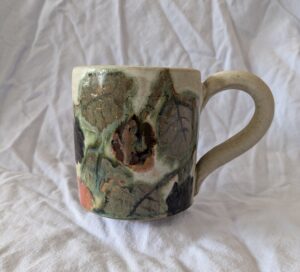
Some mugs I made for our most recent Open Studios event at Abbeymount Studios.
So far, the Research Data Service team has been really welcoming, and I feel lucky to be working with such knowledgeable and friendly people. I’ll be working 3.5 days a week with the RDS team, and on my other days I’ll likely be at the pottery studio, please see photo above, or reading. My collection of graphic novels is getting out of control, and I love fiction where nothing much happens but everything is just a bit unsettling. At the moment I’m trying to read everything by and about Shirley Jackson, as well as novels about disgruntled tech workers. Everyone I know is sick of me trying to get them to download the Libby app. (“It’s like Audible. But it’s FREE!”).
Evelyn Williams,
Research Data Support Assistant
An Explorer’s Legacy: The Journey of the John Rae Collection
As part of ongoing work on the University’s historic loans, Collections Registrar, Morven Rodger, investigates the history and provenance of the University’s John Rae collection.
In July 1926, the University Court agreed to lend the “John Rae Collection of Arctic and Other Relics” to the Royal Museum of Scotland. Almost a century later, The Royal Museum is now the National Museum of Scotland, and John Rae’s items remain on loan, but how and why did the University come to have these items in the first place?
New E-resources Trials
Thanks to requests from students and staff in HCA the Library currently has trial access to 4 databases, covering the Middle Ages onwards.
All 4 databases can be accessed from our E-resources Trials page.
Bibliography of the History and Archaeology of Eastern Europe in the Middle Ages
This bibliography provides comprehensive coverage of all publications, in all languages, pertaining to this vast area of the European continent and its impact on European history from about 500 to the aftermath of the Mongol invasion of 1241.
Trial ends: 31 October 2024 Read More
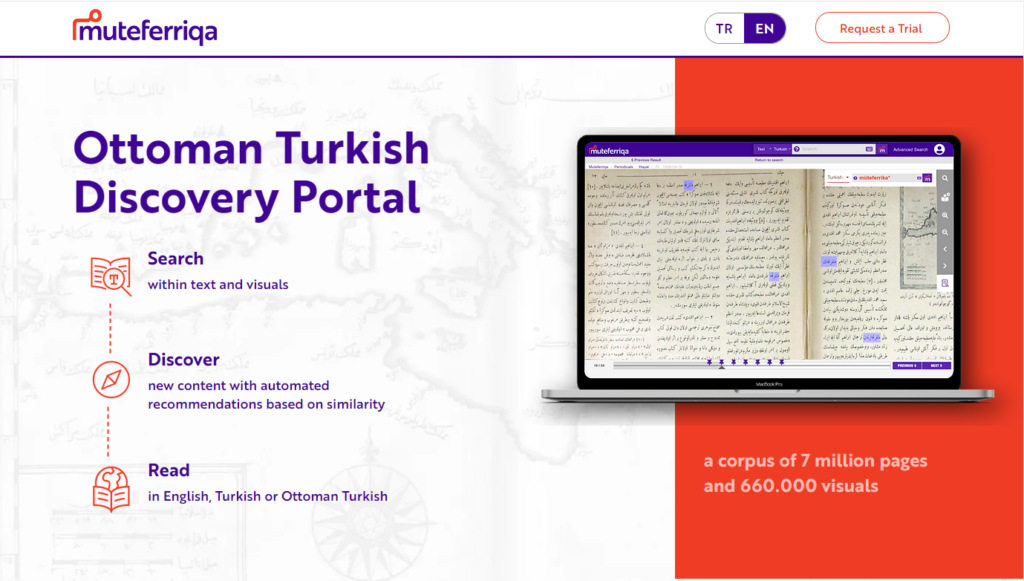
On trial: Ottoman Turkish Discovery Portal
Thanks to a request from staff in History, the Library currently has trial access to Muteferriqa: Ottoman Turkish Discovery Portal.
How to interpret a reference for a book or journal article
One of the most important things you will need to know how to do when starting out at university is understanding academic references. Here’s a simple guide to help you decode book and journal (periodical) references.
 How to interpret a reference for a book
Example book reference:
Olusoga, D. (2017) Black and British: a forgotten history. London: Pan Books.
- Author(s): The first part of the reference is the author’s name. In this case, “Olusoga, D.” indicates the author is David Olusoga. If there are multiple authors, they will be listed in the order they appear on the book itself.
- Year of Publication: The year the book was published is in brackets. Here, it’s “2017”.
- Title of the Book: The title of the book is italicized. In this example, it’s “Black and British: a forgotten history”. Only the first word of the title and any proper nouns are capitalized.
- Place of Publication: This is the city where the publisher is located. In this case, London.
- Publisher: The name of the publishing company. Here, it’s “Pan Books”.
Tackling Lyell’s Specimens with Lizzie (& Vernon’s) help!
Using funding awarded by the Institute of Sedimentologists, Lizzie Freestone worked during the Summer of 2024 as the Charles Lyell Web Development Intern. Read on to learn all about her work, that combined metadata with Neolithic tools, and spanned teams from Digital Libraries, archives and museums, and included a particularly troublesome team member – Vernon!
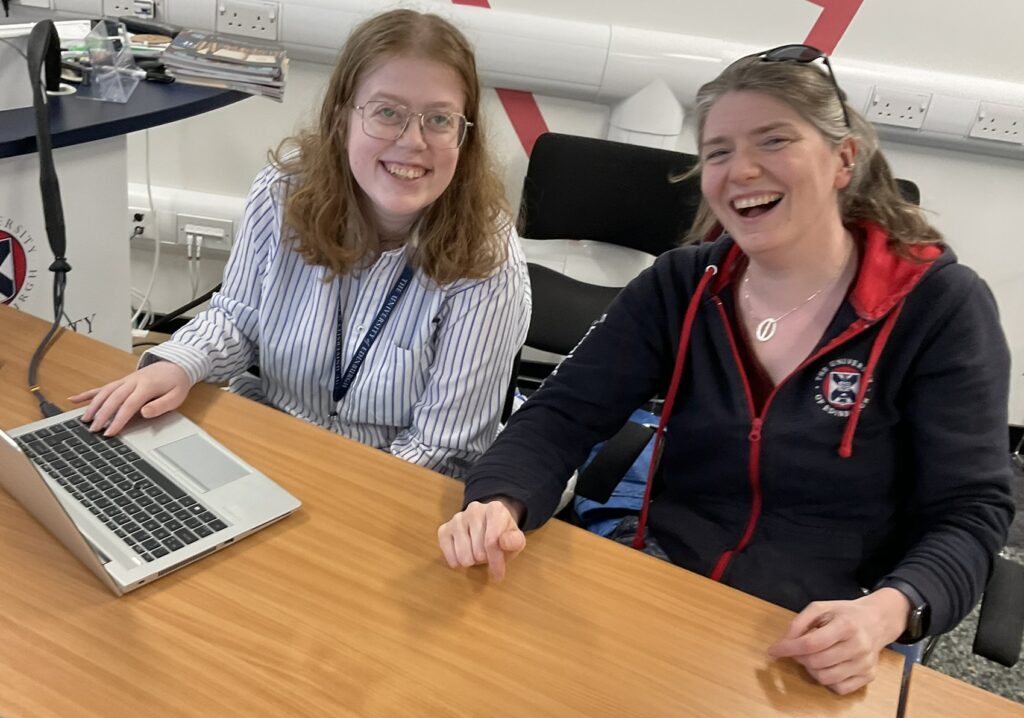
Lizzie, with Dr. Gillian McCay of the Cockburn Geological Museum,
I started as the Charles Lyell Digital Collections Intern on the 3rd of June 2024. The goal was to develop processes so that specimens from the Charles Lyell collection, part of the Cockburn Geological Museum, could be more easily transferred into Vernon, the University’s collection management system for museum holdings. Once in Vernon, the specimen records can be automatically fed through to a more public-facing website, Collections.Ed; however, there are many significant steps required to get the data to that stage. Using processes developed by my line manager, Senior Systems Architect Scott Renton, my job was to connect that specimen data with high quality photographs of specimens taken by the University’s Cultural Heritage Digitisation Service, which are hosted separately on the University’s image hosting website, LUNA. Linking the specimen data to the images means that we could then have both the data and the associated images feed through to the public website.
I began working on the images collection of the Cockburn Museum, which include around 200 teaching slides with a wide range of images including a series about an expedition to Spitsbergen, Svalbard; portraits of famous geologists; and photos of the natural landscape of Edinburgh, including Arthur’s Seat and the surroundings of Kings Buildings. Under Scott’s guidance, I learned how to run XML imports into Vernon. Working on batches of twenty or so records, I started getting to grips with the software and how it worked. Around this time, I also met with Gillian McCay, Curator of the Cockburn Geological Museum, who showed me the vast array of physical specimens the museum holds and explained the challenges of trying to get them into digital format. The Lyell specimens represent a complex set of records, reflecting their custodial history of nearly 100 years, so to get my eye in for more specifically geological specimens, I worked on drawers from the Currie collection, restructuring the spreadsheets and configuring Vernon to accept their contents. The Lyell specimens’ records have very long, complex descriptions – including research references, context, and loans – which would need to be broken down into distinct fields before they could go into Vernon. I spent a significant amount of time talking to Gillian and Pamela McIntyre, Strategic Projects Archivist on the Lyell project, about their thoughts on best ways to break up the description information, acceptable under Vernon’s demands.

Tear drop shaped flint tool. Dark grey brown colour, with some light grey to cream areas. The surface is covered by concoidal fractures, with little to no rind remaining. One glued label reading ‘ Sir C. Lyell’.
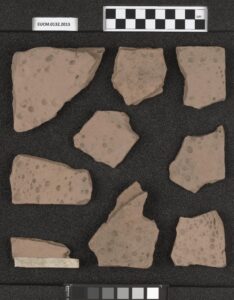
Rain marks in fine grained red sediment. One label attached to the sample reads ‘Rainmarks, Kentville’. One specimen has on its reverse a date, scratched into the mud, likely when still soft is written ‘July 21 1849’.
I found it really rewarding to work on specimens with such a long history and to get to talk so much with Scott, Gillian and Pamela, who all went above and beyond to answer my questions and concerns as they arose and to give me new ways to think about things. Learning how to use Vernon over the course of the summer was also really satisfying, as I went from zero knowledge to being able to use some of its most complicated functions, thanks to Scott’s explanations and a lot of practice. I also really enjoyed the opportunity to work as part of an IT development team and to have the opportunity to develop my technical skills. I was proficient in using Excel before, but had a minimal background in computer science. I now feel much more confident in learning how to apply new tools and to use programming to achieve a goal. Programming is now something I’m interested in doing more of going forward.
In all, I processed around 500 specimen records, of which around 150 were part of the Lyell collection. My work has developed processes for importing both new Currie and Lyell specimen records into Vernon including spreadsheet templates, setting up Vernon configurations, and created detailed guidance on to how to use them (including on how to set up and use new templates if needed). This means that getting further geological specimen records out of the basic excel spreadsheet stage, and into Vernon is much easier, which will make them more stable and more widely accessible. I also got to work on the Collections.Ed website, adding images and changing the ways some metadata was displayed, making the collections pages more visually appealing and navigable. It will take some additional technical work to get these specimens onto the new Lyell website (more details on that to come!) – for that, the team are using IIIF to link data and images – but it’s great to know that my work will support that next stage.
This internship has been a very rewarding experience, and I am really grateful to have had the opportunity to contribute to the digital preservation of these historically significant geology specimens. I’m looking forward to seeing how the digital collection grows over time!
Thank you so much Lizzie, Scott, Gillian – and Vernon! And thank you to the Institute of Sedimentologists – this funding has allowed us to fill a knowledge gap which will be of huge support to staff going forward – and has provided Lizzie with great work experience in a field outwith her main degree. This internship completes the final allocation of all the funding secured by the Lyell Project, with special thanks to David McClay, Philanthropy Manager, Library and University Collections, who has been its champion since the outset. As the project nears the final stages, forthcoming blogs will focus on access, discovery and legacy.
Managing Collections: Edinburgh College of Art
One of our largest and most complex collections is that of the Edinburgh College of Art (hereafter named ECA). Transferred to Heritage Collections in 2012 following the merger of the College and University in 2011, the collection spans artwork, objects and paper archives. The paper archives alone total around 200 metres in volume, or well over 1,000 boxes and folders of material.
As a result, it has become one of the largest that requires rehousing and appraising. It is so large that Jasmine and I have had to undertake processing the collection in stages. To read more about appraisal and what it entails, check out last year’s blog by clicking this link.
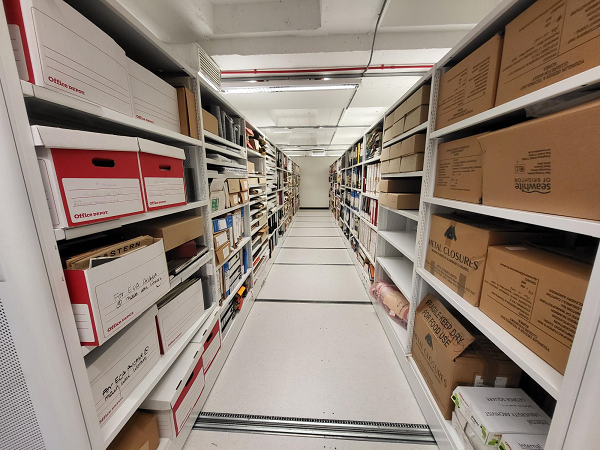
Two of the five rows that hold the Edinburgh College of Art archives.
Highlights of the OneHealth Project
This spring the short but broad digitisation project, OneHealth, reached its end. The OneHealth project was focused on early animal welfare history, utilising new material brought in from a trio of organisations: Royal Zoological Society of Scotland, The Royal (Dick) School of Veterinary Studies, and the animal welfare charity OneKind. During those 6 months, we had a vast and diverse materials pass through our studios. From the historically rich early records of Edinburgh Zoo to morbidly curious Veterinary School implements to the delightfully pet centric magazines of the OneKind charity, the project spanned a wide range of items.
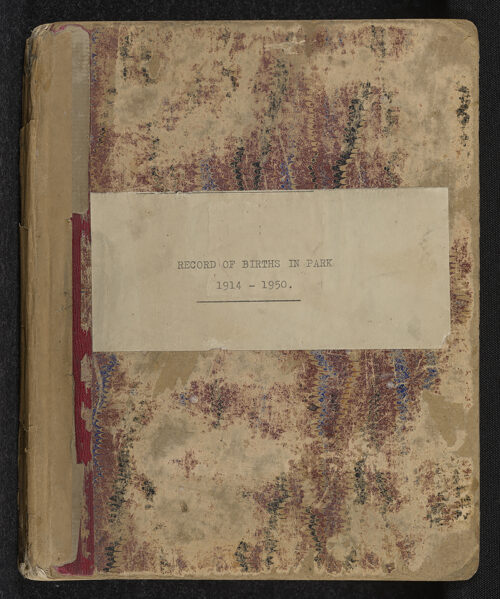
Collections Care Task Days
In this post, Technician Robyn Rogers discusses the first events in series of Collection Care Task Days at the University of Edinburgh Heritage Collections.
Highlights from the 2024-25 Digital Research programme at the University of Edinburgh
This is a guest blog from Dr Eleni Kotoula, Lead Digital Research Facilitator, Digital Research Services
Researchers at the University of Edinburgh have access to a wide range of digital research services, resources, tools, and support throughout the research lifecycle. Research Facilitators are dedicated to helping the university community make the most of Digital Research Services. To support this goal, they have developed a programme of activities for researchers, research students, and professional staff supporting research, with contributions from the Library, Research Services, EPCC (formerly Edinburgh Parallel Computing Centre), and members of the wider University community.
Boost Your Digital Research Skills
In addition to training offered by service providers, schools, and colleges, Digital Research Services have scheduled ten 30-minute webinars from September until the end of the calendar year.
An “Introduction to Digital Research Services” webinar will be offered on various dates throughout Semester 1, tailored for newcomers, early career researchers (ECRs), and anyone who needs help navigating the Digital Research Services.
The “Spotlight on Research Planning” webinar series will address key considerations when planning a research project, including topics such as copyright, research websites, research computing, and data management. These webinars will provide valuable information to help researchers be better prepared for planning and designing their next research project.
Expand Your Network
The Digital Research Services programme also offers networking opportunities during all hybrid and in-person events. Networking receptions will take place on:
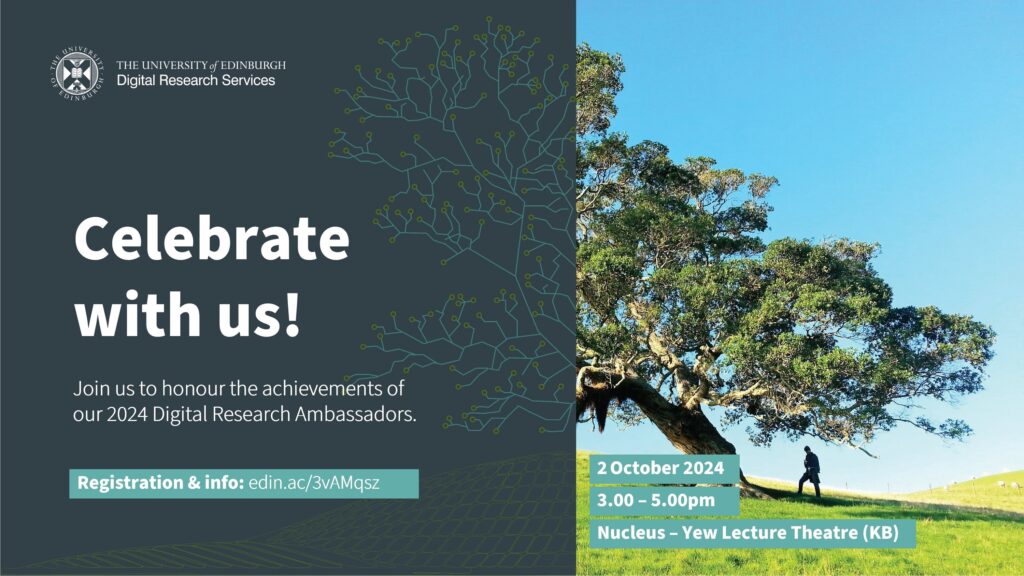
- 2nd October at Nucleus during the Ambassadors celebration event and poster exhibition. Book your place here.
- 24th October during the HPC communities gathering event. Find out more and register here.
- 29th January at the Digital Research Conference. More details available here.
All in-person attendees of lunchtime seminars and hands-on training sessions are invited to join us for a networking lunch.
Hands-on Computing Training
With a growing demand from the University of Edinburgh community to enhance research computing skills, Digital Research Services have scheduled three full days of hands-on HPC training:
- “Introduction to Archer2” on 30th October and 6th November. Book your place here.
- “How to Work on Eddie” on 14th November. Find out more and register here.
To stay updated on upcoming events, training and opportunities relevant to data and computational research subscribe to the digital research mailing list. For further queries, contact digitalreseacrhservices@ed.ac.uk.
Keep connected with the team at https://linktr.ee/digitalresearchservices
Collections
 Hill and Adamson Collection: an insight into Edinburgh’s past
My name is Phoebe Kirkland, I am an MSc East Asian Studies student, and for...
Cataloguing the private papers of Archibald Hunter Campbell: A Journey Through Correspondence
My name is Pauline Vincent, I am a student in my last year of a...
Hill and Adamson Collection: an insight into Edinburgh’s past
My name is Phoebe Kirkland, I am an MSc East Asian Studies student, and for...
Cataloguing the private papers of Archibald Hunter Campbell: A Journey Through Correspondence
My name is Pauline Vincent, I am a student in my last year of a...
Projects
Cataloguing the private papers of Archibald Hunter Campbell: A Journey Through Correspondence
My name is Pauline Vincent, I am a student in my last year of a...
Archival Provenance Research Project: Lishan’s Experience
Presentation My name is Lishan Zou, I am a fourth year History and Politics student....