We are now well in the midst of the Scottish Court of Session Papers Phase 2 Pilot. In this stage of the project, we are concentrating on digitising three hundred volumes from the collections of the three institutions involved; The Faculty of Advocates, The Signet Library and the Edinburgh University Library. Week seventeen has passed, workflows have been tinkered with, scanner issues are being ironed out and we are gradually seeing the fruits of our labour as fascinating and soon to be accessible digital content builds up. In this blog post, project staff Joanne and Daisy report back on some of the more interesting discoveries they’ve made within these volumes.
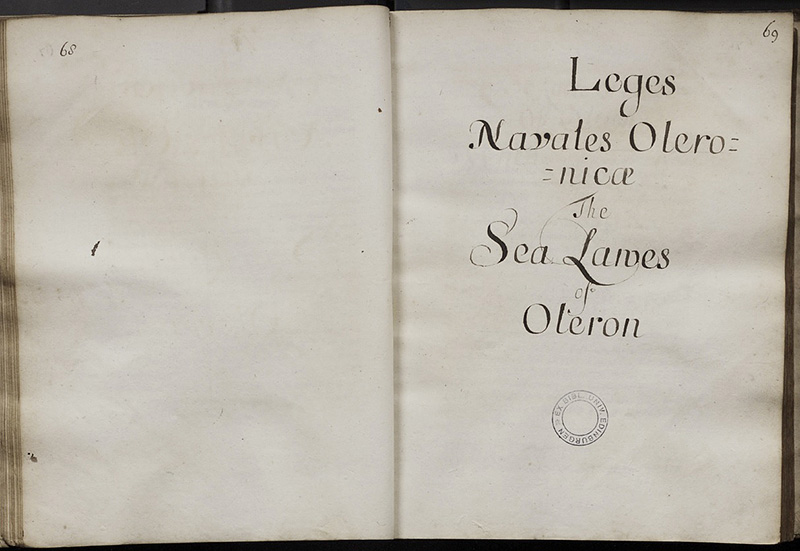
 Stories beget stories – it’s one of my favourite things about them – and archives are built on precisely this strength. Archival collections, like those at the University of Edinburgh, do not simply store and preserve artefacts, but actually become a medium through which stories, both existing and those yet to be told, can find a voice. As these musings might already indicate, I’ve been recently reminded of the centrality of stories to archives through my time as a volunteer in the Digital Imaging Unit working on various papers related to Rachel Erskine, née Chiesley (bap.1679-1745), or, as she is more infamously known, Lady Grange.
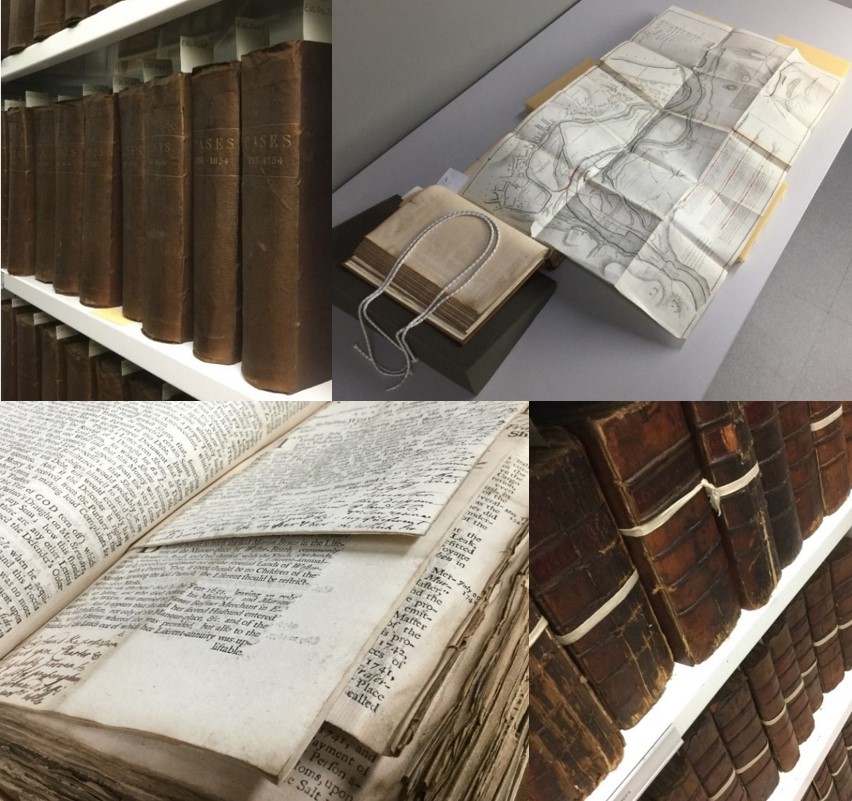
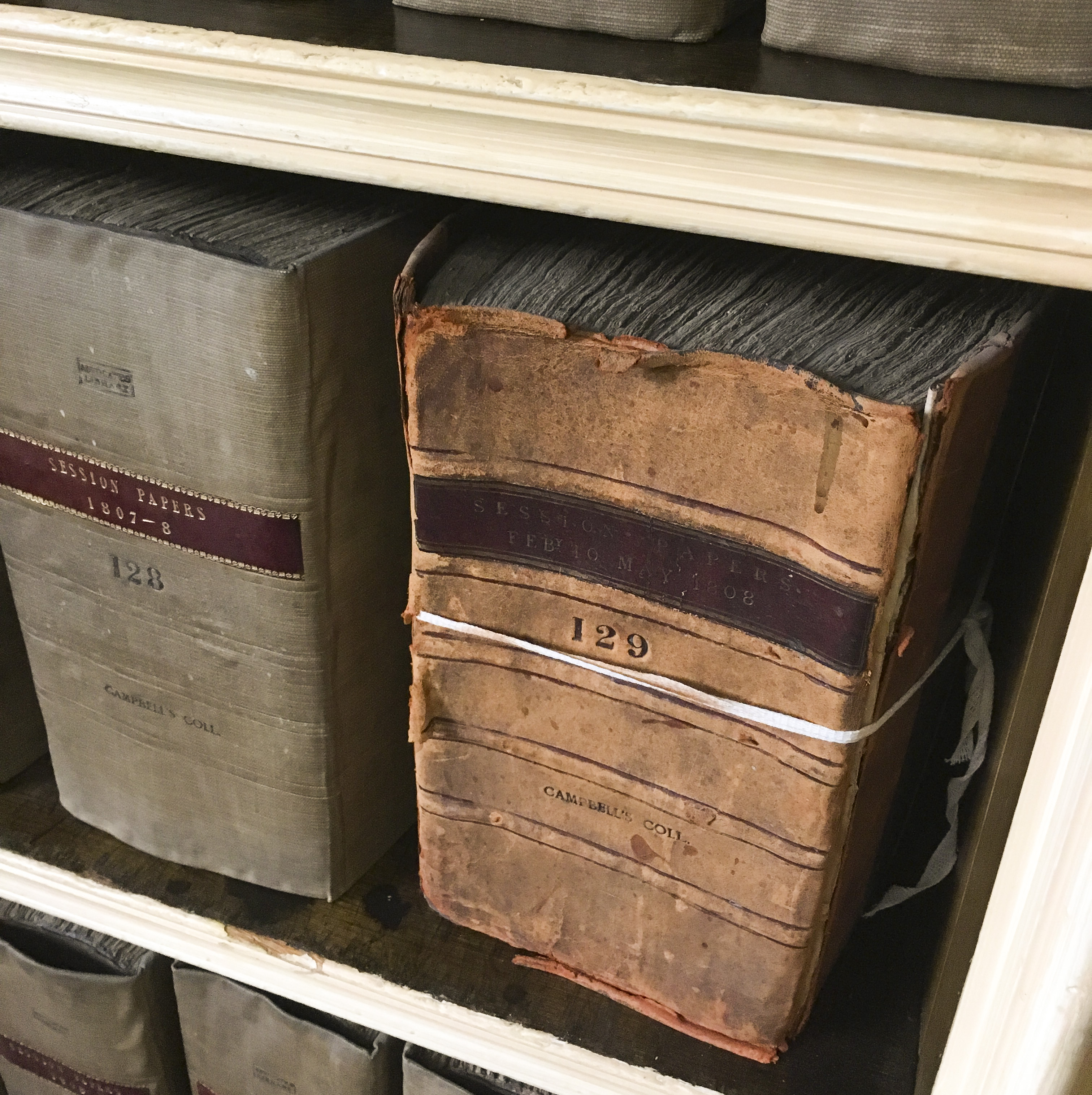 At present I am working on a pilot project, digitising the Scottish Court of Session Papers. The collection is held across three institutions; The Advocate’s Library, The Signet Library and the University of Edinburgh’s Library and University Collections. The collection itself consists of circa 6500 volumes, comprising court cases which span the 18th and 19th century.